

How muggles and sociopaths invade and undermine creative subcultures; and how to stop them.
Geeks, MOPs, and sociopaths in subculture evolution (2015) | Hacker News
Any marginally successful group attracts sociopaths. The more power available to someone installing themselves at the centre of an elite clique that runs the organisation, the more attractive it is. No-one ever sees it fully until they get on the wrong end of one of these toxic power dynamics, there is so much subtle BS working against anyone trying to face this stuff down that it's almost pointless wasting your life trying.
Reality Roundtable #19 — Dark Triad Personality Traits: How Psychopathy, Narcissism, and Machiavellianism Impact Our Cultures & Social Systems - The Great Simplification
Psychopathy is often portrayed as a rare and distant phenomenon – something confined to movie villains or prison cells. Yet when psychopathy is combined with narcissism and Machiavellianism to form what psychologists call the Dark Triad, its impact becomes far more immediate. Individuals with these traits can wield disproportionate influence over our culture, institutions, and daily lives. What goes on inside their minds, and how do they shape the world around us?

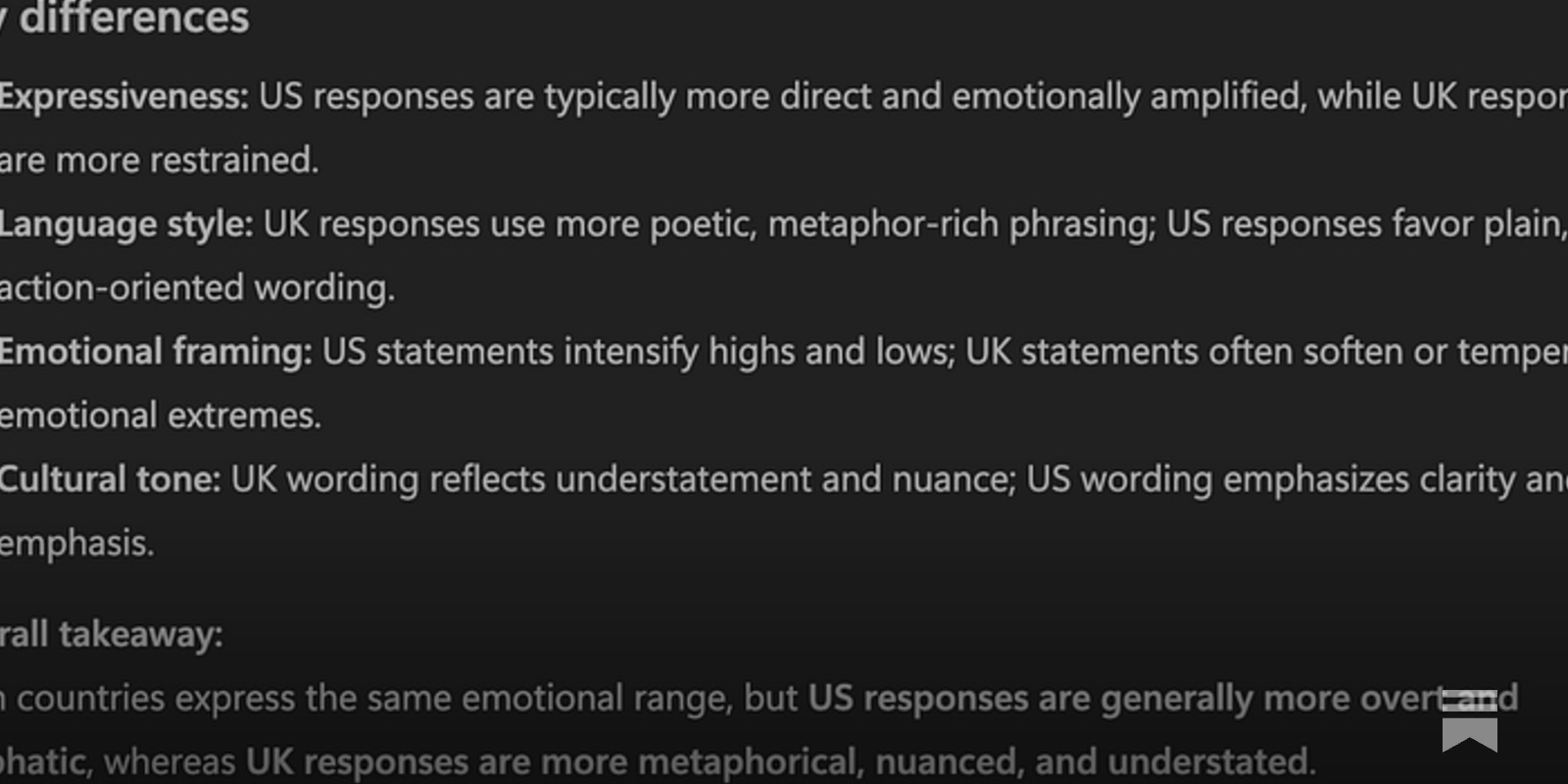
Punk subculture
The punk subculture includes a diverse and widely known array of music, ideologies, fashion, and other forms of expression, visual art, dance, literature, and film. Largely characterised by anti-establishment views, the promotion of individual freedom, and DIY ethics. The culture originated from punk rock.


Technopoly: The Surrender of Culture to Technology
A witty, often terrifying that chronicles our transform…

Rethinking Norm Psychology
Norms permeate human life. Most of people’s activities can be characterized by rules about what is appropriate, allowed, required, or forbidden—rules that are crucial in making people hyper-cooperative animals. In this article, I examine the current cognitive-evolutionary account of “norm psychology” and propose an alternative that is better supported by evidence and better placed to promote interdisciplinary dialogue. The incumbent theory focuses on rules and claims that humans genetically inherit cognitive and motivational mechanisms specialized for processing these rules. The cultural-evolutionary alternative defines normativity in relation to behavior—compliance, enforcement, and commentary—and suggests that it depends on implicit and explicit processes. The implicit processes are genetically inherited and domain-general; rather than being specialized for normativity, they do many jobs in many species. The explicit processes are culturally inherited and domain-specific; they are constructed from mentalizing and reasoning by social interaction in childhood. The cultural-evolutionary, or “cognitive gadget,” perspective suggests that people alive today—parents, educators, elders, politicians, lawyers—have more responsibility for sustaining normativity than the nativist view implies. People’s actions not only shape and transmit the rules, but they also create in each new generation mental processes that can grasp the rules and put them into action.

Fascist femboys, autogynephilia, and flattering narratives
Among those who believe [autogynephilia](https://en.wikipedia.org/wiki/Blanchard'stranssexualismtypology) is real and the primary explanation for many or mo...
Reflecting On a Few Very, Very Strange Years In Silicon Valley's Rape Culture
On rape culture in Silicon Valley and its subcultures: Rationalism, Effective Altruism, TPOT, and Vibecamp. Also the informal rules that dictate how women are allowed to talk about sexual violence.
The Illusion of Asymmetric Insight
The Misconception: You celebrate diversity and respect others’ points of view. The Truth: You are driven to create and form groups and then believe others are wrong just because they are oth…

How social norms emerge: The interindividual actor–critic.
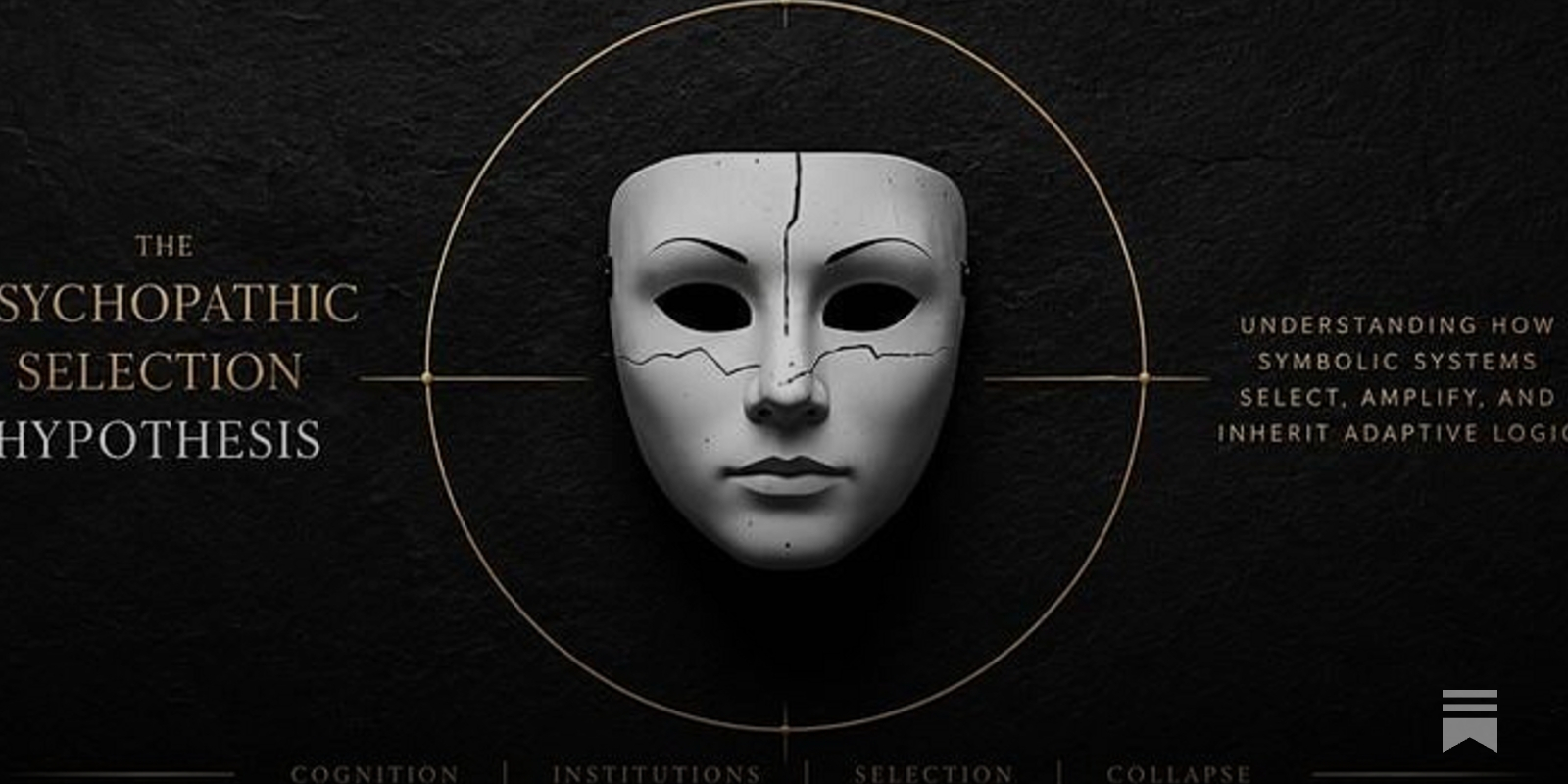
The Psychopathic Selection Hypothesis (PSH): A Guide to Symbolic Selection, Behavioural Architecture, and the Evolution of Human Gameboards
How human created symbolic systems alter the adaptive environment, select among behavioural strategies, generate institutional games, and reshape the evolutionary conditions inherited by future actors
The Safety Levers
A framework to move your subculture from the Anxiety Zone to the Learning Zone
The scent of Musk: Power, charisma and paranoia in Silicon Valley
Social Norms and Cultural Evolution

A collection of ideas to do with social norms, cultural evolution, and how we learn from others

AI as Social Technology: Astor Lecture by Professor Henry Farrell

Bayesian Inference of Social Norms as Shared Constraints on Behavior

What people learn from punishment: A cognitive model

Spurious normativity enhances learning of compliance and enforcement behavior in artificial agents

Deference, Dissent, and Dispute Resolution: An Experimental Intervention Using Mass Media to Change Norms and Behavior in Rwanda
How Does Media Influence Social Norms? Experimental Evidence on the Role of Common Knowledge
