

Catalyzing Modular Interoperable Research Attribution - A workshop to design and prototype interoperable frameworks for modular research attribution. June 7-11, 2026 in Ireland.
MIRA 2026 - Modular Interoperable Research Attribution
Catalyzing Modular Interoperable Research Attribution - A workshop to design and prototype interoperable frameworks for modular research attribution. June 7-11, 2026 in Ireland.
A protocol for attributable modular research contribution - Matsuthoughts
I wrote this essay in response to Seemay Chou's call for essays on systemic bottlenecks to science. Structural change in scholarly communication practices i…
modular research preprint server demo with meaningful social context
a concept preprint server demonstrating what kinds of features would be possible in the future with more modular research publishing and an open social protocol to layer in the public discourse in meaningful ways.
Towards Modular Open Science
Science is trapped in a paper-shaped box. In this talk at the ATProto community, Rowan Cockett introduces the structural states of scientific components — the floor, the buckets, and the shelf — and makes the case for a second wave of modular science where modularity emerges from packaging rather than being imposed as a precondition. The talk introduces the Open Exchange Architecture (OXA), a new standard for modular and composable scientific content.
Metagov x Future of Science Seminar - Discourse Graphs with Matt Akamatsu
Attribution, Provenance, Reference, Citation, and AI for Research Applications – Understanding the Differences - The Scholarly Kitchen
Building robust citation and attribution into generative AI systems are foundational to usage, credit and trust. We need to expect more from AI.

A Human-Centric Framework for Data Attribution in Large Language Models
In the current Large Language Model (LLM) ecosystem, creators have little agency over how their data is used, and LLM users may find themselves unknowingly plagiarizing existing sources. Attribution of LLM-generated text to LLM input data could help with these challenges, but so far we have more questions than answers: what elements of LLM outputs require attribution, what goals should it serve, how should it be implemented? We contribute a human-centric data attribution framework, which situates the attribution problem within the broader data economy. Specific use cases for attribution, such as creative writing assistance or fact-checking, can be specified via a set of parameters (including stakeholder objectives and implementation criteria). These criteria are up for negotiation by the relevant stakeholder groups: creators, LLM users, and their intermediaries (publishers, platforms, AI companies). The outcome of domain-specific negotiations can be implemented and tested for whether the stakeholder goals are achieved. The proposed approach provides a bridge between methodological NLP work on data attribution, governance work on policy interventions, and economic analysis of creator incentives for a sustainable equilibrium in the data economy.

MIRA — the structure layer for a shared research graph
Research ships as a sealed document. MIRAfying it makes a graph of signed, citable records anchored on the actual data artifacts — so analyses compound without flattening the nuance.
Authorea: multi-disciplinary research preprints
Authorea is the leading collaborative platform to read, write, and publish research.
CoARA – Coalition for Advancing Research Assessment
Catalyze
Catalyze research: discover, build, and fund high-impact research portfolios.

Great survey of the "scholarly interface design" frontier that also highlights the emerging role of the atproto.science and modular research ecosystems - @chive.pub @paperstarsorg.bsky.social @cosmik.network @semble.so @margin.at @discoursegraphs.bsky.social @curvenote.com and many more!

leotrs
1/ Scholarly publishing spent thirty years arguing about access. It has barely started arguing about what readers do with the paper once they have it. That second argument is turning into a field, forming around how science gets read and judged. Here is the map as I see it: aris.pub/blog/scholarly-interface-desi…
MIRA

Content relevant to MIRA (Modular Interoperable Research Attribution - mira.science)
Why Modular Research
Content relating to how modular research addresses issues in traditional science
Modular research

Modular research
IOSP 2026 (by ATProto Science) — Semble
MIRA — the structure layer for a shared research graph
Paperclip
Paperclip
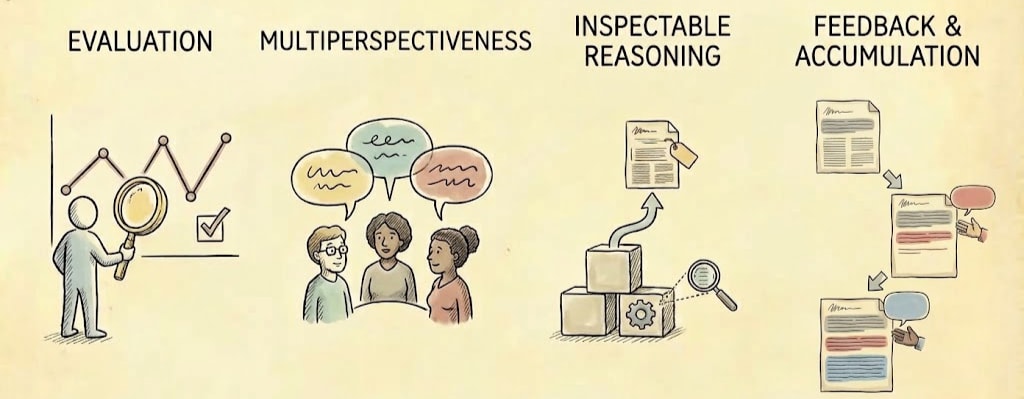
FLF’s Epistemic Case Study Competition: Results — LessWrong

Science Works on Twitter / X
Hyperproblems: New Ways of Doing and Communicating Science - Hyperproblems
Nathan Skene on Twitter / X
ScienceIDE: Turning World's Scientific Codebase into Agent Learnable Environments
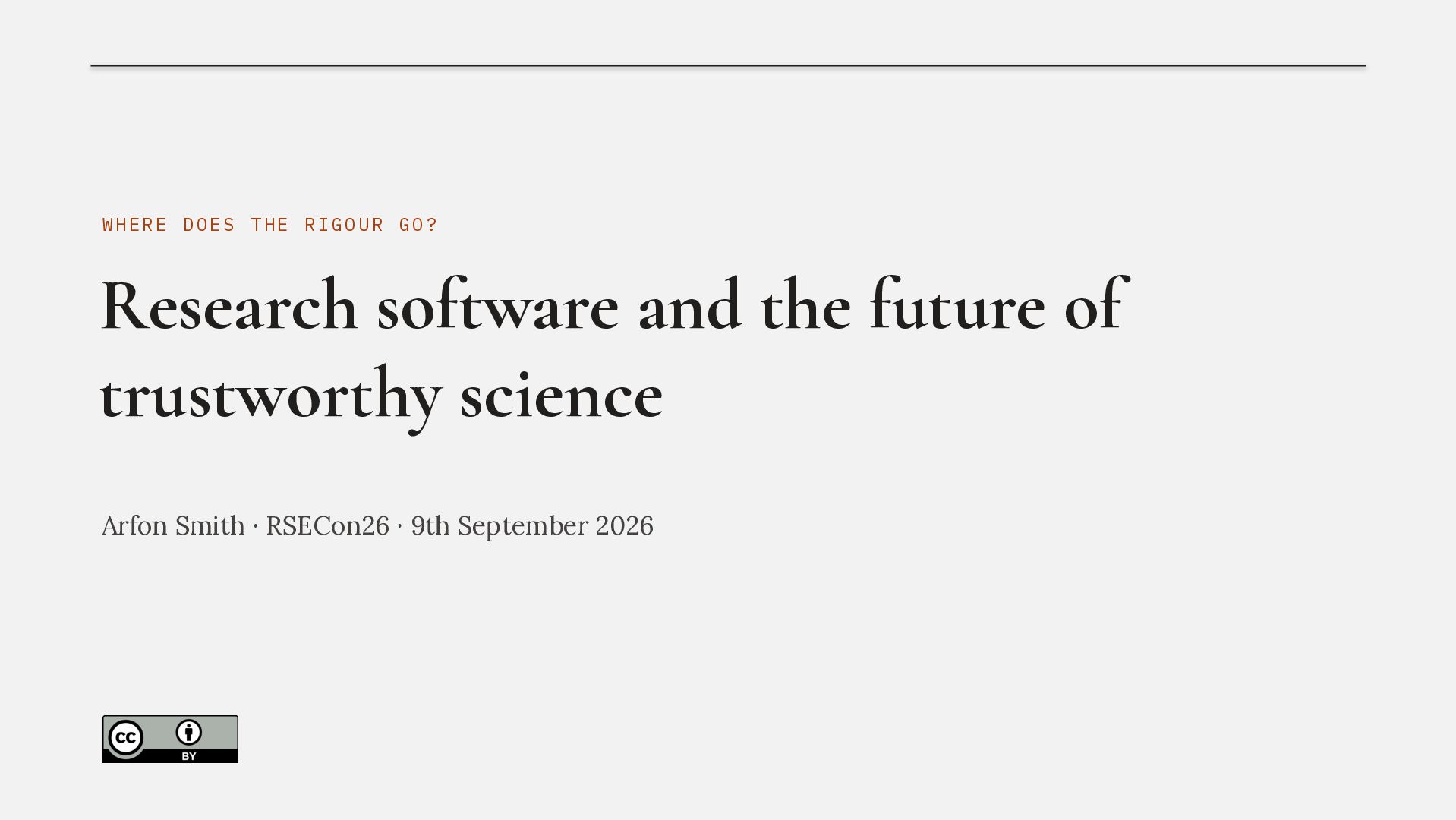
Where does the rigor go? Research software and the future of trustworthy science.
Is the scientific paper still a fraud?

I have a friend who replicates every study he wants to follow up on before starting his follow up, just to make sure he's not chasing phanto…

The new way we’ll do science
Why we’re expanding the openRxiv Labs Curvenote Reader experiment
Curvenote Reader brings a better reading experience to half a million openRxiv preprints

Launching openRxiv Labs - openRxiv
Universal Scientific Protocols, Inc.
The Micro-Paper: Towards cheaper, citable research ideas and conversations
The Trace and the Artifact | shishyko!

Curvenote® (@curvenote.com)
The new way we’ll do science
Zotero - InPeeR Ethi-quette (by Jay Patel) — Semble

Science: A New Golden Age
Plan S
