


Quit trying to popularize classical music. It only undermines what makes orchestras great.
The Foundation for the Future of Classical Music
The Foundation for the Future of Classical Music is focused on orchestrating a cultural renaissance for classical music. Through its activities, the Foundation advances public discussion on the importance of classical music, diagnoses the problems facing that sphere today, and seeks solutions that will bring about a cultural renaissance in music.
Music Chat: Classical Music's Ten Dirtiest Secrets
Conducting smarter intelligences than me: new orchestras | Notion
So what did I do?

Sci-Fi Classical
Get into the orchestra Marty, we're going back to the future. Neo Tango, Neo Classical, Future Music.


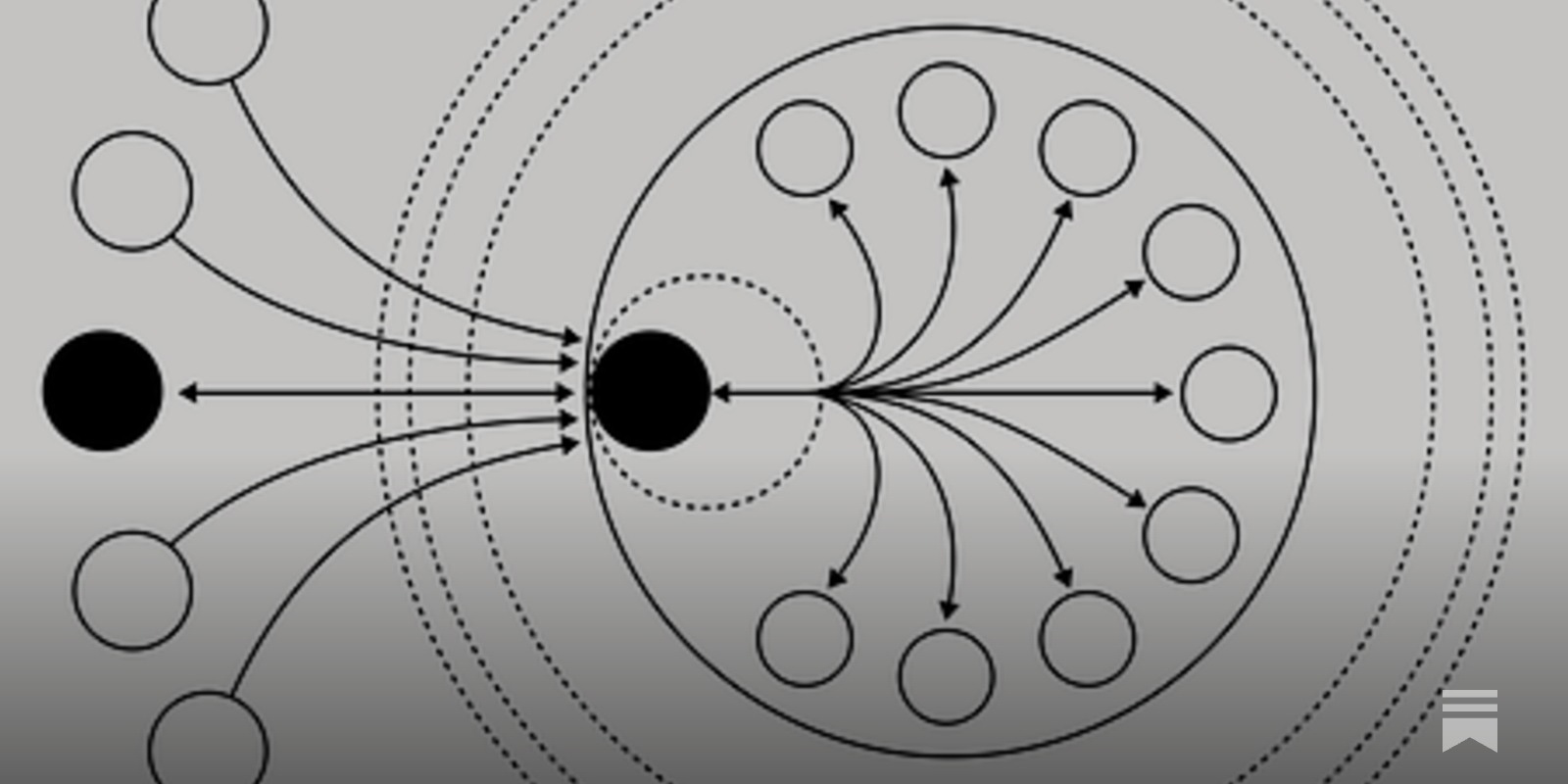
Have we lost 41 percent of our musicians? Depends on how you (the RIAA) count
Have the number of people who call themselves musicians dropped by 41 percent?
Why we should tune into the orchestra of the animal world | Aeon Essays
Listen to the boundless sounds of nature, the great animal orchestra, whose songs imbue the world with fresh meaning

Jeff Mills Drifts Into the Cosmos
AI is the latest of a long succession of tools trying to make things easier for us, and it’s always been there, and it’s always affected the music. Maybe we didn’t fear as much, but musicians just have to be more creative and to be more elusive.

Global mindset and music education: a comparison of curriculum documents in the United States and Spain
Over the past several decades, educational policymakers around the world have made changes based on three competencies they believe students will need to be successful in an increasingly globalized...

Music on the brain: Listening can influence our brain’s activity
The "Mozart effect" isn't real—but music does affect our mental processes.

Rethinking the Large Ensemble Paradigm: Moving Toward Epistemic Justice
In this paper, I center the epistemic dimensions of musics and musicking to consider the ways in which the band/orchestra/choir paradigm of music education prevalent in the U.S. and Canada may be implicated in epistemic injustice. Drawing in particular on the work of Fricker (Epistemic injustice: power and the ethics of knowing, Oxford University Press, New York, 2007), Dotson (Hypatia 26(2):236–257, 2011), and The Routledge Handbook of Epistemic Injustice (Kidd et al., The Routledge handbook of epistemic injustice, Routledge, New York, 2017), I explore facets of epistemic injustice and apply these ideas to music education school contexts in Canada and the U.S. I further explore aspects of school music that may amount to “testimonial smothering” (Dotson 2011) and “cognitive imperialism” (Battiste in Can J Native Educ 22:16–27, 1998). Ultimately, building on existing literature on epistemic justice (Kidd et al. 2017; Fricker 2007), I theorize an epistemically just music education for school music in alignment with culturally responsive, anti-racist, and anti-colonial teaching.
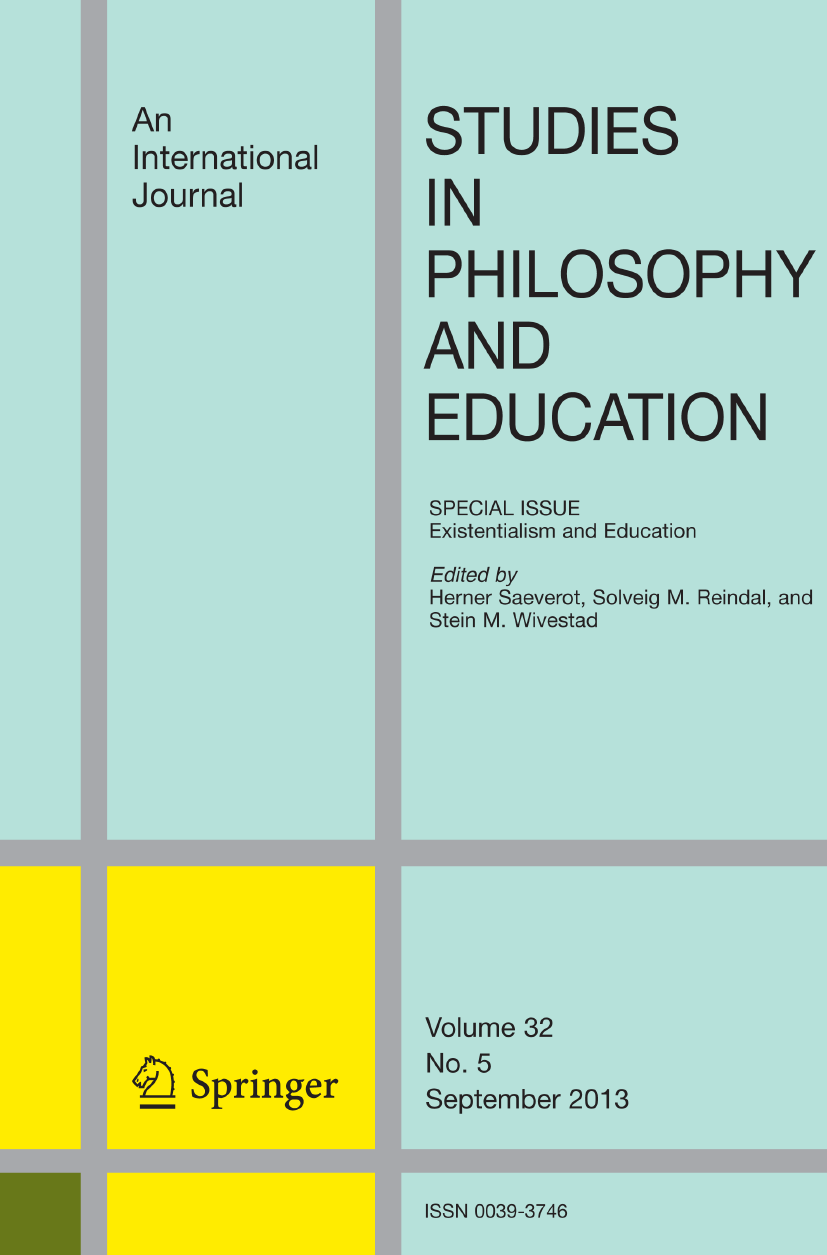
After Prompt. Arts Education and (the Politics of) AI
Department Kunst Musik – Kunst & Kunsttheorie, Universität zu Kölnin Kooperation mit der Pädagogischen Hochschule Karlsruhe
Supporting Creativity in Ensembles

Resources, research, and ideas for music educators to support student creativity in ensembles such as band, choir, and orchestra.
AI & Music - developments & perspectives
Perspectives, developments, & news re: AI & music
Improvising in Ensembles (by Etobias-musiced) — Semble
Creating (composing) in Ensembles (by Etobias-musiced) — Semble

Owners of Elvis Presley’s Music Sue Anthropic for Copyright Infringement

YouTube Music adds new labels for AI music
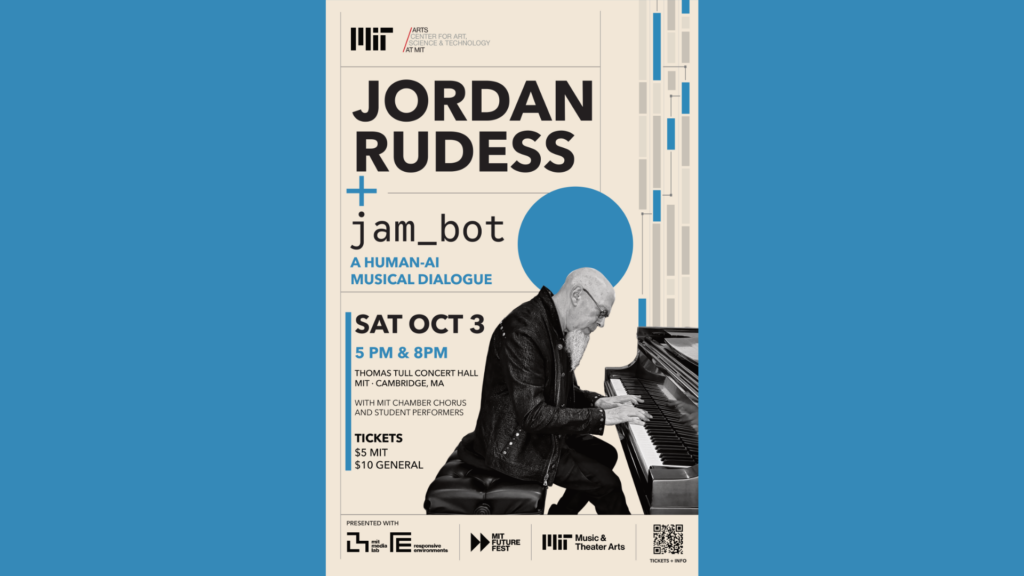
Jordan Rudess + jam_bot at MIT October 3

Jordan Rudess and MIT’s jam_bot: A New Era of Human-AI Musical Collaboration
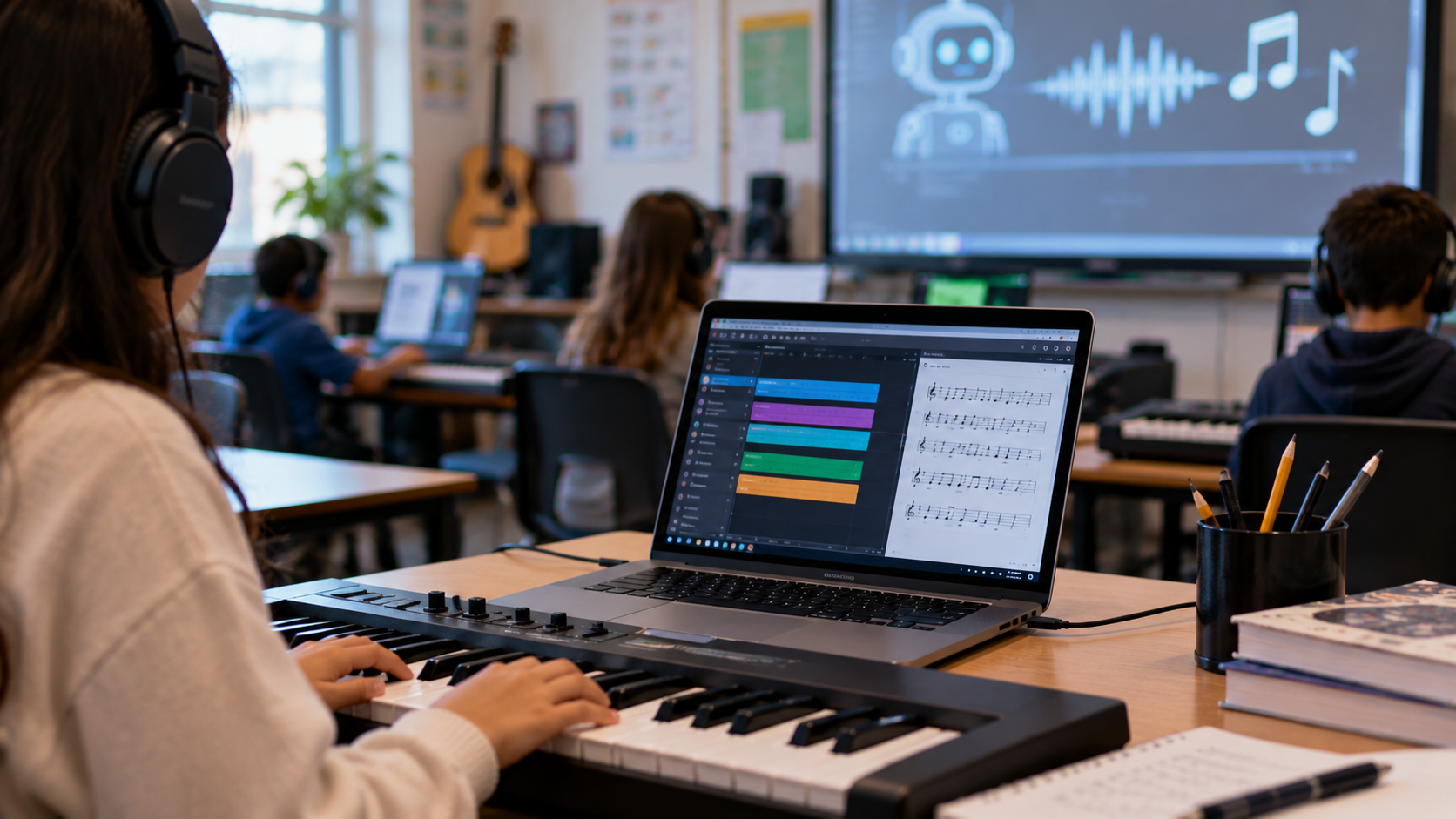
Artificial Intelligence in Music Classrooms: PK-12 Educators’ Practices, Concerns, and Confidence

“It frustrates me to hear people bashing something that's so amazing”: Todd Edwards is optimistic about AI in music production