

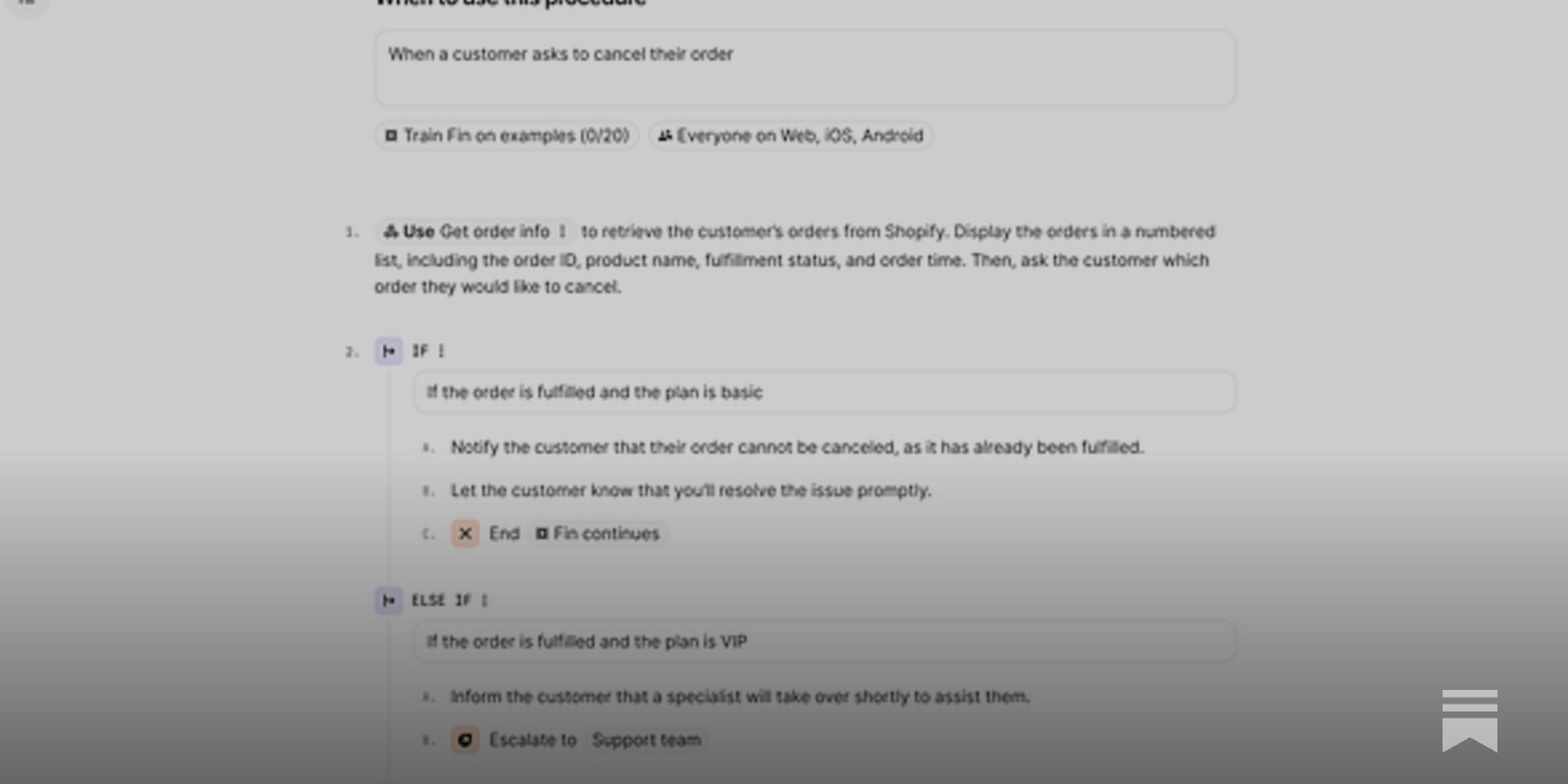
What two competing solutions to the same design problem tell about the future of designing AI interfaces.
LukeW | Agent Management Interface Patterns
As an increasing number of AI applications evolve to agents doing work for people, agent management becomes a critical part of these product's design. How can p...
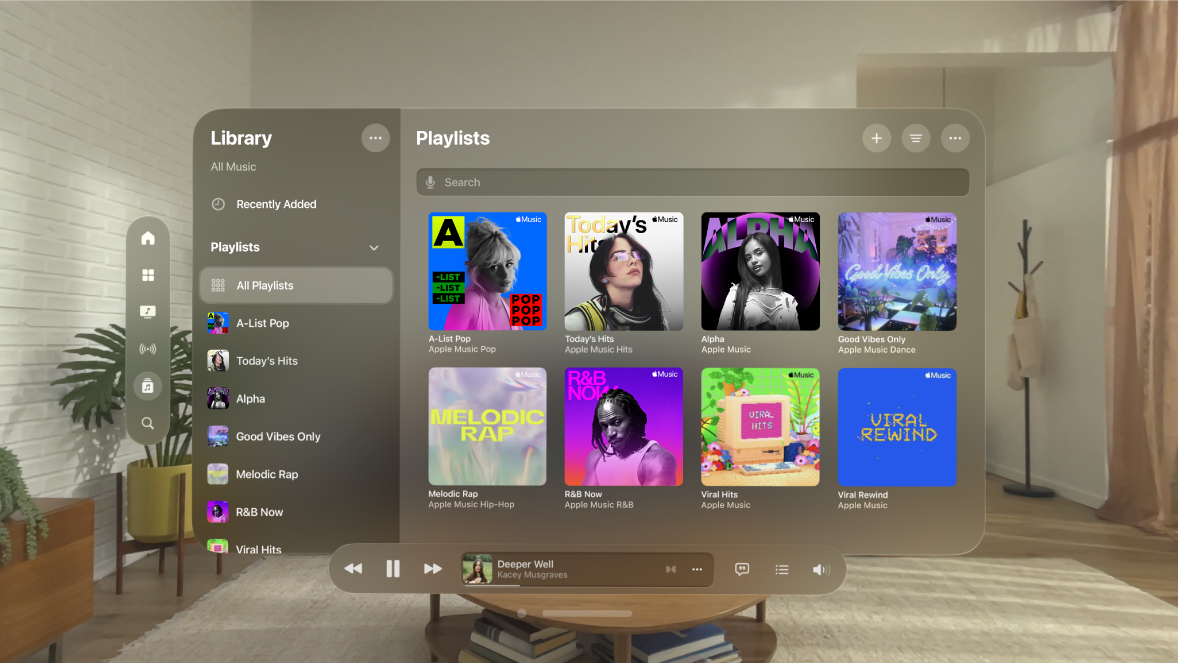
The missing design vocabulary for agents.
Turn AI slop into interfaces you’re proud to ship. Impeccable gives your agent the design expertise to build from scratch, improve what you have, and stay true to your design system.

Generative UI: The AI agent is the front end
In a new model for user interfaces, agents paint the screen with interactive UI components on demand. Let’s take a look.

AI Agents Will Become the New UI, and Apps Take a Backseat
For decades, screens, keyboards, and structured applications have shaped our relationship with technology. People learned how to interact with computers

Popmelt — Design copilots for AI agents
Our Taste models encode design expertise and philosophy, giving AI agents instant access to a curated catalog of aesthetic knowledge. Unlike traditional templates and design systems, our imprints are AI-native and guided by universal principles. This means agents can apply them to any interface scenario, not just predefined layouts and elements. They're also customizable and extensible, letting you build quickly without falling into the cookie-cutter UI library trap.
Introducing AX: Why Agent Experience Matters
As builders, we need to start focusing on AX or “agent experience” — the holistic experience AI Agents will have as the user of a product or platform.
Building and evaluating AI Agents — Sayash Kapoor, AI Snake Oil
The Landscape of Emerging AI Agent Architectures for Reasoning, Planning, and Tool Calling: A Survey
This survey paper examines the recent advancements in AI agent implementations, with a focus on their ability to achieve complex goals that require enhanced reasoning, planning, and tool execution capabilities. The primary objectives of this work are to a) communicate the current capabilities and limitations of existing AI agent implementations, b) share insights gained from our observations of these systems in action, and c) suggest important considerations for future developments in AI agent design. We achieve this by providing overviews of single-agent and multi-agent architectures, identifying key patterns and divergences in design choices, and evaluating their overall impact on accomplishing a provided goal. Our contribution outlines key themes when selecting an agentic architecture, the impact of leadership on agent systems, agent communication styles, and key phases for planning, execution, and reflection that enable robust AI agent systems.

The Rise of Agent Experience (AX)
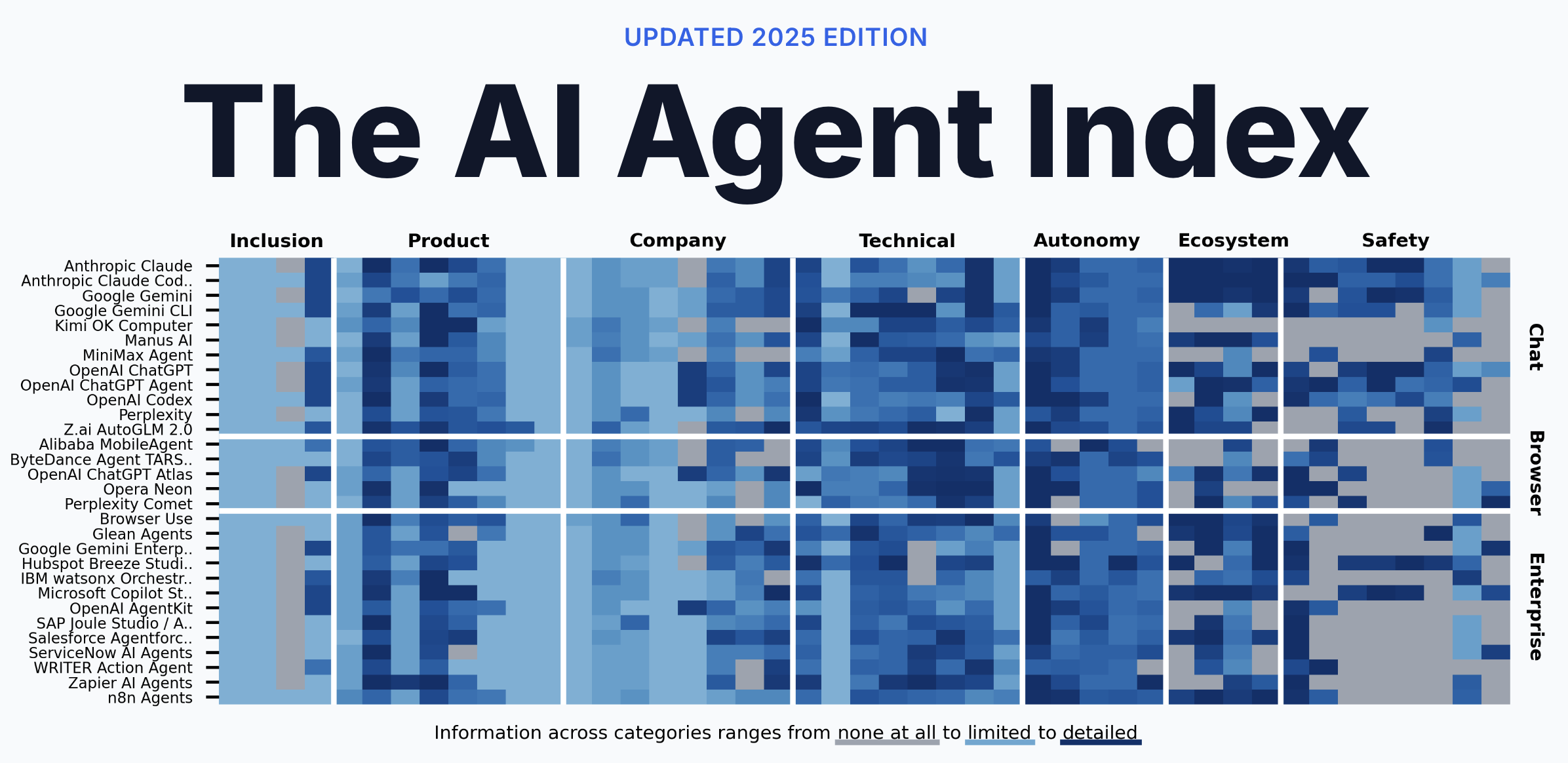
The 2025 AI Agent Index
Agentic AI systems are increasingly capable of performing complex tasks with limited human involvement. The 2025 AI Agent Index documents the origins, design, capabilities, ecosystem, and safety features of 30 prominent AI agents based on publicly available information and correspondence with developers.
Agent Plugins
A portable package format for reusable components that extend AI agents.
Agents First
Every product is getting a second customer — the human who pays, and the agent who decides. A design framework for building products that AI agents can use as primary consumers.
Introduction to Agents
Discover what actually works in AI. Join millions of builders, researchers, and labs evaluating agents, models, and frontier technology through crowdsourced benchmarks, competitions, and hackathons.

The argument against AI agents and unnecessary automation
Opinion: OpenAI's Operator a solution in search of a problem

AI

AI research, critical perspectives, agent design, digital humanities. How AI systems work, their embedded values, and the thinking around building agentic systems.

Agency and Agents
ГАЛЬВАНИЗАЦИЯ АВТОРА, ИЛИ ЭКСПЕРИМЕНТ С НЕЙРОННОЙ ПОЭЗИЕЙ. Борис Орехов. «Новый мир» №6, 2018

Personal Online RL | 🌱 | Offprint
Approaching an unknown communication system by latent space exploration and causal inference | Royal Society Open Science | The Royal Society
Surya Narreddi

Permutation: Issue One