


Democratic theorists consider respect for pluralism, equality, and inclusion as cornerstones of good democratic citizenship. But what do ordinary citizens belie
Paradox of tolerance
The paradox of tolerance is a philosophical concept suggesting that if a society extends tolerance to those who are intolerant, it risks enabling the eventual dominance of intolerance, thereby undermining the very principle of tolerance. This paradox was articulated by philosopher Karl Popper in The Open Society and Its Enemies (1945), where he argued that a truly tolerant society must retain the right to deny tolerance to those who promote intolerance. Popper posited that if intolerant ideologies are allowed unchecked expression, they could exploit open society values to erode or destroy tolerance itself through authoritarian or oppressive practices.

Anti-democratic attitudes are highly contagious, new psychology study finds
The rise of anti-democratic sentiments might be driven by social contagion. Researchers have discovered that citizens often adapt their personal support for authoritarian rule to align with the political views of those around them.
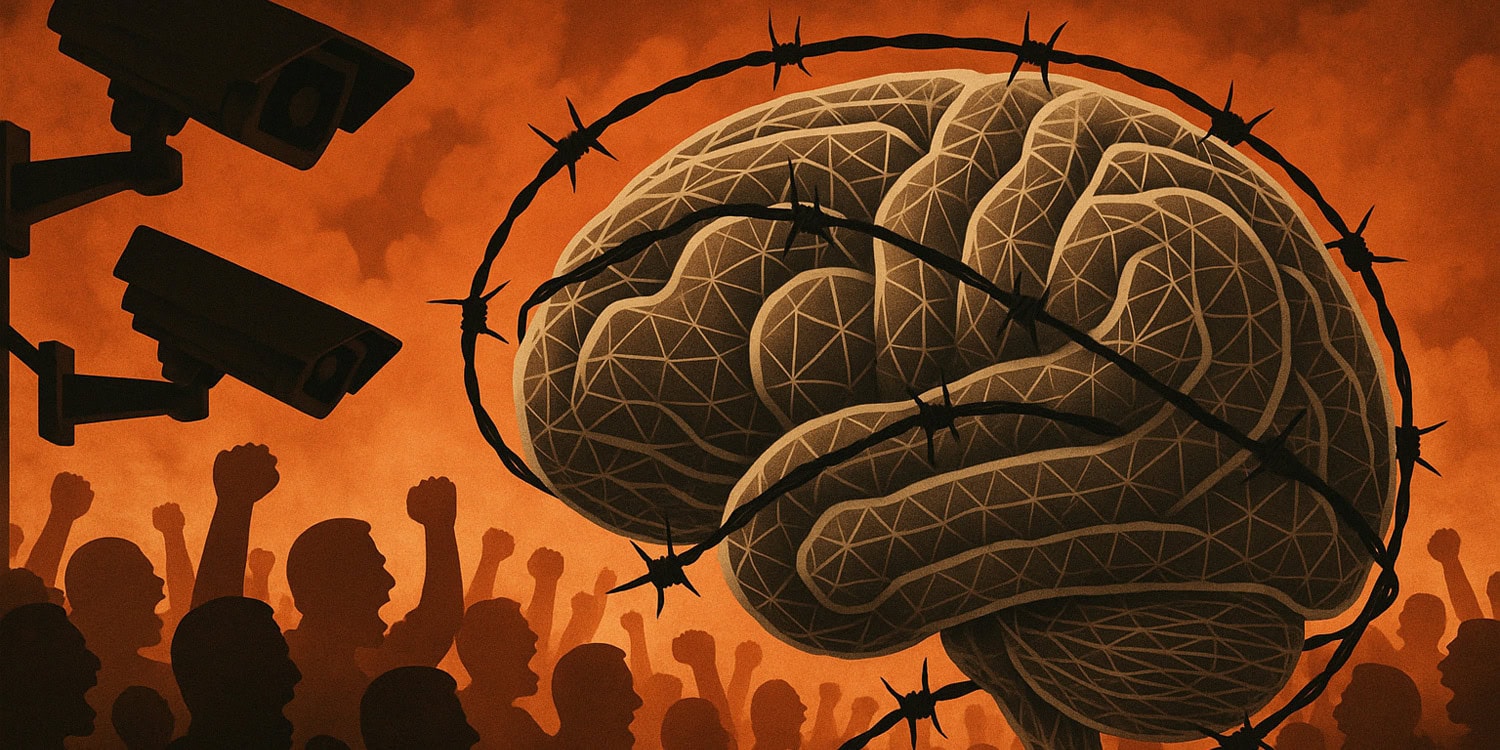
I Don't Know How To Explain To You That You Should Care About Other People
Our disagreement is not merely political, but a fundamental divide on what it means to live in a society.
Citizens Above the Law
The growing sovereign citizen movement reflects an America that has lost faith in its democratic institutions.

Home - Inspirit Foundation
We define pluralism as the energetic engagement with diversity, active seeking of understanding across lines of difference, and the nurturing of constructive dialogue that contributes to a deep sense of belonging. In a pluralist society, people of different beliefs and backgrounds can participate equally, coexist peacefully, and thrive together.
Moral Imperialism versus Class Solidarity
Individualism and imperialism define ruling class morality. Solidarity is the left's only answer.

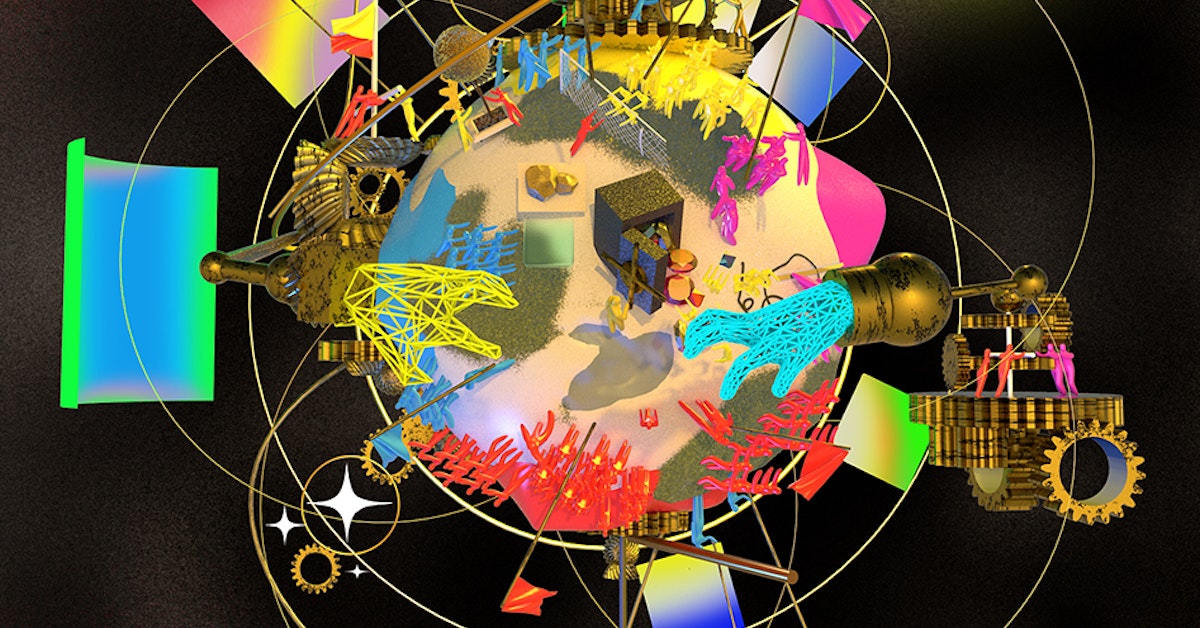
The New Planetary Nationalism
The realization of human embeddedness in Earth’s natural systems does not inevitably create a cosmopolitan politics oriented toward universal well-being.
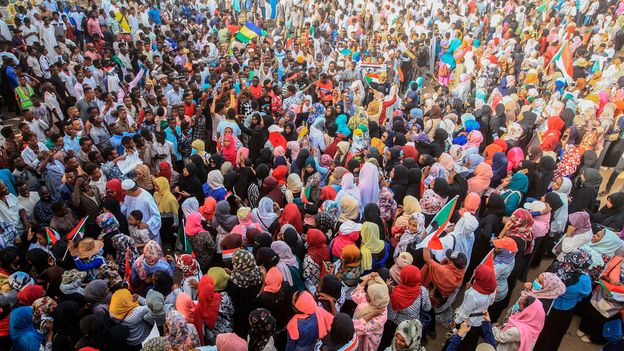
The '3.5% rule': How a small minority can change the world
Nonviolent protests are twice as likely to succeed as armed conflicts – and those engaging a threshold of 3.5% of the population have never failed to bring about change.
10 Principles of Disability Justice | Sins Invalid
INTERSECTIONALITY “We do not live single issue lives” –Audre Lorde. Ableism, coupled with white supremacy, supported by capitalism, underscored by heteropatriarchy, has rendered the vast majority of the world “invalid.”
Norms: An Integrated Framework
Norms are a foundational concept in sociology. Following a period of skepticism about norms as overly deterministic and as paying too little attention to social conflict, inequalities, and agency, the past 20 years have seen a proliferation of norms research across the social sciences. Here we focus on the burgeoning research in sociology to answer questions about where norms come from, why people enforce them, and how they are applied. To do so, we rely on three key theoretical approaches in the literature—consequentialist, relational, and agentic. As we apply these approaches, we explore their implications for what are arguably the two most fundamental issues in sociology—social order and inequality. We conclude by synthesizing and building on existing norms research to produce an integrated theoretical framework that can shed light on aspects of norms that are currently not well understood—in particular, their change and erosion.

Respectability politics
Respectability politics, or the politics of respectability, is a political strategy wherein members of a marginalized community will consciously abandon or punish controversial aspects of their cultural-political identity as a method of assimilating, achieving social mobility,[1] and gaining the respect of the majority culture.[2]
The Psychology of Normative Cognition
From an early age, humans exhibit a tendency to identify, adopt, andenforce the norms of their local communities. Norms are the socialrules that mark out what is appropriate, allowed, required, orforbidden in different situations for various community members. Theserules are informal in the sense that although they are sometimesrepresented in formal laws, like the rule governing which side of theroad to drive on, they need not be explicitly codified to effectivelyinfluence behavior. There are rules that forbid theft or the breakingof promises, but also rules that govern how close it is appropriate tostand to someone while talking to them, or how loud one should talkduring the conversation. Thus understood, norms regulate a wide rangeof activity. They exhibit cultural variability in their prescriptionsand proscriptions, but the presence of norms in general appears to beculturally universal. Some norms exhibit characteristics that areoften associated with morality, such as a rule that applies toeveryone and prohibits causing unnecessary harm. Other norms applyonly to certain people, such as those that delimit appropriateclothing for members of different genders, or those concerning theexpectations and responsibilities ascribed to individuals who occupypositions of leadership. The norms that prevail in a community can bemore or less fair, reasonable, or impartial, and can be subject tocritique and change.
Capitalism, Democracy, and Du Bois’s <em>Two</em> Proletariats
[epq-quote align="align-right"]"What can be more radical or liberating than freedom and justice for all?"[/epq-quote] As an ideal, liberal democracy has great appeal. What can be more radical or liberating than...
Citizenship (Amendment) Act, 2019
The Citizenship (Amendment) Act, 2019 (CAA) was passed by the Parliament of India on 11 December 2019. It amended the Citizenship Act, 1955 by providing an accelerated pathway to Indian citizenship for persecuted refugees of religious minorities from Afghanistan, Bangladesh and Pakistan who arrived in India by 2014. The eligible minorities were stated as Hindus, Sikhs, Buddhists, Jains, Parsis or Christians.[3][4] The law does not grant such eligibility to Muslims from these countries.[5][6][7] Additionally, the act excludes 58,000 Sri Lankan Tamil refugees, who have lived in India since the 1980s. The act was the first time that religion had been overtly used as a criterion for citizenship under Indian law, and it attracted global criticism.[7][a][b][c]
Citizen Participation (@oliverescobar.bsky.social)
Professor of Public Policy and Democratic Innovation | University of Edinburgh | Working on #democracy #participation #deliberation #commons #governance #power #research | RT≠ endorse | Own views | Profile: https://www.sps.ed.ac.uk/staff/oliver-escobar

Social Norms and Cultural Evolution

A collection of ideas to do with social norms, cultural evolution, and how we learn from others

AI as Social Technology: Astor Lecture by Professor Henry Farrell

Bayesian Inference of Social Norms as Shared Constraints on Behavior

What people learn from punishment: A cognitive model

Spurious normativity enhances learning of compliance and enforcement behavior in artificial agents
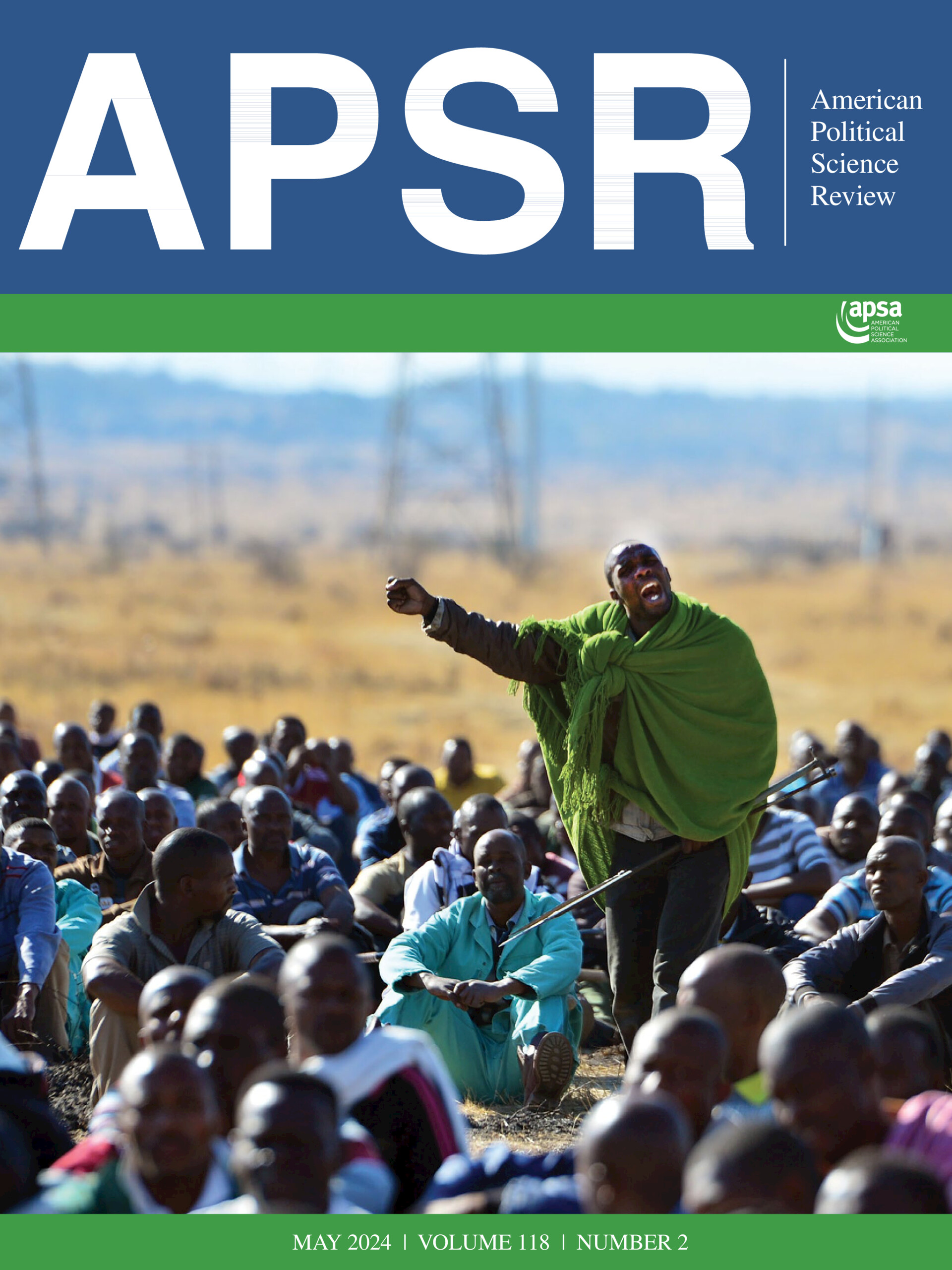
Deference, Dissent, and Dispute Resolution: An Experimental Intervention Using Mass Media to Change Norms and Behavior in Rwanda
How Does Media Influence Social Norms? Experimental Evidence on the Role of Common Knowledge