


2 linkblog notes · 4 Bluesky posts · 2 margin.at saves · 4 Semble saves
On Learning to Ride Your Brain
Your brain is already a bicycle, AI is a motorcycle, a regular computer is power tools
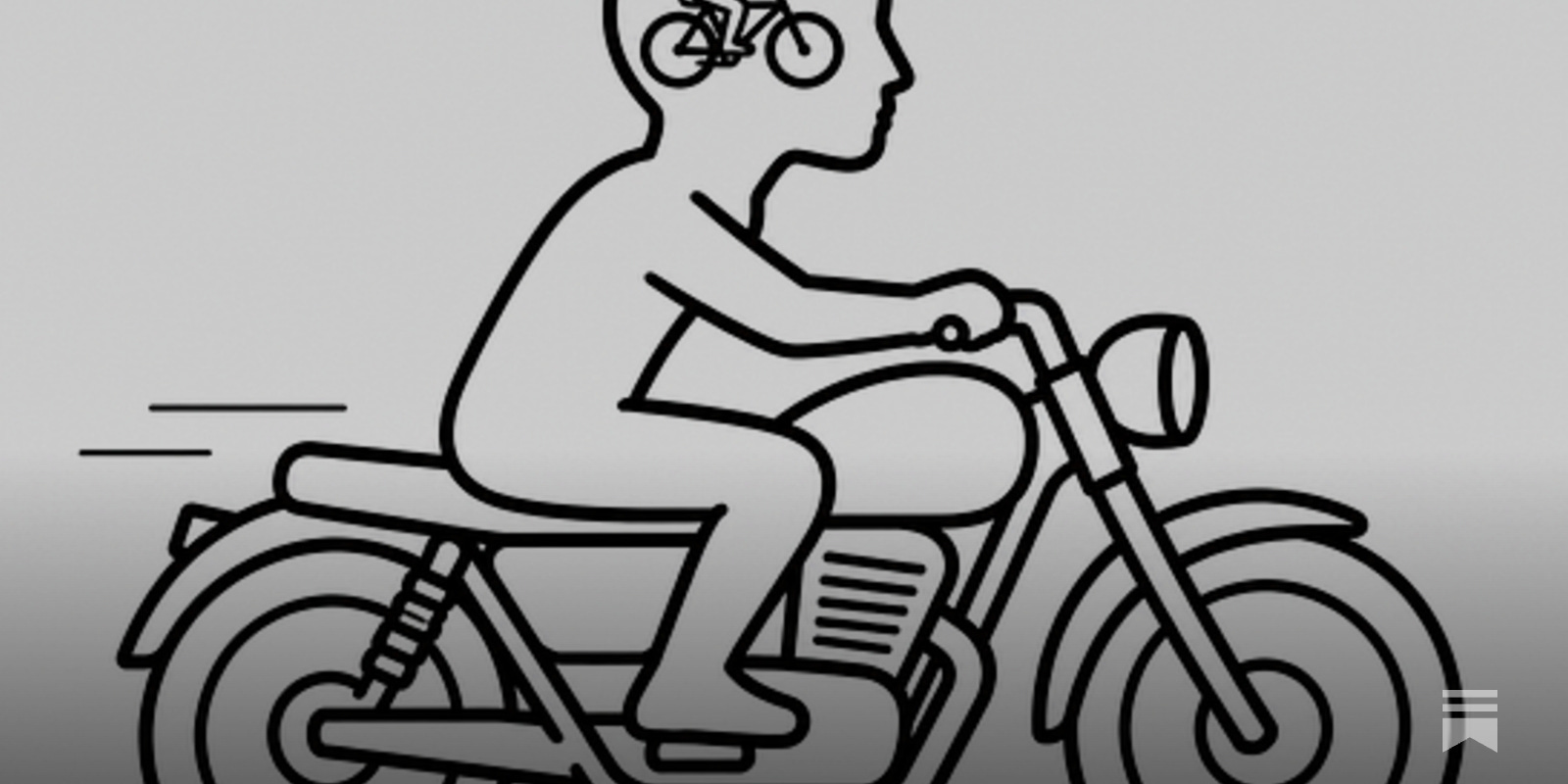
Learning to Learn: You, Too, Can Rewire Your Brain (Published 2017)
How an engineering professor who “flunked my way” through high school math and science went on to create the world’s most popular online course.

This Is Your Brain on Podcasts (Published 2016)
Different people’s brains absorb a compelling story in the roughly the same complicated pattern, using many parts of the brain, researchers found.

Sources — Belshaw Brain Archive
These blogs are now archived and redirect here. Doug currently writes at Substrate, a digital garden of notes, ideas, and reflections.
Sources — Belshaw Brain Archive
These blogs are now archived and redirect here. Doug currently writes at Substrate, a digital garden of notes, ideas, and reflections.
neuroexam.com - Oxford Learning Link
Smoke-away on Twitter / X
Andrej Karpathy: "What you want is the inner thought monologue of your brain... The trajectories in your brain as you're doing problem solving, if we had a billion of that, AGI is here roughly speaking." pic.twitter.com/C0kBUITPBv— Smoke-away (@SmokeAwayyy) October 18, 2024

NeuroAI’s Next Steps: Balancing Computation and Embodiment
Deep neural networks trained at scale now predict neural activity across sensory cortices, raising a question that divides neuroscience: does the convergence between artificial and biological representations constitute understanding, or does understanding require models of biological processes grounded in the embodied, evolved character of natural intelligence? In this Dual Perspectives article, Bing Brunton and Patrick Mineault articulate two research programs—Process and Convergence—to engage this question about the future of NeuroAI research. The conversation is organized around four questions that probe what scaled model–brain alignment reveals, what the brain is coupled to and evolved to do, what success beyond the lab looks like, and where the field should invest over the coming decade. Their exchanges reveal the distance between the two programs to be primarily about the level of analysis and priorities for what to build next. The conversation converges on shared ground: measure broadly, then distill to causal principles.
Philosophy Tube
Philosophy Tube
Building a Second Brain: The Definitive Introductory Guide
This is an introduction to Building a Second Brain, the proven method to organize your digital life and unlock your creative potential
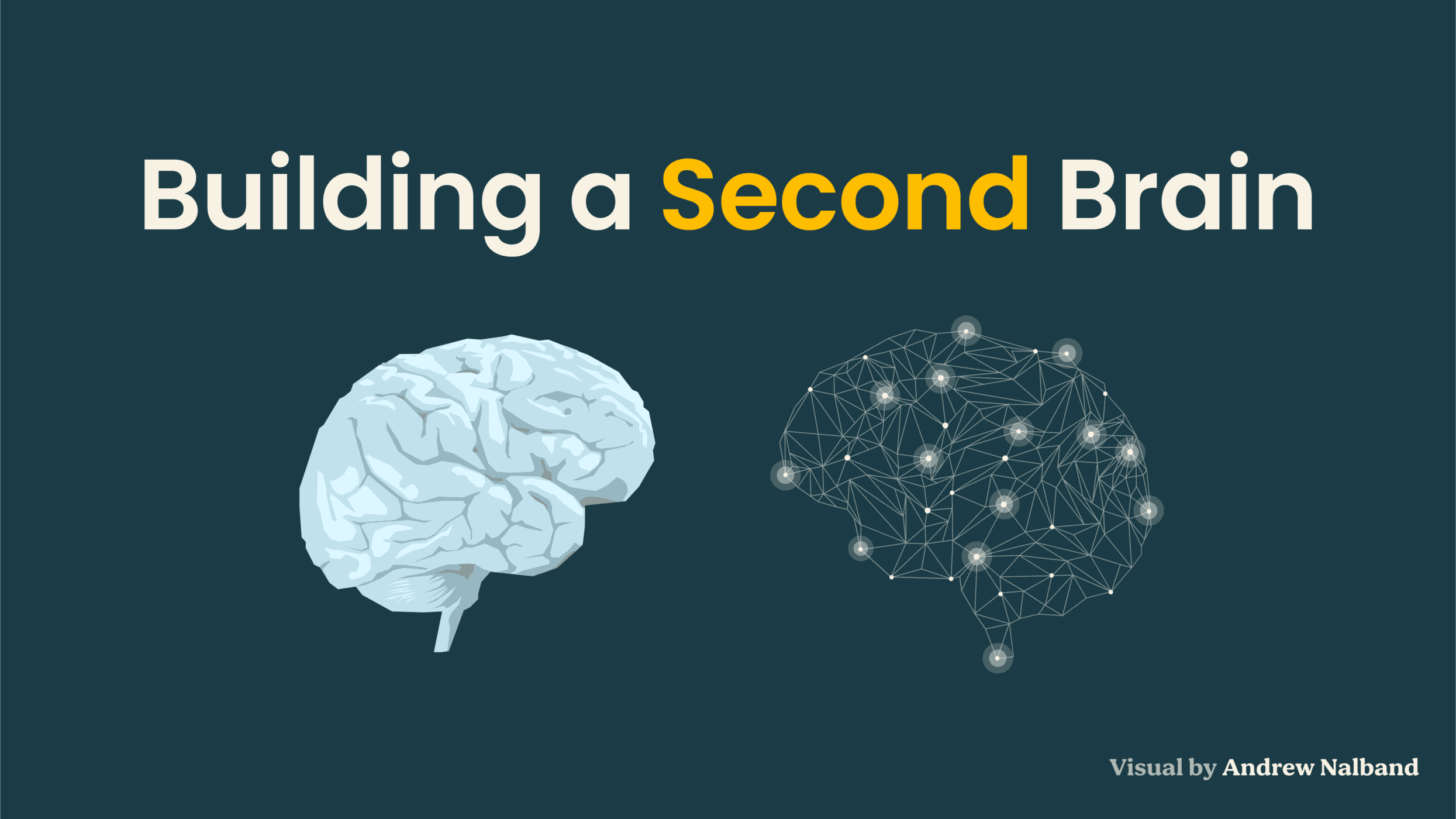
Building a Second Brain: The Definitive Introductory Guide
This is an introduction to Building a Second Brain, the proven method to organize your digital life and unlock your creative potential
Brainrot: Deskilling and Addiction are Overlooked AI Risks | Proceedings of the 2026 ACM Conference on Fairness, Accountability, and Transparency
As part of the Digital Library's transition to Open Access, new features for researchers are available in the Premium Edition. Click here to learn more.

The Cognitive Debt of Digging Through Preprints
Your Brain on MIT Media Lab

Neuroscience, Cognition & Psychology

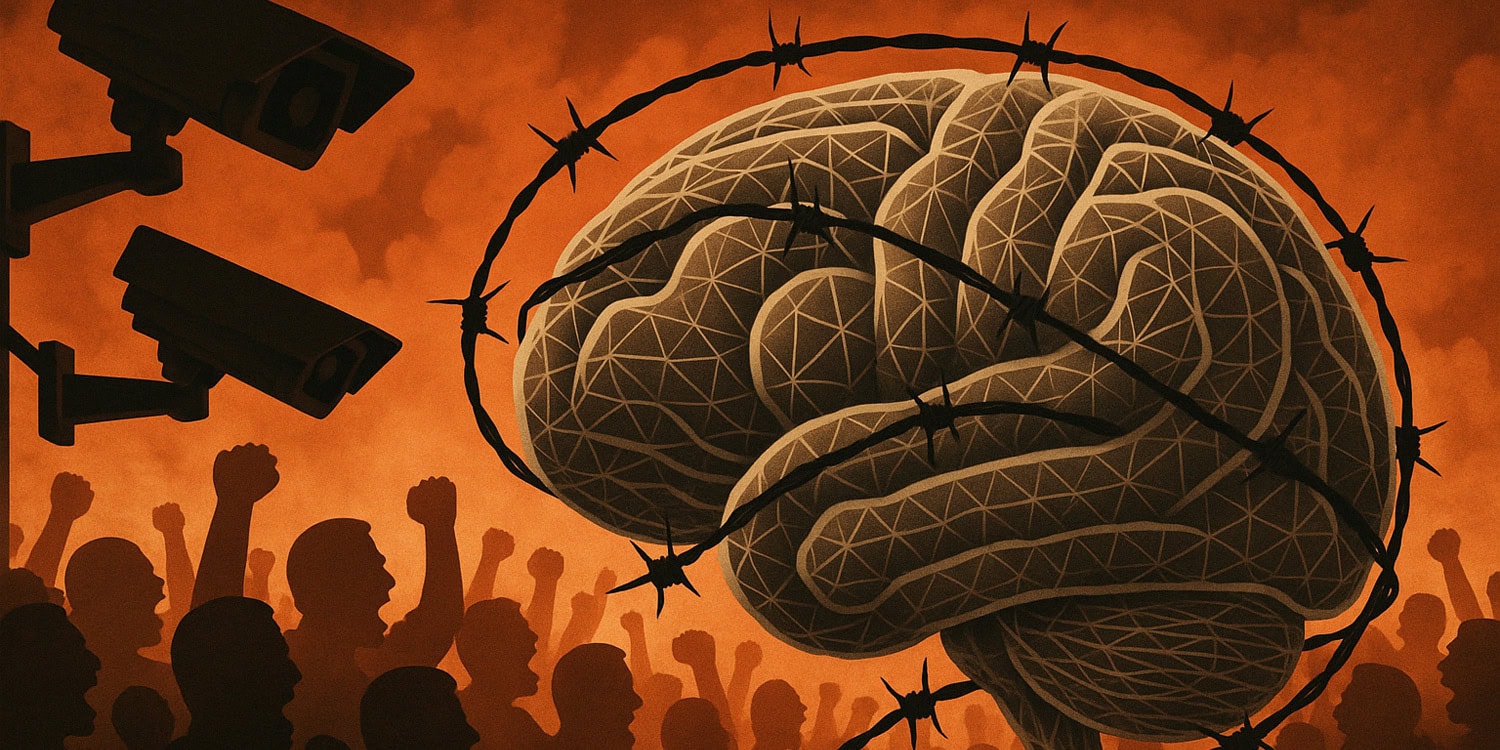
Anti-democratic attitudes are highly contagious, new psychology study finds
Hyperactive–impulsive ADHD traits predict higher curiosity in adults: evidence from a cross-sectional study
Understanding the influence of digital technology on human cognitive functions: A narrative review

How the hypercuriosity of ADHD may have helped humans thrive | Aeon Essays
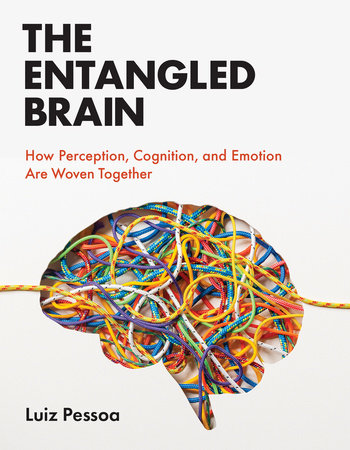
The Entangled Brain: How Perception, Cognition, and Emotion Are Woven Together