
How to catch the market at the right time
SaaS Marketing: 41+ Strategies That Work | Apollo Digital
What SaaS marketing really is, plus 41+ strategies that grow MRR: SEO, content, product-led growth, and the channels worth your budget. A practical playbook.
Prediction Marketing
The prediction market boom is liquidity extraction before a liquidity crisis.

Why Almost Everyone Loses—Except a Few Sharks—on Prediction Markets
A WSJ analysis shows a small number of accounts on Polymarket and Kalshi—often pros using data-driven algorithmic trading—take home most of the winnings.

How to Survive the Long, Slow SaaS Ramp of Death
There can be some really exciting days when you’re building a SaaS company, but the large majority are a slog. Just one foot in front of the other, slowly trudging your way up the hill in the muck. The hockey-stick growth you’ve envisioned feels laughably far away. Amazingly, you are growing every month, but it’s just…so…tedious. This, my friends, is the long, slow SaaS ramp of death. It’s perfectly normal and par for the course for the large majority of SaaS companies.

How to Choose the Right Forecasting Technique
What every manager ought to know about the different kinds of forecasting and the times when they should be used.

SaaS Financial Model: Our Templates for Modeling & Growth
How to build a SaaS financial model you'll actually use: operating model, revenue forecast, hiring plan, scenarios, and forecast vs actuals.

When to Design for Emergence
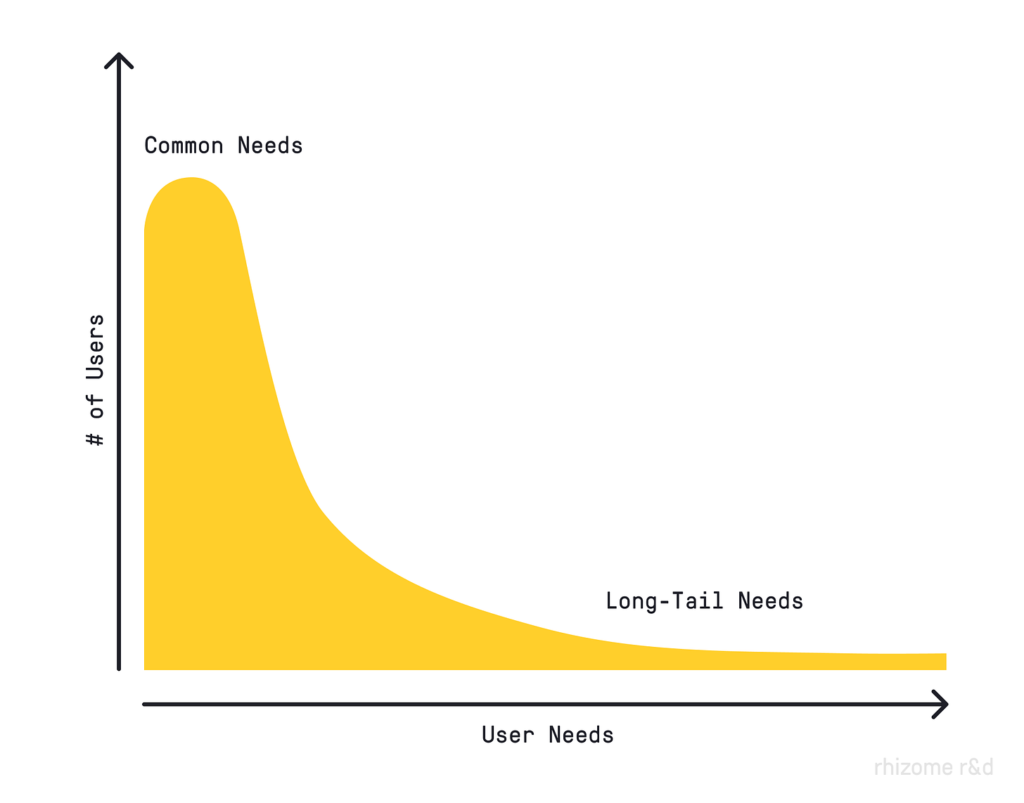
Market applications on the long-tail of user needs

SaaS business model: How do SaaS businesses work? | Stripe
Why is SaaS taking over the world? Learn about the SaaS business model, why SaaS businesses work, and how to grow them.
Lessons from building and growing an open source SaaS
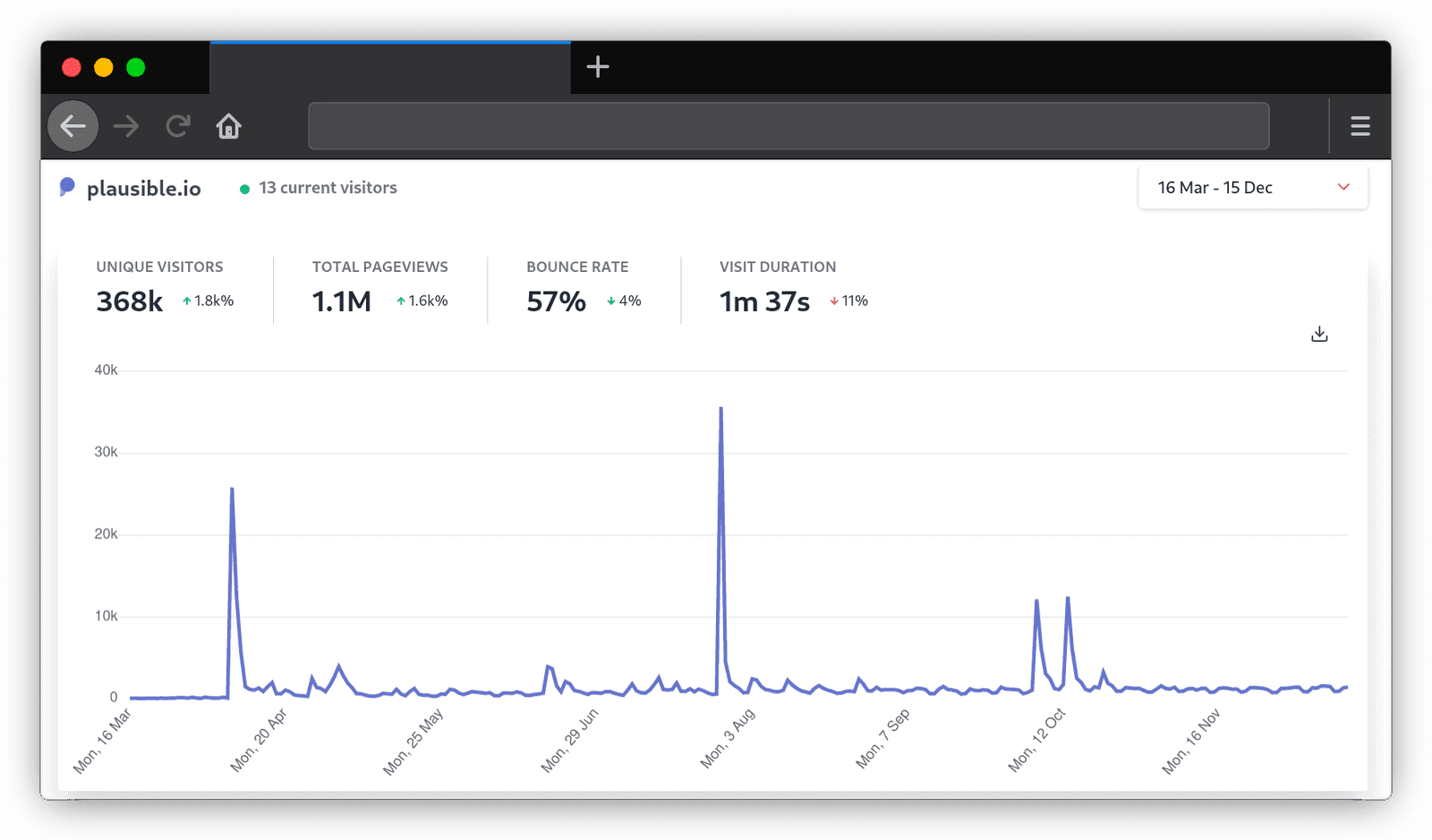
Here are some lessons learned from building and growing an open source SaaS startup in the highly competitive web analytics market.
Advertising as a Reminder: Evidence from the Dutch State Lottery
We show that advertising can act as a reminder for consumers who intend to buy a product. , Consumers who intend to buy a product may forget to do so because they suffer from limited attention. Therefore, they may value being reminded by an advertisement. This reminder effect of advertising could be important in many markets but is usually difficult to document. We study it in the context of buying a product that has existed for almost 300 years: a ticket for the Dutch State Lottery. This context is particularly suitable for our analysis because the product is simple, it is very well known, and there are multiple fixed and known purchase cycles per year. Moreover, radio and TV advertisements are designed explicitly to remind consumers to buy a lottery ticket before the draw. This can conveniently be done online. We develop an approach to distinguish reminder effects of advertising from other effects, such as conveying information about the size of the jackpot. The key idea is that reminder effects are short lived. We use minute-level advertising and online sales data and find that the reminder effect of advertising is strong. Reaching 1% of the population by a radio advertisement leads to an increase in online sales of 1.55% in the four hours after the advertisement is aired. For TV advertisements, the increase is 0.78%. We show that the effects generally last longer for radio advertisements. We also provide direct evidence that reminding consumers not only affects the timing of purchases but also leads to market expansion. Finally, we estimate a model of consumer behavior under limited attention to quantify the effect on total sales. We find that total sales would be 16.7% lower without the reminder effect of advertising and that shifting advertising to the week of the draw would lead to a 9.2% increase in sales. History: Puneet Manchanda served as the senior editor and Günter Hitsch served as associate editor for this article. Supplemental Material: A replication package with code and log files and an Online Appendix are available at https://doi.org/10.1287/mksc.2022.1405 .

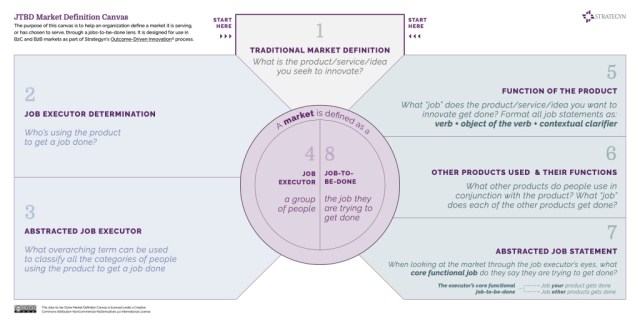
Steve Blank How to Find a Market? Use Jobs-To-Be-Done as the Front End of Customer Discovery
Modern entrepreneurship began at the turn of the 21st century with the observation that startups aren’t smaller versions of large companies – large companies at their core execute known business mo…
How I’ve Attracted The First 500 Paid Users For My SaaS That Costs $5/mo
You Don’t Have To Get Covered on Large Blogs, Why Churn Rate is Surprisingly Low, Spend a Lot of Time At User Forum, etc..

SaaS Isn’t Dead. Sameness Is. - The Phoenix Architecture
Everyone suddenly wants to tell you SaaS is dead. The Klarna-replaced-Salesforce story spread because it fit the mood, whatever the exact boundary between “…
Wave: Small Business Software - Wave Financial
Create beautiful invoices, accept online payments, and make accounting easy—all in one place—with Wave’s suite of money management tools.

How to Hire a Great Marketing Person - Noah Kagan
I got this question asked and figured others might be curious on how I do it. The challenge about marketing output is that it’s not always numbers based and the ROI isn’t immediate. With that being said I think it can be and here’s how I would solve how to find and how to know […]