

What if another operating system isn't the solution to anything at all? What if device-level identity could tie into existing systems to help pull users out of walled gardens, rather than creating new gardens?
Finally, Our Own OS – Oh Yes!
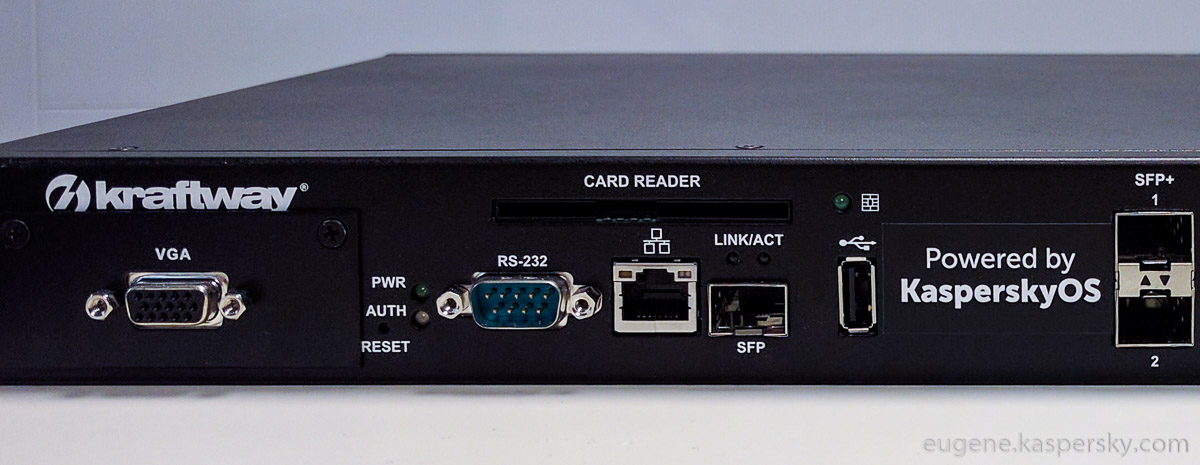
At last – we’ve done it! I’ve anticipated this day for ages – the day when the first commercially available mass market hardware device based our own secure operating system landed on my desk.
Don't fork the ecosystem
Software can be rebuilt, because software is a machine. But a software ecosystem is not a machine. It is a living system.
Reimagining OSS Licensing and Commercialization with Fair Source - Adam Jacob, System Initiative
Genode - Genode Operating System Framework
We understand the complexity of code and policy as the most fundamental security problem shared by modern general-purpose operating systems. Because of high functional demands and dynamic workloads, however, this complexity cannot be avoided. But it can be organized. Genode is a novel OS architecture that is able to master complexity by applying a strict organizational structure to all software components including device drivers, system services, and applications. The Genode OS framework is an open-source tool kit for building highly secure component-based operating systems. It scales from embedded devices to dynamic general-purpose computing.
The Invisible OS
THE INVISIBLE OS – Every massive consumer technology business is selling the same thing: the removal of thought. In the end, convenience always wins. Dishwashers automated hours of domestic chores. GPS externalized our spatial memory. Calculators offloaded routine arithmetic. The pattern acceler...

The Invisible OS
THE INVISIBLE OS – Every massive consumer technology business is selling the same thing: the removal of thought. In the end, convenience always wins. Dishwashers automated hours of domestic chores. GPS externalized our spatial memory. Calculators offloaded routine arithmetic. The pattern acceler...

linuxkit/linuxkit
A toolkit for building secure, portable and lean operating systems for containers
Malleable software: Restoring user agency in a world of locked-down apps
The original promise of personal computing was a new kind of clay. Instead, we got appliances: built far away, sealed, unchangeable. In this essay, we envision malleable software: tools that users can reshape with minimal friction to suit their unique needs.

Why build Dusk OS?
Most modern operating systems can do whatever we want them to do. Why do we need another one? Simplicity.
What Even Is An OS Now?
Computers now work the way I thought they did when I was 8. What does computing look like when most applications have an audience of 1-2 people? I'm leaving Fly.io to build a phone for that world.
Identity is the Platform
This is the talk I gave at Mindtrek in Tampere, Finland. Slides are available here: http://factoryjoe.com/blog/2009/10/01/identity-is-the-platform/
Agents vs Operating Systems : The War That Could Kill Apps
code and tests aren't the moat. they never were. no need for agents to copy a project. forking was always an option. the moat of an oss project is its community, its governance, and its ecosystem connections. agents will never be able to replicate that. don't hide. let's build in the open, together
Alright, this is still a VERY early version of this idea. But presenting atmOS: a retro web-based "operating system" for interacting with AT Protocol atmos.smol.farm

atmOS
atmos.smol.farmNew OS

Building a next generation operating system Capabilities security model, RISC V, atproto service accounts (like iCloud), local first, agentic integration
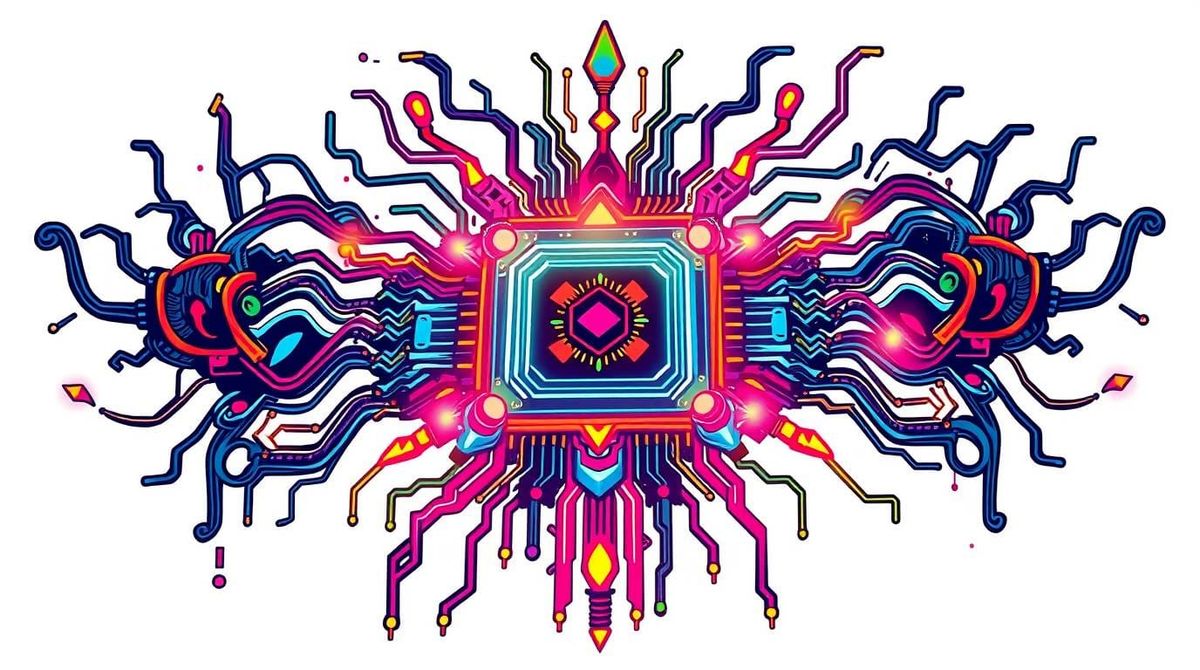
unikernels were hard. key word: were.
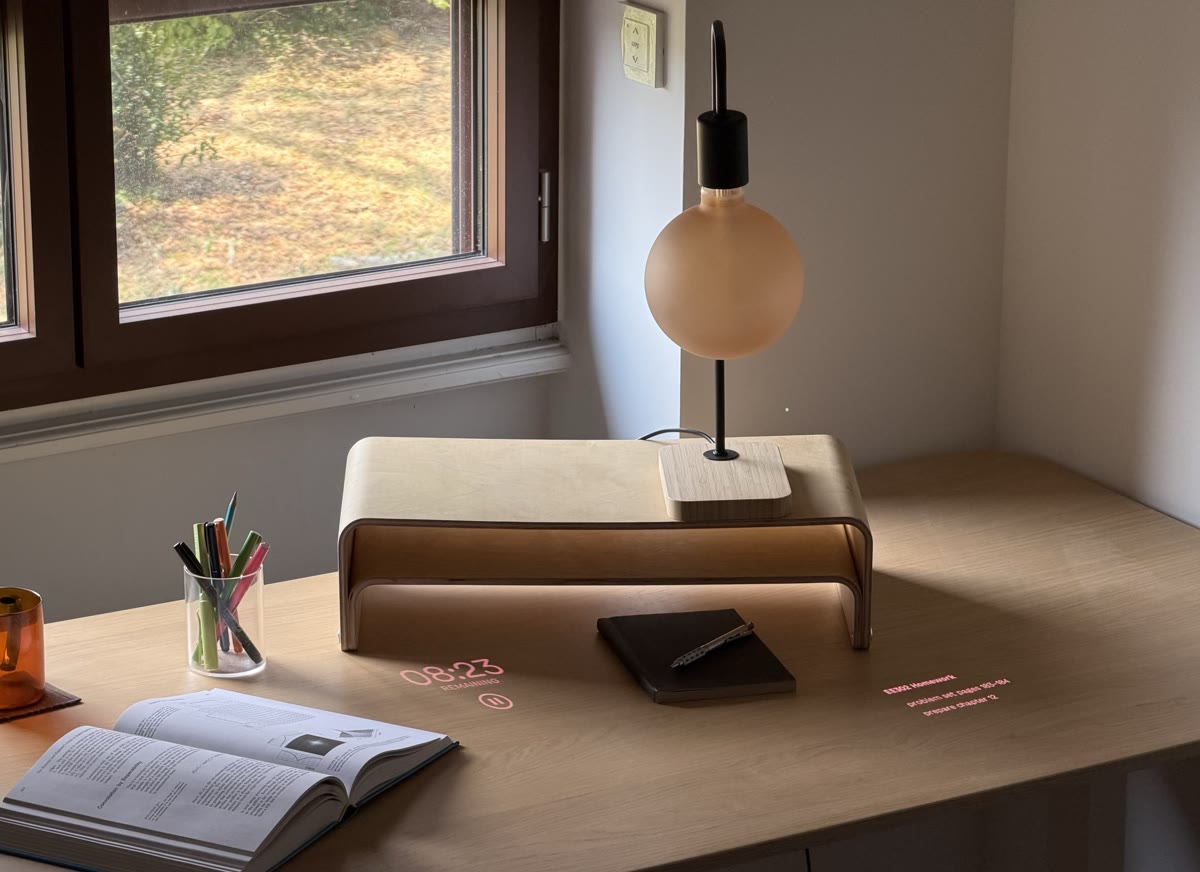
The Lightbulb Computer — Reimagining Spatial & Ambient Computing with Projectors
What Even Is An OS Now?

so that new Mac Studio and M5 Ultra have me thinking about 2030 now the wildcard on the $1200ish 2030 Mac Mini is RAM. who knows what the…
MercuryOS
inanimate-tech/resident

