


Business Development is a mysterious title for a little discussed function or department in most larger companies. It’s also a great way for an entrepreneur or small business to have fun, cre…
Customer development
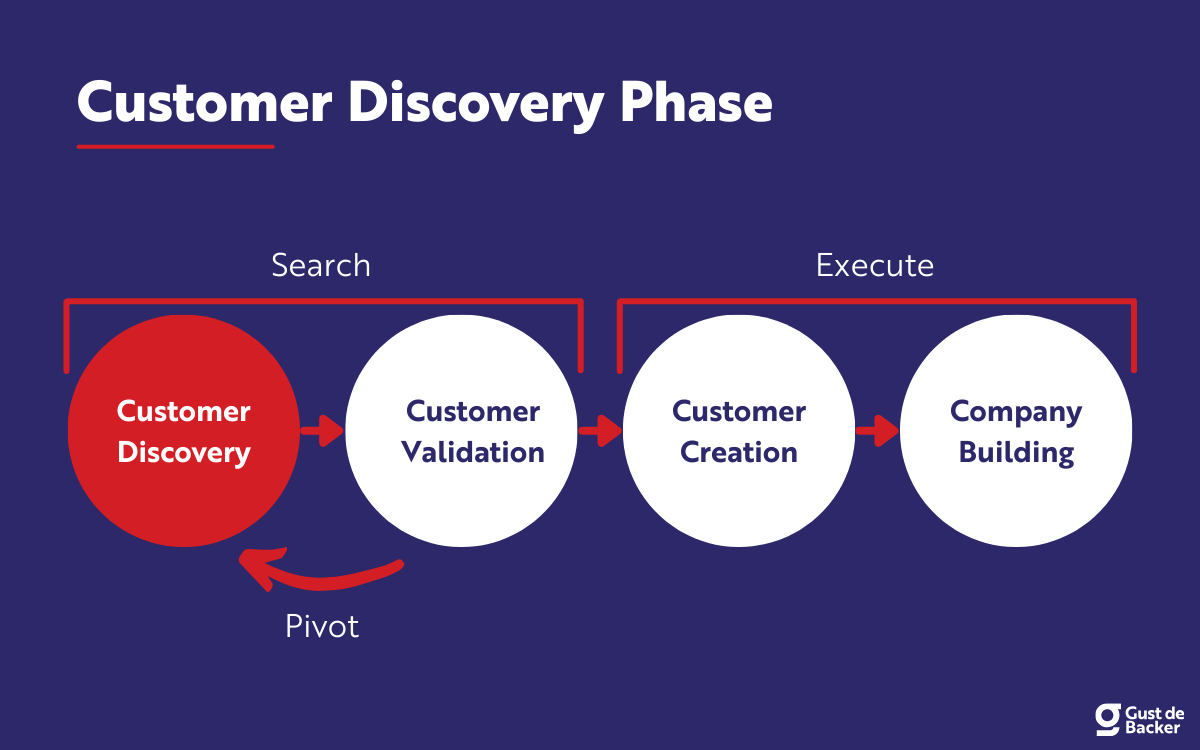
Customer development is a formal methodology for building startups and new corporate ventures. It is one of the three parts that make up a lean startup (business model design, customer development, agile engineering).[1]
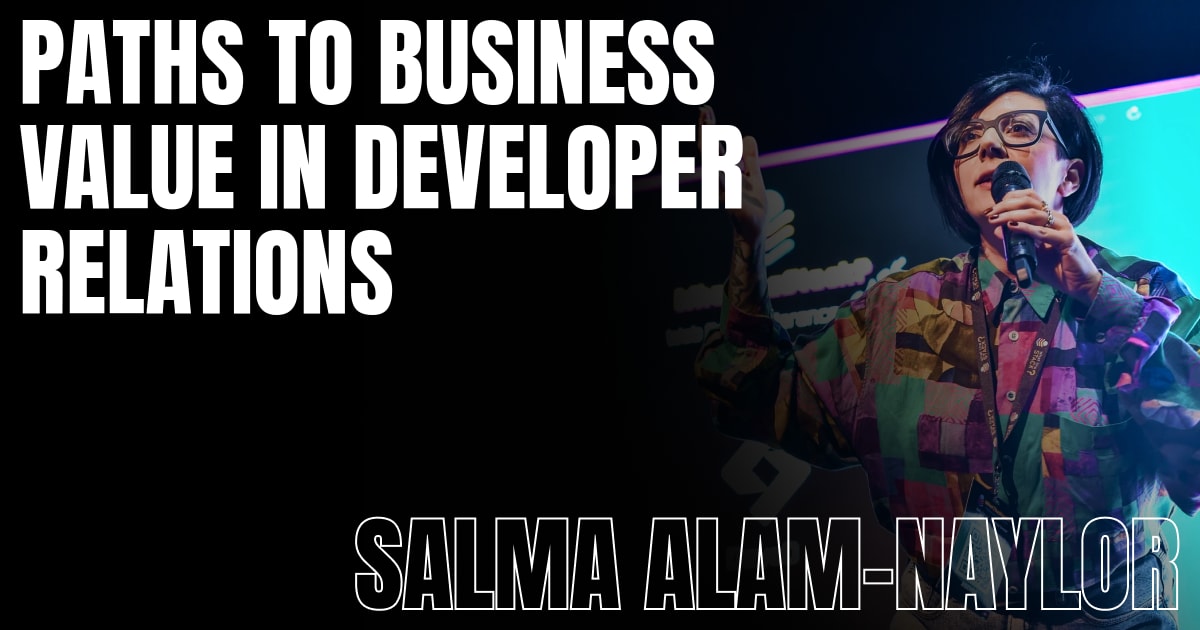
Paths to business value in Developer Relations
DevRel is not content creation, but centred on helping developers solve problems and build better software through building real apps with real users.
Making Business Personal
Business can be a form of activism, art, spirituality, and creative expression.

What is developer relations?
The introduction to what developer relations is and why companies invest in it.
Nearly half as many people are launching businesses as 20 years ago
According to a study conducted by BDC in collaboration with the Université de Montréal, not enough people are starting businesses to replace those closing their doors
Purpose Ventures - Purpose
Conventional VC is often at odds with the ambitions of purpose-driven entrepreneurs and their founding values and missions. These founders are interested in more than growth for growth’s sake. They want to build lasting, impactful businesses and preserve their mission in the future.
V_labs 4 Phases: Explore
The explore phase uncovers concrete venture opportunities by analyzing markets, customer needs, trends, and corporate capabilities for validation.
V_labs 4 Phases: Validate
In venture building, validation is key. We test hypotheses and prototype business ideas to ensure successful market fit and growth.
QuSpin Technology Takes Brain Scanning to the Next Level | Seed
NIH's SEED Fund: Small Business Innovation Research (SBIR) and Small Business Technology Transfer (STTR) Programs Plus entrepreneurial and product development support for academic and small business innovators
Business Model Innovation - an overview | ScienceDirect Topics
A developer's guide to releasing a game on Steam
If you're an independent developer who prefers a premium business model, there's an excellent chance that your business…
Reading Ethics: Professional Development
Ethical Development Reading List DRAFT Aim of this list – First, organization of the list according to rank/training and is…

Developer Experience is User Experience
Developer experience encompasses all aspects of the developer’s interaction with the company, its services and its products
Customer Discovery: in 4 steps from Idea to Validated Product [Guide] - Gust de Backer
You have an idea for a business. But... You don't want to build a business based on assumptions. Instead, you want to build a business based on validated assumptions so you're not just going to throw money away. I'm going to explain to you how the Customer Discovery phase of the Customer Development Process can be used to validate your…
Minimum Standards of Product Development
Fostering collaboration and continuous innovation

Know Your Customers’ “Jobs to Be Done”
Firms have never known more about their customers, but their innovation processes remain hit-or-miss. Why? According to Christensen and his coauthors, product developers focus too much on building customer profiles and looking for correlations in data. To create offerings that people truly want to buy, firms instead need to home in on the job the customer is trying to get done. Some jobs are little (pass the time); some are big (find a more fulfilling career). When we buy a product, we essentially “hire” it to help us do a job. If it does the job well, we hire it again. If it does a crummy job, we “fire” it and look for something else to solve the problem. Jobs are multifaceted. They’re never simply about function; they have powerful social and emotional dimensions. And the circumstances in which customers try to do them are more critical than any buyer characteristics. Consider the experiences of condo developers targeting retirees who wanted to downsize their homes. Sales were weak until the developers realized their business was not construction but transitioning lives. Instead of adding more features to the condos, they created services assisting buyers with the move and with their decisions about what to keep and to discard. Sales took off. The key to successful innovation is identifying jobs that are poorly performed in customers’ lives and then designing products, experiences, and processes around those jobs.
