

ceres: a small planet in a giant solar system
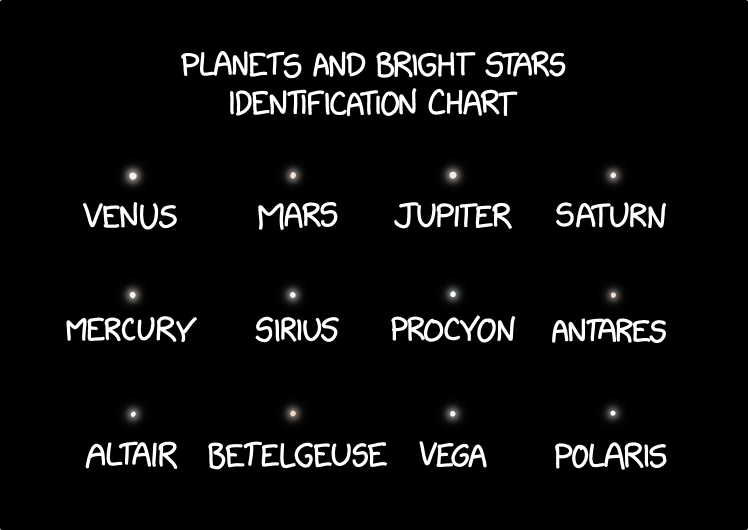
Planets and Bright Stars
This work is licensed under a Creative Commons Attribution-NonCommercial 2.5 License.
Solar System
The Solar System is the gravitationally bound system of the Sun and the masses that orbit it, most prominently its eight planets, of which Earth is one. The system formed about 4.6 billion years ago when a dense region of a molecular cloud collapsed, creating the Sun and a protoplanetary disc from which the orbiting bodies assembled.

The Cosmic Crash That Made the Moon
About 4.5 billion years ago, give or take, a planet the size of Mars slammed into the Earth. The Moon is what was left of the wreckage.

We need more tiny knowledge projects—here’s one
Crowdsourcing dynamic illustrations for a new astronomy book by Terry Tao and Tanya Klowden. The other day I was reading the sample chapter of a new book by Terence Tao and Tanya Klowden, on the so-called cosmic distance ladder. It’s a lovely piece of writing. The chapter tells the story of how Johannes Kepler, using data collected by Tycho Brahe, solved the puzzle of planetary motion. It puts us in the discoverers’ shoes: instead of working backwards from Kepler’s equations, we work forwards from the inexp

The Daily Planet #125 - The Daily Planet
Space to Grow — the privatisation of the solar system
A useful primer explains how cosmic exploration has been commercialised and explores the challenges in policing this new wild west

The Daily Planet #126: A Plausible Dystopia - The Daily Planet
The Coming Second Copernican Revolution | NOEMA
Astrobiology is rewiring our understanding of the intimate connection between life and planets as they appear in the universe.
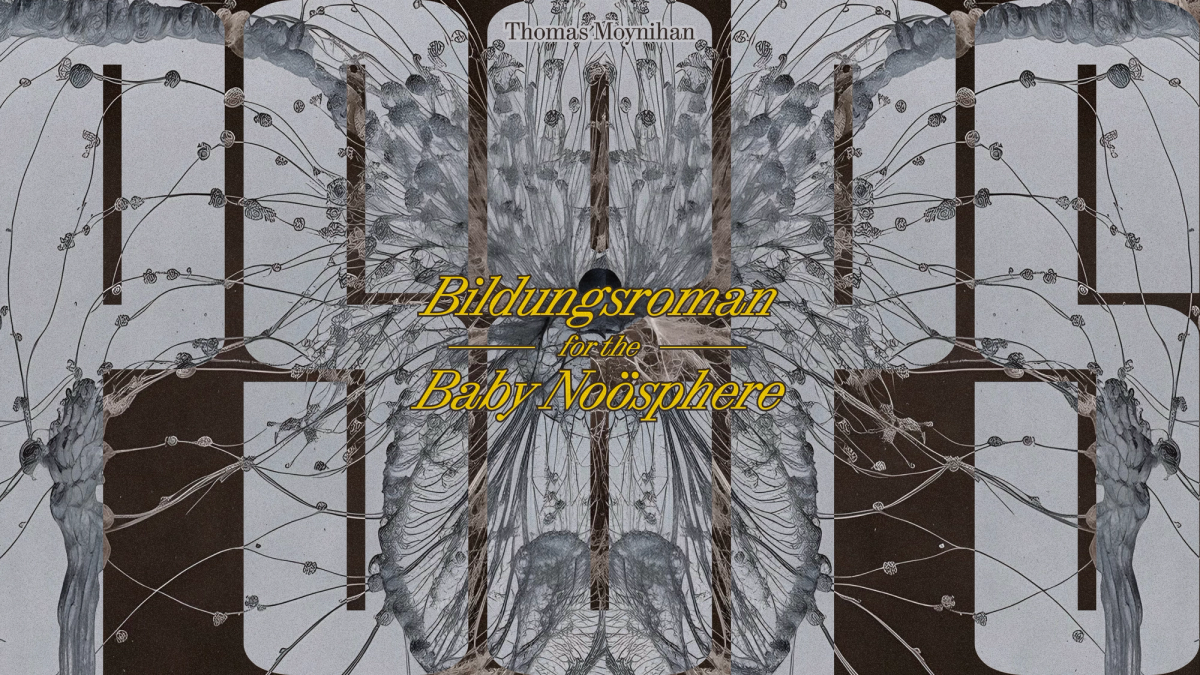
Planetary Sapience & Planetary Stupidity: a Bildungsroman for the Baby Noosphere | Antikythera
That is, the faculty of recollection and foresight? Until recently, I would argue, our planet was amnesiac. That is, no part of it was reflectively aware of the place of the present relative to the established past nor the expected future. But then peculiar animals emerged, capable—no matter how imperfectly—of cooperation, abstraction and invention. In the last blink of geologic time, through the collaboration of these animals with their increasingly cunning artifacts, this state of planetary amnesia has faltering begun being cured. That is, through our artifacts, our planet is becoming aware of its own unfolding biography. In our fallible attempts to model our world—alongside our growing legion of sensors—The Earth system has developed a way of recollecting its deepest past and tracking the changing complexities of its present so as to forecast its furthest future.

How To Mobilise | Inea Lehner
Galaxy
A galaxy is a system of stars, stellar remnants, interstellar gas, dust, and dark matter bound together by gravity. The word is derived from the Greek galaxias (γαλαξίας), literally 'milky', a reference to the Milky Way galaxy that contains the Solar System. Galaxies, averaging an estimated 100 million stars, range in size from dwarfs with less than a thousand stars, to the largest galaxies known – supergiants with one hundred trillion stars, each orbiting its galaxy's centre of mass. Most of the mass in a typical galaxy is in the form of dark matter, with only a few percent of that mass visible in the form of stars and nebulae. Supermassive black holes are a common feature at the centres of galaxies.

All Projects — GLOBAÏA
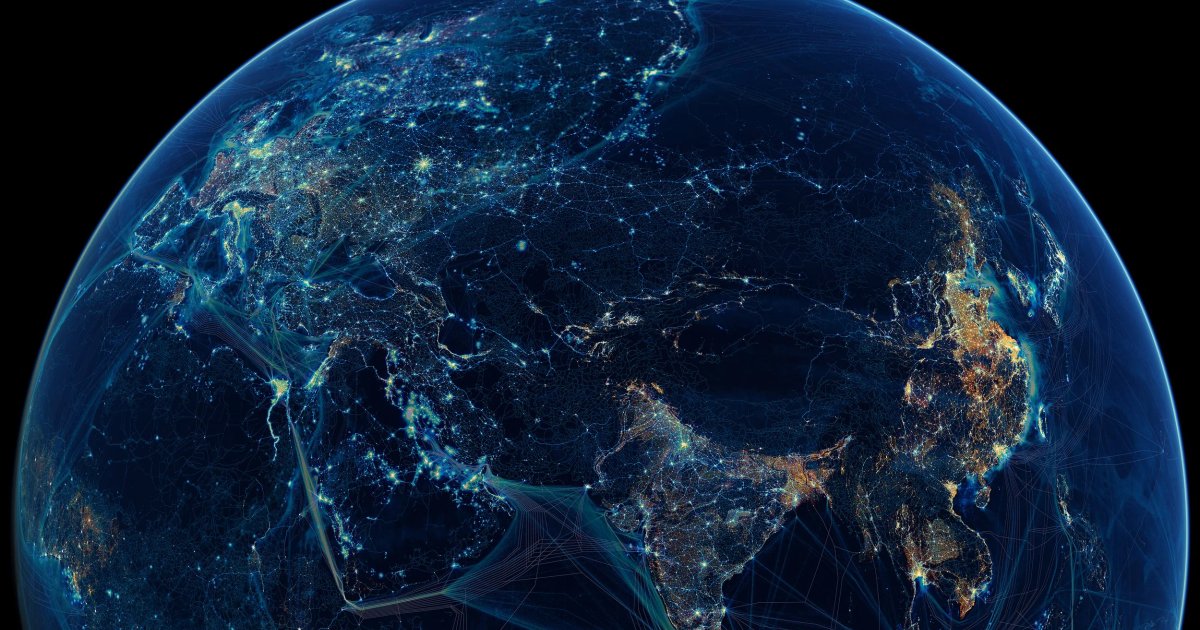
Explore GLOBAÏA's portfolio of planetary visualizations, interactive tools, and science communication projects.
The Daily Planet #119: On Deep Time - The Daily Planet

Commons Computer
@commonscomputer.com
Part of the #CommonsComputer project by @dwebyvr.org Visit the forum for more info forum.commonscomputer.com/c/commons-computer/11/none Admins: @bmann.ca @chadkoh.com @daffl.xyz @hyl.st
