


Conversations, turns, rounds, tools, agents and more!

LukeW | Agent Management Interface Patterns
As an increasing number of AI applications evolve to agents doing work for people, agent management becomes a critical part of these product's design. How can p...
The Landscape of Emerging AI Agent Architectures for Reasoning, Planning, and Tool Calling: A Survey
This survey paper examines the recent advancements in AI agent implementations, with a focus on their ability to achieve complex goals that require enhanced reasoning, planning, and tool execution capabilities. The primary objectives of this work are to a) communicate the current capabilities and limitations of existing AI agent implementations, b) share insights gained from our observations of these systems in action, and c) suggest important considerations for future developments in AI agent design. We achieve this by providing overviews of single-agent and multi-agent architectures, identifying key patterns and divergences in design choices, and evaluating their overall impact on accomplishing a provided goal. Our contribution outlines key themes when selecting an agentic architecture, the impact of leadership on agent systems, agent communication styles, and key phases for planning, execution, and reflection that enable robust AI agent systems.

AGENTS.md
AGENTS.md is a simple, open format for guiding coding agents. Think of it as a README for agents.

Agent Skills
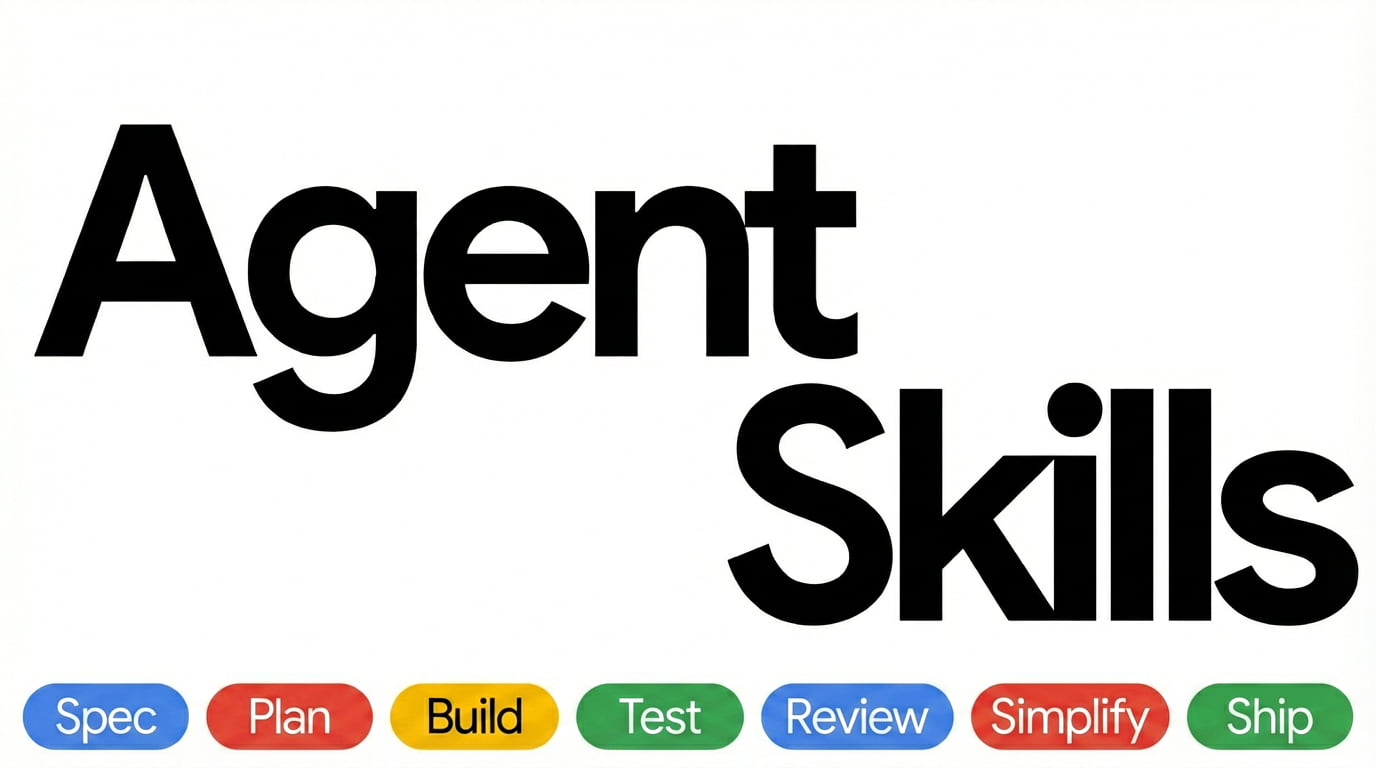
AI coding agents take the shortest path to done, which usually means skipping the specs, tests, and reviews that make software reliable at scale. Agent Skill...

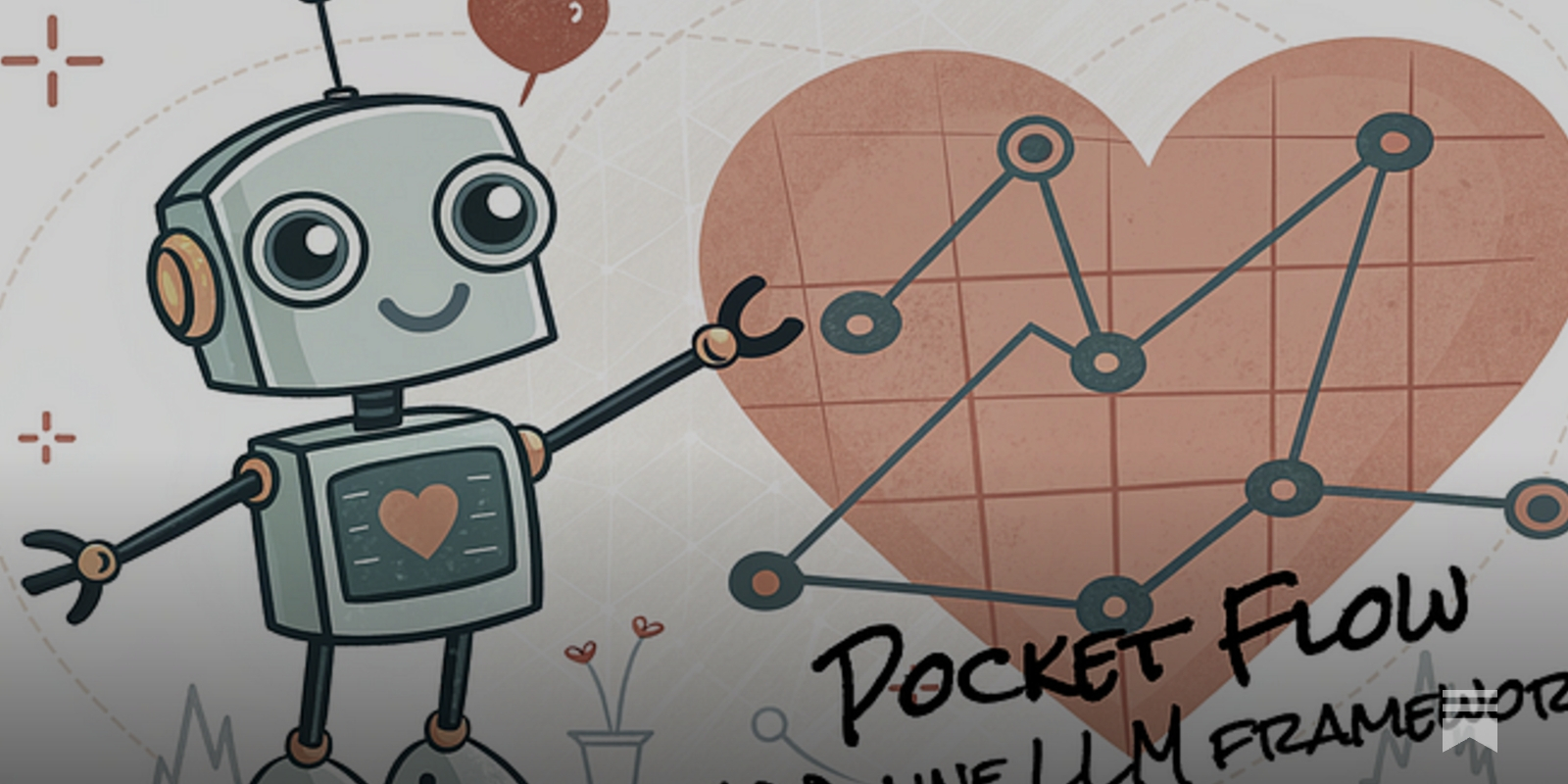
LLM Agents are simply Graph — Tutorial For Dummies
Ever wondered how AI agents actually work behind the scenes?
LLM Agents are simply Graph — Tutorial For Dummies
Ever wondered how AI agents actually work behind the scenes?
AI Agents: Key Concepts and How They Overcome LLM Limitations
An AI agent is an autonomous software entity that is often used to augment a large language model. Here's what developers need to know.

Agents as scaffolding for recurring tasks.
One of my gifts/curses is an endless fixation with how processes can be optimized. For a brief moment early in my career, that was focused on improving how humans collaborate, but that quickly switched to figuring out how we can minimize human involvement, and eliminate human-to-human handoffs as much as possible. Lately, every time I perform a recurring task–or see someone else perform one–I think about how we might eliminate the human’s involvement entirely by introducing agents. This both has worked well, but also worked poorly, and I wanted to highlight the pattern I’ve found useful.

Agent experience: How to design products that agents can actually use — WorkOS
What engineers and founders need to know about designing APIs, tools, and interfaces for agent-driven workflows
Agents

AI agents

Humans approve intent, machines prove conformance
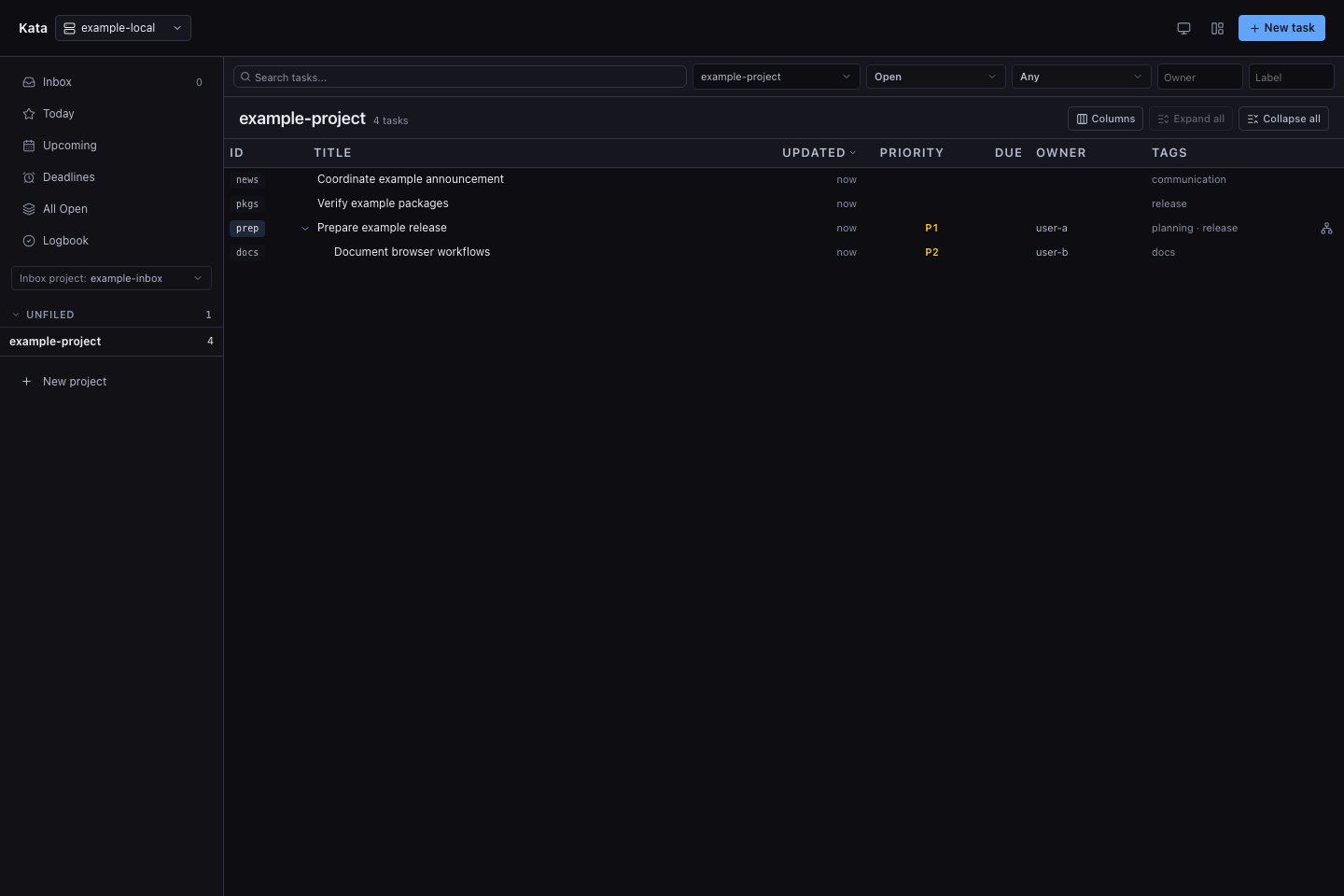
The issue tracker that runs inside the loop.
vitals — paseo.cafe
depatchedmode/oughta
robot.wtf — Memory for agents in a wiki for humans
Thoughts.md