


Adding deliberate friction back into development
It’s Time to Embrace Slow Productivity
We need fewer things to work on. Starting now.

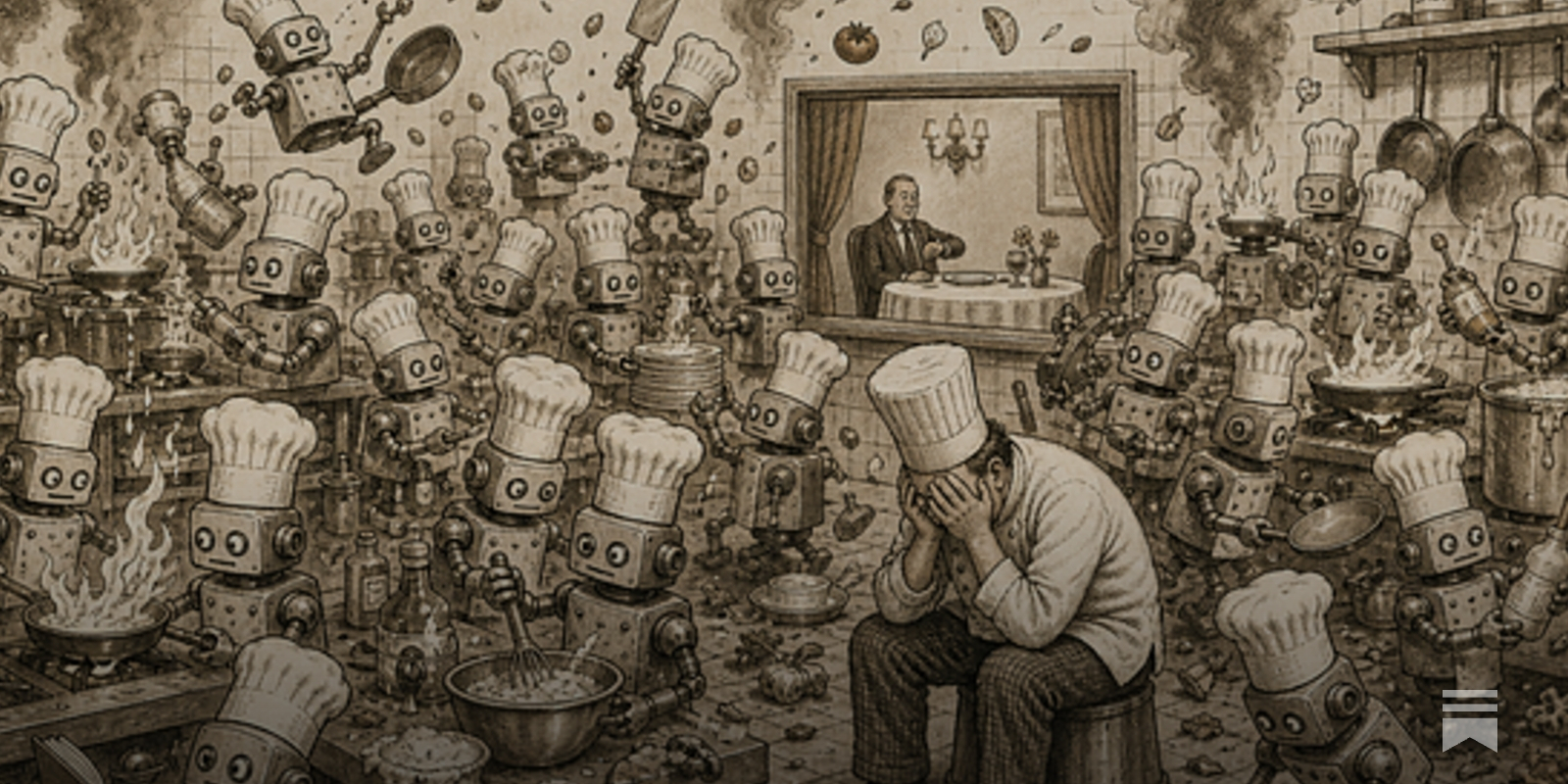
Maybe scientific progress isn’t slowing, after all
A new paper takes aim at the claim that science has become less disruptive

FRICTIONAL AI WORKSHOP
Topics of the Workshop In its third edition, this workshop builds on and expands its exploration of friction-in-design in AI systems, hosting a full-day event that challenges the pursuit of seamless, rapid interactions. In contrast to the conventional narrative that human over-reliance on AI stems
Tech companies are cutting jobs and betting on AI. The payoff is far from guaranteed
AI experts say we’re living in an experiment that may fundamentally change the model of work

AI fatigue is real and nobody talks about it | Siddhant Khare
You're using AI to be more productive. So why are you more exhausted than ever? The paradox every engineer needs to confront.
Making and Tool-Making
Bad tools as the main source of friction for Citybound development - and what I'm going to do about it.

‘AI fatigue’ is settling in as companies’ proofs of concept increasingly fail. Here’s how to prevent it | Fortune
Along with the excitement about the possibilities of generative AI is a great deal of pressure for leaders and employees participating in projects.

Technology is Not Values Neutral: Ending the Reign of Nihilistic Design
We fail to take tech seriously when we do not grasp its full impact on humans
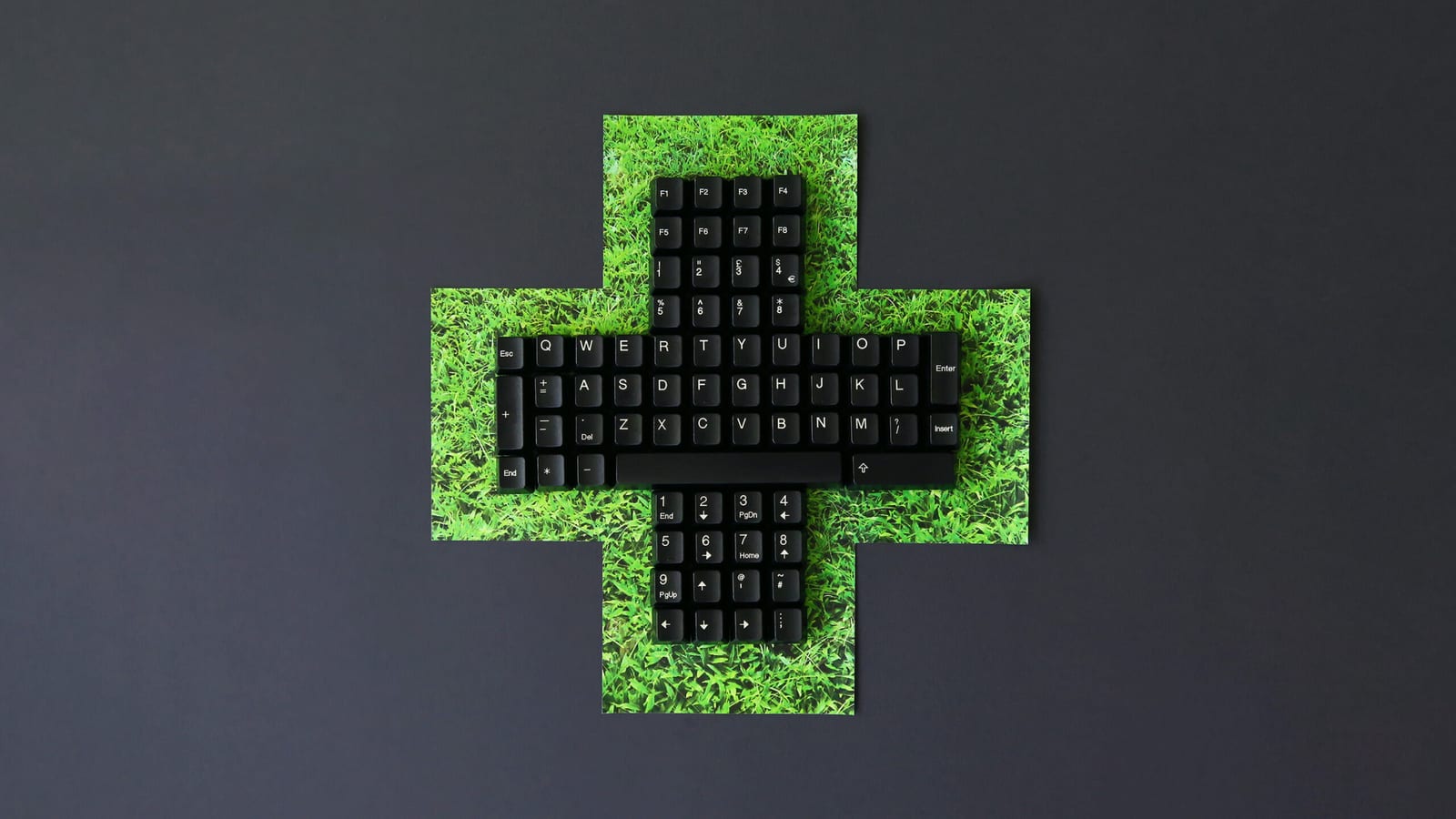
What happens when AI replaces the parts of work people love?
We’re using AI to move faster. I’m not yet convinced we’re using it to work better.

What Humanity Needs To Flourish In The Next Decade
We are headed toward a world of productivity without prosperity, execution without verification and capacity without constraint. But this outcome is not inevitable.

Models do not improve linearly (any more). New models improve more than expected on hard tasks. Now let's think about it a bit more. It means progress is directed towards the hard tasks. It also means the easier tasks improve less than expected. Which alphaxiv.org/abs/2608.00355
one of the reasons why I'm critical of "bigger models will solve this" is that cranking the output velocity of technician work sharpens the need for process work, which is the domain of expertise. process is incredibly hard to get right. most fields are bad at it. and it's *gaining* importance.

Ed
when it comes to LLMs, I have been trying to beat the technician/expert drum. LLMs are becoming master technicians, but they obviously lack integrative capabilities to deploy expertise. but I'm starting to realize that a lot of people don't understand, or don't value the difference.
friction is good

how friction and struggle help grow, learn, create, develop.
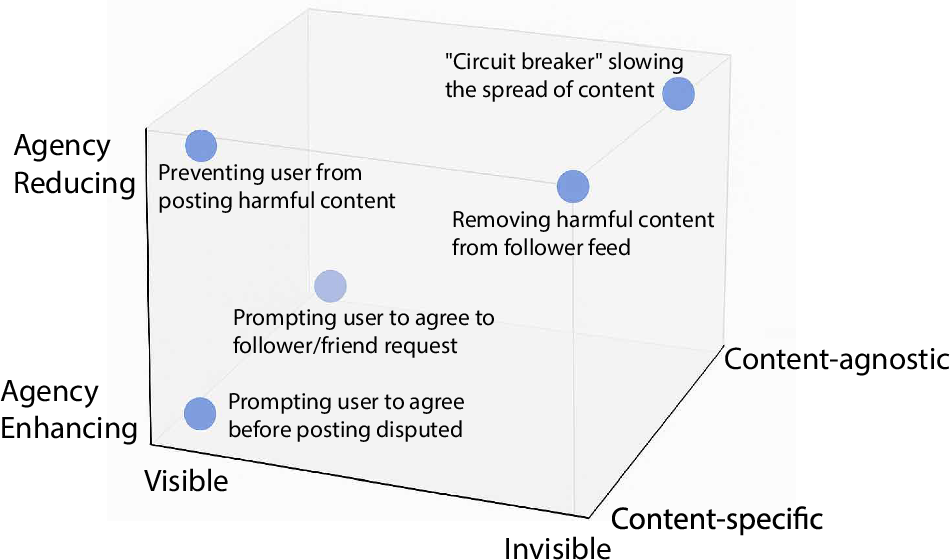
The case against efficiency: friction in social media
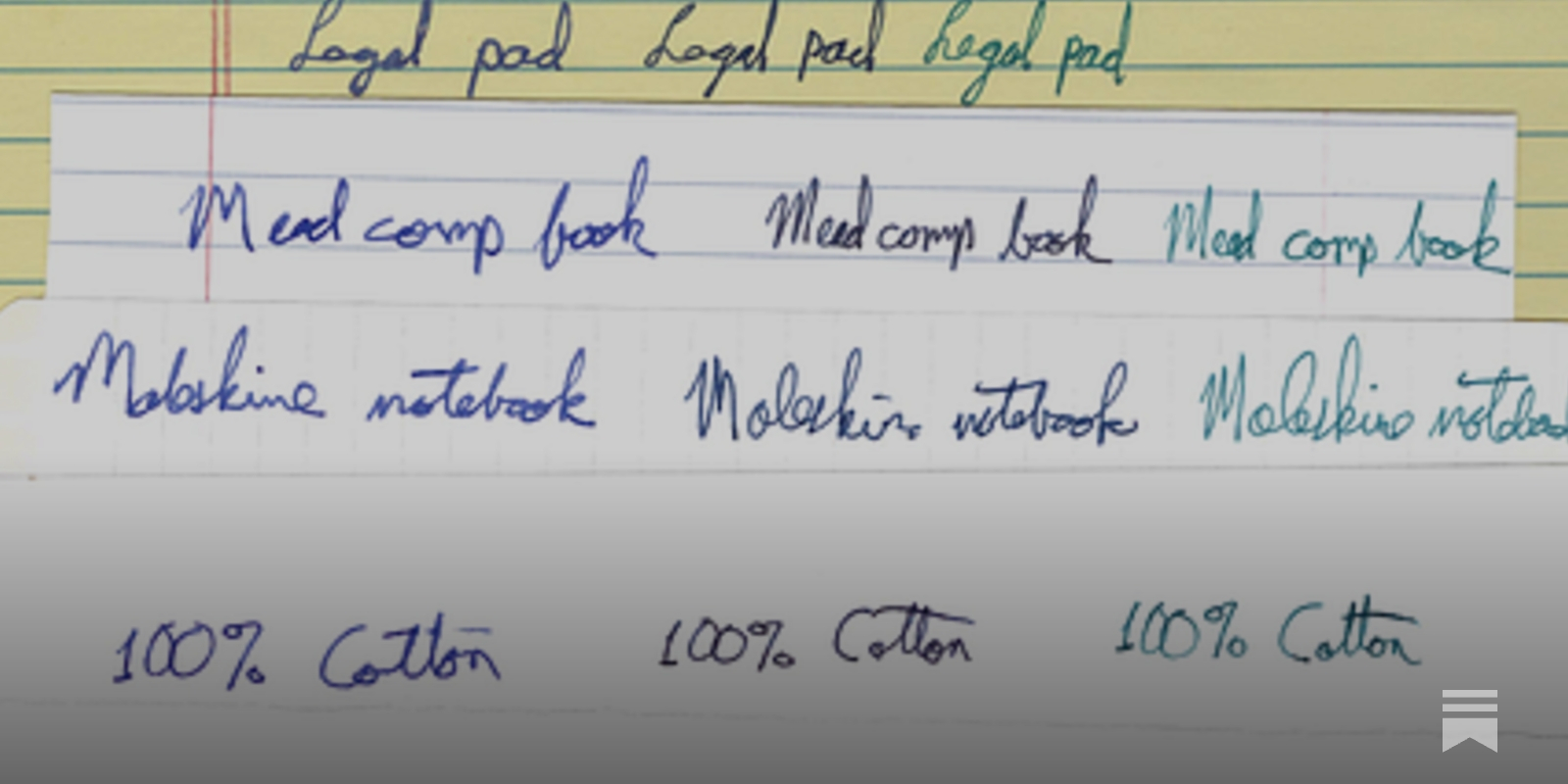
Writing by Hand is Good for your Brain - Here's how to do it

AI Coding will Prevent Expertise | Lars Faye

Cognitive Surrender

AI Dry July: Aborted

Japanese web design: weird, but it works. Here's why

