

About two months ago, I decided to start developing a fresh codebase for my voxel project – something that many indie developers are probably all-too familiar with, including myself. This time around, there were three major features that I wanted to implement:
Object-Oriented UX
We know big, monolithic webpages won’t meet the needs of responsive sites and endless screens. But we’re often still quilting together design patterns and content modules, rather than truly thinkin…

Components.build
An open standard for building modern, composable and accessible UI components.
Issues · WebAssembly/component-model
Repository for design and specification of the Component Model - Issues · WebAssembly/component-model
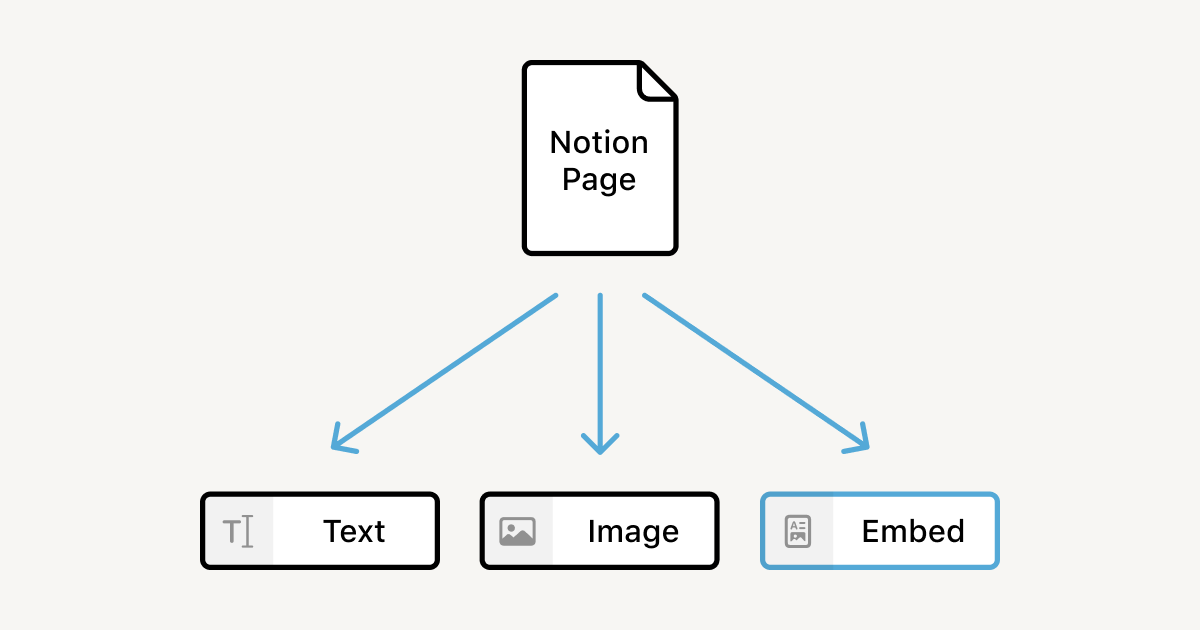
Exploring Notion's Data Model: A Block-Based Architecture | Notion
Notion’s data model enables the product’s most foundational component: blocks. Through blocks, we allow users more flexibility over their information.
What is data oriented design?
I was reading this article, and this guy goes on talking about how everyone can greatly benefit from mixing in data oriented design with OOP. He doesn't show any code samples, however. I googled t...

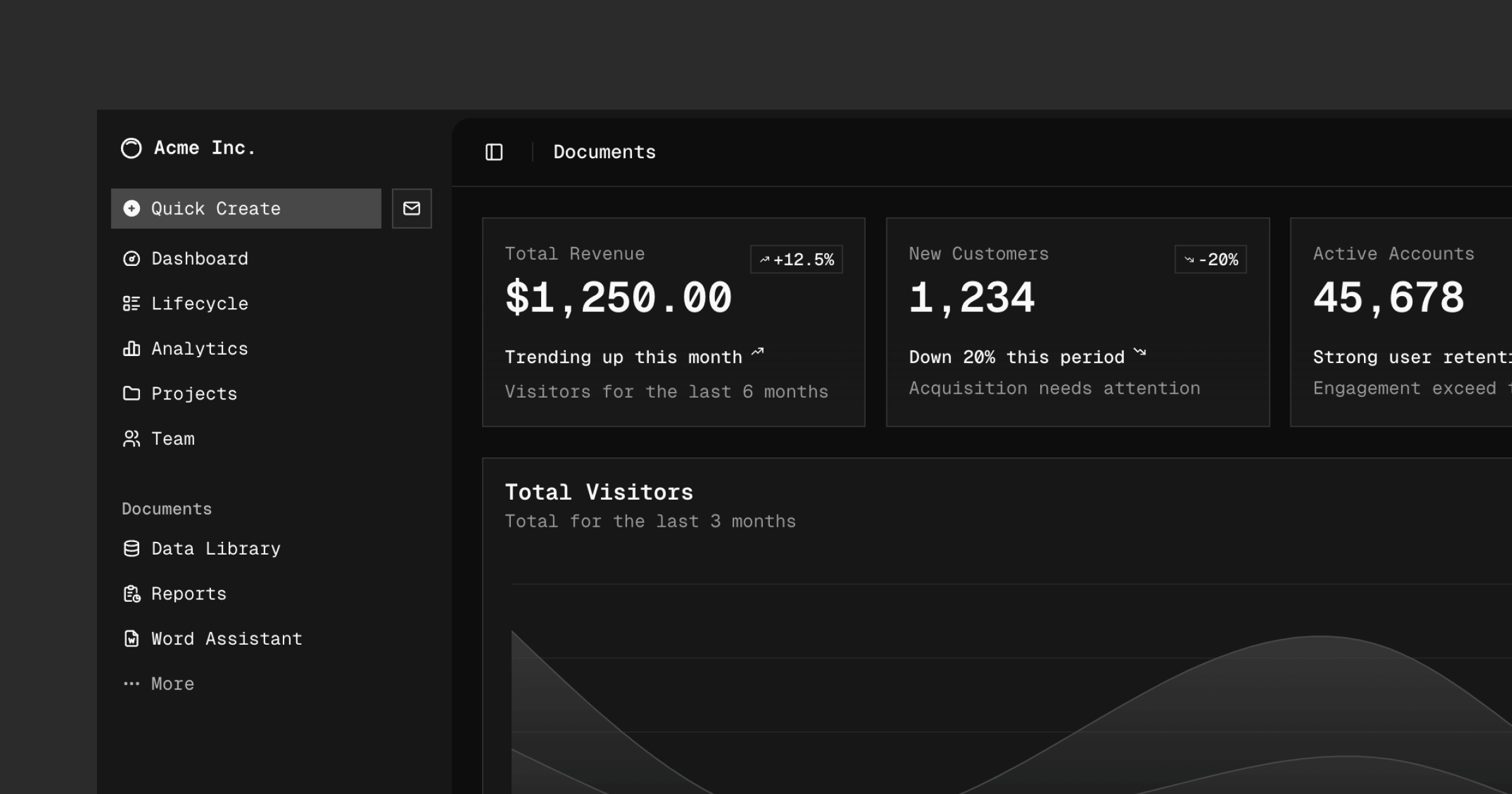
The Foundation for your Design System
A set of beautifully designed components that you can customize, extend, and build on. Start here then make it your own. Open Source. Open Code.
Alex Russell | Web Components and Model Driven Views | Fronteers 2011
There's a lot of tension between today's markup and the semantics we're trying to express in our apps. HTML5 adds a few new types to help describe common cases, but what about when there's no allegory in markup for what you're building? What we need now is infrastructure, not guilt about being "non-semantic". This talk explores new standards-track work in WebKit that's going to enable say-what-you-mean development in completely new ways.

EnterpriseReady | Ep. #2, The Early Days of GitHub with Tom Preston-Werner | Heavybit
[object Object]

Tutorial: Writing a tiny Entity Component System in Rust
The Entity Component System (or ECS) pattern is all the rage in the Rust game development community. In this short tutorial we're going to build our own.
Seven Sketches in Compositionality: An Invitation to Applied Category Theory
This book is an invitation to discover advanced topics in category theory through concrete, real-world examples. It aims to give a tour: a gentle, quick introduction to guide later exploration. The tour takes place over seven sketches, each pairing an evocative application, such as databases, electric circuits, or dynamical systems, with the exploration of a categorical structure, such as adjoint functors, enriched categories, or toposes. No prior knowledge of category theory is assumed. A feedback form for typos, comments, questions, and suggestions is available here: https://docs.google.com/document/d/160G9OFcP5DWT8Stn7TxdVx83DJnnf7d5GML0_FOD5Wg/edit

Game Programming in Lean4 - A 2D Graphics library and Global Store for ECS
Issues in Component Computing: A Synthetic Review
This paper provides a review of the rhetoric behind the component movement in educational software, and a critical analysis and synthesis of issues underlying the movement. We draw on case studies ...

Lini — diagrams, charts, drawings and schematics from plain text
Lini is a small text-to-diagram language: flowcharts, mindmaps, charts, sequence diagrams, ER schemas, engineering drawings, floor plans and circuit schematics from plain text, compiled to clean, themeable SVG. Open source, written in Rust, and it runs in the browser.
Relational foundations for functorial data migration | Proceedings of the 15th Symposium on Database Programming Languages
In this paper we present a simple database definition language: that of categories and functors. A database schema is a small category and an instance is a set-valued functor on it. We show that morphisms of schemas induce three ''data migration ...

