

Here I use the word "bound" in the same sense as "bind" in the "binding problem".
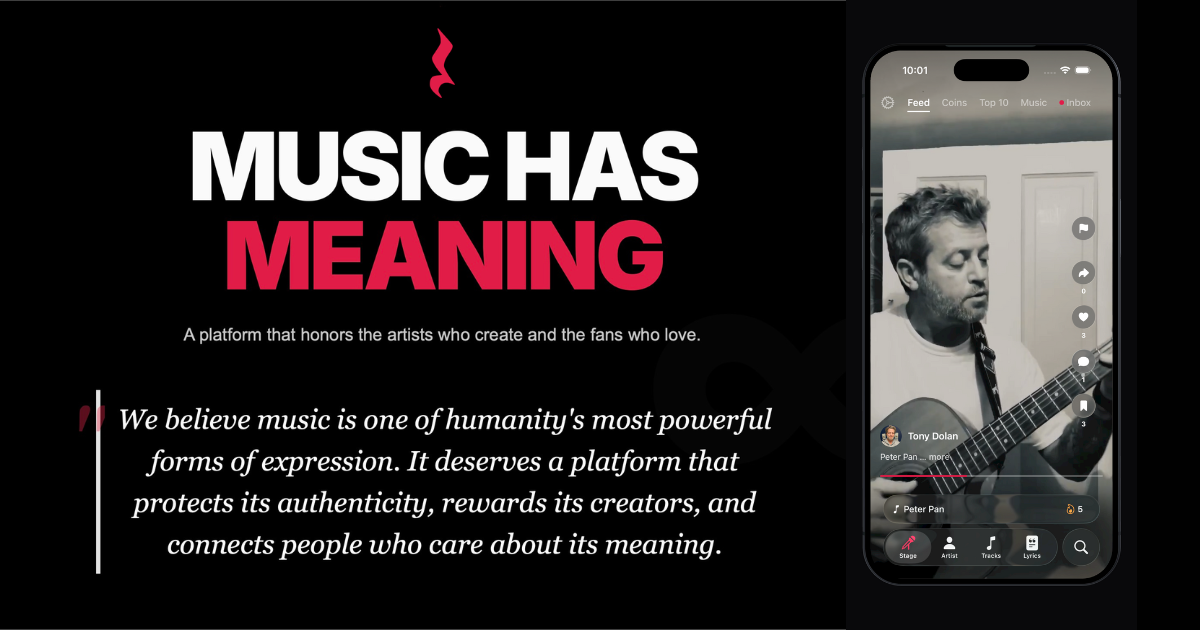
Music has Meaning
The social platform for discovering music, collecting tracks, and supporting artists directly. Only verified artists post.
Music Theory that isn't boring - Lightnote
Interactive lessons for learning Music Theory.

“Waiting for the Bass to Drop”: Correlations between Intense Emotional Experiences and Production Techniques in Build-up and Drop Sections of Electronic Dance Music
This study investigates the correlations between theories of intense emotional experiences and production techniques used in the electronic dance music (EDM) sections “build-up” and “drop”, which are designed to build tension and create a heightened emotional intensity among clubbers. This is done by descriptive and interpretive music analysis, where spectrograms and a schematic model visually represent the dominant production techniques. Through a theoretical framework consisting of musical expectancy and gravity, the analysis suggests that i) extensive use of uplifters, ii) the “drum roll effect”, iii) large frequency changes, iv) removal and reintroduction of bass and bass drum and v) a contrasting “breakdown” cause tension and anticipation, which seems to correlate with a possible intensification of emotional experience. This is furthermore discussed and more broadly related to the club experience seen as a whole, drawing on the psychological concepts Peak experience, Strong experiences with music (SEM) and Absorption.
The Millions of Songs Mashed Into AI-Generated Music
Explore the astonishing amount of music available to AI developers.

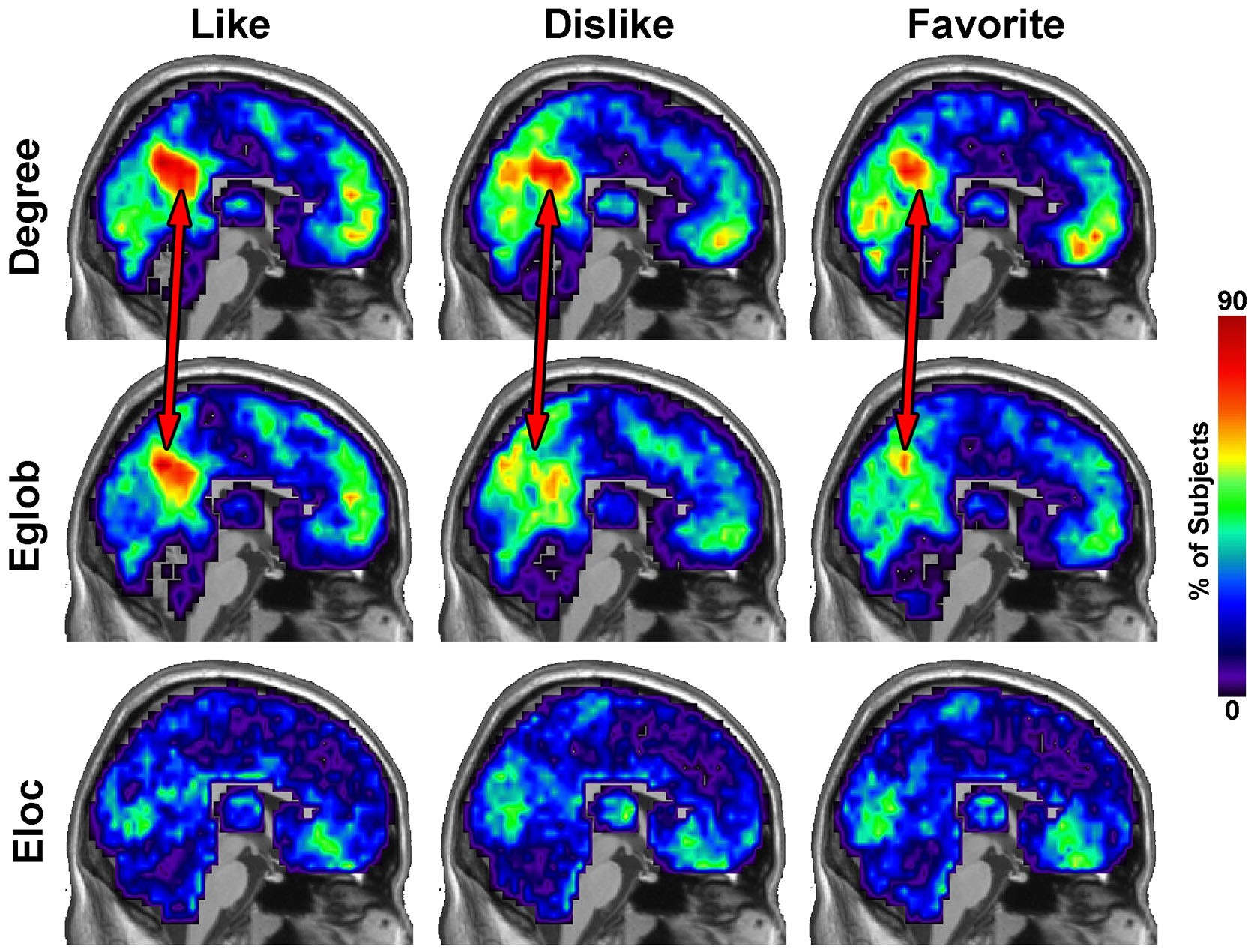
Network Science and the Effects of Music Preference on Functional Brain Connectivity: From Beethoven to Eminem
Most people choose to listen to music that they prefer or ‘like’ such as classical, country or rock. Previous research has focused on how different characteristics of music (i.e., classical versus country) affect the brain. Yet, when listening to preferred music—regardless of the type—people report they often experience personal thoughts and memories. To date, understanding how this occurs in the brain has remained elusive. Using network science methods, we evaluated differences in functional brain connectivity when individuals listened to complete songs. We show that a circuit important for internally-focused thoughts, known as the default mode network, was most connected when listening to preferred music. We also show that listening to a favorite song alters the connectivity between auditory brain areas and the hippocampus, a region responsible for memory and social emotion consolidation. Given that musical preferences are uniquely individualized phenomena and that music can vary in acoustic complexity and the presence or absence of lyrics, the consistency of our results was unexpected. These findings may explain why comparable emotional and mental states can be experienced by people listening to music that differs as widely as Beethoven and Eminem. The neurobiological and neurorehabilitation implications of these results are discussed.
[Interview] Snow J of Cheerful Music dives into the cross cultural intersection of AI and music – EARMILK
In conversation with Earmilk, Snow. J explores how AI has restructured the foundation of music culture, striking a balance between AI and human-made music as well as Cheerful Music's distinct approach to engaging AI technology in music making and marketing.

teoria : Music Theory Web
Web site dedicated to the study of Music Theory. Articles, reference, interactive exercises.
The Impact of Listening to Music on Cognitive Performance
Listening to music for relaxation is common among students to counter the effects of stress or anxiety while completing difficult academic tasks. Some studies supporting this technique have shown that background music promotes cognitive performance...

Getting Started Making Music | Notion
There are four elements of formula you need to make music.

Art of Noise
A multi-sensory exploration of how design has changed the way we’ve experienced music over the past 100 years.

The Knowledge Ecology
The important thing here is that the music is not in the piano. And knowledge and edification is not in the computer. The computer is simply an instrument whose music is ideas. Yes? No? Yes-no-yes-no-yes-no.

Music Chat: Classical Music's Ten Dirtiest Secrets
From Prompting to Describing: A Cross-Cultural Study of Language for AI-Generated Music
Recent text-to-music (TTM) systems such as Suno [22], Udio [23], and Google’s MusicFX [7] allow users to generate music from a natural language prompt, lowering the barrier to music creation for users without specialized musical knowledge [27]. Understanding how users write these prompts is therefore a fundamental question for music information retrieval and human-AI interaction research. Yet, prompting a generative system is not the same cognitive or linguistic act as describing music one has heard [12]. When a user writes a prompt, they encode anticipatory intent to steer the system toward a desired or imagined output, whereas when a listener describes a piece of music, their language is grounded in a perceptual experience. We argue that these two acts produce systematically different language—a distinction that, despite being intuitive, has not been quantitatively examined. This gap has practical consequences: recent TTM models are trained predominantly on metadata-centric corpora (genre labels, BPM, descriptive tags) [6] rather than on the kind of language users naturally produce when listening, leaving the prompt-description gap unexamined. Moreover, this gap limits our ability to evaluate and improve human–AI interaction in music generation, as current systems are optimized for prompt input but commonly assessed through human perception.
Malleable Music Ensembles
A framework using generalized algebraic theories and categorical lenses to enable interoperable, local-first networked music ensembles.
AI & Music - developments & perspectives

Perspectives, developments, & news re: AI & music

Owners of Elvis Presley’s Music Sue Anthropic for Copyright Infringement

YouTube Music adds new labels for AI music
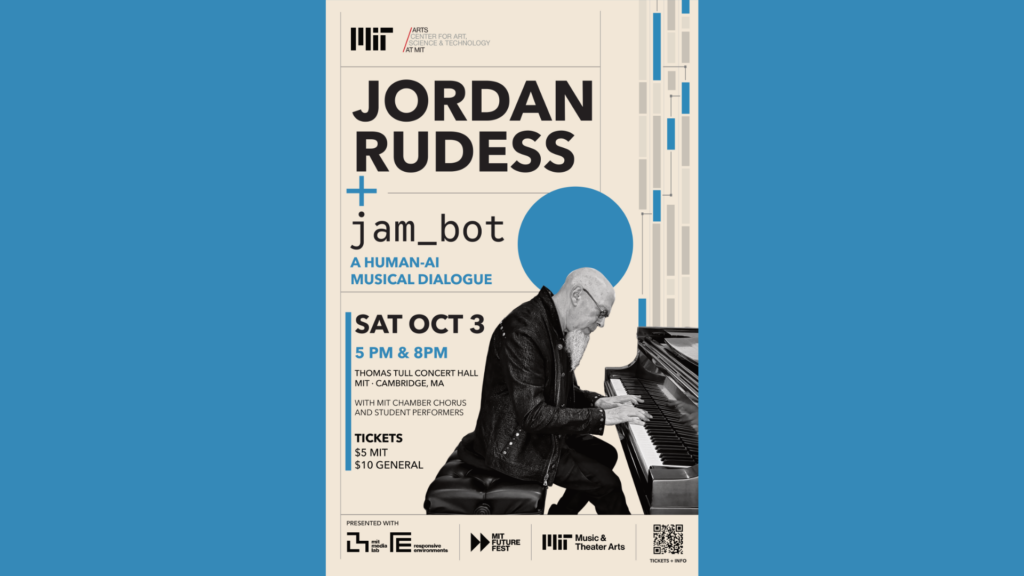
Jordan Rudess + jam_bot at MIT October 3

Jordan Rudess and MIT’s jam_bot: A New Era of Human-AI Musical Collaboration
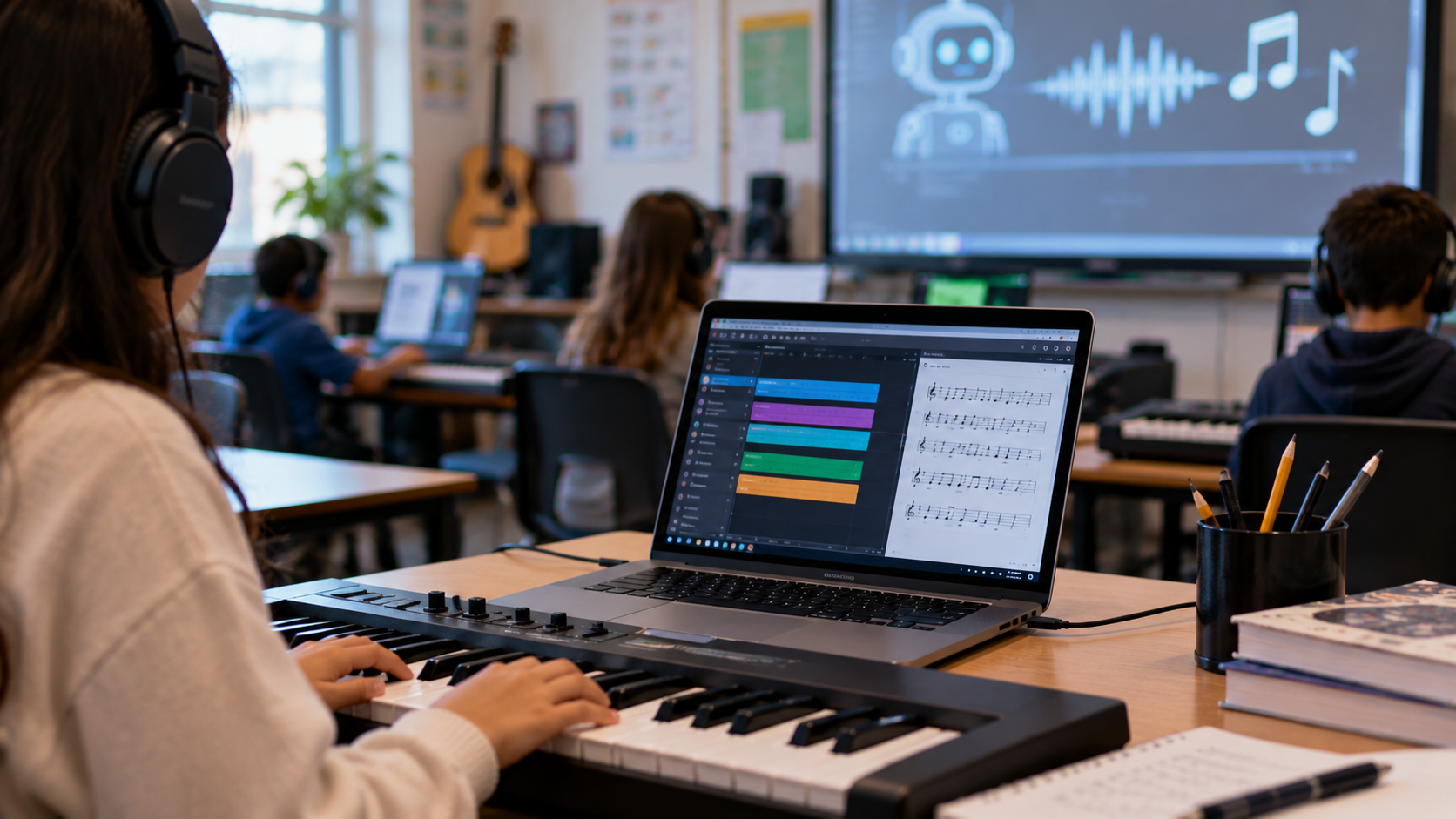
Artificial Intelligence in Music Classrooms: PK-12 Educators’ Practices, Concerns, and Confidence

“It frustrates me to hear people bashing something that's so amazing”: Todd Edwards is optimistic about AI in music production