


Where dead ends become creative opportunities. Find inspiration for your next 404 page design with our curated collection of error pages that transform user frustration into delightful experiences. Fresh ideas for designers who refuse to let a 404 be boring. Here for all those lost pages waiting to be found.
Dead Simple Sites — Minimal Web Design Inspiration & Gallery
A curated gallery of the most minimal, clean websites on the internet. No animations, no scroll jacking — just pure, simple web design inspiration. Updated weekly.

Monitoring & Analyzing Error Pages (404s) Using Analytics
I recently wrote a post on the Google Analytics + page about monitoring error pages on websites. The post was well received and generated ...

Solutions for Link Rot on the Modern Web
Web links are fundamental to the web, enabling navigation between pages and citations in research articles. However, web links suffer from "link rot", a phenomenon in which links are likely to become inaccessible over time. This can occur if a link’s site disappears, making it impossible to resolve the hostname or establish a server connection, or the linked page has been deleted, resulting in an HTTP 404 "Not Found" error. Today, a common solution to tackle link rot is to rely on web archives, which capture snapshots of web pages for future reference. However, the modern web has evolved significantly since web archives were first introduced, leading to several limitations in their effectiveness. First, the scale of the web has grown tremendously, making it infeasible to crawl every page whenever it changes. As a result, many broken links either have no archived copies, or the archived copies have stale content. Second, modern web pages rely heavily on increasingly complex and diverse JavaScript. This shift has made it more challenging for preserving fidelity in archived copies, significantly increasing both the computational cost of operating browser-based crawlers and engineering effort required to maintain accurate replay systems. This thesis presents a set of solutions to cope with link rot on the modern web. My work aims to mitigate the various limitations of web archives. First, for broken links without any archived copy, or if the archived copy includes stale content or unavailable functionalities, I built Fable. Fable revives the dead link with the new URL to the same page whenever available. Compared to prior approaches, Fable revives 4.6K broken links—a 50% increase—with much higher accuracy. Second, for pages that require dynamic crawling, I show how web archives can achieve a better tradeoff between efficiency and fidelity. By carefully choosing 8.9% of pages to crawl dynamically and strategically reusing resources from those crawls, an archive can serve 99% of the remaining statically crawled pages without any fidelity loss. Third, for fidelity violations in archived copies that are caused by incorrect edits to crawled scripts, I built FidEx. FidEx reliably detects when an archived page differs from its original version and pinpoints the root cause. After fixing the most common errors pinpointed by FidEx, I reduced the fraction of pages for which FidEx reports a violation of fidelity from 15% to 9%.
Solutions for Link Rot on the Modern Web
Web links are fundamental to the web, enabling navigation between pages and citations in research articles. However, web links suffer from "link rot", a phenomenon in which links are likely to become inaccessible over time. This can occur if a link’s site disappears, making it impossible to resolve the hostname or establish a server connection, or the linked page has been deleted, resulting in an HTTP 404 "Not Found" error. Today, a common solution to tackle link rot is to rely on web archives, which capture snapshots of web pages for future reference. However, the modern web has evolved significantly since web archives were first introduced, leading to several limitations in their effectiveness. First, the scale of the web has grown tremendously, making it infeasible to crawl every page whenever it changes. As a result, many broken links either have no archived copies, or the archived copies have stale content. Second, modern web pages rely heavily on increasingly complex and diverse JavaScript. This shift has made it more challenging for preserving fidelity in archived copies, significantly increasing both the computational cost of operating browser-based crawlers and engineering effort required to maintain accurate replay systems. This thesis presents a set of solutions to cope with link rot on the modern web. My work aims to mitigate the various limitations of web archives. First, for broken links without any archived copy, or if the archived copy includes stale content or unavailable functionalities, I built Fable. Fable revives the dead link with the new URL to the same page whenever available. Compared to prior approaches, Fable revives 4.6K broken links—a 50% increase—with much higher accuracy. Second, for pages that require dynamic crawling, I show how web archives can achieve a better tradeoff between efficiency and fidelity. By carefully choosing 8.9% of pages to crawl dynamically and strategically reusing resources from those crawls, an archive can serve 99% of the remaining statically crawled pages without any fidelity loss. Third, for fidelity violations in archived copies that are caused by incorrect edits to crawled scripts, I built FidEx. FidEx reliably detects when an archived page differs from its original version and pinpoints the root cause. After fixing the most common errors pinpointed by FidEx, I reduced the fraction of pages for which FidEx reports a violation of fidelity from 15% to 9%.
Ghost: The best open source blog & newsletter platform
Beautiful, modern publishing with email newsletters and paid subscriptions built-in. Used by Platformer, 404Media, Lever News, Tangle, The Browser, and thousands more.

On Link Rot
The web suffers from link rot: hyperlinks that were valid upon creation will often point into nothingness after some time has passed. Within the framework of the web, the typical solution is to link to a snapshot of the original page, hosted on archive.org.
On Link Rot
The web suffers from link rot: hyperlinks that were valid upon creation will often point into nothingness after some time has passed. Within the framework of the web, the typical solution is to link to a snapshot of the original page, hosted on archive.org.
How to write error messages that actually help users rather than frustrate them
One of the most consistently neglected parts of today’s user experiences is our handling of errors. We’re so busy designing the happy paths through our products that we often forget to give the same care and attention to the times when things will go wrong
The Sites of The Useless Web
The current roster of useless websites on The Useless Web — with the story behind each one.

The Death of DeviantArt and the art-site shaped hole haunting the Internet - Multi-hyphenate
Why every new "Art Community" fails. Equal parts eulogy, condemnation, and mourning.
The Sites We Lost
A memorial to the weird little corners of the internet that lived on The Useless Web.
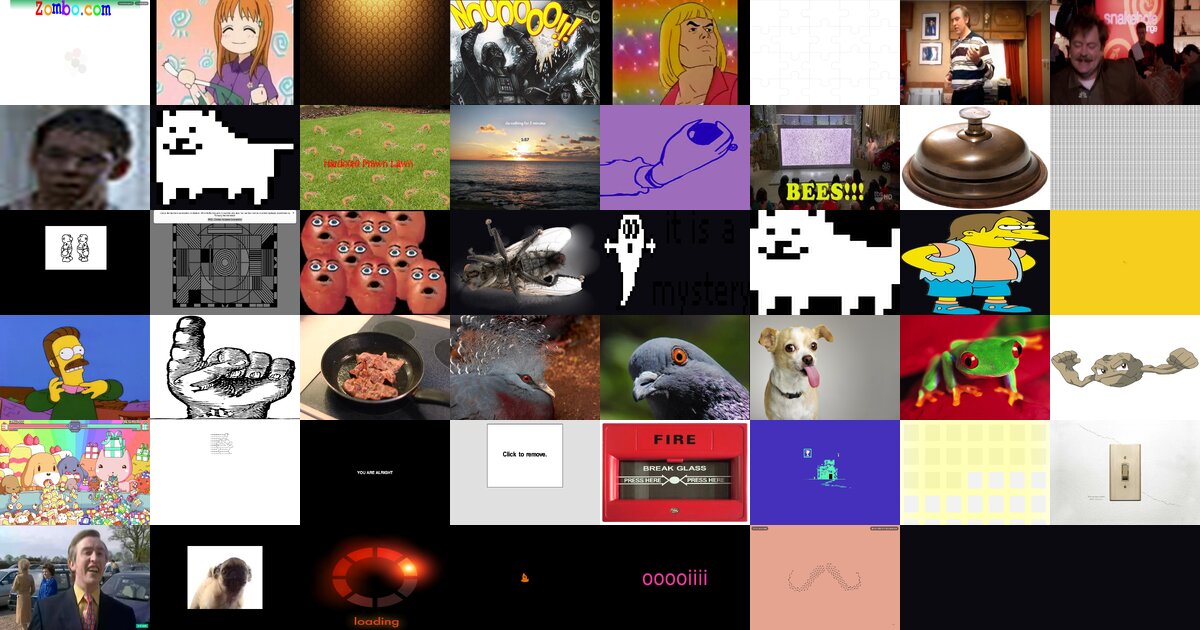
Recommendations - Ghost Developer Docs

Garbage Collection for Systems Programmers
Yet another programming blog. Thoughts on software and related misadventures.

The web we lost

A melancholy reflection about what happened to the web mixed with some positive imagination about to do about it.
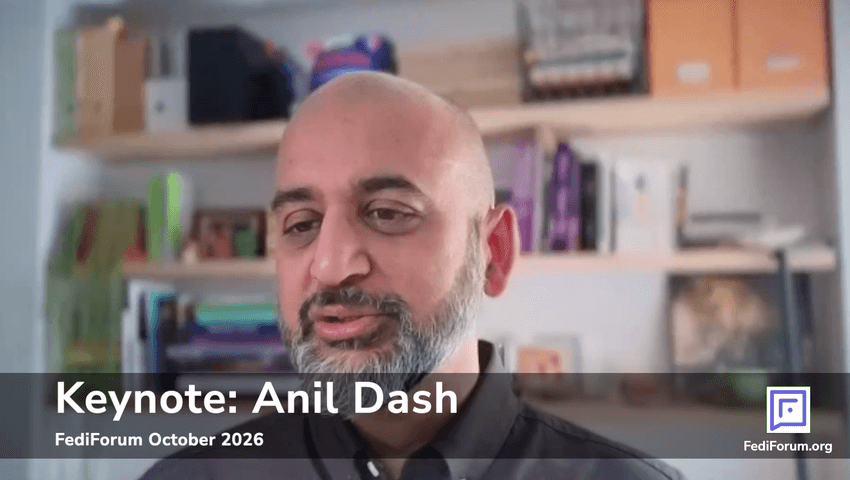
FediForum Keynote: Anil Dash
Witchsky
The Boring Internet

We can have a different web

"A Web of Our Own Making" with Antón Barba-Kay
Patrick - I'm worried about the web