


Library Privacy Guidelines for Public Access Computers and Networks
Privacy Principles
Privacy is an essential part of the web. This document provides definitions for privacy and related concepts that are applicable worldwide as well as a set of privacy principles that should guide the development of the web as a trustworthy platform. People using the web would benefit from a stronger relationship between technology and policy, and this document is written to work with both.
Customer Commons
We are planning to release more agreements as we approach the finalization of the IEEE P7012 Standard for Machine Readable Personal Privacy Terms . This initiative is currently has a demo #NoStalking, and we encourage your participation and feedback to help shape its development.

Revisiting Keyed-Verification Anonymous Credentials
As part of the Digital Library's transition to Open Access, new features for researchers are available in the Premium Edition. Click here to learn more.

Introductions and kick off
Hello, I’m Simon Horrobin. I’m working on a couple of projects which are ATproto relevant… one to handle sport and health data, the other for managing publishing workflow. Both of these need privacy to varying degrees. I think about this in a few axes… who can create, view, edit, delete, grant, revoke, all over time and state.
Internet Filtering: An Interpretation of the Library Bill of Rights
In the span of a single generation the Internet has revolutionized the basic functions and operations of libraries and schools and expanded exponentially both the opportunities and challenges these institutions face in serving their users. During this time many schools and libraries in the United States have installed content filters on their Internet access. They have done so for a variety of reasons, not least of which is the requirement to comply with the Children’s Internet Protection Act (CIPA) in order to be eligible to receive federal funding or discounts through the Library Services and Technology Act, Title III of the Elementary and Secondary Education Act, and the Universal Service discount program (E-rate), or to comply with state filtering requirements that may also be tied to state funding. Their rationale for filtering is that it is better to have filtered access than no access.
Netiquette Guidelines
This document provides a minimum set of guidelines for Network Etiquette (Netiquette) which organizations may take and adapt for their own use. This memo provides information for the Internet community. This memo does not specify an Internet standard of any kind.
The Uncensored Library – Reporters without borders
I support The Uncensored Library and the fight for press freedom. #TruthFindsAWay

The Tor Project | Privacy & Freedom Online
Defend yourself against tracking and surveillance. Circumvent censorship.
Which browsers are best for privacy?
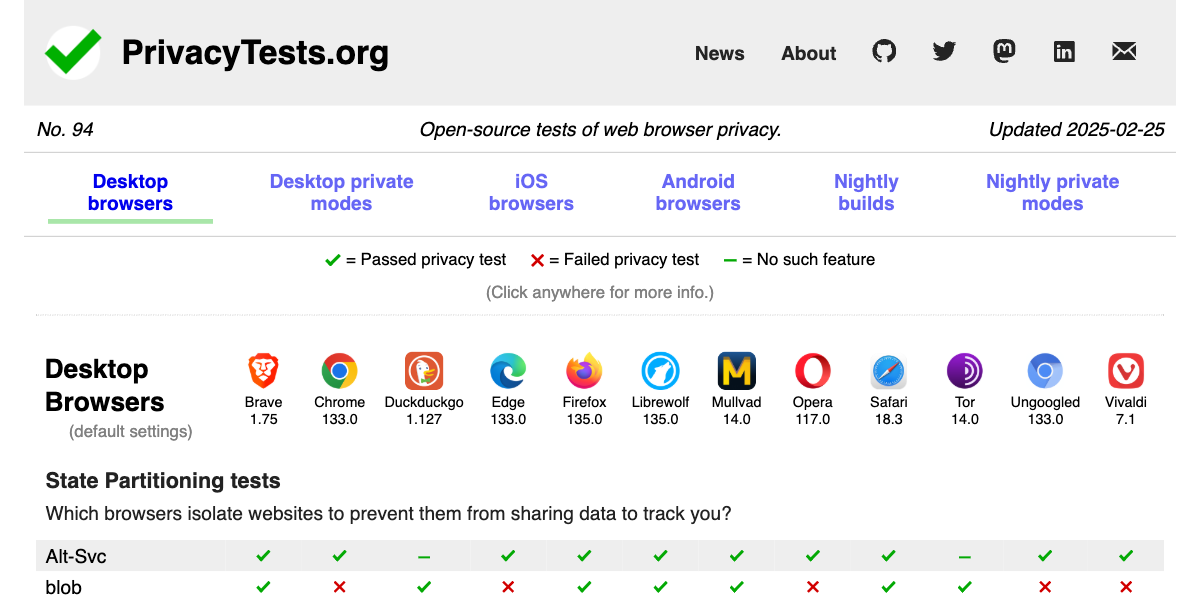
An open-source privacy audit of popular web browsers.
Measuring the Privacy Experience
How do you know that a product respects your privacy – other than by wading through the fine print? We’ve created a framework to measure the way people actually experience privacy in tech products.
Emerging from being "down in the technical weeds" of #atproto is a little mashup of @semble.so & WayFinder (wayfinders.network) Semble team released "open collections" this week - here we explore the "private & permissioned data" collection, created by @bmann.ca & now with 3 other contributors
Yikes. For anyone interested in more information about this, I recommend checking out @privacyguides.org : discuss.privacyguides.net/t/privacy-com-uses-identity-v…

Privacy.com uses identity verification service Persona, which will keep biometric information for "up to" 3 years
discuss.privacyguides.netGeneral privacy/security guides

Including tips for specific app or device settings
Improve device security with Advanced Protection for Android - Android Help
About Lockdown Mode - Apple Support
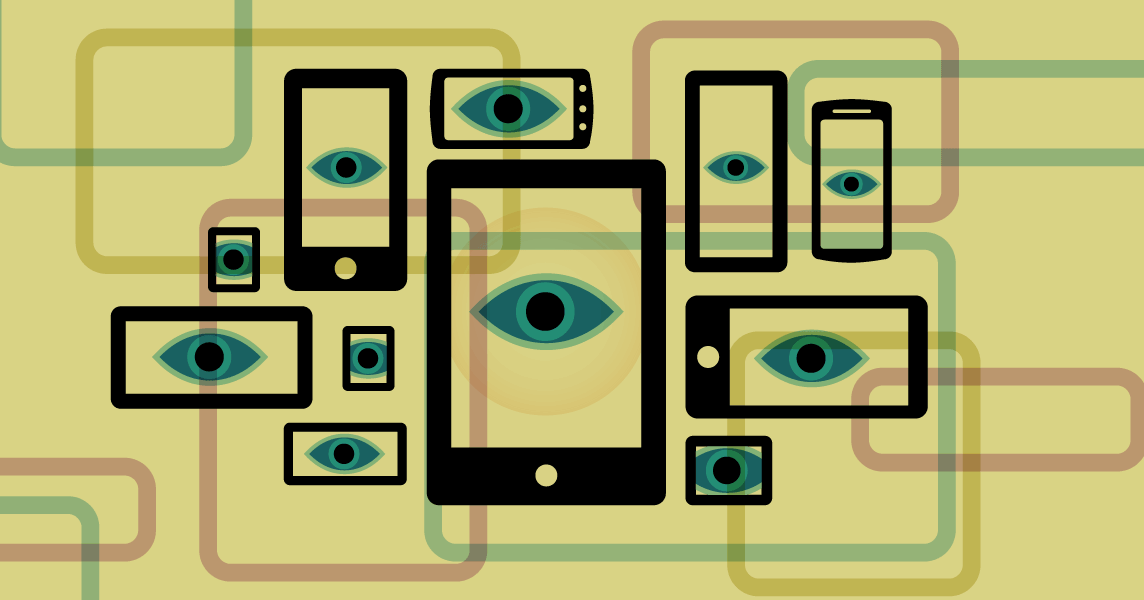
Police forensic tools may bypass key phone security feature
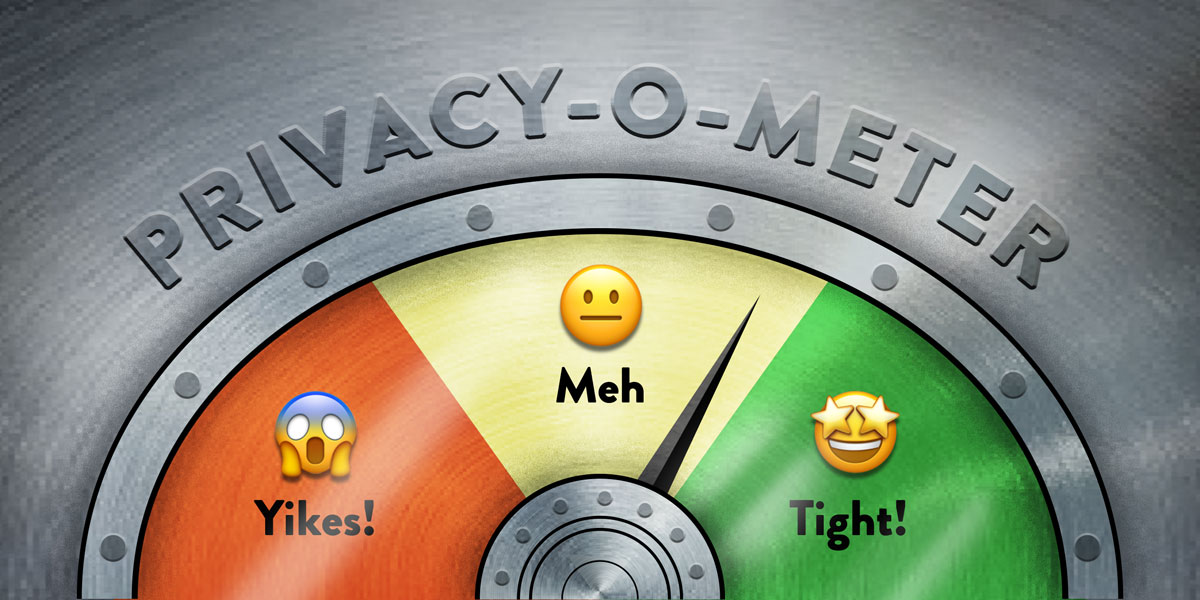
Opt Out October: Daily Tips to Protect Your Privacy and Security
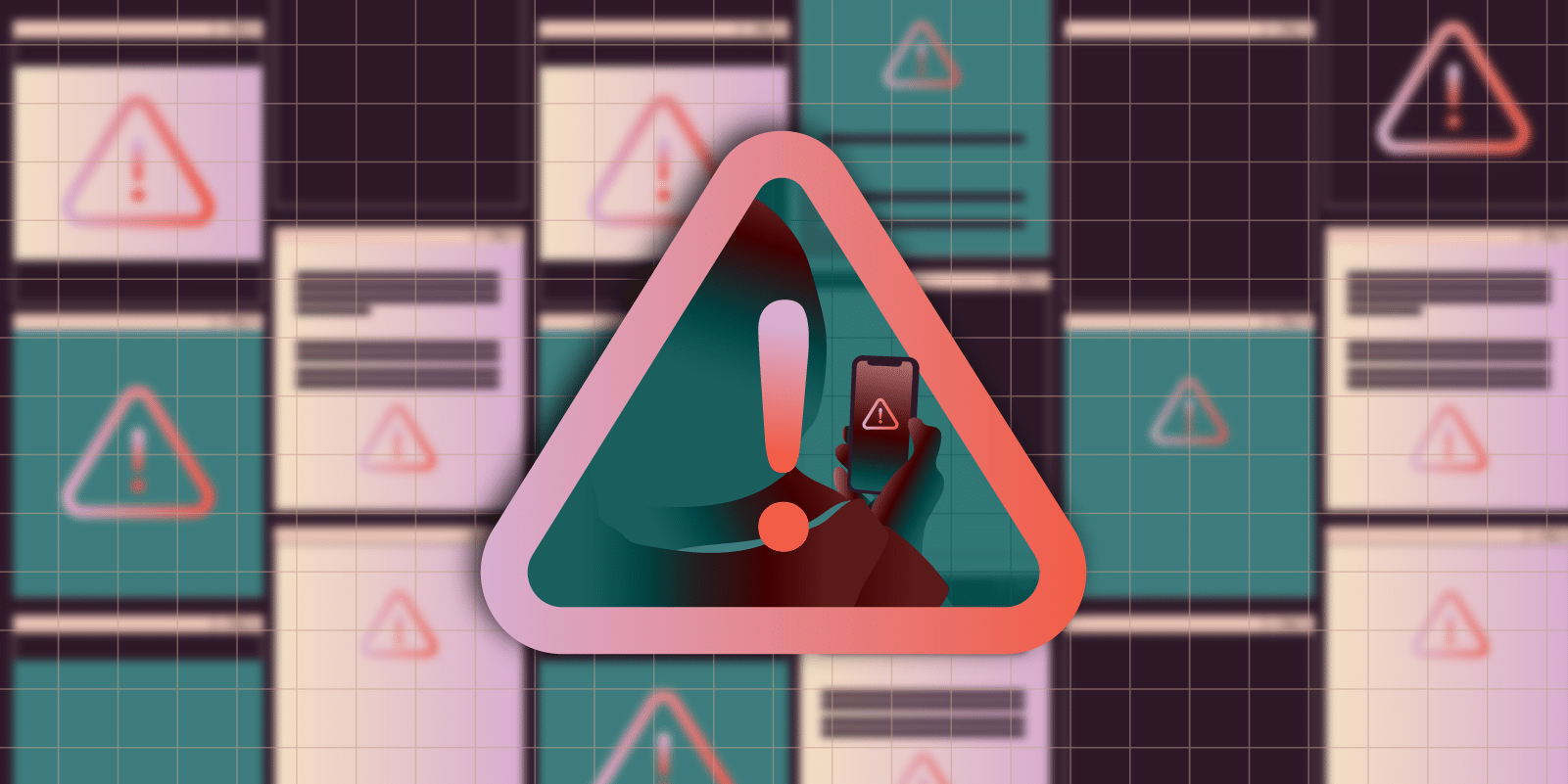
Apple threat notifications and spyware: what everyone should know - Access Now
appleinsider.com

