


With fundamental technology change, we don't so much get our predictions wrong as make predictions about the wrong things.
Presentations — Benedict Evans
Every year, I produce a big presentation exploring macro and strategic trends in the tech industry. New in May 2025, ‘AI eats the world’.

Our Uncertain Uncertainties
Even the experts inventing AI don’t know what will happen next.

The Expert Trap and the Next War
what forecasting failure tells us about the future
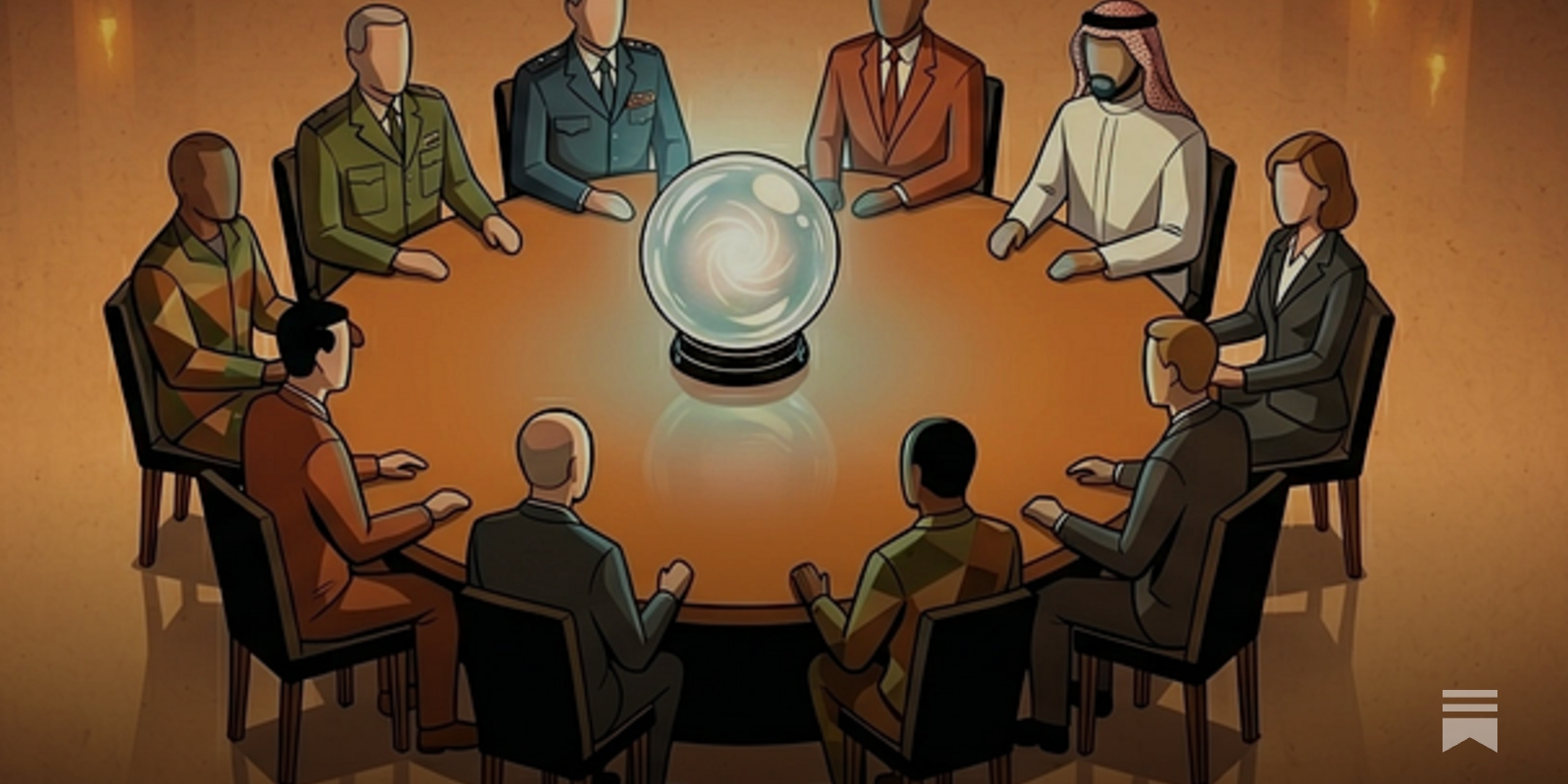
On technological optimism and technological pragmatism
"There are no guarantees that things are going to turn out very well for anyone.”
How Our Company Learned to Make Better Predictions About Everything
We all make bets about the future, whether we call them that or not. We select a career based on perceptions about its prospects; we take on projects based on what we think we can accomplish; we hire employees based on how we predict they will perform. We don’t have an option not to make predictions in our work lives, but we do have an option to try and make better ones. At Twitch, employees have worked to create a culture of forecasting based on the research of Philip Tetlock. Although employees were skeptical at first, most have come to embrace the practice of making frequent numerical forecasts.

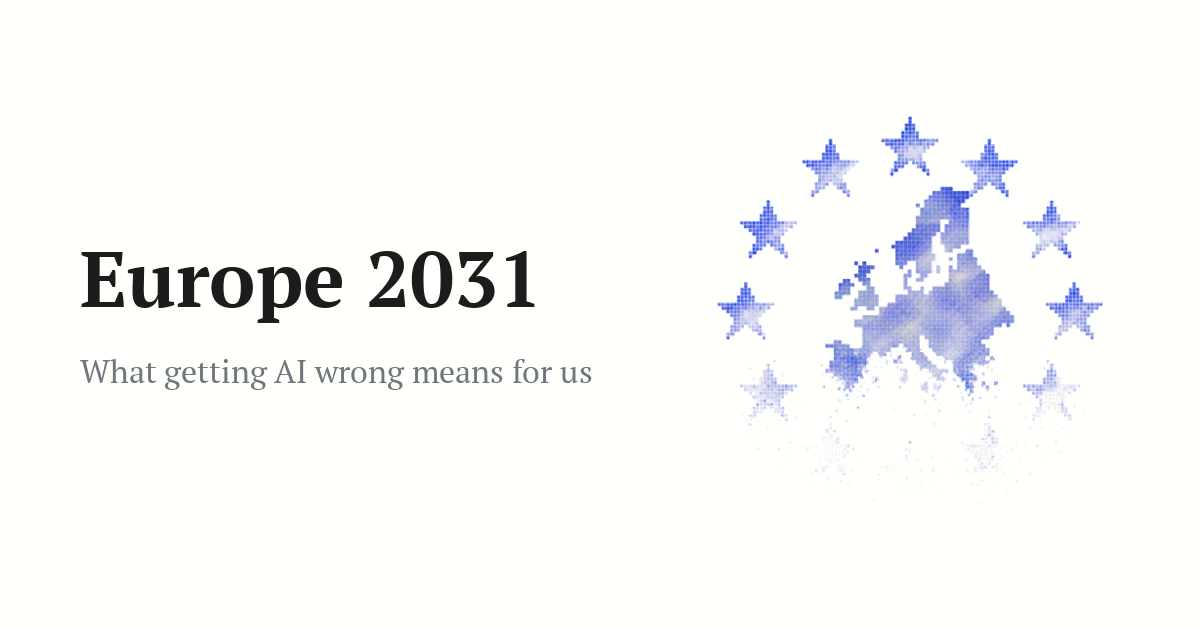
Europe 2031 — What getting AI wrong means for us
A five-year scenario about AI and Europe's impending slide into irrelevance, with a 2034 epilogue that describes how the collapse of the European model could have been prevented.
Prophecy: Prediction, Power, and the Fight for the Future, from Ancient Oracles to AI
From an award-winning University of Oxford professor comes a brilliant, urgent new look at prophecies--the predictions that determine our lives, from our personal finances and the quality of our healthcare to the news and social media we consume and the produces foisted upon us

Arthur Turrell on Twitter / X
Today @Google, we published work led by @m_codreanu on AI in Science, drawing on 15 million Gemini interactions, 2,600 specialised AI models & a 600-scientist survey. What did we find about how AI is changing science? Read on... pic.twitter.com/VqO2xxcm02— Arthur Turrell (@arthurturrell) September 15, 2026

The future belongs to those who can refute AI, not just generate with AI
Why verification, not prompting, could shape the next decade of engineering
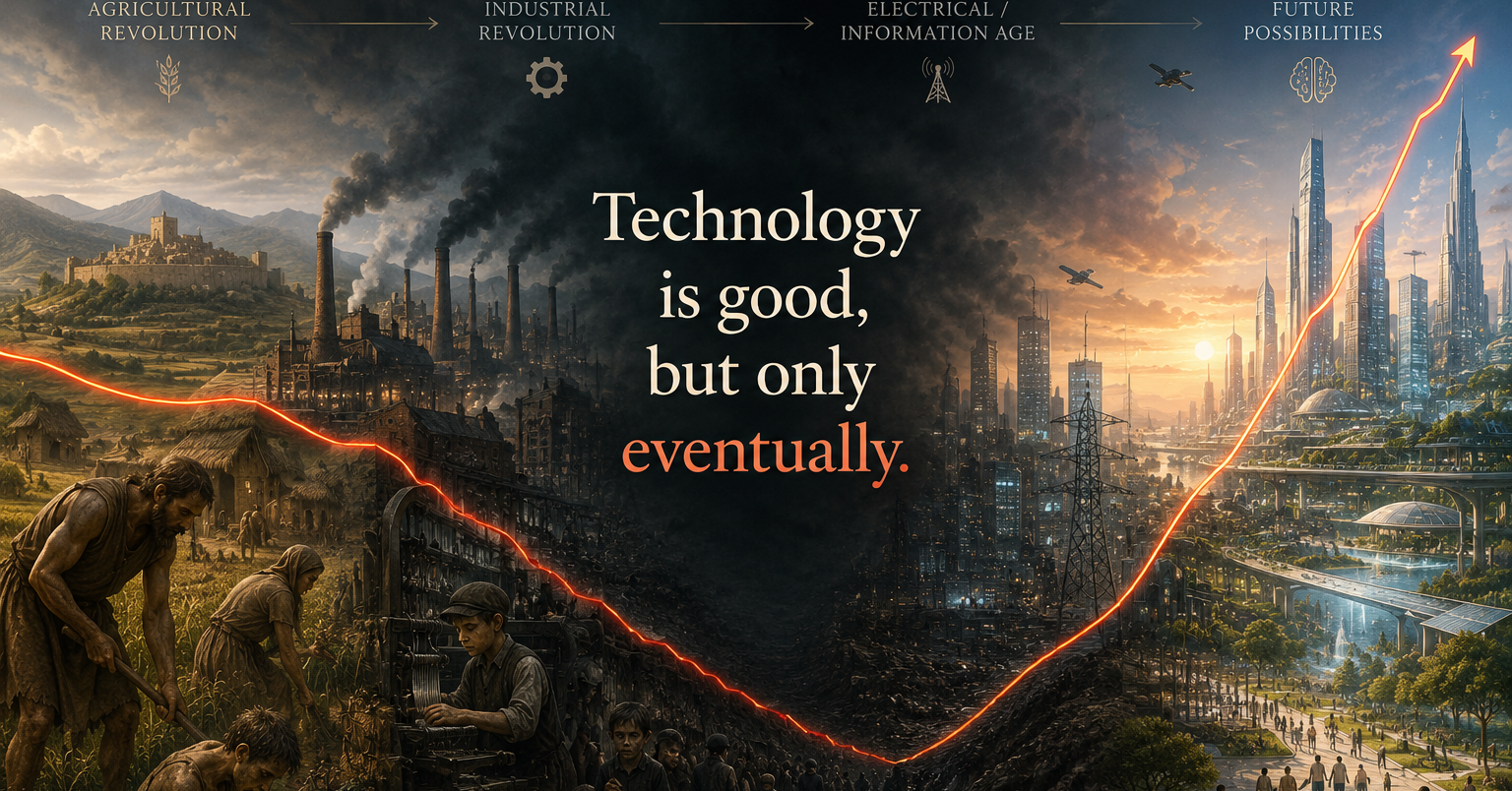
If AI is normal technology, history is not reassuring. — LessWrong
There’s a truism that technology is good - even if it creates winners and losers, it improves the world. Toby Ord argues that the conclusions about t…
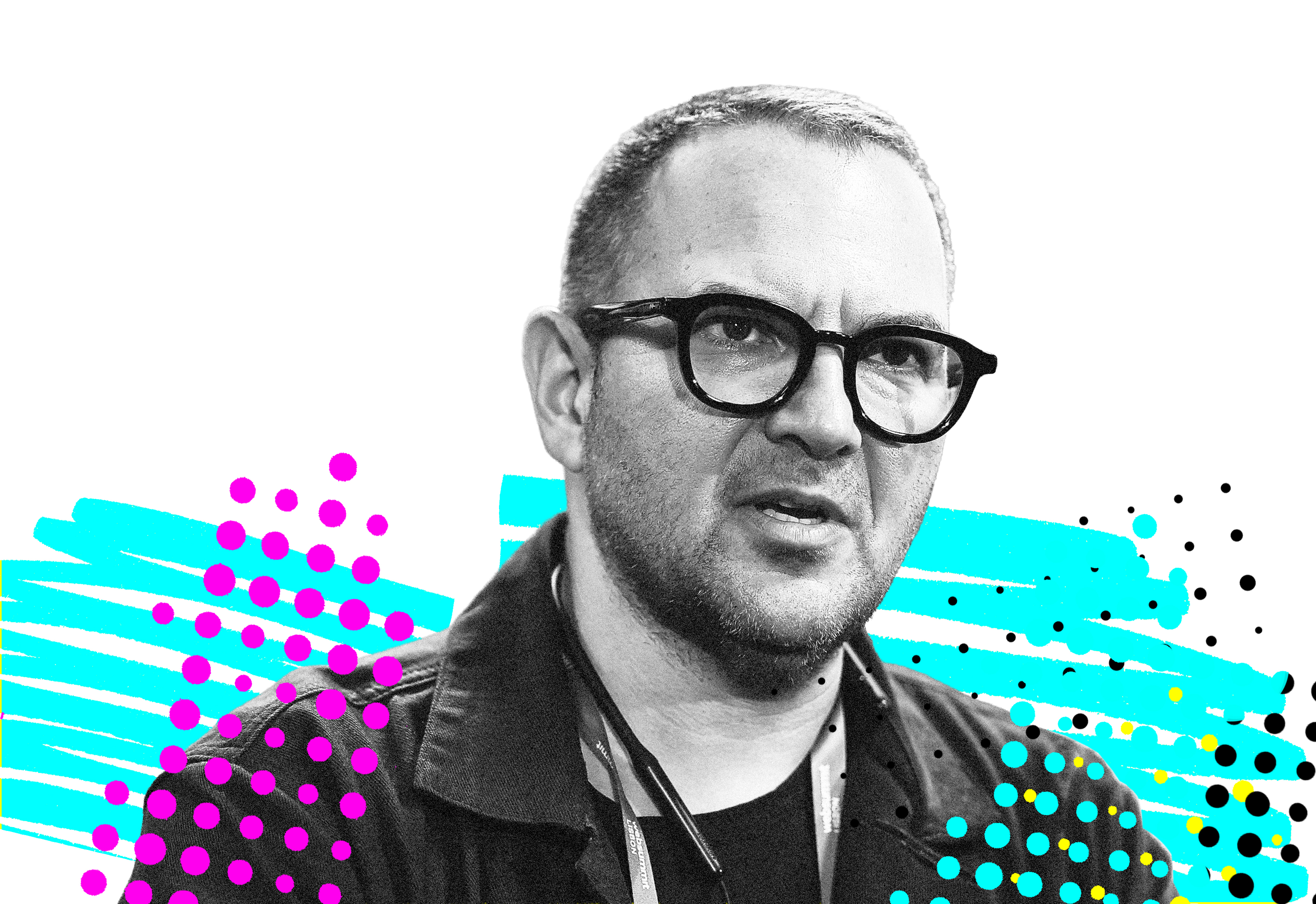
Cory Doctorow: The people who tell you ‘AI is changing everything’ are lying
It has become impossible to tell managers mesmerised by artificial intelligence that the tools are not, in fact, helpful. So employees just play along with the fiction to keep their jobs, writes our tech columnist
The End of Mathematics — Daniel Litt
I'm currently returning to Toronto from a summit on the future of mathematics, at OpenAI. Sebastian Bubeck asked me to talk a bit about the future we'd all like to avoid, where humans are mathematically disempowered. Jacob Tsimerman advised us to try to prioritize detail over correctness, and I have no doubt that I succeeded in deprioritizing correctness.

Dr. Émile P. Torres (they/them) on Twitter / X
What's amazing about this is every time there's a new grand prediction about AI, it's like people forget the 500 previous predictions from the same group of people that were completely wrong. AI by 2025 (Musk). AI doing most coding by 2025 (Amodei). Etc. Why is that?? https://t.co/t9CcMQO4EN— Dr. Émile P. Torres (they/them) (@xriskology) January 28, 2026
70 years of AI hype
Quoting from Olivia Guest et al. (2025) "Against the Uncritical Adoption of AI Technologies in Academia."
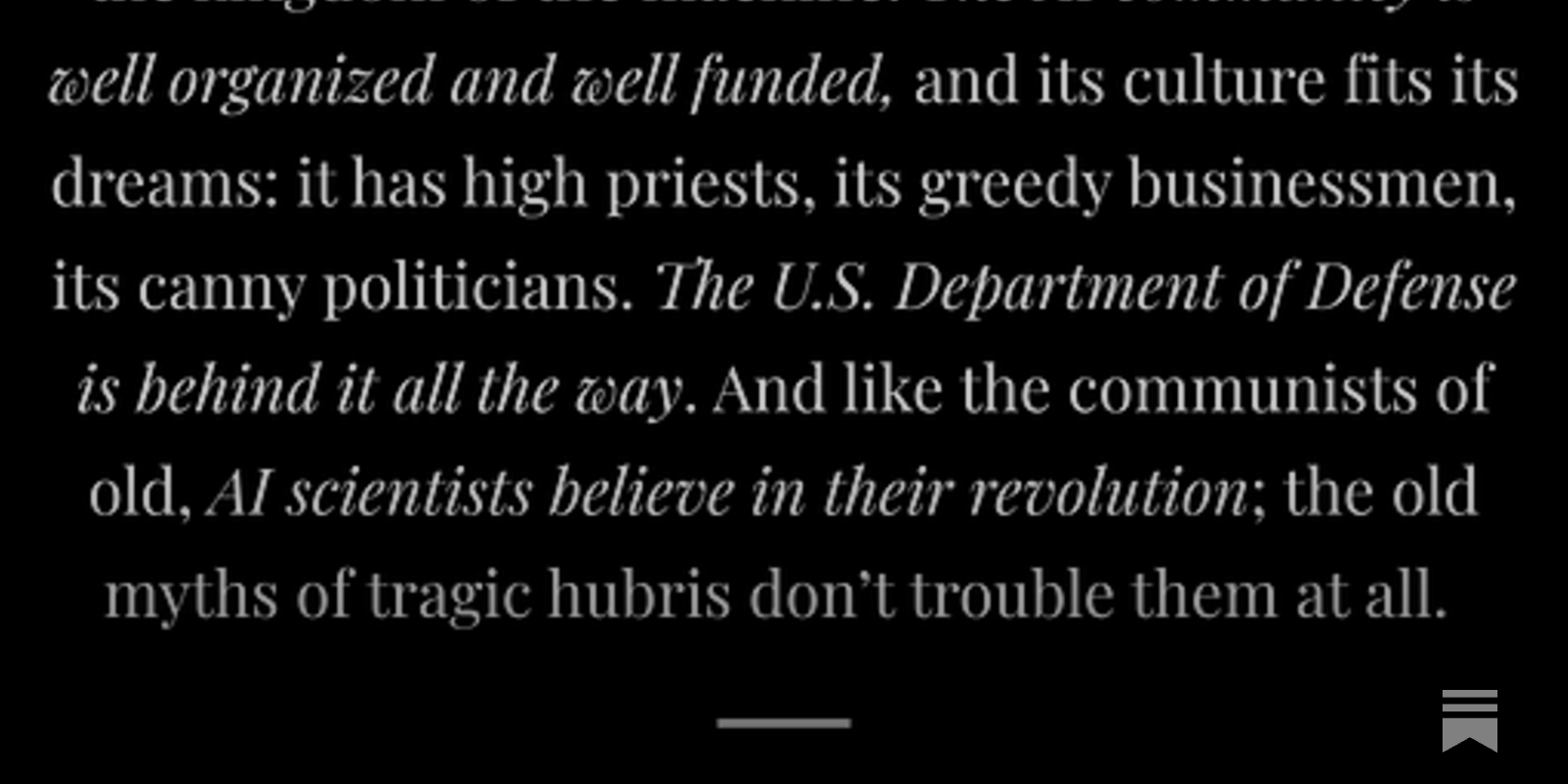
The signal and the noise: why so many predictions fail - but some don't
"Nate Silver's The Signal and the Noise is The Soul of …
AI Predictions, Big and Small

A compilation of ideas and writing where there is some prediction of the future so that we can look back one day and compare.
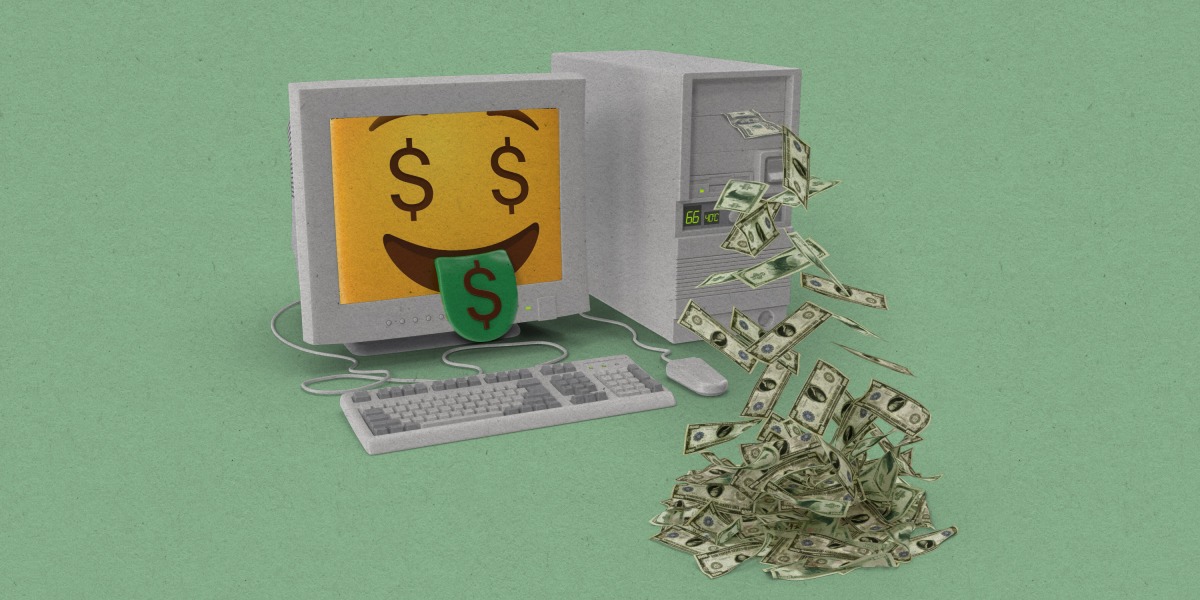
Mustafa Suleyman: My new Turing test would see if AI can make $1 million
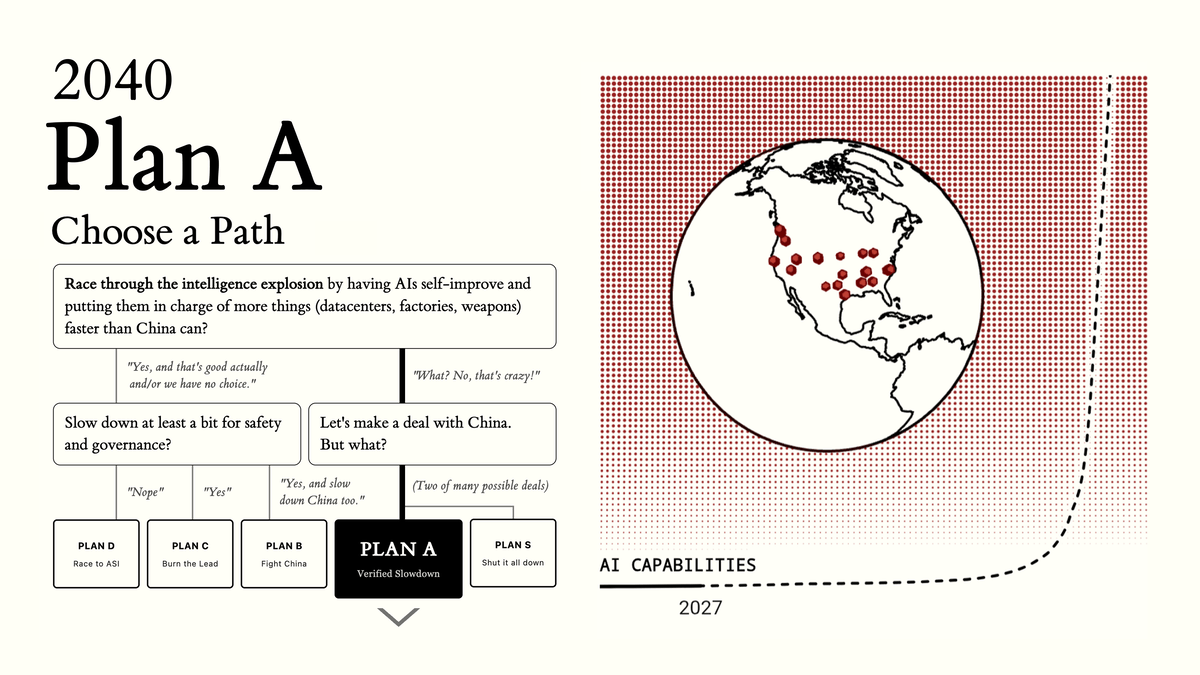
AI 2040: Plan A
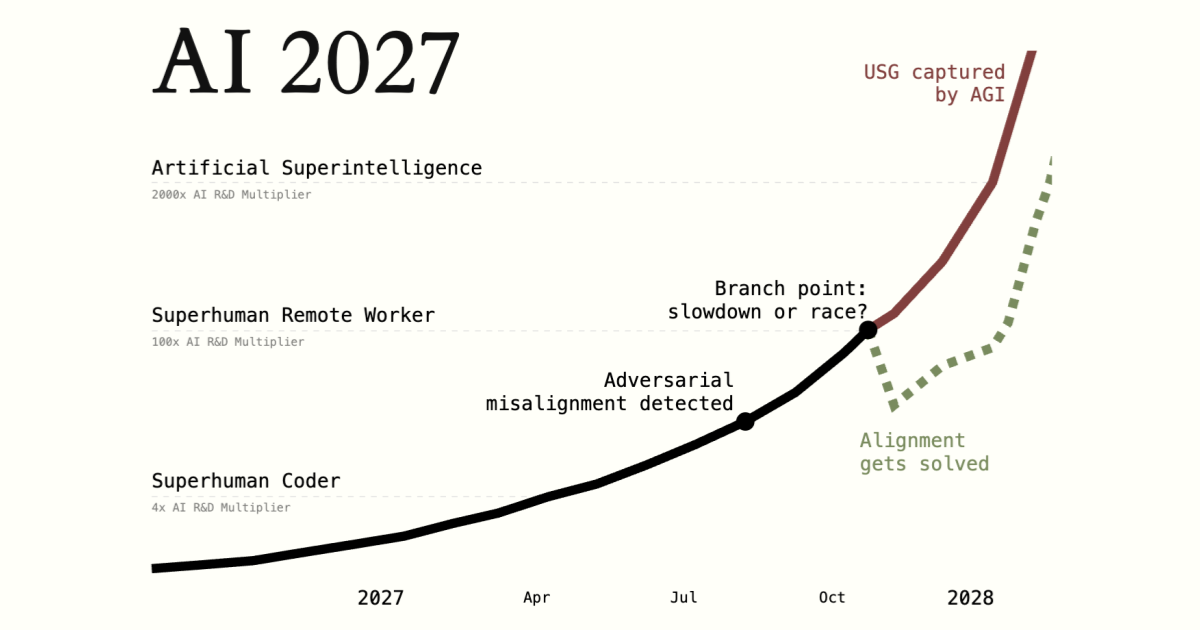
AI 2027
Dean W. Ball on Twitter / X
Dean W. Ball on Twitter / X
OpenAI drops a bomb on maths