

Technology can connect or divide us. At Civic Health Project, we're dedicated to advancing massively scalable solutions to society's dangerous divisions.
Connecting Research with Community - Civic Innovation Lab
Welcome to Civic Innovation Lab, where we drive social impact through collaborative solutions and empower communities. Join us in fostering sustainable development, co-creating initiatives, and advancing inclusive governance for a better future.

Civic Tech Toronto | A space to learn and collaborate
Civic Tech Toronto is a vibrant and diverse community of Torontonians engaged in understanding and creating solutions for civic challenges through technology, design, and other innovative means.

PARA
Civic social infrastructure for communities, governance, and public participation.
Civic Tech Field Guide
A rich, crowdsourced collection of thousands of tech for good projects from around the world.
Civic, Citizen and Grassroots Science: Towards a Transformative Scientific Research Model | Request PDF
Request PDF | On Jan 1, 2013, Jessica McCallum Breen and others published Civic, Citizen and Grassroots Science: Towards a Transformative Scientific Research Model | Find, read and cite all the research you need on ResearchGate

Home
Solidarity Infrastructures is a class that brings together creative practitioners from respective communities to investigate, strategize, upskill, and dream toward alternative socio-technological systems.
Citizen involvement in research on technological innovations for health, care or well-being: a scoping review
Citizen science can be a powerful approach to foster the successful implementation of technological innovations in health, care or well-being. Involving experience experts as co-researchers or co-designers of technological innovations facilitates mutual learning, community building, and empowerment. By utilizing the expert knowledge of the intended users, innovations have a better chance to get adopted and solve complex health-related problems. As citizen science is still a relatively new practice for health and well-being, little is known about effective methods and guidelines for successful collaboration. This scoping review aims to provide insight in (1) the levels of citizen involvement in current research on technological innovations for health, care or well-being, (2) the used participatory methodologies, and (3) lesson’s learned by the researchers., A scoping review was conducted and reported in accordance with the PRISMA-ScR guidelines. The search was performed in SCOPUS in January 2021 and included peer-reviewed journal and conference papers published between 2016 and 2020. The final selection (N = 83) was limited to empirical studies that had a clear focus on technological innovations for health, care or well-being and involved citizens at the level of collaboration or higher. Our results show a growing interest in citizens science as an inclusive research approach. Citizens are predominantly involved in the design phase of innovations and less in the preparation, data-analyses or reporting phase. Eight records had citizens in the lead in one of the research phases., Researcher use different terms to describe their methodological approach including participatory design, co-design, community based participatory research, co-creation, public and patient involvement, partcipatory action research, user-centred design and citizen science. Our selection of cases shows that succesful citizen science projects develop a structural and longitudinal partnership with their collaborators, use a situated and adaptive research approach, and have researchers that are willing to abandon traditional power dynamics and engage in a mutual learning experience.

Bikespace
Civic Tech Toronto is a vibrant and diverse community of Torontonians engaged in understanding and creating solutions for civic challenges through technology, design, and other innovative means.

Our Civic Signals research | New_ Public
The Civic Signals are 14 indicators of healthy online spaces, based on years of research into what makes online communities work.
Crowdsourced Health Research Studies: An Important Emerging Complement to Clinical Trials in the Public Health Research Ecosystem
Background: Crowdsourced health research studies are the nexus of three contemporary trends: 1) citizen science (non-professionally trained individuals conducting science-related activities); 2) crowdsourcing (use of web-based technologies to recruit project participants); and 3) medicine 2.0 / health 2.0 (active participation of individuals in their health care particularly using web 2.0 technologies). Crowdsourced health research studies have arisen as a natural extension of the activities of health social networks (online health interest communities), and can be researcher-organized or participant-organized. In the last few years, professional researchers have been crowdsourcing cohorts from health social networks for the conduct of traditional studies. Participants have also begun to organize their own research studies through health social networks and health collaboration communities created especially for the purpose of self-experimentation and the investigation of health-related concerns. Objective: The objective of this analysis is to undertake a comprehensive narrative review of crowdsourced health research studies. This review will assess the status, impact, and prospects of crowdsourced health research studies. Methods: Crowdsourced health research studies were identified through a search of literature published from 2000 to 2011 and informal interviews conducted 2008-2011. Keyword terms related to crowdsourcing were sought in Medline/PubMed. Papers that presented results from human health studies that included crowdsourced populations were selected for inclusion. Crowdsourced health research studies not published in the scientific literature were identified by attending industry conferences and events, interviewing attendees, and reviewing related websites. Results: Participatory health is a growing area with individuals using health social networks, crowdsourced studies, smartphone health applications, and personal health records to achieve positive outcomes for a variety of health conditions. PatientsLikeMe and 23andMe are the leading operators of researcher-organized, crowdsourced health research studies. These operators have published findings in the areas of disease research, drug response, user experience in crowdsourced studies, and genetic association. Quantified Self, Genomera, and DIYgenomics are communities of participant-organized health research studies where individuals conduct self-experimentation and group studies. Crowdsourced health research studies have a diversity of intended outcomes and levels of scientific rigor. Conclusions: Participatory health initiatives are becoming part of the public health ecosystem and their rapid growth is facilitated by Internet and social networking influences. Large-scale parameter-stratified cohorts have potential to facilitate a next-generation understanding of disease and drug response. Not only is the large size of crowdsourced cohorts an asset to medical discovery, too is the near-immediate speed at which medical findings might be tested and applied. Participatory health initiatives are expanding the scope of medicine from a traditional focus on disease cure to a personalized preventive approach. Crowdsourced health research studies are a promising complement and extension to traditional clinical trials as a model for the conduct of health research.

What We Fund - Knight Foundation
Knight Foundation funds four interconnected programs that support thriving communities and is shaped by how information, culture, and civic life intersect.

Local Digital Spaces Are Essential Civic Infrastructure (SSIR)
With traditional community spaces underfunded and neglected, investing in the health of our online gathering places has become essential. <meta property=
CivicPulse
CivicPulse is a nonpartisan nonprofit seeking to promote more effective local and state governance through improved access to reliable data and research.

Nature of Trust
The Nature of Trust Project is a collaboration between Biomimicry for Social Innovation (BSI) and Biomimicry 3.8 that combines biological research with real-world application to discover new models for social innovation using nature’s best strategies for building trust. Working alongside leaders in health equity and social change, the project explored how trust functions in living systems—and what those insights reveal for building stronger human relationships, organizations, and communities.

ChatGPT Health and what AI can do for a broken system
Healthcare isn’t working for patients or doctors, but AI tools can help.
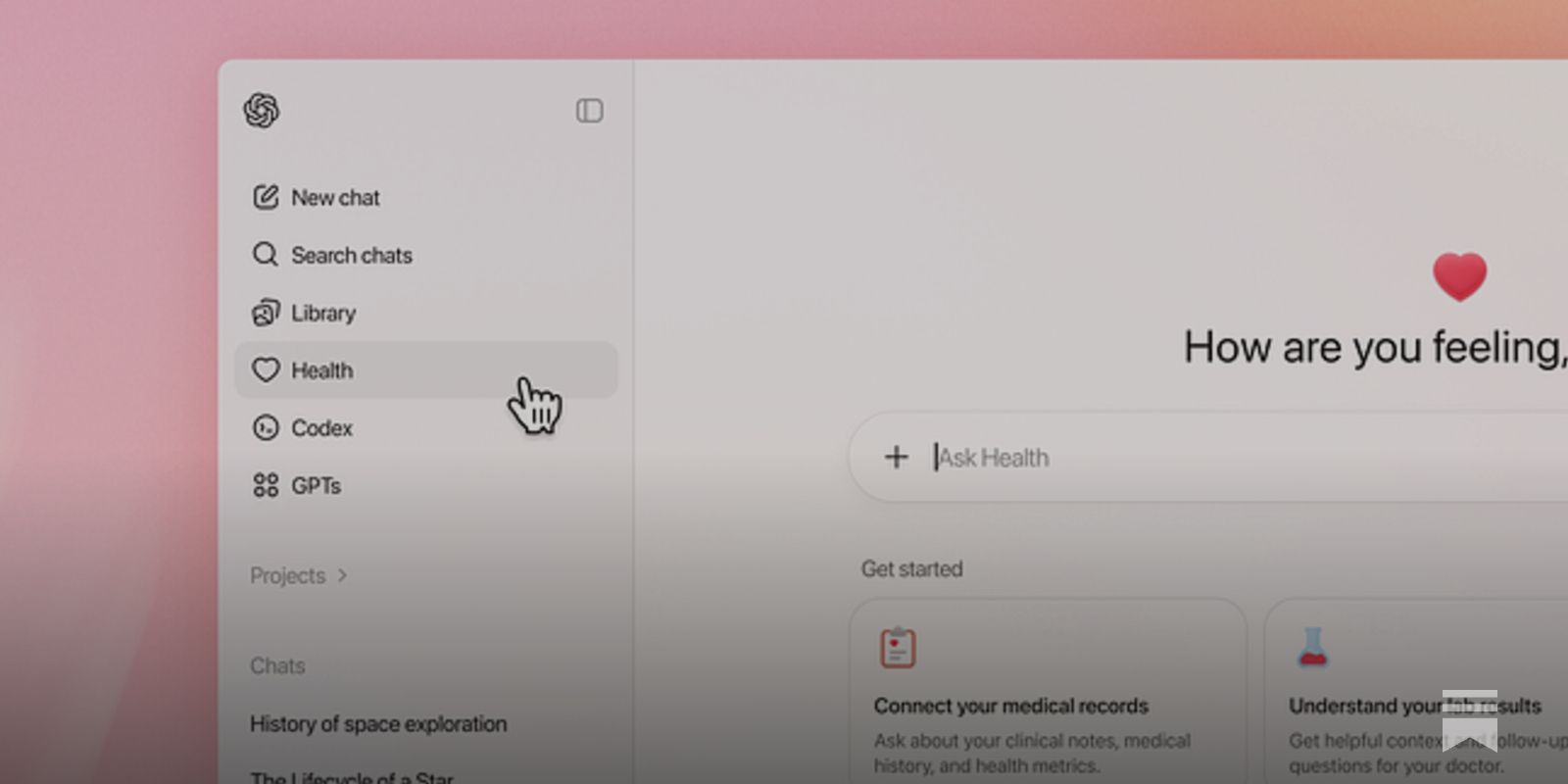
People are using AI for their health crises, and no amount of screaming about it is stopping that. I started slowly drafting a piece about my experiences having long, slow conversations about AI practices in the patient communities I'm in, where I primarily stay just to provide scientific support
