

Experimentelle Musik, Klangkunst & Performance in Saarbrücken Experimental Music, Sound Art & Performance in Saarbrücken [Experi]ence: das Hörerlebnis als akustische Erfahrung // the listening experience as an acoustic experience Experi[m]ental: das Unkonventionelle und Fremdwirkende // the unconventional and foreign Perform[ance]: die vergängliche künstlerische Darbietung – the ephemeral artistic performance Seit 2016 bietet die Veranstaltung Experimance ... Read moreA B O U T
Art of Noise
A multi-sensory exploration of how design has changed the way we’ve experienced music over the past 100 years.

(S+) Meinung: Ausländerfeindliche KI-Musik: Rechtsradikale Phrasen, verpackt in geschmackvolle Indie-Tunes
In den Niederlanden drängen rechte KI-Songs auf virale Spotify-Playlists. Doch hinter dem Fall steckt ein viel größeres Problem.

Music Chat: Classical Music's Ten Dirtiest Secrets
What's the sound of the printed word? — Was mich beschäftigt
Der YouTube-Algorithmus hat mich mit einem Video über die Bibel überrascht. Ich bin gerade hin- und hergerissen, aber ich muss das Video teilen, weil der Designer im Video über …

The Ascendance of Bay Area Dance Music
The contemporary sound of Bay Area dance music is high-energy, omnivorous, and life-affirming.

Divining an Afrofuturist Music Education – ACT
Published in Action, Criticism, and Theory for Music Education 22 (4): 131–58. [pdf] https://doi.org/10.22176/act22.4.131
Why we should tune into the orchestra of the animal world | Aeon Essays
Listen to the boundless sounds of nature, the great animal orchestra, whose songs imbue the world with fresh meaning

Open Social Media: Eine Einführung auf Deutsch - Hilke schreibt
Im Dezember 2025 wurde ich vom Musikbüro Basel eingeladen, einen Workshop über Alternativen für Big Tech im Musikbereich zu leiten. Der Workshop wurde aufgenomm...

Barcamp und UX Community Treffen | UX Festival 2026 by German UPA
Seit dem 4. Dezember 2025 habt ihr die Möglichkeit, Tickets zu kaufen.

Sound Obsessed — collection
There Will Never Be Silence: Scoring John Cage’s 4′33″ | MoMA
Exhibition. Oct 12, 2013–Jun 22, 2014. On a warm summer evening in August 1952 pianist David Tudor approached a piano on stage at the Maverick Concert Hall in Woodstock, New York. Stopwatch in hand, Tudor sat before the piano and, without striking a note, premiered John Cage’s composition 4′33″. Commonly known as Cage's “silent” piece, 4′33″ comprises three movements during which a performer—or performers—are instructed to produce no intentional sounds for four minutes and 33 seconds. This radical gesture upended the conventional structure of music, shifting attention from the performer to the audience, and allowing for endless possibilities of ambient sounds to fill the space. Today, 4′33″ is recognized as a groundbreaking work that synthesizes Cage’s interests in chance operations, experimental music, and visual arts. When discussing the work over his lifetime, Cage emphasized that, rather than intending to simply shock his audience, he hoped to attune listeners to silence as a structure within musical notation. In the visual arts, Cage’s contemporaries were similarly using chance, “negative space,” and physically dematerialized works that encourage open presentations or interpretations of scripted experiences. This exhibition introduces the Museum’s recently acquired score for 4′33″ and examines it, and Cage’s influence, as a critical pivot around which a diverse array of artists working throughout the 20th century can be united. Taking its title from a letter written by Cage in 1954, There Will Never Be Silence features prints, drawings, artists’ books, photographs, paintings, sculptures, and films by such artists as Marcel Duchamp, Kurt Schwitters, Robert Rauschenberg, Robert Morris, Lawrence Weiner, Yoko Ono, Andy Warhol, and other artists associated with Fluxus, Minimalism, and Conceptual art who pushed preconceived boundaries of space, time, and physicality to new ends.

Black Music, White Halls: Toward a Black American Music Curriculum – ACT
Published in Action, Criticism, and Theory for Music Education 25 (1): 52–76 [pdf]. https://doi.org/10.22176/act25.1.52

AI & Music - developments & perspectives

Perspectives, developments, & news re: AI & music

YouTube Music adds new labels for AI music
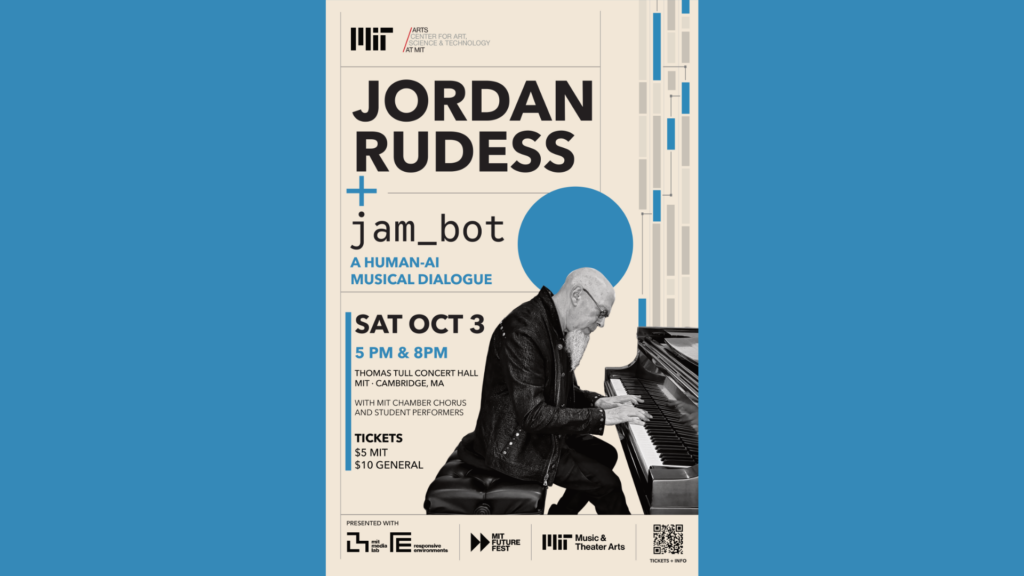
Jordan Rudess + jam_bot at MIT October 3

Jordan Rudess and MIT’s jam_bot: A New Era of Human-AI Musical Collaboration
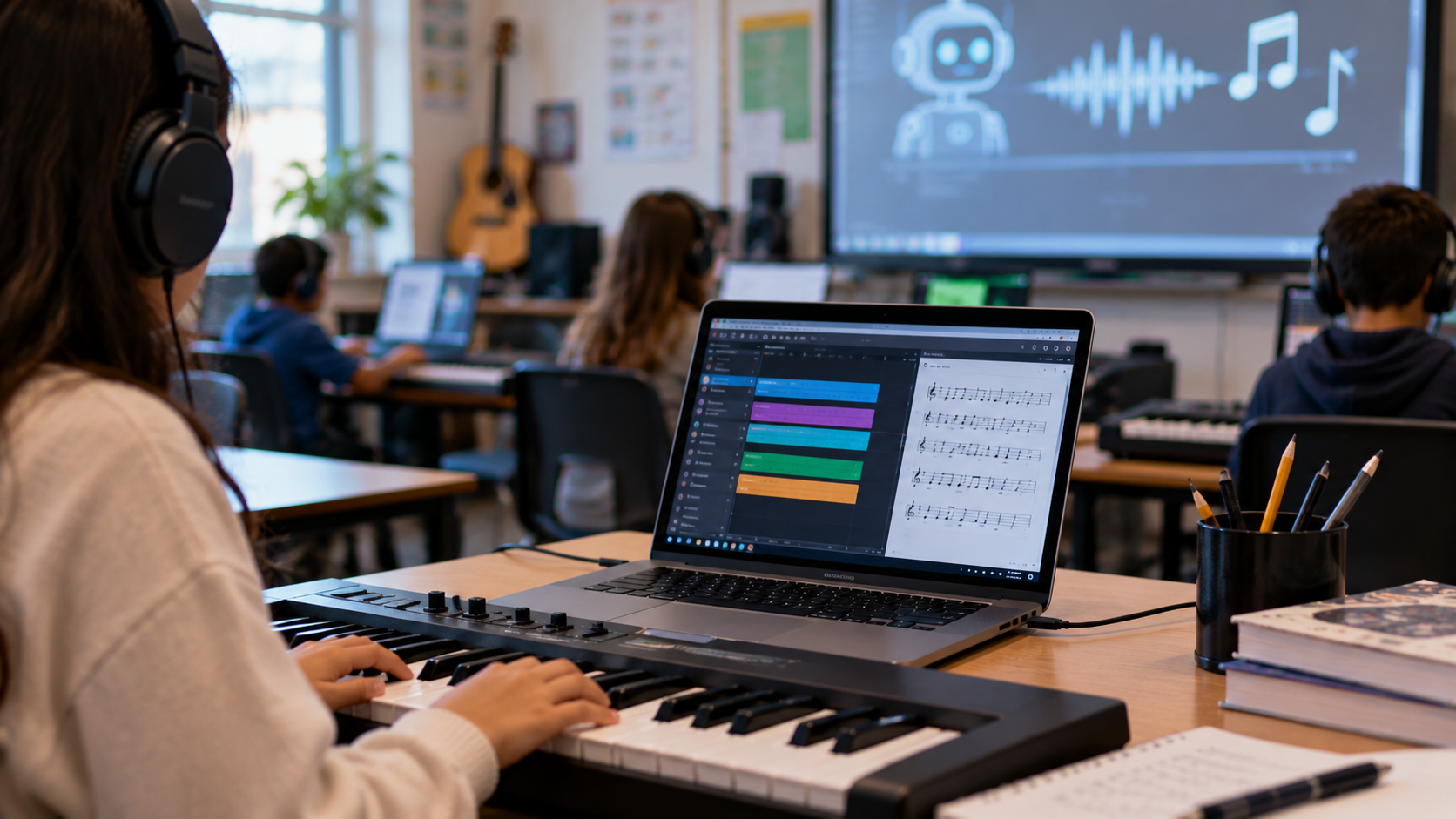
Artificial Intelligence in Music Classrooms: PK-12 Educators’ Practices, Concerns, and Confidence

“It frustrates me to hear people bashing something that's so amazing”: Todd Edwards is optimistic about AI in music production

An A.I. Songwriting Experiment: Humans Against the Machine