Follow the Money - Platform for investigative journalism
The Technological Poison Pill: How ATProtocol Encourages Competition, Resists Evil Billionaires, Lock-In & Enshittification
Disclosure: I’m on the board of Bluesky, so feel free to take as many grains of salt as you want in reading it, even though part of this is cheering on a new entrant looking to build an alternative…

Blendle: A radical experiment with micropayments in journalism, 365 days later
One year of journalism without subscriptions, without ads and without clickbait

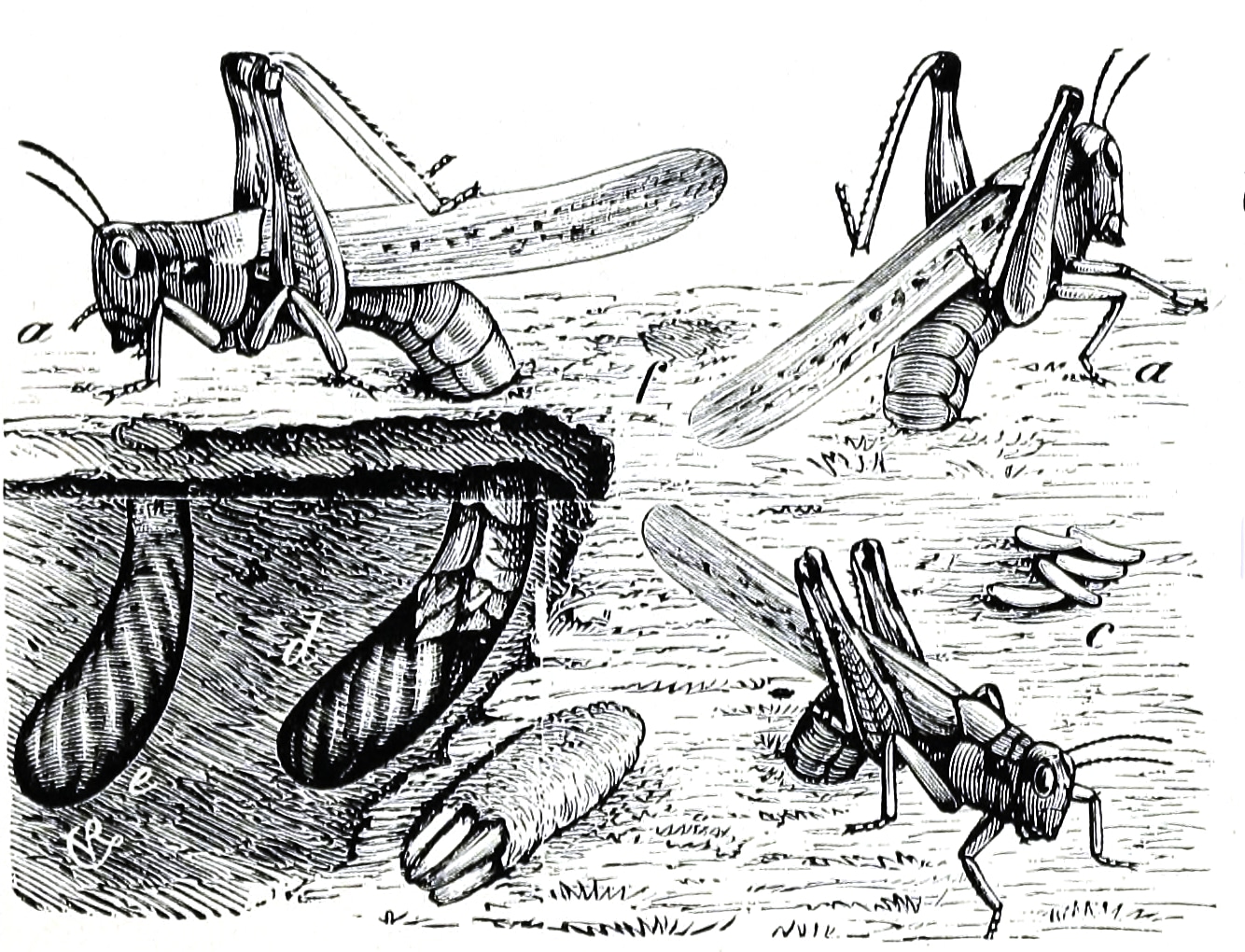
The “Terrible Engine of Destruction” That Inspired Federal Science Funding
What can we learn about the relationship between science and the American public from the story of plagues of locusts in the 1870s?
Push journalism vs. pull journalism
Let's experiment with making news products so relevant that people pull them into their lives

Research ethics: 3 ways to blow the whistle
Reporting suspicions of scientific fraud is rarely easy, but some paths are more effective than others.

Stop Advertising The Atmosphere As Speculative Technology - thoughts (tiny)
The atproto enthusiast community is inadvertently turning others off to the ecosystem

Want More Policies Based on Evidence?
Medicine teaches us it will take time, effort, and investment.

Opinion: Losing the Local Journalism Initiative leaves communities in the dark
With more outlets vying for federal funding, why are national outlets opening up new bureaus in communities with healthy media ecosystems?


The Feed is the Product: Why We Stay in Walled Gardens, and Why We Might Finally Leave for the Open Social Web - Zsolt's pckt blog
We have known this for years. We have known that the major platforms are bad for our attention, our sleep, our politics, our children, and our sense of reality....
Why "Solutions" Fail | Dave Snowden

Why the Stockholm Declaration will never work
Abstract The Stockholm Declaration calls for a moral reformation of scientific publishing—replacing commercial publishers with scholar-led journals, rewarding quality over quantity and instituting independent oversight. While noble in spirit, it fundamentally misdiagnoses the disease. The crisis of science stems not from paper mills or profit motives but from systemic incentives that reward volume, novelty and prestige over validity and reliability. Non-profit ownership will not neutralize the prestige economy, sleuth-led policing cannot scale, and ‘integrity registries’ would merely replace metrics with surveillance. True reform requires rebuilding the publishing infrastructure as a public utility: publicly funded, free to publish and read, and stripped of hierarchy and financial incentives.

Stop Advertising The Atmosphere As Speculative Technology · thoughts (tiny)
The atproto enthusiast community is inadvertently turning others off to the ecosystem
Howtown
Environmental epidemiology in a crossfire
Two tendencies have emerged in environmental epidemiology that hamper the translation of research findings into prevention of environmental hazards. One is the increased focus on highlighting weaknesses of epidemiology research that is clearly meant to explain away the research conclusions and weaken their possible implications for interventions to control environmental hazards. Another is the voluminous amount of information sharing that involves a substantial amount of misinformation, as part of the ongoing infodemic. In this light, the appearance of the catalogue of doubt-raising strategies, indeed the worst practices of scientific inference, is good news. Collected under the auspices of the International Network for Epidemiology in Policy, it serves to illustrate the range of possible (and impossible) forms of critique that may be raised on behalf of vested interests or other groups who for some reason disagree with the epidemiological conclusions. We believe that this systematic list will be useful in our field and help to identify critiques of policy options that are hidden and sometimes suppressed in weighing the epidemiological evidence.