


Best-known for his seminal sf novel Neuromancer, Willia…
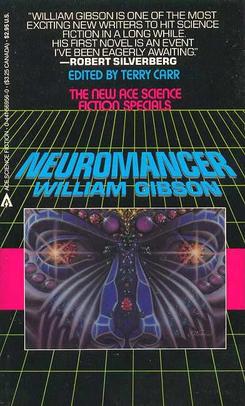
Neuromancer
Neuromancer is a 1984 science fiction novel by William Gibson. Set in a near-future dystopia, the narrative follows Case, a computer hacker enlisted into a crew by a powerful artificial intelligence and a traumatised former soldier to complete a high-stakes heist. It was Gibson's debut novel and, after its success, served as the first entry in the Sprawl trilogy, followed by Count Zero (1986) and Mona Lisa Overdrive (1988).

Homepage — PL Neuro
David A. Markowitz, Juan Benet, Jacques Carolan, Eli Dourado, Thomas Kalil, Amy Kruse, Adam Marblestone, Patrick Mineault, Joanne Peng, Joshua Rosenow, Sean Escola

Review: ‘Chaos Monkeys’ Is a Guide to the Spirit of Silicon Valley (Published 2016)
Underneath the braggadocio and evisceration of professional nemeses in Antonio García Martinez’s book lies the beating heart of a formidable teacher.

An Undying Love For A Burning World, by Neurosis
Computational Psychiatry Needs Systems Neuroscience
This piece was originally published in The Transmitter. I am adapting it here with some additional context for readers of this newsletter.
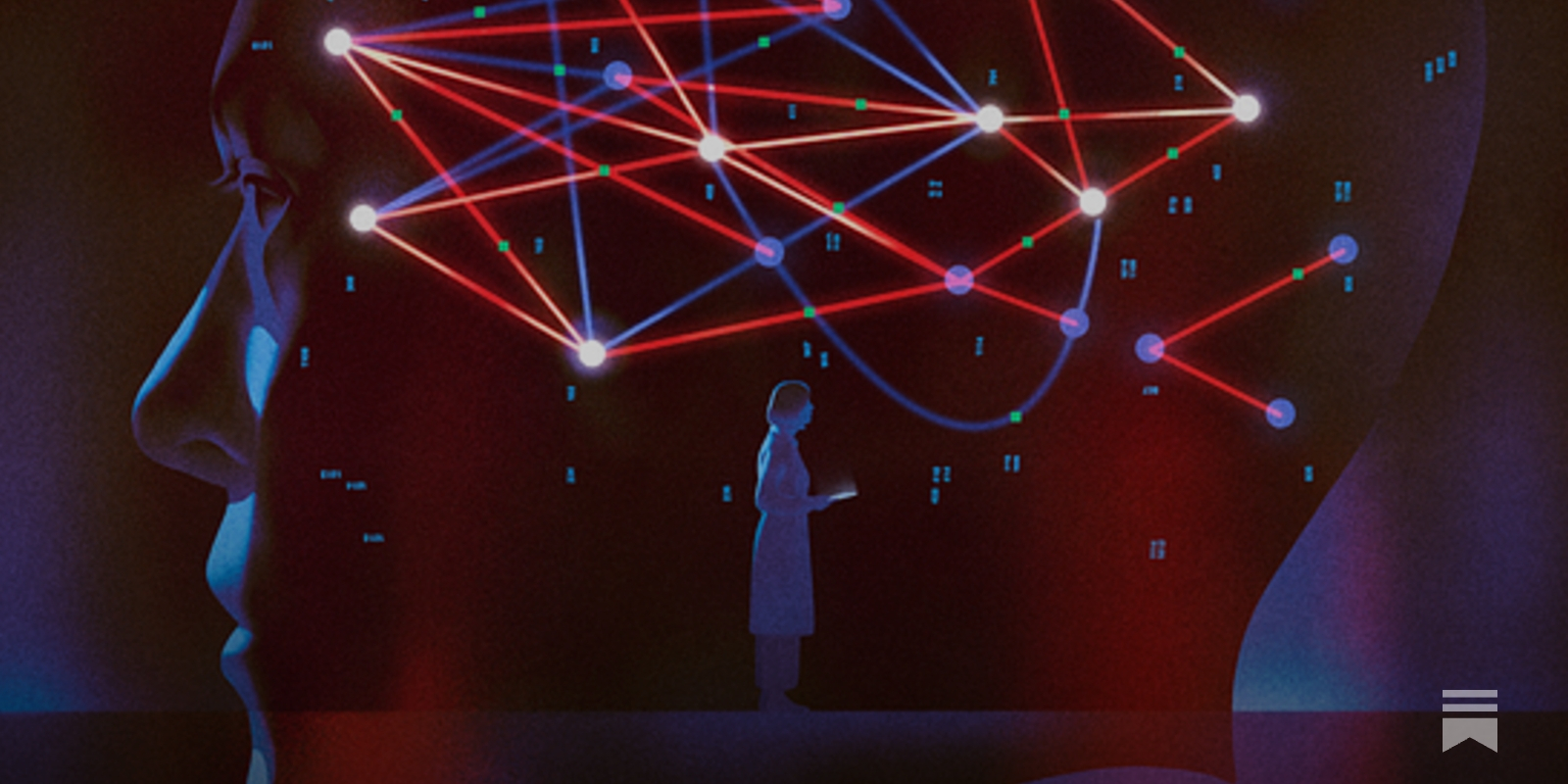
Jeff Hawkins Is Finally Ready to Explain His Brain Research (Published 2018)
He created the mobile computing companies Palm and Handspring. But for decades his passion has been studying how the human brain works.

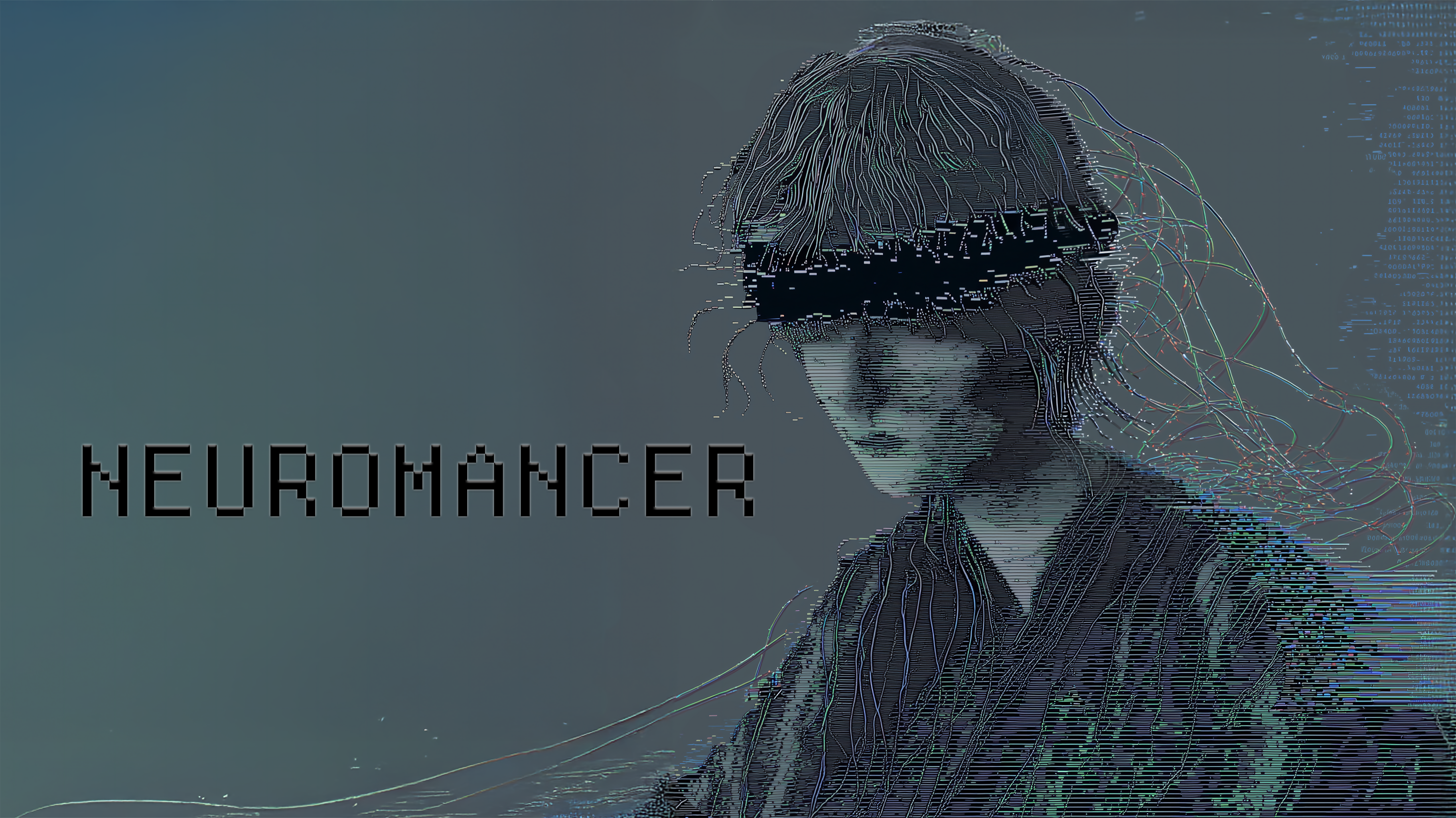
Plastic Labs Releases Neuromancer XR
NEUROMANCER: The first collection of models dedicated to AI-native memory and social cognition.

Dopamine Trap
Dopamine Trap does narrative driven decay. With organic noise, apocalyptic soundscapes, and scathing poetry his productions cast lovecraftian solopsisms on the roof of the skull, dripping with tumors of unresolved inter-generational trauma, resignation and reckless, violent love. He delights in emptiness and the granular implications of percussive silence.

Neuron Zettelkasten
Neuron is a future-proof open-source app for managing your plain-text notes in Zettelkasten style, as well as for publishing them as a static site on the web. Read its Philosophy.
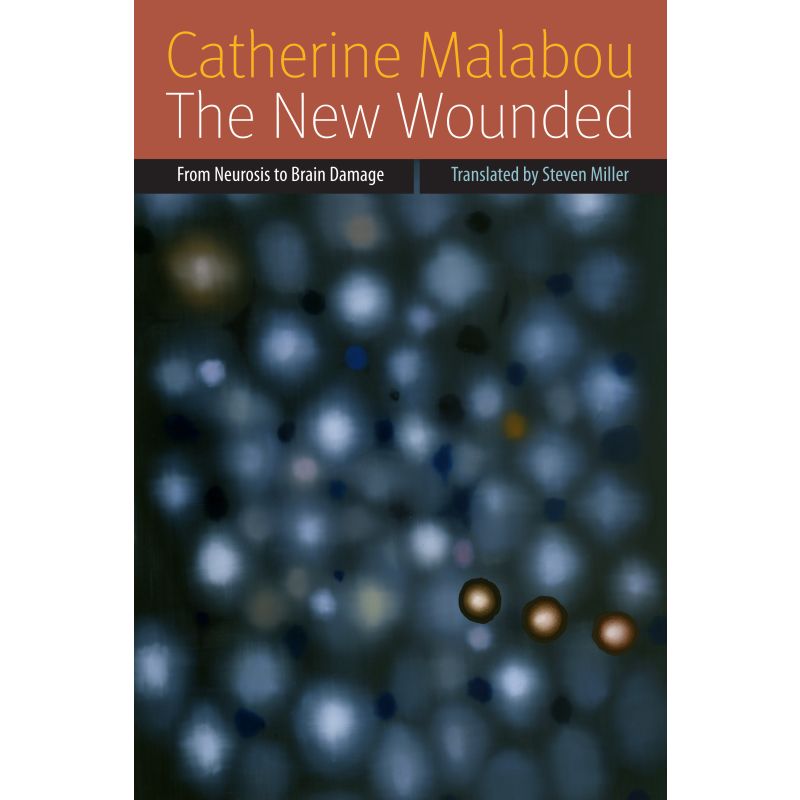
The New Wounded
This book addresses the issue of trauma and psychic wounds to stage a confrontation between psychoanalysis and contemporary neurobiology. In so doing, it reevaluates the brain as an organ that is not separated from psychic life but rather appears as its very locus. A philosophical approach of the “new wounded” (brain lesion patients) forms the matter of the confrontation.
Neuroscience, Cognition & Psychology

Neurotech + NeuroAI

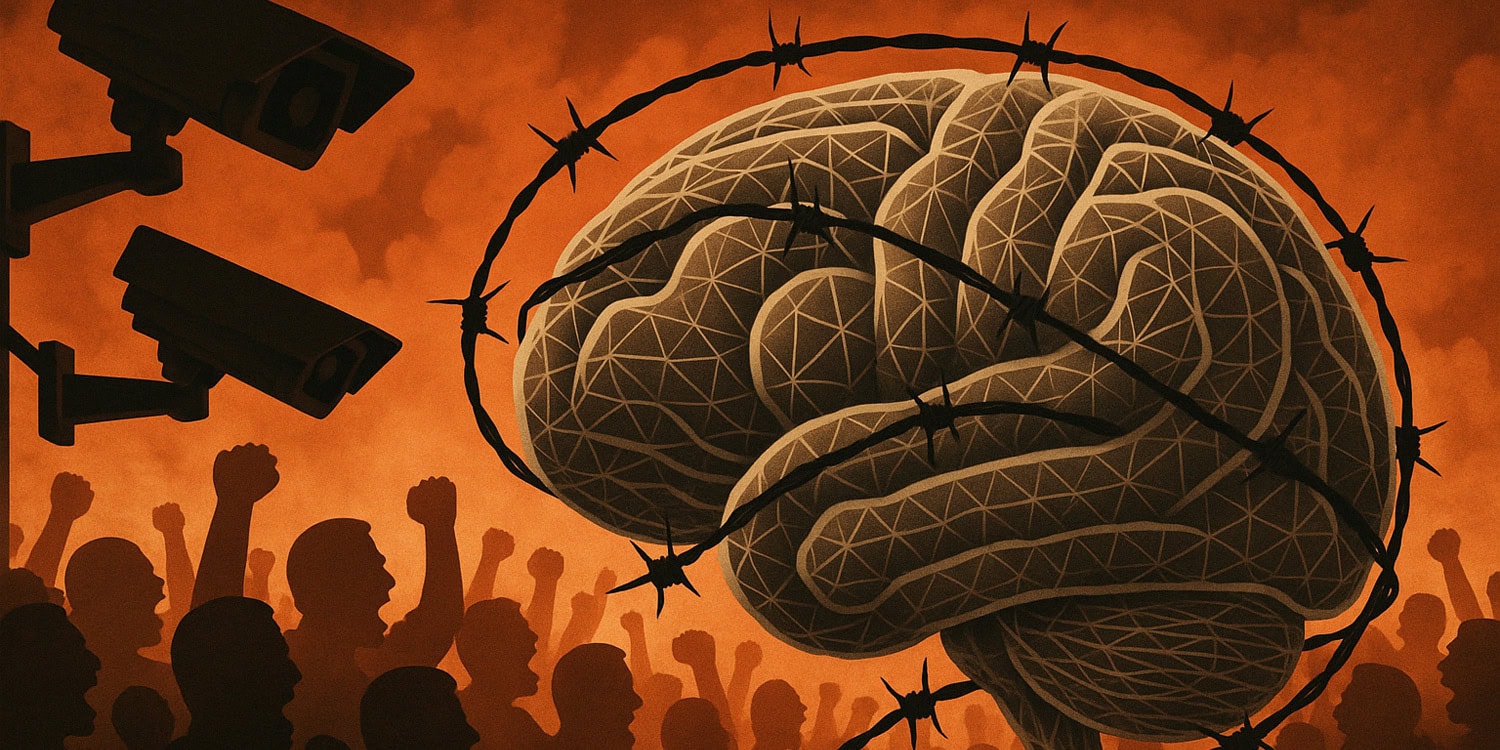
Anti-democratic attitudes are highly contagious, new psychology study finds
Hyperactive–impulsive ADHD traits predict higher curiosity in adults: evidence from a cross-sectional study
Understanding the influence of digital technology on human cognitive functions: A narrative review

How the hypercuriosity of ADHD may have helped humans thrive | Aeon Essays
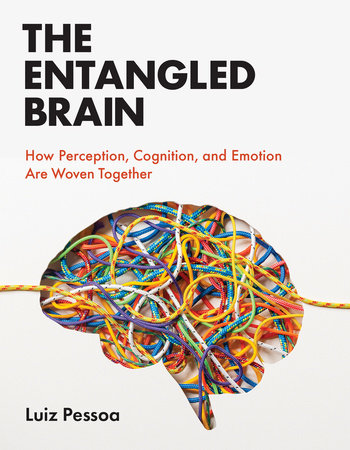
The Entangled Brain: How Perception, Cognition, and Emotion Are Woven Together
The Many Brains Project
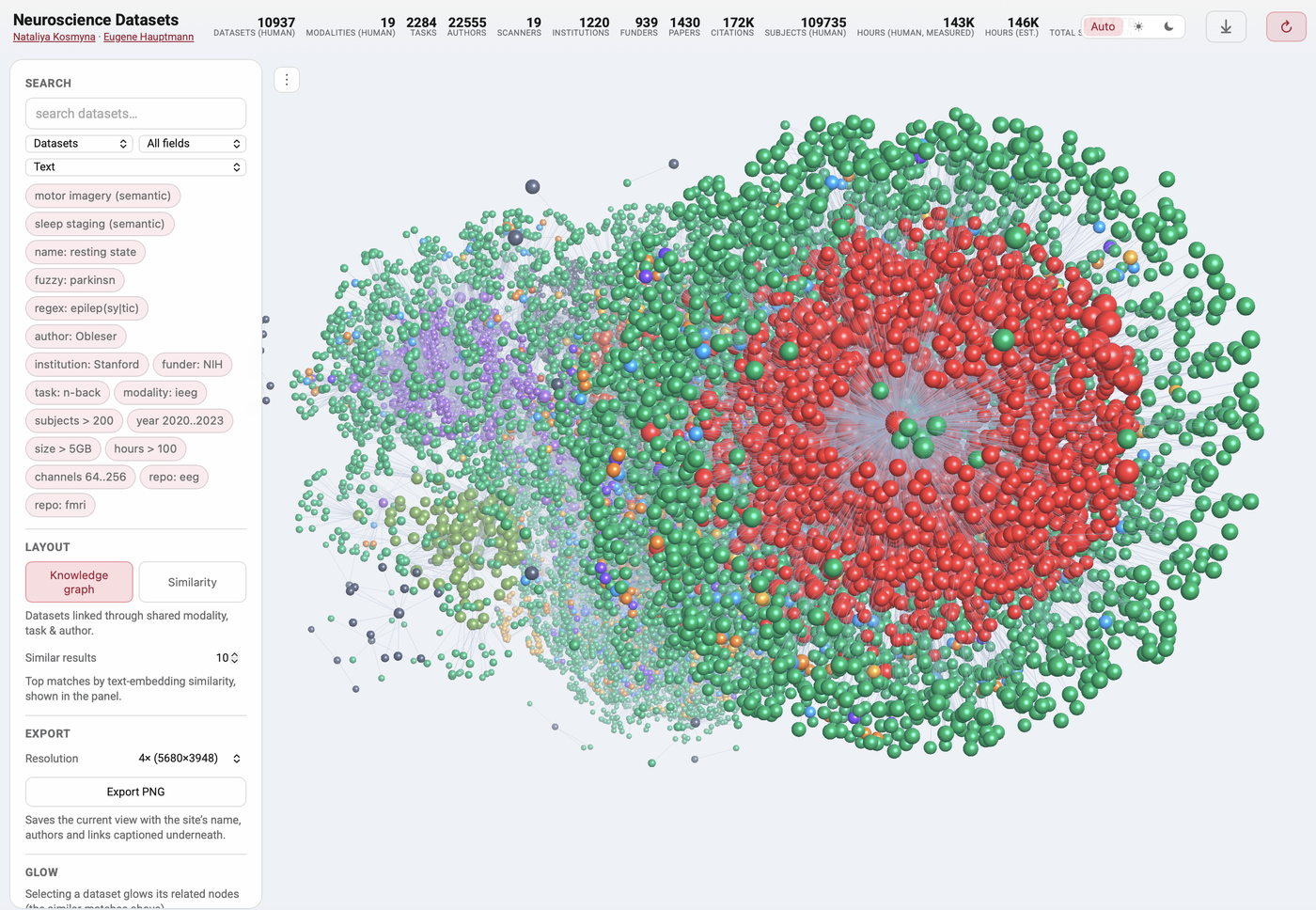
Project Overview ‹ NeuroDatasets Tool – MIT Media Lab

E11 Bio | Moonshot Neuroscience
Conduit

Dandelion Science — from digital brains to therapies

Fluent BCI | Intelligence over Invasiveness