

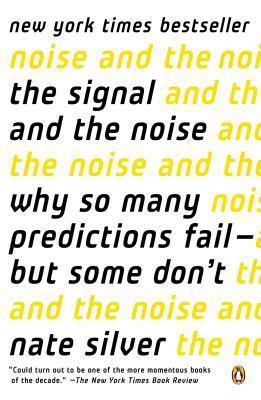
"Nate Silver's The Signal and the Noise is The Soul of …
Ultra-Processed Information: AI and the Coming Deluge of Noise | Frankly 128
On the edge: the art of risking everything
"From the New York Times bestselling author of The Signal and the Noise, the definitive guide to our era of risk-and the players raising the stakes In the bestselling The Signal and the Noise, Nate Silver showed how forecasting would define the age of Big Data. Now, in this timely and riveting new book, Silver investigates "The River," or those whose mastery of risk allows them to shape-and dominate-so much of modern life. These professional risk takers-poker players and hedge fund managers, crypto true-believers and blue-chip art collectors-can teach us much about navigating the uncertainty of the 21st century. By embedding within the worlds of Doyle Brunson, Peter Thiel, Sam Bankman-Fried, Sam Altman, and many others, Silver offers insight into a range of issues that affect us all, from the frontiers of finance to the future of AI. The River has increasing amounts of wealth and power in our society, and understanding their mindset-including the flaws in their thinking-is key to understanding what drives technology and the global economy today. There are certain commonalities in this otherwise diverse group: high tolerance for risk; appreciation of uncertainty; affinity for numbers; skill at de-coupling; self-reliance and a distrust of the conventional wisdom. For the River, complexity is baked in, and the work is how to navigate it, without going beyond the pale. Taking us behind-the-scenes from casinos to venture capital firms to the FTX inner sanctum to meetings of the effective altruism movement, On the Edge is a deeply-reported, all-access journey into a hidden world of powerbrokers and risk takers"--

Asking the wrong questions — Benedict Evans
With fundamental technology change, we don't so much get our predictions wrong as make predictions about the wrong things.

Dr. Émile P. Torres (they/them) on Twitter / X
What's amazing about this is every time there's a new grand prediction about AI, it's like people forget the 500 previous predictions from the same group of people that were completely wrong. AI by 2025 (Musk). AI doing most coding by 2025 (Amodei). Etc. Why is that?? https://t.co/t9CcMQO4EN— Dr. Émile P. Torres (they/them) (@xriskology) January 28, 2026
The Decoherence Trap: When AI slop drowns out the signal in an endless sea of noise
Of all the forms of tech debt, decoherence is the worst. It compounds exponentially with a system's rate of change, and AI is now producing it faster than ever, leading us deeper and deeper into the abyss...
Generative AI’s crippling and widespread failure to induce robust models of the world
LLM failures to reason, as documented in Apple’s Illusion of Thinking paper, are really only part of a much deeper problem

How Our Company Learned to Make Better Predictions About Everything
We all make bets about the future, whether we call them that or not. We select a career based on perceptions about its prospects; we take on projects based on what we think we can accomplish; we hire employees based on how we predict they will perform. We don’t have an option not to make predictions in our work lives, but we do have an option to try and make better ones. At Twitch, employees have worked to create a culture of forecasting based on the research of Philip Tetlock. Although employees were skeptical at first, most have come to embrace the practice of making frequent numerical forecasts.

Model Collapse Ends AI Hype
Ed Zitron's AI prediction track record
The Cosmos and the Model
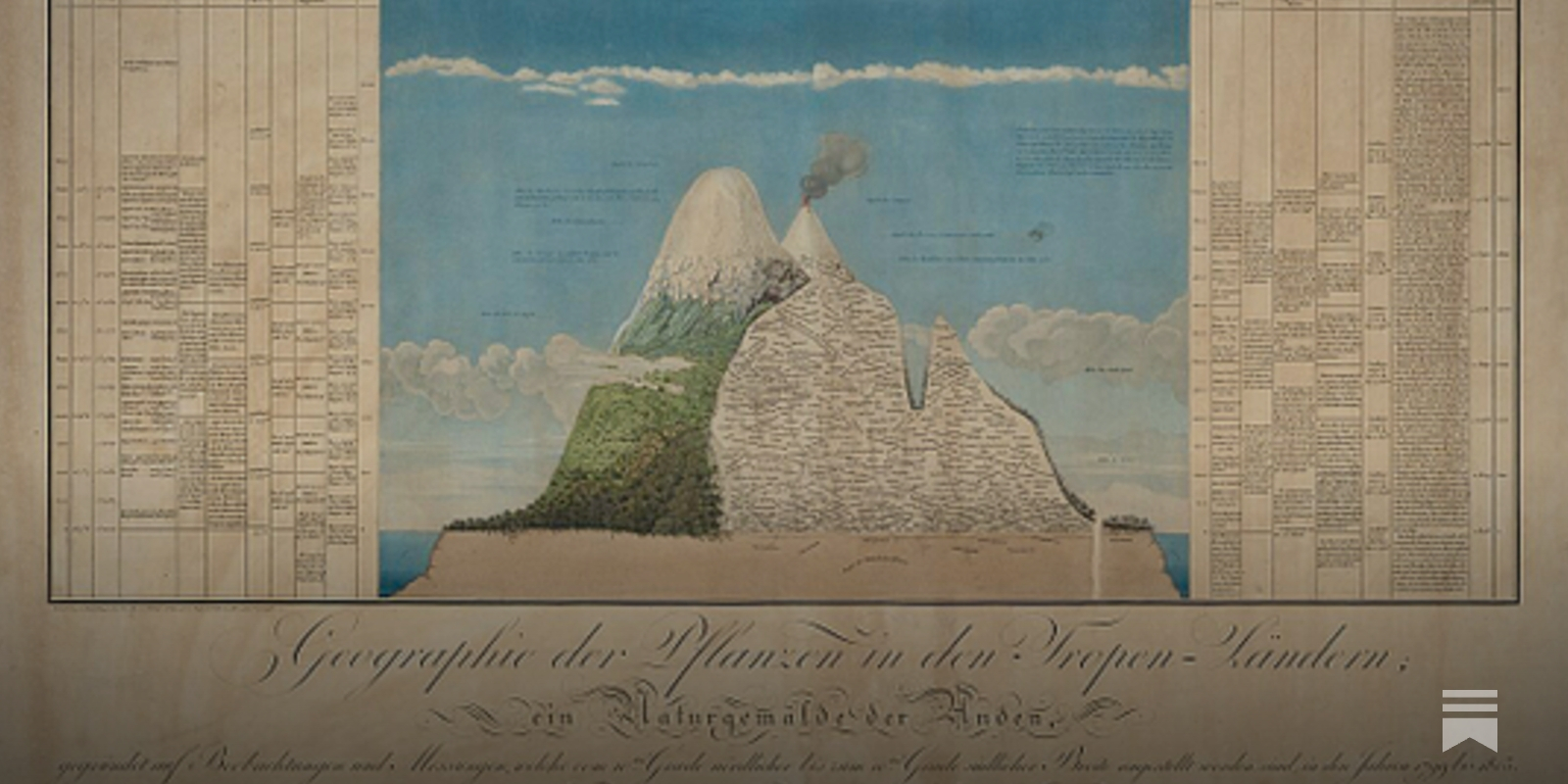
Humboldt, the Romantics, and What AI Loses by Averaging
Why Are We Using Black Box Models in AI When We Don’t Need To? A Lesson From an Explainable AI Competition · Issue 1.2, Fall 2019
In 2018, a landmark challenge in artificial intelligence (AI) took place, namely, the Explainable Machine Learning Challenge. The goal of the competition was to create a complicated black box model for the dataset and explain how it worked. One team did not follow the rules. Instead of sending in a black box, they created a model that was fully interpretable. This leads to the question of whether the real world of machine learning is similar to the Explainable Machine Learning Challenge, where black box models are used even when they are not needed. We discuss this team’s thought processes during the competition and their implications, which reach far beyond the competition itself.

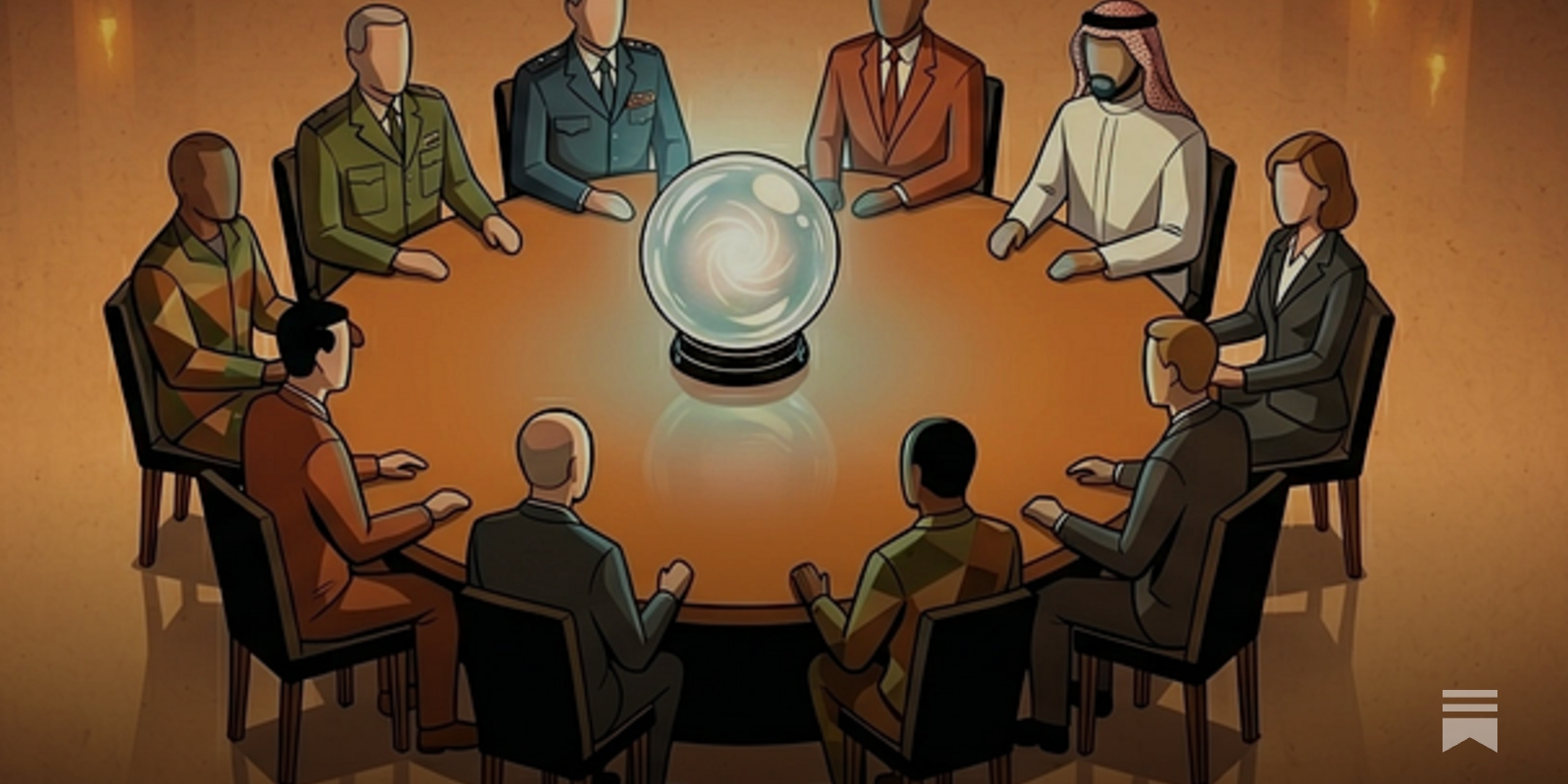
The Expert Trap and the Next War
what forecasting failure tells us about the future
Critical Signals
Critical Signals explores practical and visionary responses to an era of collapses.
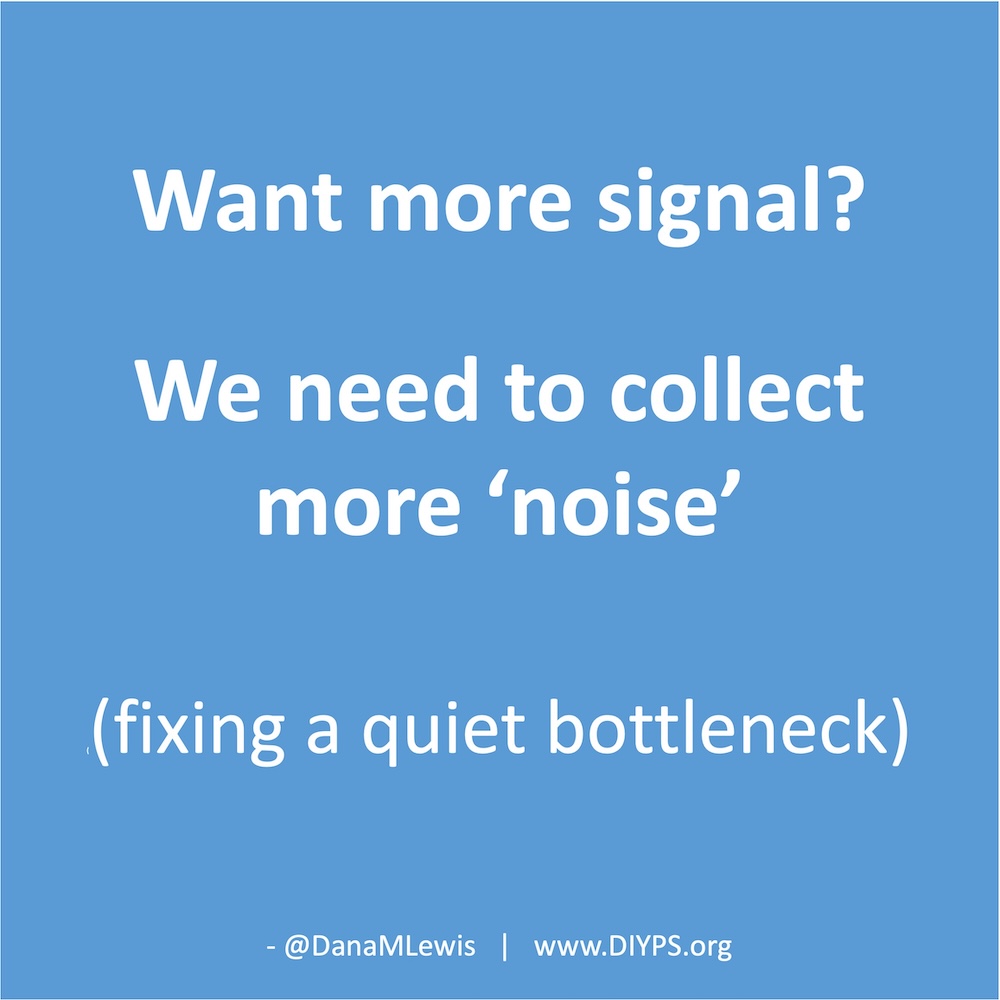
Want signal? We need more noise (looking at the quiet bottleneck)
We need more signal, which means we want more noise. A lot of current scientific infrastructure is designed to minimize messiness: define a narrow question, collect the minimum data required to answer it, standardize the dataset, exclude complicating variables, finish the analysis, publish the result. That approach is understandable. It is also one reason we…
AI Predictions, Big and Small

A compilation of ideas and writing where there is some prediction of the future so that we can look back one day and compare.
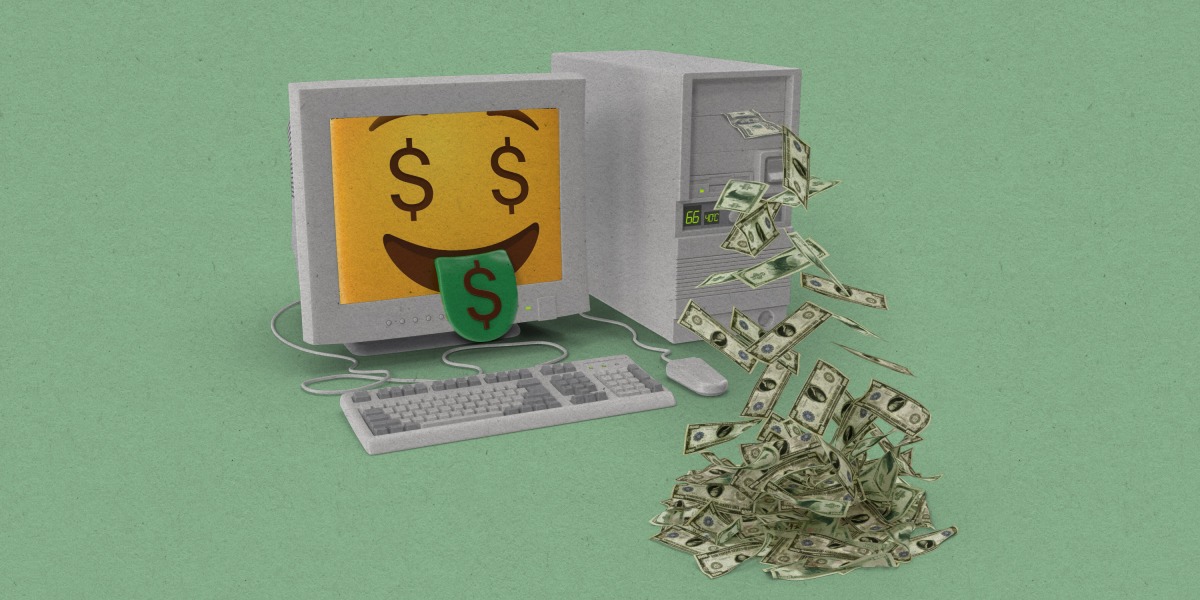
Mustafa Suleyman: My new Turing test would see if AI can make $1 million
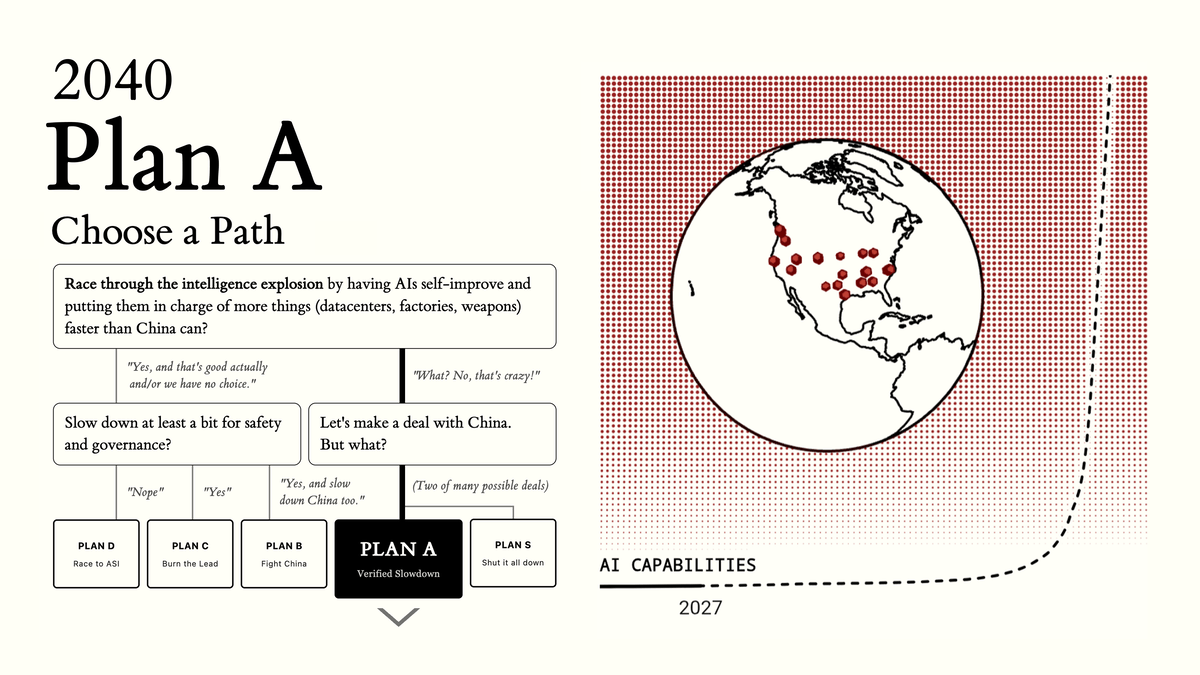
AI 2040: Plan A
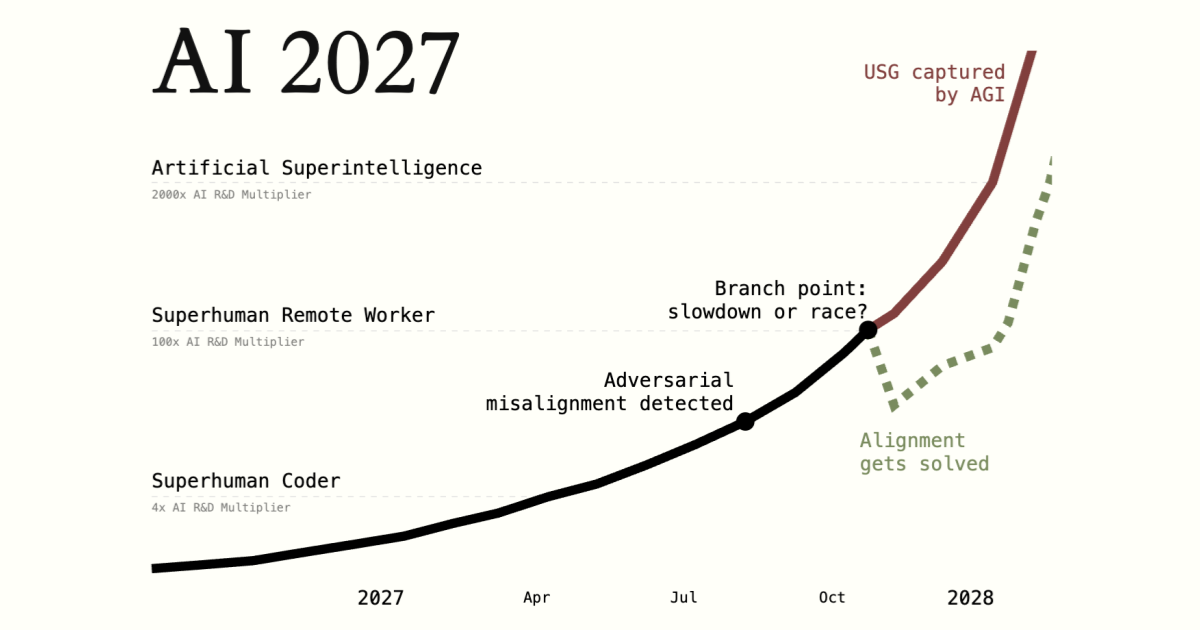
AI 2027
Dean W. Ball on Twitter / X
Dean W. Ball on Twitter / X
OpenAI drops a bomb on maths