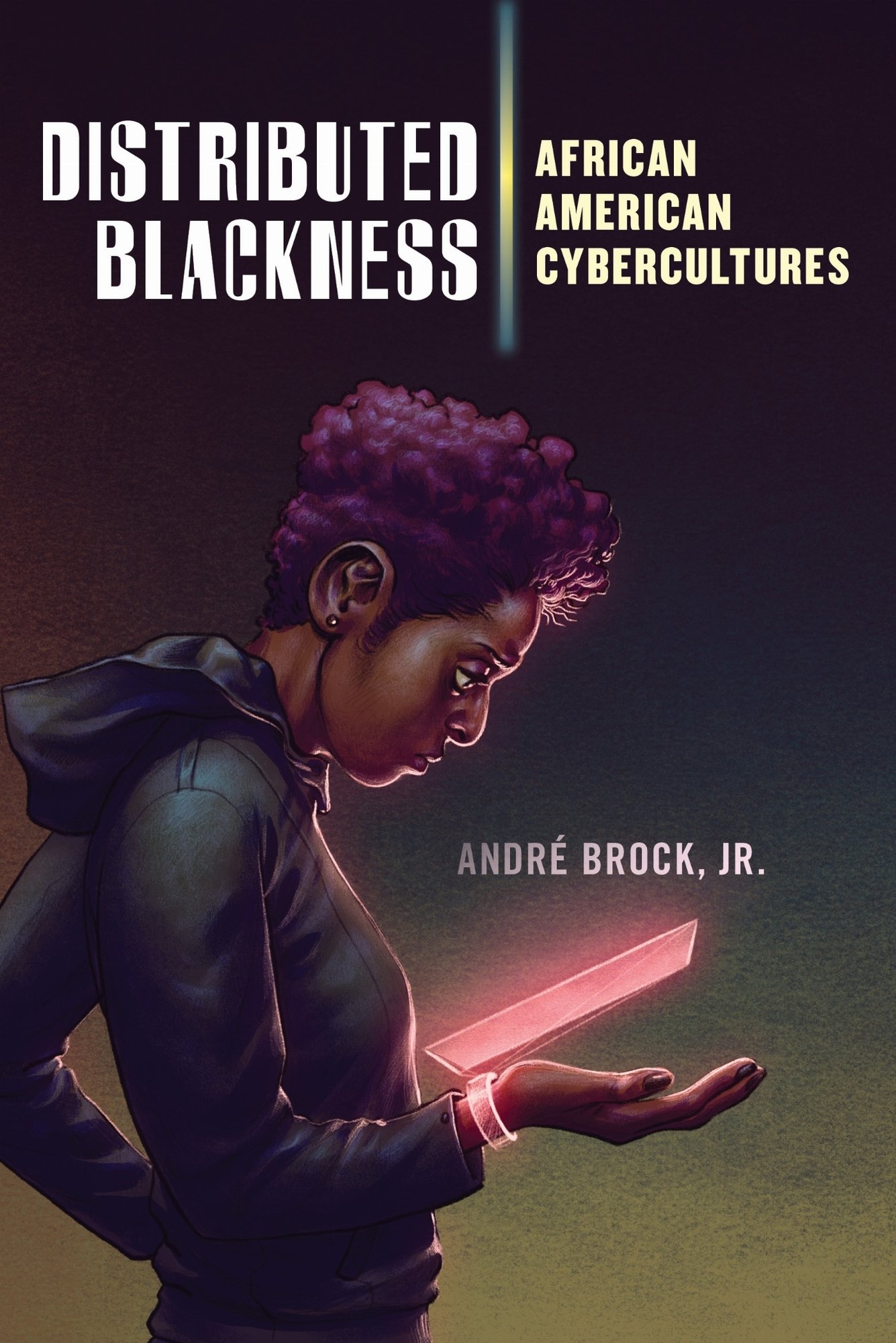
In Dark Matters Simone Browne locates the conditions of blackness as a key site through which surveillance is practiced, narrated, and resisted. She shows how contemporary surveillance technologies and practices are informed by the long history of racial formation and by the methods of policing black life under slavery, such as branding, runaway slave notices, and lantern laws. Placing surveillance studies into conversation with the archive of transatlantic slavery and its afterlife, Browne draws from black feminist theory, sociology, and cultural studies to analyze texts as diverse as the methods of surveilling blackness she discusses: from the design of the eighteenth-century slave ship Brooks, Jeremy Bentham's Panopticon, and The Book of Negroes, to contemporary art, literature, biometrics, and post-9/11 airport security practices. Surveillance, Browne asserts, is both a discursive and material practice that reifies boundaries, borders, and bodies around racial lines, so much so that the surveillance of blackness has long been, and continues to be, a social and political norm

Dark Matters: On the Surveillance of Blackness by Simon…
Discover and share books you love on Goodreads.

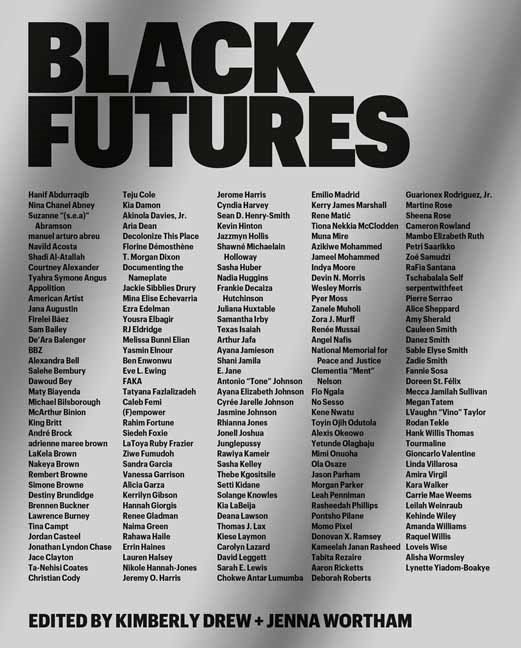
Black Futures
Check out Black Futures - <b><b>“A literary experience unlike any I’ve had in recent memory . . . a blueprint for this moment and the next, for where Black folks have been and where they might be going.”—<i>The New York Times Book Review</i> (Editors’ Choice)</b><br><br></b><i><b>What does it mean to be Black and alive right now?</b></i><br><br>Kimberly Drew and Jenna Wortham have brought together this collection of work—images, photos, essays, memes, dialogues, recipes, tweets, poetry, and more—to tell the story of the radical, imaginative, provocative, and gorgeous world that Black creators are bringing forth today. The book presents a succession of startling and beautiful pieces that generate an entrancing rhythm: Readers will go from conversations with activists and academics to memes and Instagram posts, from powerful essays to dazzling paintings and insightful infographics.<br><br> In answering the question of what it means to be Black and alive, <i>Black Futures</i> opens a prismatic vision of possibility for every reader. by Jenna Wortham and Kimberly Drew on Bookshop.org UK!

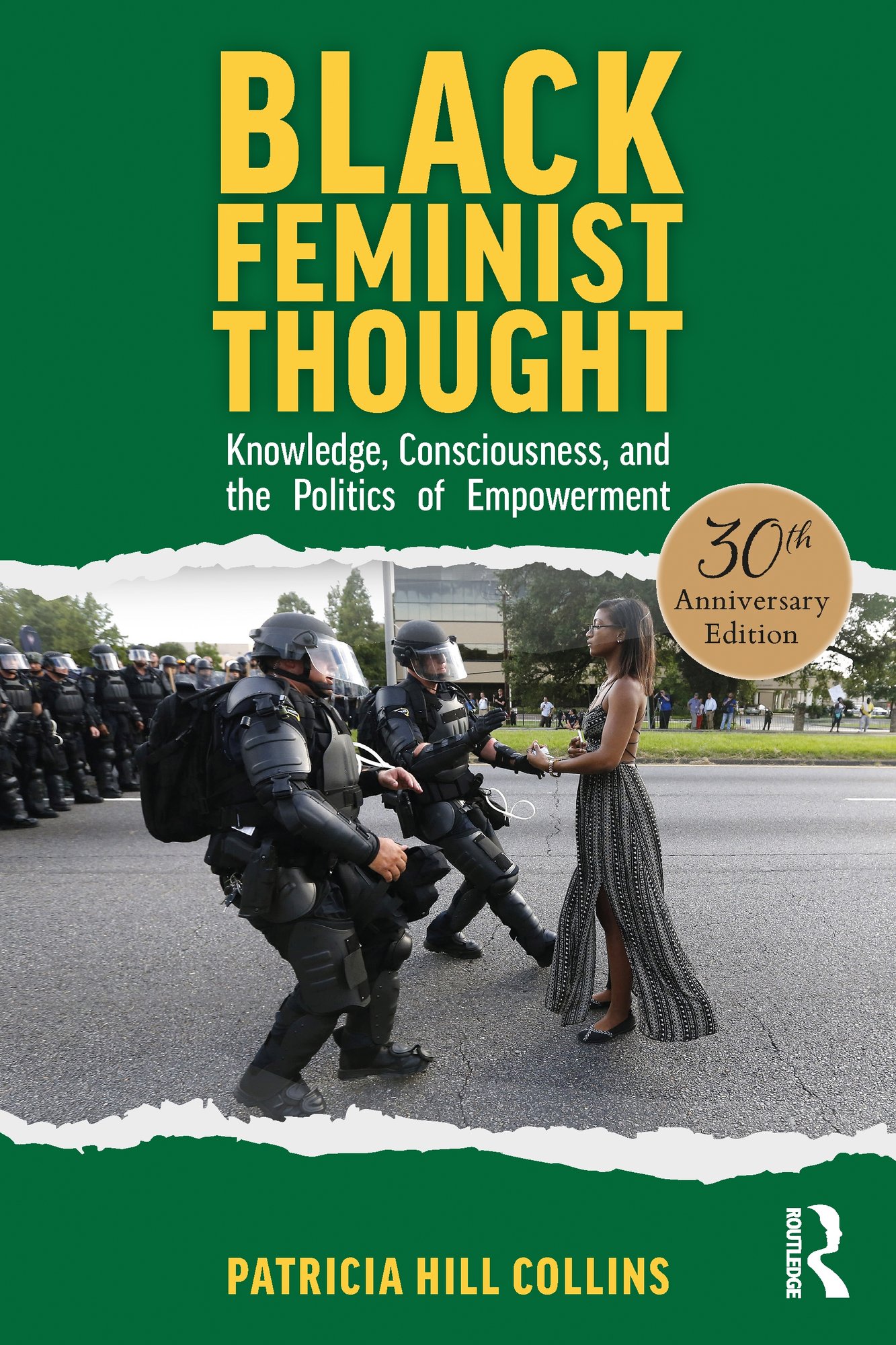
Black Feminist Thought, 30th Anniversary Edition: Knowledge, Consciousness, and the Politics of Empowerment
Knowledge, Consciousness, and the Politics of Empowerment
Being Black: Selections from "Soledad Brother" by Georg…
Discover and share books you love on Goodreads.

"Pushed into the Shadows": Evidencing Digital Surveillance Chilling Effects and the Erosion of the Rights to Freedom of Assembly and of Association
SummaryThe United Nations Special Rapporteur on the Rights to Freedom of peaceful assembly and of association, Gina Romero, presents "Pushed into the Shadows: Evidencing digital surveillance chilling effects and the erosion of the rights to freedom of assembly and of association". This Global Study documents the profound impact that pervasive digital monitoring exerts on fundamental public freedoms. Moving beyond traditional privacy-centric narratives, the Study details how contemporary surveillance ecosystems induce serious chilling effects.

Black History Database
Uncover Fascinating Stories in the Black History Database

The Root – Black News, Opinions, Politics and Culture
Martin Luther King, Jr. , Letter from Birmingham Jail (1963) – Knowledge for Freedom seminar
I have almost reached the regrettable conclusion that the Negro’s great stumbling block in his stride toward freedom is not the White Citizen’s Counciler or the Ku Klux Klanner, but the white moderate, who is more devoted to “order” than to justice; who prefers a negative peace which is the absence of tension to a positive peace which is the presence of justice
Don't Touch My Hair
Check out Don't Touch My Hair - <p><b>'Groundbreaking <i>. . .</i> a scintillating, intellectual investigation into black women and the very serious business of our hair, as it pertains to race, gender, social codes, tradition, culture, cosmology, maths, politics, philosophy and history' Bernardine Evaristo</b> <br /><br />Straightened. Stigmatized. 'Tamed'. Celebrated. Erased. Managed. Appropriated. Forever misunderstood. Black hair is never 'just hair'.<br /><br />This book is about why black hair matters and how it can be viewed as a blueprint for decolonisation. Over a series of wry, informed essays, Emma Dabiri takes us from pre-colonial Africa, through the Harlem Renaissance, Black Power and on to today's Natural Hair Movement, the Cultural Appropriation Wars and beyond. We look everything from hair capitalists like Madam C.J. Walker in the early 1900s to the rise of Shea Moisture today, from women's solidarity and friendship to 'black people time', forgotten African scholars and the dubious provenance of Kim Kardashian's braids.<br /><br />The scope of black hairstyling ranges from pop culture to cosmology, from prehistoric times to the (afro)futuristic. Uncovering sophisticated indigenous mathematical systems in black hairstyles, alongside styles that served as secret intelligence networks leading enslaved Africans to freedom, <i>Don't Touch My Hair </i>proves that far from being <i>only </i>hair<i>,</i> black hairstyling culture can be understood as an allegory for black oppression and, ultimately, liberation.</p> by Emma Dabiri on Bookshop.org UK!

Black Migrants Bear Brunt of ICE's Facial Recognition Push
The racialized, uneven consequences of these technologies often go unscrutinized, write Tsion Gurmu, Nekessa Opoti and Fatima Mohamed.

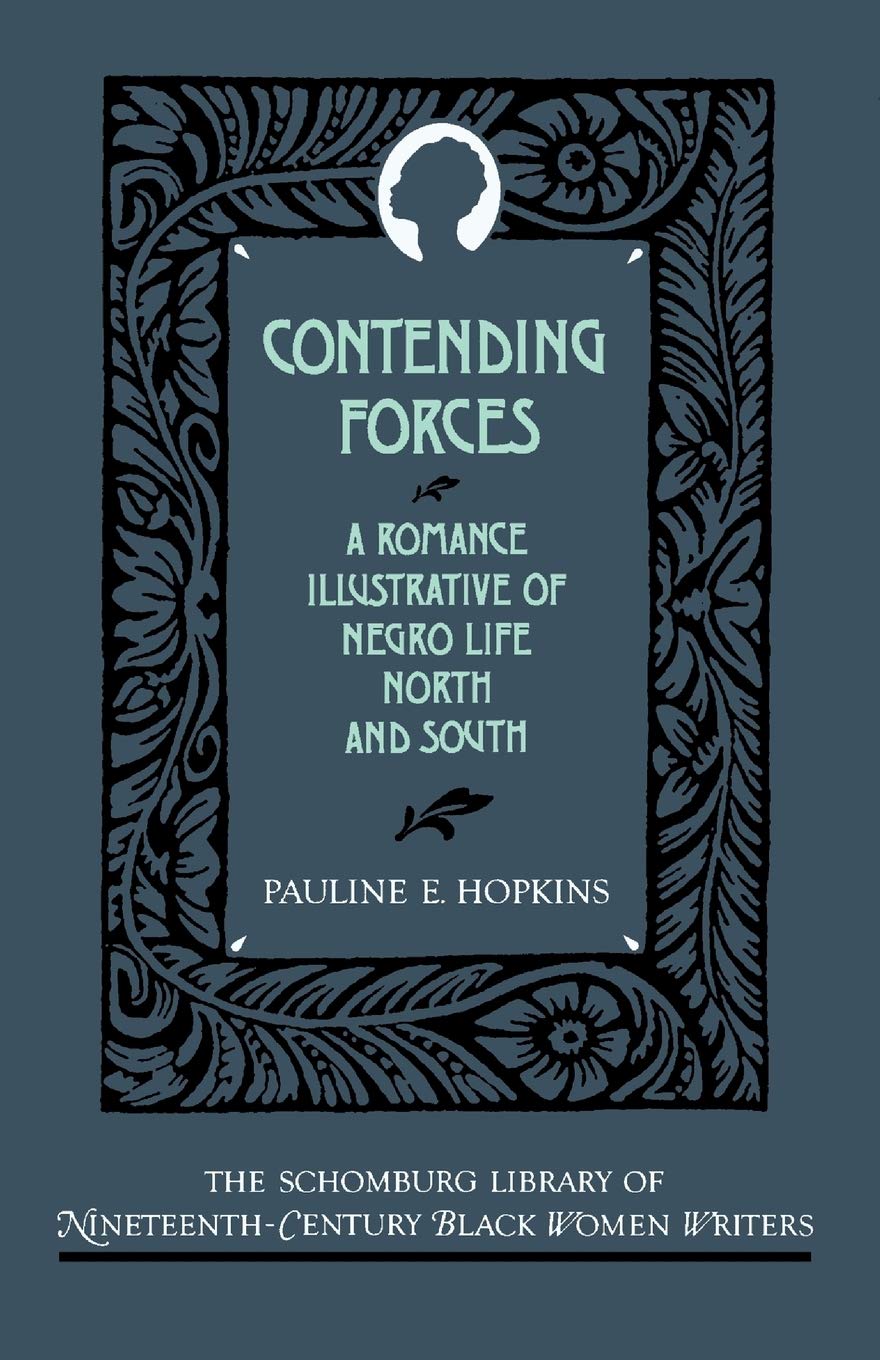
REVIEW: Pauline Hopkins' Contending Forces should be leading the literary canon - The Maroon
Contending Forces tells the story of a Black family both before and after slavery ended in the United States.
Social Reproduction Theory: Remapping Class, Recentering Oppression
This groundbreaking collection explores the profound power of Social Reproduction Theory to deepen our understanding of everyday life under capitalism. While many Marxists tend to focus on the productive economy, this book focuses on issues such as child care, health care, education, family life and the roles of gender, race and sexuality, all of which are central to understanding the relationship between economic exploitation and social oppression. In this book, leading writers such as Lise Vogel, Nancy Fraser, David McNally and Susan Ferguson reveal the ways in which daily and generational reproductive labour, found in households, schools, hospitals and prisons, also sustains the drive for accumulation. Presenting a more sophisticated alternative to intersectionality, these essays provide ideas which have important strategic implications for anti-capitalists, anti-racists and feminists attempting to find a path through the seemingly ever more complex world we live in.
Black on Black
Should we consider black a colour, the absence of colour, or a suspension of vision produced by a deprivation of light? Beginning with Robert Fludd's attempt to picture nothingness, Eugene Thacker reflects* on some of the ways in which blackness has been used and thought about through the history of art and philosophical thought.