


Learning an instrument increases resilience to any age-related decline in hearing.
Music on the brain: Listening can influence our brain’s activity
The "Mozart effect" isn't real—but music does affect our mental processes.

The Impact of Listening to Music on Cognitive Performance
Listening to music for relaxation is common among students to counter the effects of stress or anxiety while completing difficult academic tasks. Some studies supporting this technique have shown that background music promotes cognitive performance...

Listening To Music May Be Damaging Your Creativity - Slashdot
The results of a new study suggest that listening to music can significantly impair your ability to perform creative tasks. Whilst music was found to disrupt creative processes, ambient "library noise" was found to have no significant effect. From a report: The first experiment saw volunteers comple...

Listening to classical music modulates genes that are responsible for brain functions
Although listening to music is common in all societies, the biological determinants of listening to music are largely unknown. According to a new study, listening to classical music enhanced the activity of genes involved in dopamine secretion and transport, synaptic neurotransmission, learning and memory, and down-regulated the genes mediating neurodegeneration. Several of the up-regulated genes were known to be responsible for song learning and singing in songbirds, suggesting a common evolutionary background of sound perception across species.

How the brain perceives rhythm
MIT neuroscientists have found that people are biased toward hearing and producing rhythms composed of simple integer ratios. This holds true for musicians and non-musicians living in the United States, as well as members of a Bolivian tribe who have little exposure to Western music.

Brain knows how to stop thinking, start learning
Anyone who's ever learned music probably remembers reaching a point when they just played without "thinking" about the notes.

The musical brain: Novel study of jazz players shows common brain circuitry processes both music, language
The brains of jazz musicians engrossed in spontaneous, improvisational musical conversation showed robust activation of brain areas traditionally associated with spoken language and syntax, which are used to interpret the structure of phrases and sentences. But this musical conversation shut down brain areas linked to semantics -- those that process the meaning of spoken language, according to results of a novel study.
Being physically active at any time in adulthood linked to later life cognitive performance
Any regular leisure time physical activity at any age is linked to better brain function in later life, but maintaining an exercise routine throughout adulthood seems to be best for preserving mental acuity and memory, suggests a long term study published online in the Journal of Neurology Neurosurgery & Psychiatry.

What making music does to your brain
What’s it like to have a song inside your head, itching to get out? A neuroscientist and a songwriter compare notes from the frontier of music and science.

The Hidden Costs of Streaming Music
We overlook the environmental damage of listening to songs online.

The Knowledge Ecology
The important thing here is that the music is not in the piano. And knowledge and edification is not in the computer. The computer is simply an instrument whose music is ideas. Yes? No? Yes-no-yes-no-yes-no.
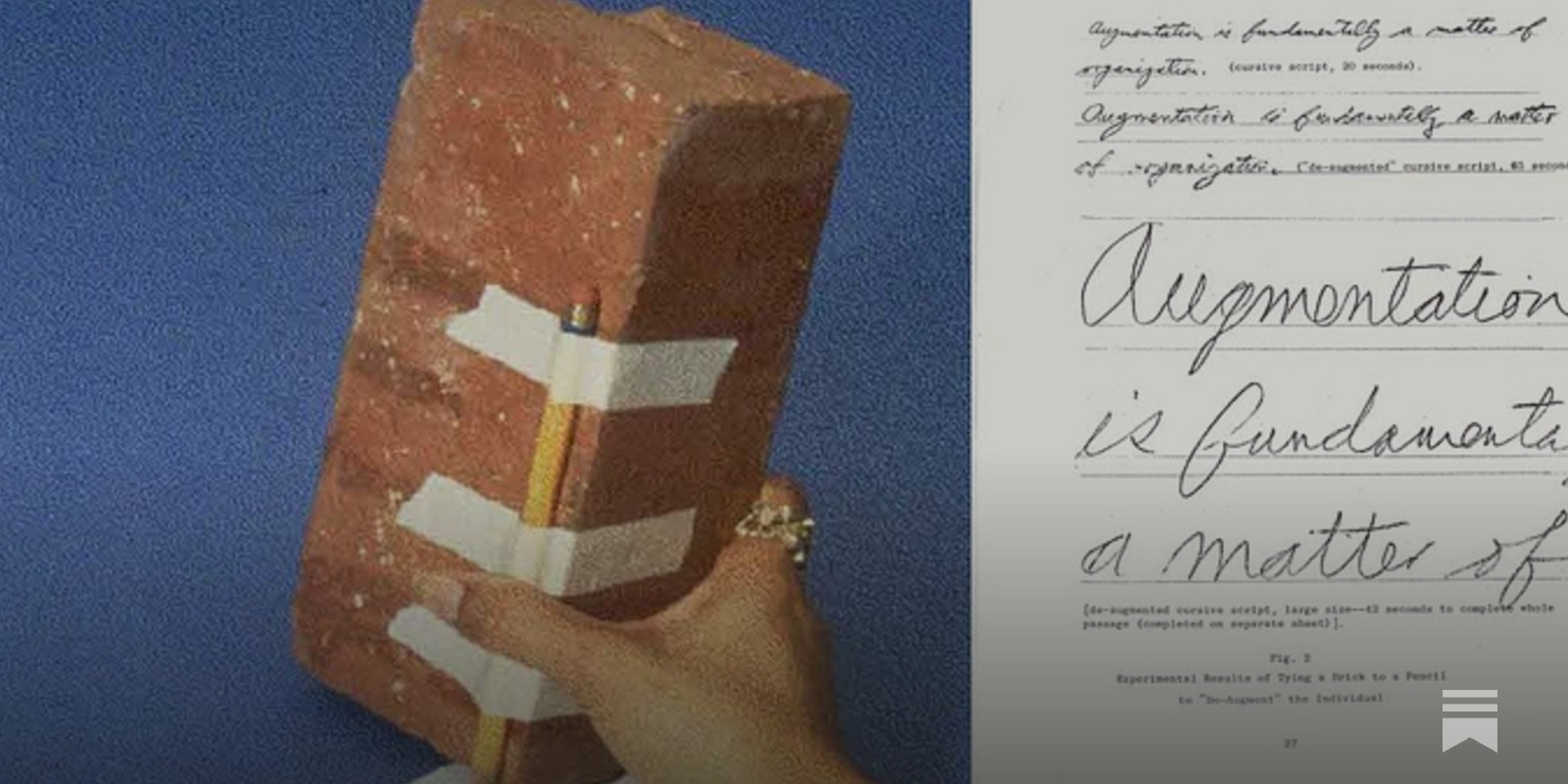
Study Reveals How Much Exercise Older Adults Need Each Week To Live Longer
New research suggests that this level of physical activity can help you extend your lifespan, improve your cognition and more.

Can Music Make You a Productivity Powerhouse?
The best songs and playlists for getting stuff done

Jeff Mills Drifts Into the Cosmos
AI is the latest of a long succession of tools trying to make things easier for us, and it’s always been there, and it’s always affected the music. Maybe we didn’t fear as much, but musicians just have to be more creative and to be more elusive.

Does engaging with the arts help to slow the aging process? According to this new paper from Fancourt et al the answer is yes! Alas, the paper is actually unsuitable for such claims. Let’s examine by discussing how you'd establish whether arts engagement actually caused future health! 1/18 🧵

Does leisure activity matter for epigenetic ageing? Analyses of arts engagement and physical activity in the UK Household Longitudinal Study
academic.oup.comAI & Music - developments & perspectives

Perspectives, developments, & news re: AI & music

Owners of Elvis Presley’s Music Sue Anthropic for Copyright Infringement

YouTube Music adds new labels for AI music
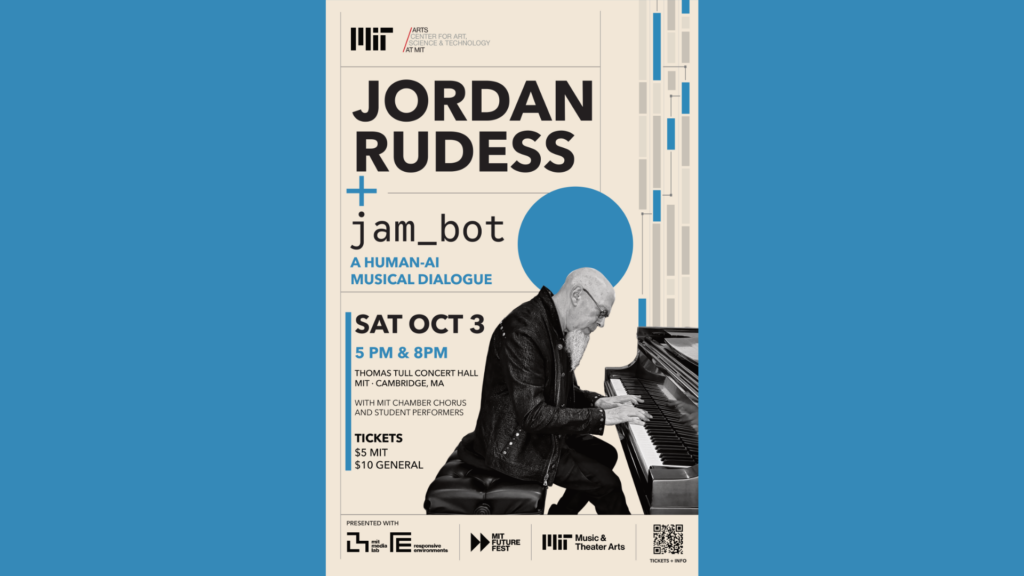
Jordan Rudess + jam_bot at MIT October 3

Jordan Rudess and MIT’s jam_bot: A New Era of Human-AI Musical Collaboration
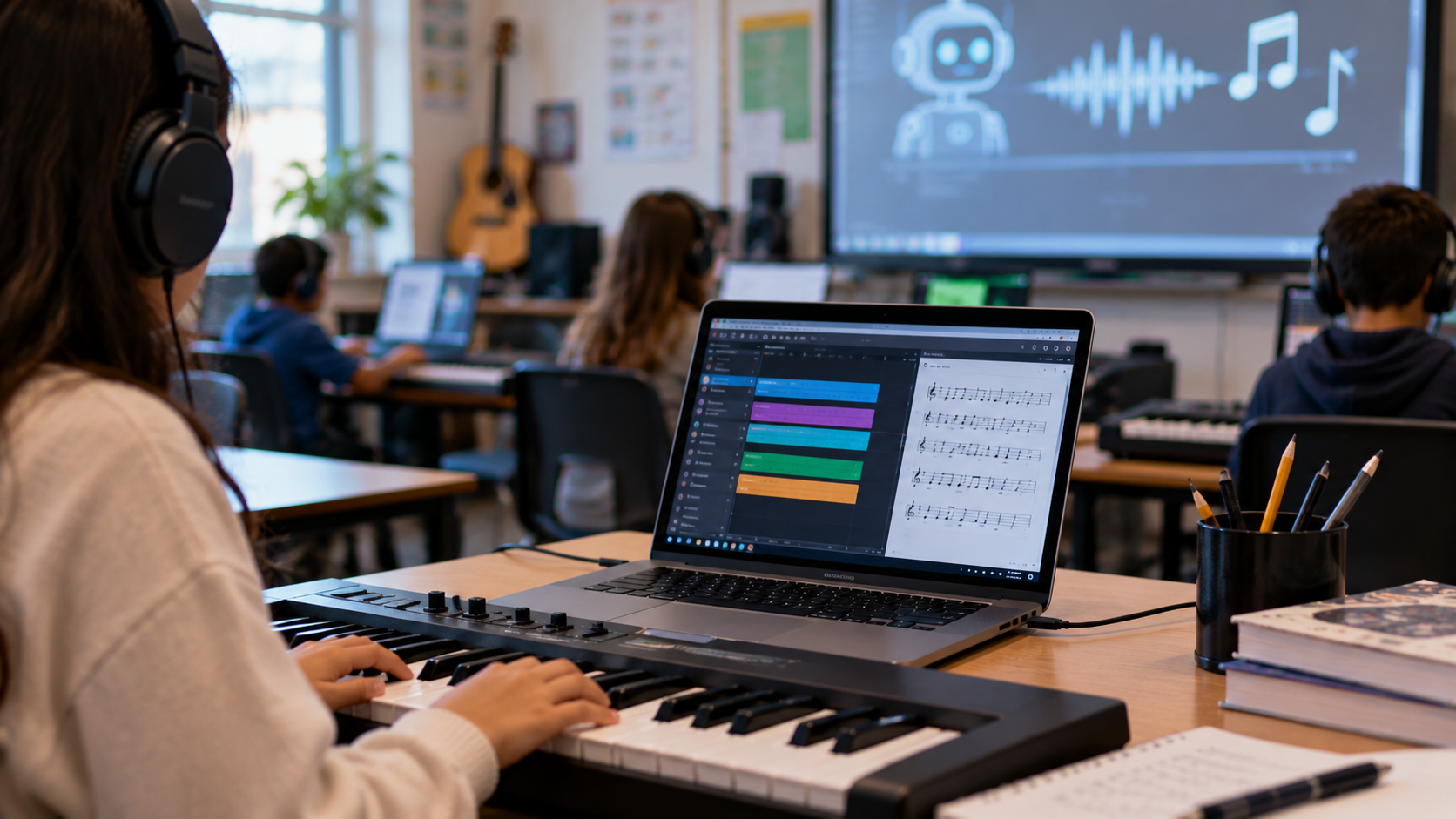
Artificial Intelligence in Music Classrooms: PK-12 Educators’ Practices, Concerns, and Confidence

“It frustrates me to hear people bashing something that's so amazing”: Todd Edwards is optimistic about AI in music production
