


Left-wing politics is resurgent. Self-proclaimed socialists are unexpectedly popular. Proposals like universal health care are a commonplace of Democratic campaigns. But there is not yet a clear, unifying idea behind this political shift. We propose that that idea is freedom. While the left once understood freedom as emancipation from the economy, the right spent the twentieth century neutralizing and appropriating the idea of freedom by reinventing the economy as the true site of freedom. To reclaim freedom as a value of the left, we have to begin with the daily experience of most people: the unfreedom of the workplace. The authoritarian organization of work is not just an offense against freedom; it also helps us understand how freedom requires emancipation both from the economy and within the economy, and why that emancipation requires mass struggle.
The Inner Life of Liberalism - Aaron Ross Powell’s Blog
The practices that make your life better are the same ones that sustain a free society. It's time liberalism took that seriously.
Freedom Isn't Free
An inquiry into the failure of the free software movement, and a proposal for recovering its radical soul.

Capitalism, Democracy, and Du Bois’s <em>Two</em> Proletariats
[epq-quote align="align-right"]"What can be more radical or liberating than freedom and justice for all?"[/epq-quote] As an ideal, liberal democracy has great appeal. What can be more radical or liberating than...
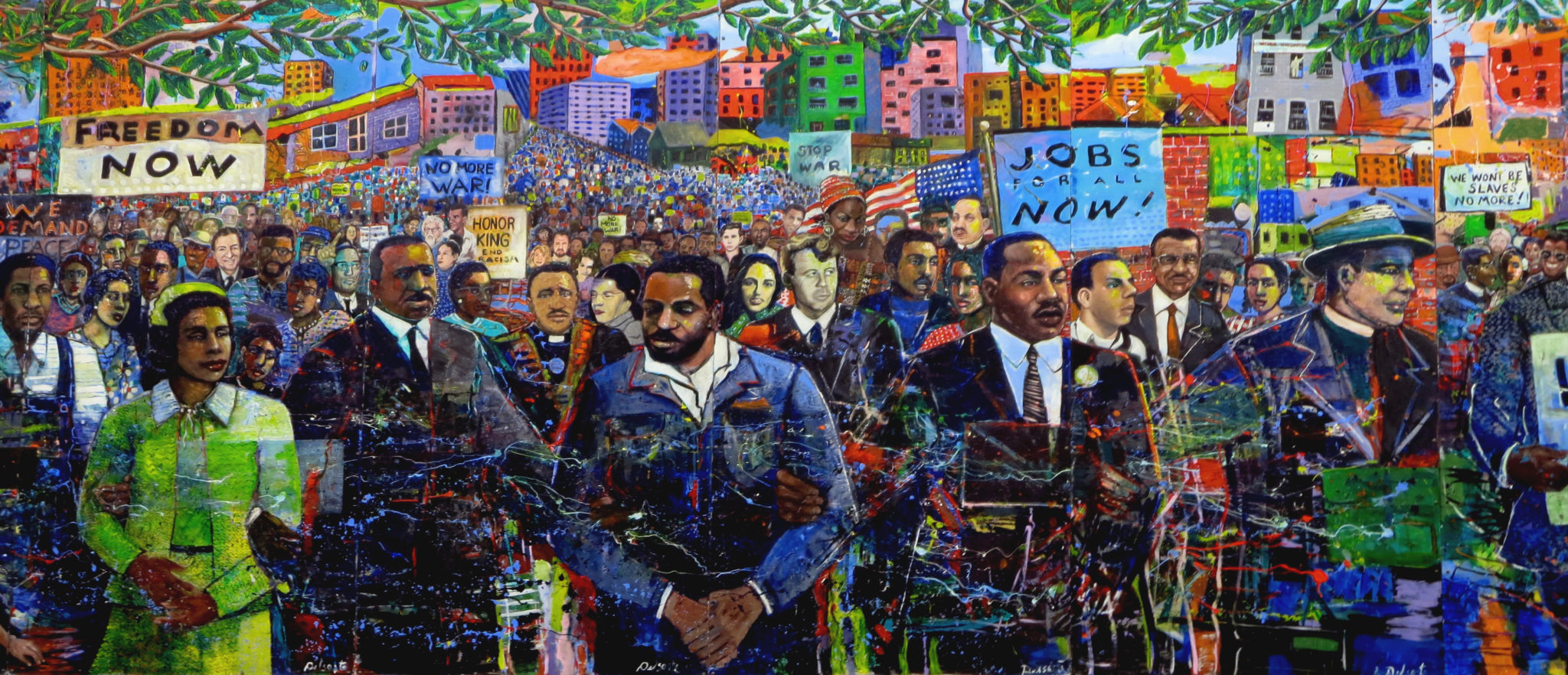
We Do This 'Til We Free Us
New York Times Bestseller “Organizing is both science and art. It is thinking through a vision, a strategy, and then figuring out who your targets are, always being concerned about power, always being concerned about how you’re going to actually build power in order to be able to push your issues, in order to be able to get the target to actually move in the way that you want to.” What if social transformation and liberation isn’t about waiting for someone else to come along and save us? What if ordinary people have the power to collectively free ourselves? In this timely collection of essays and interviews, Mariame Kaba reflects on the deep work of abolition and transformative political struggle. With a foreword by Naomi Murakawa and chapters on seeking justice beyond the punishment system, transforming how we deal with harm and accountability, and finding hope in collective struggle for abolition, Kaba’s work is deeply rooted in the relentless belief that we can fundamentally change the world. As Kaba writes, “Nothing that we do that is worthwhile is done alone.”

Anarchy and modern convenience
A major part of anarchy and socialism is the concept of anti-work. An obsession with work is a colonial, patriarchal, and capitalist construct. As such, the anti-work movement—a focus on working less overall and sharing labor more equally—is an important part of decolonization, feminism, and anti-capitalism. A common criticism of this is that reducing the amount everyone works to something like 20 hours a week instead of 40+ means we would have to give up a lot of conveniences.

The Alternative to Capitalism Nobody Talks About | Eleanor Finley & Camila Vergara

Radical Liberalism, Pragmatism, and Me - Aricie's thoughts
Left & Right: The Psychological Significance of a Political Distinction
This book brings together for the first time an updated, revised collection of influential essays and articles that capture some of the most exciting scientific and scholarly contributions to the topic ...

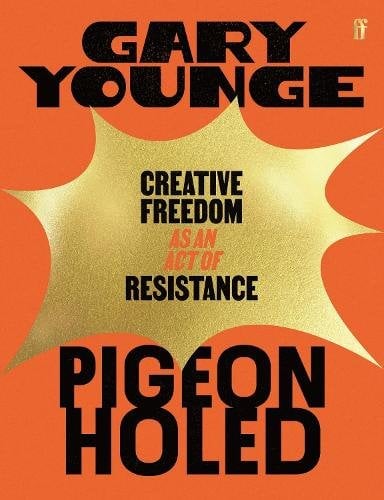
Pigeonholed: Creative Freedom as an Act of Resistance
Creative Freedom as an Act of Resistance
Actually, Democracy Dies in H.R.
New research sheds light on how mediocre employees help would-be authoritarians maintain power.

Human-Computer Insurrection: Notes on an Anarchist HCI
The HCI community has worked to expand and improve our consideration of the societal implications of our work and our corresponding responsibilities. Despite this increased engagement, HCI continues to lack an explicitly articulated politic, which we argue re-inscribes and amplifies systemic oppression. In this paper, we set out an explicit political vision of an HCI grounded in emancipatory autonomy - an anarchist HCI, aimed at dismantling all oppressive systems by mandating suspicion of and a reckoning with imbalanced distributions of power. We outline some of the principles and accountability mechanisms that constitute an anarchist HCI. We offer a potential framework for radically reorienting the field towards creating prefigurative counterpower - systems and spaces that exemplify the world we wish to see, as we go about building the revolution in increment.

Human-Computer Insurrection: Notes on an Anarchist HCI
The HCI community has worked to expand and improve our consideration of the societal implications of our work and our corresponding responsibilities. Despite this increased engagement, HCI continues to lack an explicitly articulated politic, which we argue re-inscribes and amplifies systemic oppression. In this paper, we set out an explicit political vision of an HCI grounded in emancipatory autonomy - an anarchist HCI, aimed at dismantling all oppressive systems by mandating suspicion of and a reckoning with imbalanced distributions of power. We outline some of the principles and accountability mechanisms that constitute an anarchist HCI. We offer a potential framework for radically reorienting the field towards creating prefigurative counterpower - systems and spaces that exemplify the world we wish to see, as we go about building the revolution in increment.
Radical expectations: how the New Left changed economics
In the 1970s radical economists campaigned to reform their discipline and their universities. They became journalists and activists, moving beyond academia, to forge new models of public engagement and collaborative knowledge in economic life. Radical Expectations tells the story of how these economists set out to make economics more democratic. It traces their campaign to bring protest movements to the campuses, triggering the emergence of an alternative understanding of expertise directed at validating and empowering the perspectives and voices of women, Black Americans, labor activists, and the urban poor. It shows how a radical identity formed and how radicals helped reform disciplinary institutions. Furthermore, it argues that the radical economics' legacy was the development of a language and models of expert-lay collaboration that empowers direct action in economic affairs. The book is about the community of radical economists who championed the promise of change and what came of it

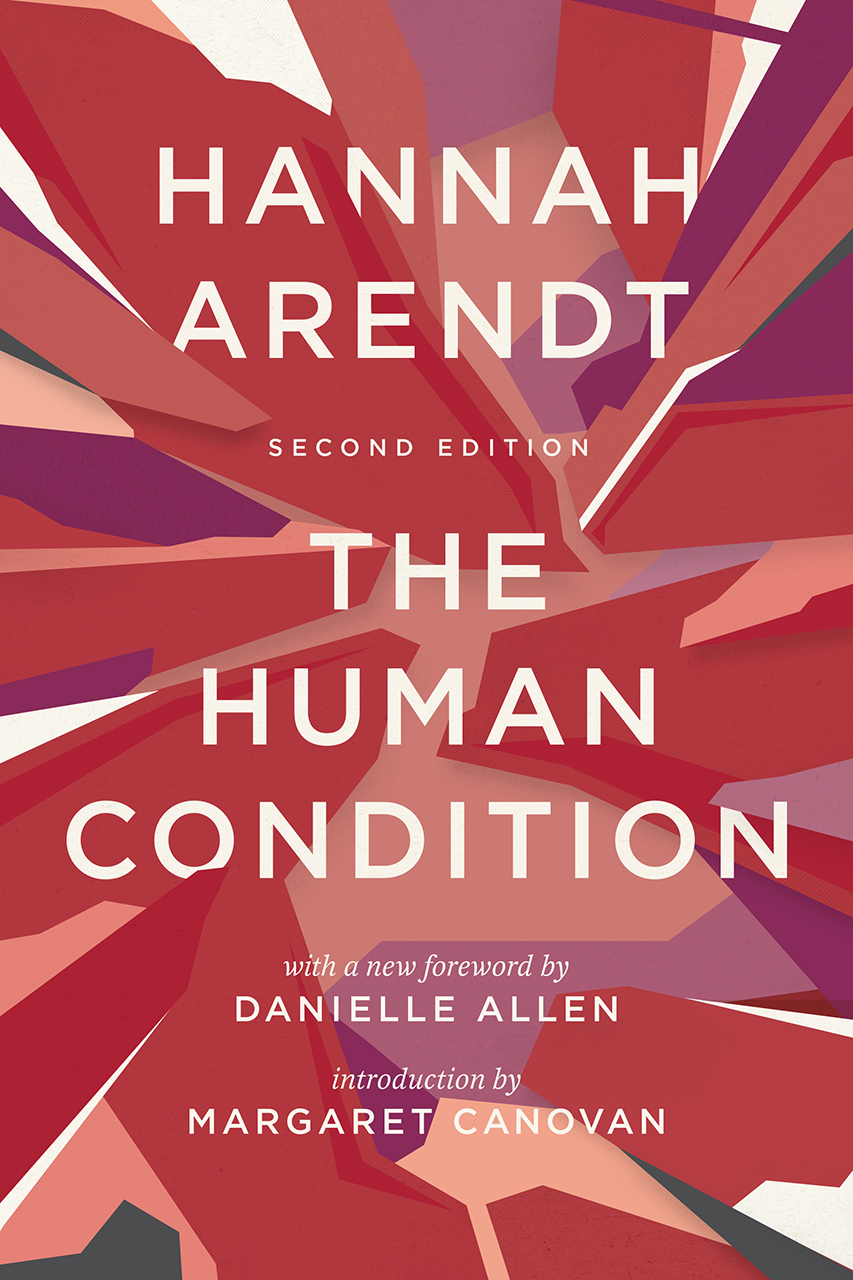
The Human Condition: Second Edition
A classic work of political thought, more relevant today than ever The twenty-first century has seen a resurgence of interest in the political thinker Hannah Arendt, “the theorist of beginnings,” whose work probes the logics underlying unexpected transformations—from totalitarianism to revolution. A work of striking originality, The Human Condition is in many respects more relevant now than when it first appeared in 1958. In her study of the state of modern humanity, Hannah Arendt considers humankind from the perspective of the actions of which it is capable. The problems Arendt identified then—diminishing human agency and political freedom, the paradox that as human powers increase through technological and humanistic inquiry, we are less equipped to control the consequences of our actions—continue to confront us today. This new edition, published to coincide with the sixtieth anniversary of its original publication, contains Margaret Canovan’s 1998 introduction and a new foreword by Danielle Allen. A classic in political and social theory, The Human Condition is a work that has proved both timeless and perpetually timely.
Review of <i>The Ethics of Public Health Paternalism</i>
Martin Wilkinson’s book The Ethics of Public Health Paternalism is a normative analysis of paternalistic governmental policies within liberal democracies that …
