

For Lawfare readers interested in law and regulation of autonomous weapon systems (AWS), we’re pleased to note our new essay, recently posted to SSRN, “Debating Autonomous
Autonomous Weapons Systems for Policing – A Jewish Ethical Perspective
Autonomous Weapons Systems (AWS) are being developed around the world to improve national security both externally and internally. But allowing machines – incapable of recognizing the inherent wort...

Responsible use of AI in the military? US publishes declaration outlining principles
12 "best practices" for using AI and autonomous systems emphasize human accountability.
Above the law: Drones, aerial vision and the law of armed conflict – a socio-technical approach
Shiri Krebs is Professor of Law and ARC DECRA Fellow, Deakin University, Geel
Governing Digital Legal Systems: Insights on Artificial Intelligence and Rules as Code · MIT Computational Law Report
This article explores how AI and 'rules as code' are turning law into automated systems. It highlights the need for governance focused on transparency, explainability, and risk management to ensure these digital legal frameworks stay reliable and fair.

Automated Justice: Issues, Benefits and Risks in the Use of Artificial Intelligence and Its Algorithms in Access to Justice and Law Enforcement
The use of artificial intelligenceArtificial Intelligence (AI) (AI) in the field of law has generated many hopes. Some have seen it as a way of relieving courts’ congestion, facilitating investigations, and making sentences for certain offences more consistent—and therefore fairer. But while it is true that the work of investigators and judges can be facilitated by these tools, particularly in terms of finding evidenceEvidence during the investigative process, or preparing legal summaries, the panorama of current uses is far from rosy, as it often clashes with the reality of field usage and raises serious questions regarding human rightsHuman rights. This chapter will use the RobodebtRobodebt Case to explore some of the problems with introducing automationAutomation into legal systems with little human oversight. AI—especially if it is poorly designed—has biases in its data and learning pathways which need to be corrected. The infrastructures that carry these tools may fail, introducing novel bias. All these elements are poorly understood by the legal world and can lead to misuse. In this context, there is a need to identify both the users of AIArtificial Intelligence (AI) in the area of law and the uses made of it, as well as a need for transparencyTransparency, the rules and contours of which have yet to be established.
Digest Issue 92: The AI Ethics Brief #202 | What Happens When You Have a Choice? | Reading the Label on AI | Pangram is not an oracle | A Fresh Look at The World Map of Encryption Laws and Policies
Discover insights at the intersection of technology and society

What the Anthropic fight says about AI regulation
Fables of the deconstruction of American power
Considering How AI Destroys Democratic Institutions
Boston University School of Law professors Woodrow Hartzog and Jessica Silbey say today's AI systems are a "death sentence" for civic institutions.
AI, Ethics, and Society — Home
Framework Convention on Artificial Intelligence
The Framework Convention on Artificial Intelligence and Human Rights, Democracy and the Rule of Law (also called Framework Convention on Artificial Intelligence or AI convention) is an international treaty on artificial intelligence. It was adopted under the auspices of the Council of Europe (CoE) and signed on 5 September 2024.[1] The treaty aims to ensure that the development and use of AI technologies align with fundamental human rights, democratic values, and the rule of law, addressing risks such as misinformation, algorithmic discrimination, and threats to public institutions.[2]
The shifting battlefield: technology, tactics, and the risk of blurring lines in warfare - Humanitarian Law & Policy Blog
The accelerating integration of emerging technologies into armed conflict is transforming not only the tools of war, but its tactics, geography, participants and impact. Technological developments – from commercial drones to artificial intelligence, electronic warfare to the military use of civilian infrastructure – risk undermining boundaries between military and civilian domains. These changes challenge long-held...
Checks and Balances to Empower Citizens in an Automated Society — Request for Proposals
A joint Request for Proposals from the Effective Institutions Project and the Collective Intelligence Project on AI, civil liberties, and the distribution of power.
AI* and law enforcement/surveillance/war

See also: fascism/discrimination/bias/politics semble.so/profile/aiueo.ooo/collections… * I’m neither “pro-AI” nor “anti-AI.” I’ve been blocked for being perceived as both. —Actually, I’m honestly more anti-AI than pro-AI thus far, aside from specialized models and specific use cases, but I’m willing to consider information that’s new to me
AI* laws/regulations/safety standards
Specific examples * I’m neither “pro-AI” nor “anti-AI.” I’ve been blocked for being perceived as both. —Actually, I’m honestly more anti-AI than pro-AI thus far, aside from specialized models and specific use cases, but I’m willing to consider information that’s new to me
AI* and the law/legal filings
Re: fake citations and the like, not laws regulating AI * I’m neither “pro-AI” nor “anti-AI.” I’ve been blocked for being perceived as both. —Actually, I’m honestly more anti-AI than pro-AI thus far, aside from specialized models and specific use cases, but I’m willing to consider information that’s new to me

China has cracked down on AI relationships. Is it ahead of the game?
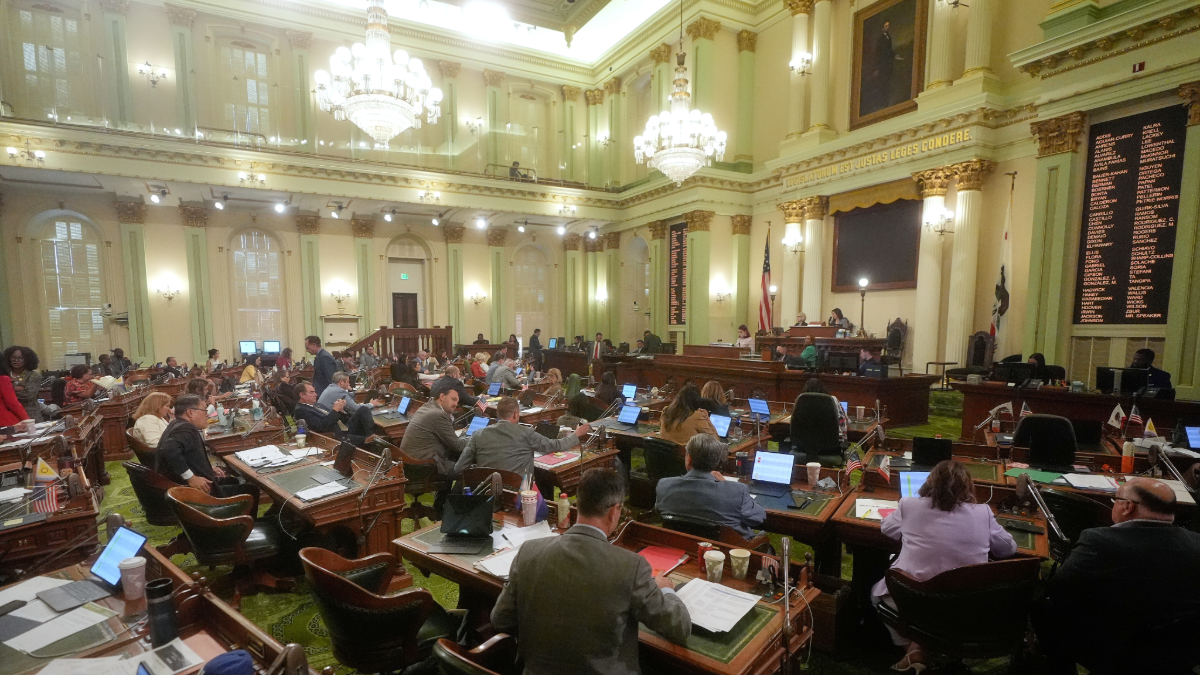
California Leads the Way With New Slate of AI Bills

California enacts laws restricting chatbots and banning teens from ‘addictive’ social media
consultations.tga.gov.au
法務省:肖像、声等の無断利用による民事責任の在り方に関する検討会

声も「人格の象徴」明記、法務省 AI偽動画公開は権利侵害 | NEWSjp

ICE to Use ImmigrationOS by Palantir, a New AI System, to Track Immigrants’ Movements - American Immigration Council

UK Home Office May Face Investigation Over Use of OpenAI Tech
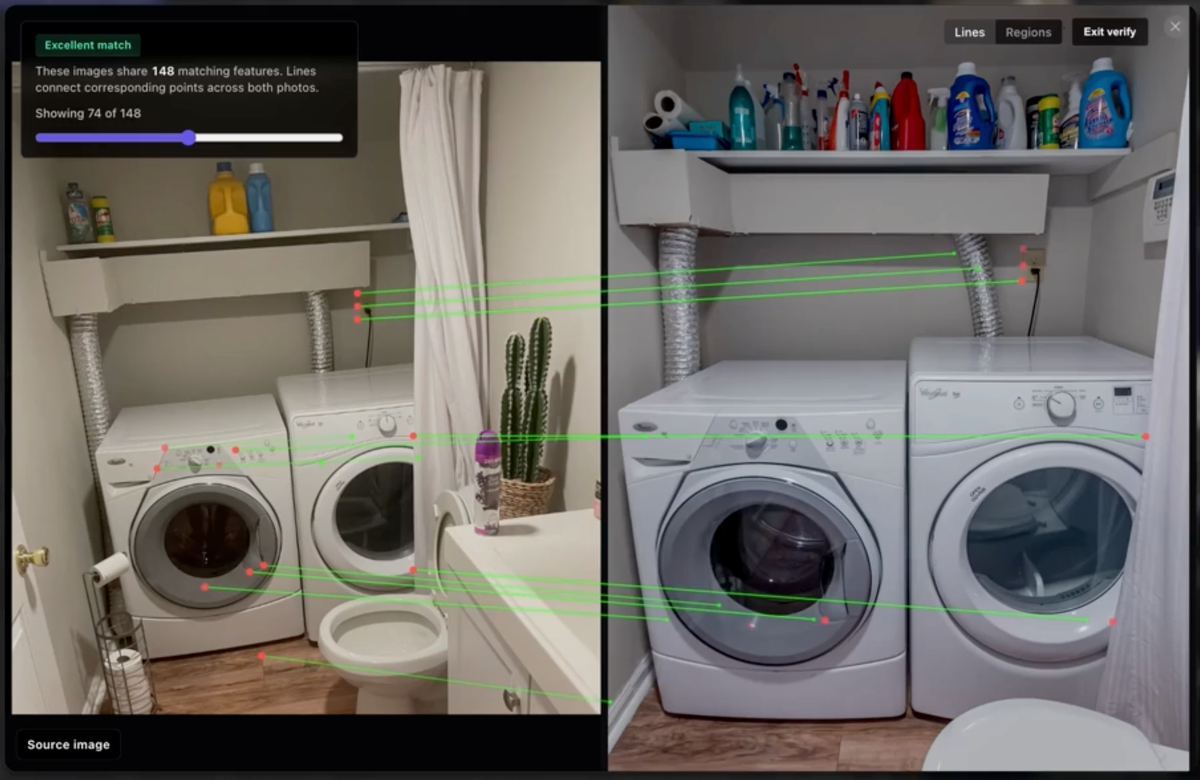
AI Company Lets Cops Pinpoint Specific Houses Based on a Single Interior Photo
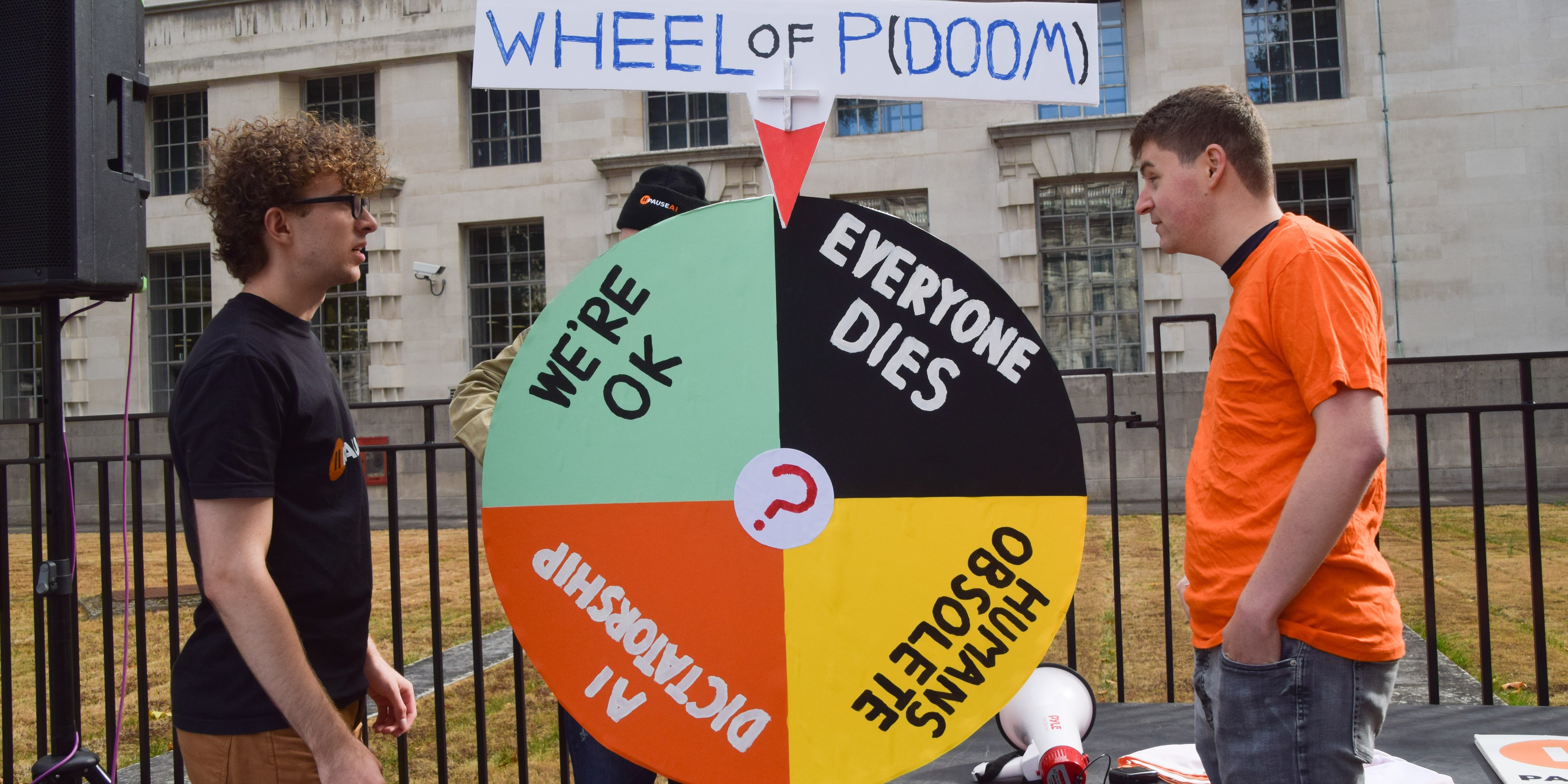
AI Almost Started a U.S.–China War — and No One Seems to Care

アメリカ軍によるイランの小学校へのミサイル攻撃はデータベースの情報更新を怠りAIを過信したことが一因だったとの報道

AI got the blame for the Iran school bombing. The truth is far more worrying
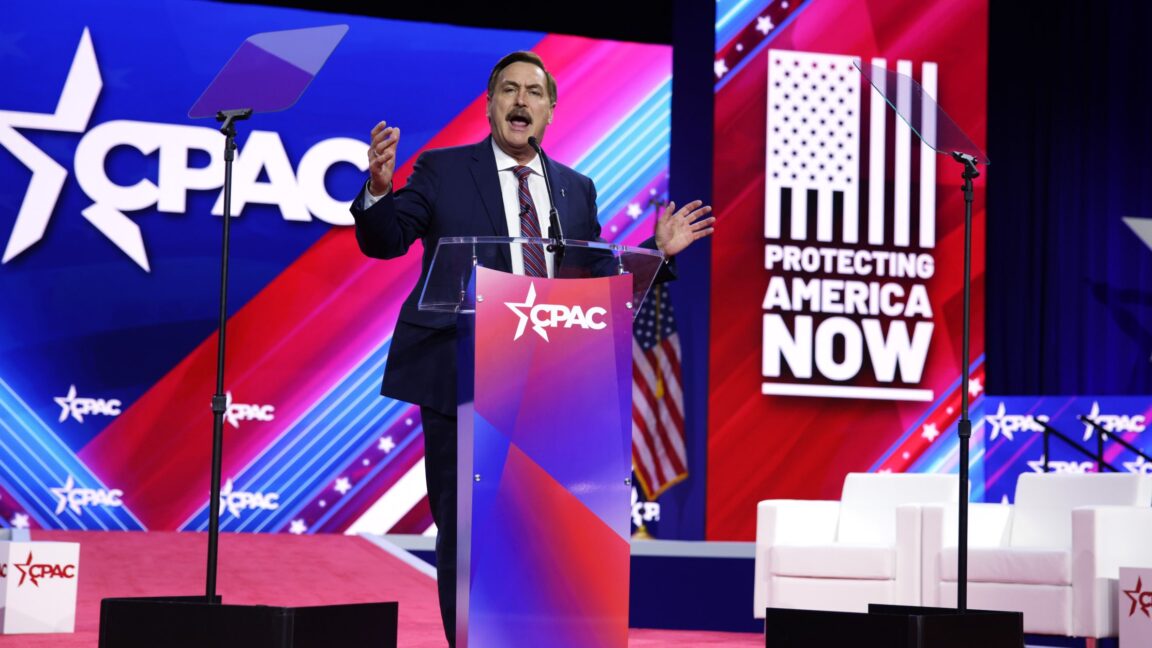
Mike Lindell lost defamation case, and his lawyers were fined for AI hallucinations

Judge slams lawyers for ‘bogus AI-generated research’

AI for Law Firms: What the 8am Legal Industry Report Tells Us About AI Use

Why do lawyers keep using ChatGPT?
www.reuters.com

Lawyer fined $5K over AI-hallucinated witnesses in a murder case