

Understanding the risk from applications of artificial intelligence (AI) is a critical part of creating AI governance strategies. Building on the idea of studying AI using ecological and evolutionary perspectives, we propose a novel approach for assessing risk from AI using indicators derived from theoretical ecology models. We illustrate our methods by deriving 3 indicators from population and ecosystem models originating from theoretical ecology. We conclude with a discussion of limitations of our analysis and considerations for improving AI governance policy.
Ecology is not yet ready for AI—and why that matters
Ecology is not yet ready for AI—and why that matters

Environmental Cost of Artificial Intelligence: Carbon, Water, and Land Footprints
AI’s rapid growth drives huge energy, water, and land use, raising environmental and equity challenges across its global infrastructure.
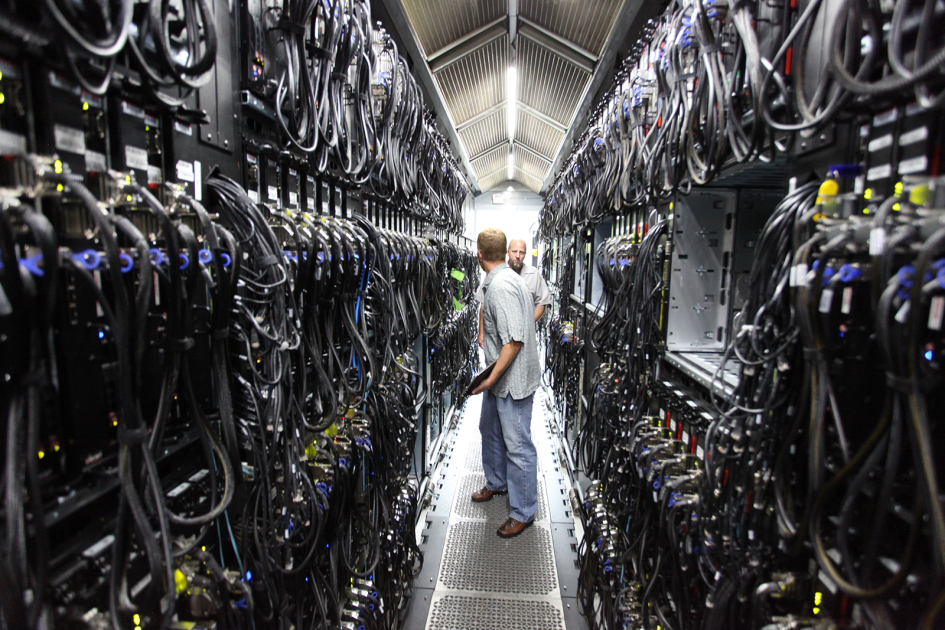
Environmental Cost of Artificial Intelligence: Carbon, Water, and Land Footprints
AI’s rapid growth drives huge energy, water, and land use, raising environmental and equity challenges across its global infrastructure.
Do AI Risks Require Extraordinary Government Intervention?
Let’s not skip the hard work of AI governance
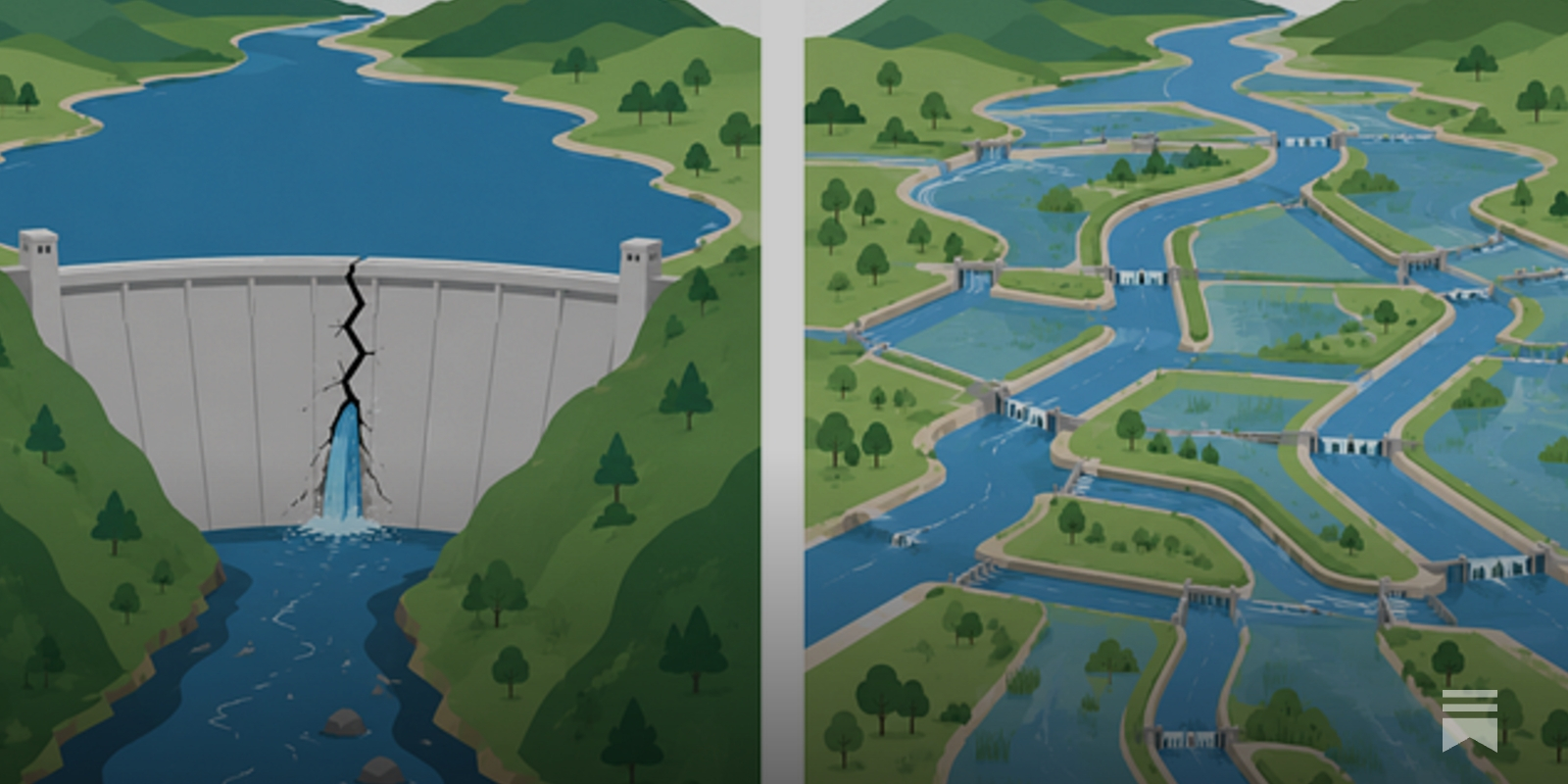

AI Researchers On AI Risk
I first became interested in AI risk back around 2007. At the time, most people’s response to the topic was “Haha, come back when anyone believes this besides random Internet crackpots.…

AI FOR EPISTEMICS & COORDINATION
Civilization and technology have radically improved the human condition. Nonetheless, the world sometimes goes in directions which essentially nobody would prefer — e.g., nuclear arms races, unexpected financial crashes, predatory marketing, or ubiquitous political misinformation.
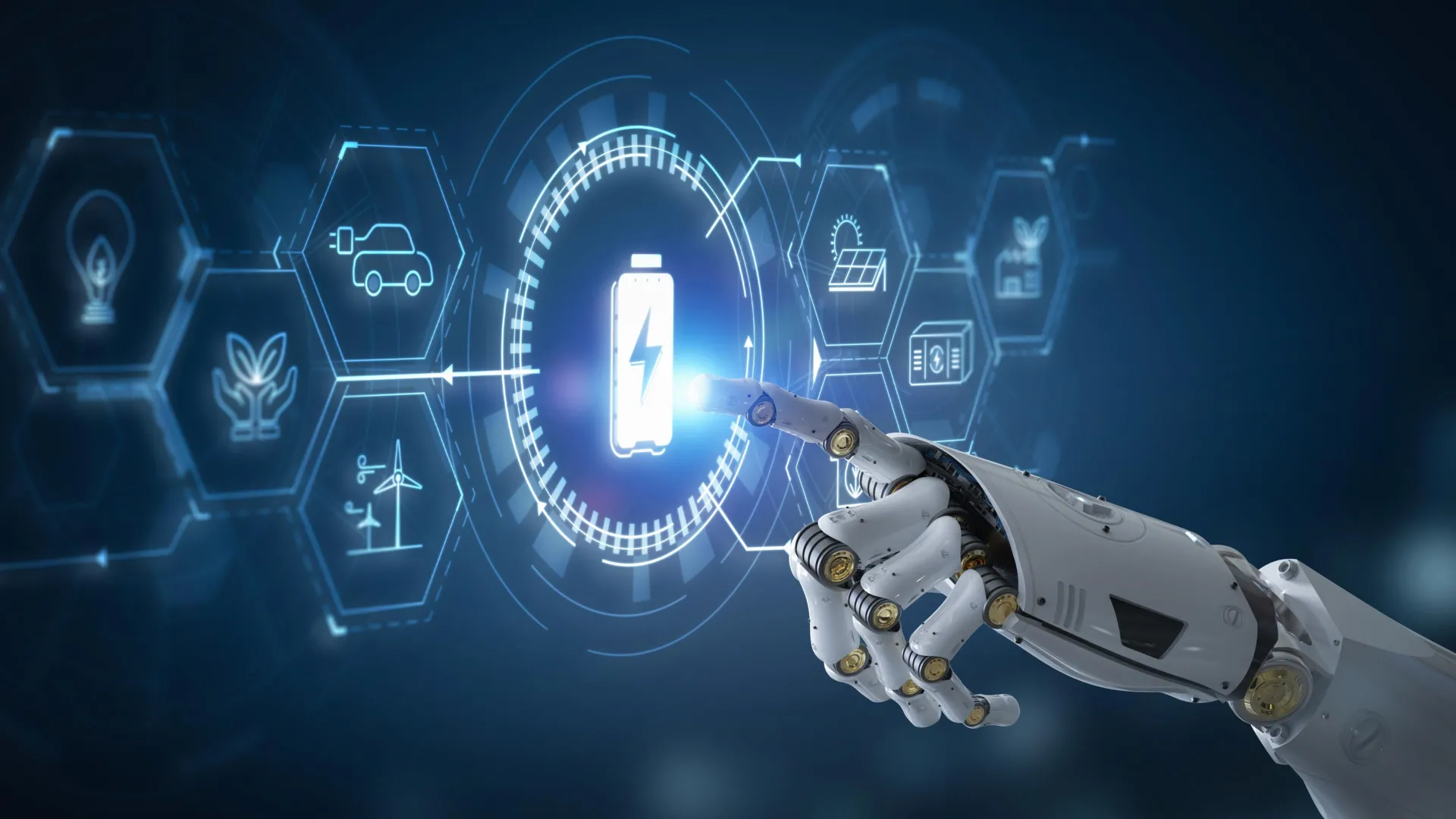
AI’s climate impact is much smaller than many feared
New findings challenge the widespread belief that AI is an environmental villain. By analyzing U.S. economic data and AI usage across industries, researchers discovered that AI’s energy consumption—while significant locally—barely registers at national or global scales. Even more surprising, AI could help accelerate green technologies rather than hinder them.
Who decides when AI is too dangerous?
Anthropic asked for AI regulation, but not like this.

AI agents pose untold risk to humanity. We must act to prevent that future | David Krueger
The pieces are falling into place for autonomous artificial intelligence. We must stop unregulated development
Kimi K3: The open-weights escalation
The global implications on the AI ecosystem.
How Americans see AI impacting human skills; its role in science, matchmaking, religion and more
Majorities don’t want AI to give advice about religion or love. But many say AI should help forecast weather, search for financial crimes, develop medicine and more.

AI Epistemic Risks: Emerging Mechanisms & Evidence
<p>Advances in artificial intelligence pose risks to humanity's collective capacity to form accurate beliefs, reason well, and maintain a healthy information en

Bridging the gap: inequalities that divide those who can and cannot create sustainable outcomes with AI
The widespread use of AI technologies impacts individuals, organisations, and societies in ways that warrant more comprehensive investigation. Inequalities in benefiting from AI advancements may le...
AI Act Scientific Panel
The Scientific Panel advises the AI Office and national authorities on the implementation the AI Act and assessment of the impacts and risks of General-Purpose AI (GPAI) models.
AI, Ethics, and Society — Home