The economic catastrophe of 2008 was the largest of its kind since the Depression. Who’s taking the fall?
The A.I. Boom and the Spectre of 1929
As some financial leaders fret publicly about the stock market falling to earth, Andrew Ross Sorkin’s new book recounts the greatest crash of them all.

Attention Is All You Need #2: This Time Is Different
What can we learn from the 2007 Global Financial Crisis and the 1990’s dot-com bubble?

Corporate Bungling And Political Scandal Abound In Jesse Eisinger's New Book
Why don't crooked corporate CEO's go to jail anymore? Pulitzer Prize-winning journalist Jesse Eisinger uncovers culture of cowardice, incompetence, and corruption in both government and finance.

The Joy of Becoming Worthless…except to each other — Douglas Rushkoff
My last piece, The Intentional Collapse, seems to have agitated a few people. I know it came off a bit dark. I talked about how the Uber wealthy believe the world as we know it is ending and that there won’t be enough essential resources to go around, so they need to take control of as much money and stuff and land as possible in order to position themselves for the end of days.
013 - Olivier De Schutter on Why the Economy Creates Poverty – and How To Fix It
The "Big Short" Guy Who Called (And Cashed In On) The 2008 Housing Bubble Just Bet Against the AI Bubble While Betting on Financial Armageddon In The US
Michael Burry looked at the most hyped trade in human history and said “nah.” You should probably pay attention.

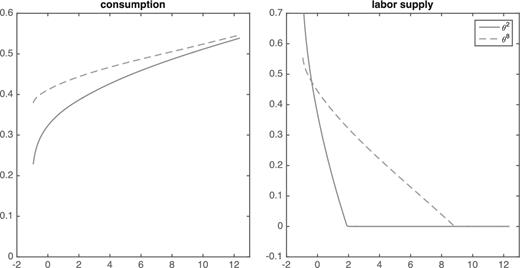
Credit Crises, Precautionary Savings, and the Liquidity Trap*
Abstract We study the effects of a credit crunch on consumer spending in a heterogeneous-agent incomplete-market model. After an unexpected permanent tightening in consumers’ borrowing capacity, constrained consumers are forced to repay their debt, and unconstrained consumers increase their precautionary savings. This depresses interest rates, especially in the short run, and generates an output drop, even with flexible prices. The output drop is larger with sticky prices, if the zero lower bound prevents the interest rate from adjusting downward. Adding durable goods to the model, households take larger debt positions and the output response can be larger.
One shock after another: Why fragile economies are falling further behind?
Fragile and conflict-affected situations (FCS) never fully exited the pandemic recession and now face renewed stress from a major Middle East–driven energy shock. Nearly 60% of FCS economies still have lower real income per capita than in 2019 (vs 18% in other EMDEs), with poverty and food insecurity concentrated in non-recovered countries. The blog points to three main drags—high debt, conflict, and larger disaster losses—and calls for conflict prevention, macro stability, fiscal space, jobs, and sustained support.

Home - Financial Times
News, analysis and opinion from the Financial Times on the latest in markets, economics and politics
One Generation Runs the Country. The Next Cashed In on Crypto.
Sons of top Trump administration officials made billions for their families, but their investors didn’t always fare so well.
The Largest Mass Deportation in American History | HISTORY
Up to 1.3 million people may have been swept up in the campaign.

Les inégalités aux Etats-Unis (5/5) : une financiarisation prédatrice
traduction française du billet de blog "Predatory financialization. Understanding Inequality: Part V" de Paul Krugman

THE 2028 GLOBAL INTELLIGENCE CRISIS
A Thought Exercise in Financial History, from the Future

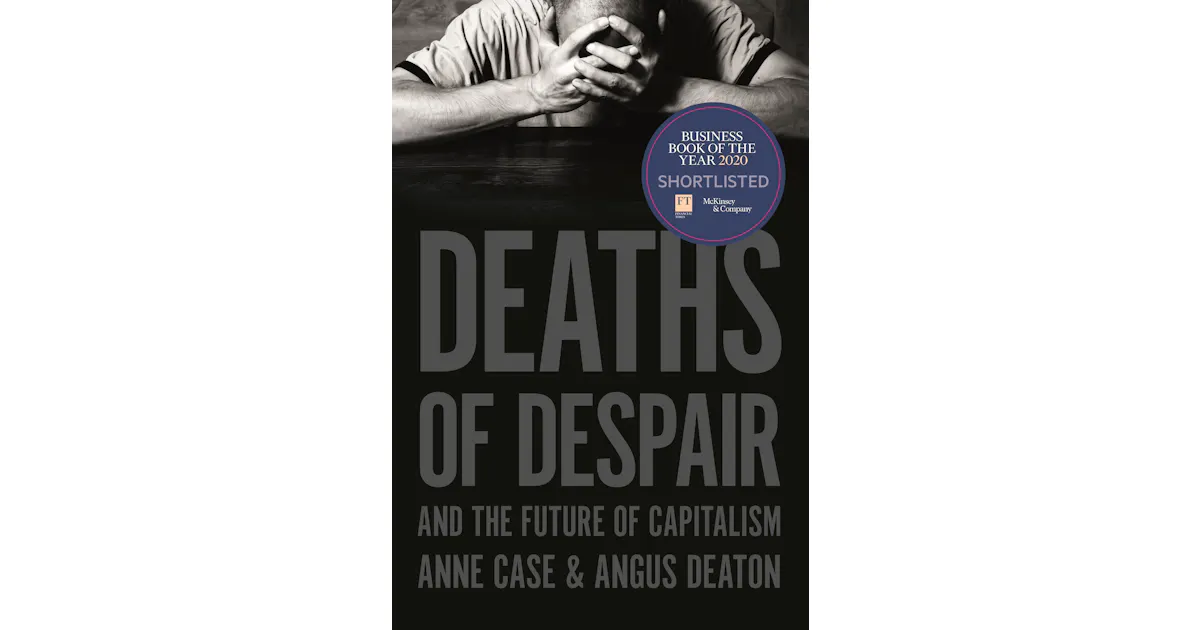
Deaths of Despair and the Future of Capitalism
A New York Times BestsellerA Wall Street Journal BestsellerA New York Times Notable Book of 2020A New York Times Book Review Editors' ChoiceShortlisted for the Financial Times and McKinsey Business Book of the YearA New Statesman Book to ReadFrom economist Anne Case and Nobel Prize winner Angus Deaton, a groundbreaking account of how the flaws in capitalism are fatal for America's working class