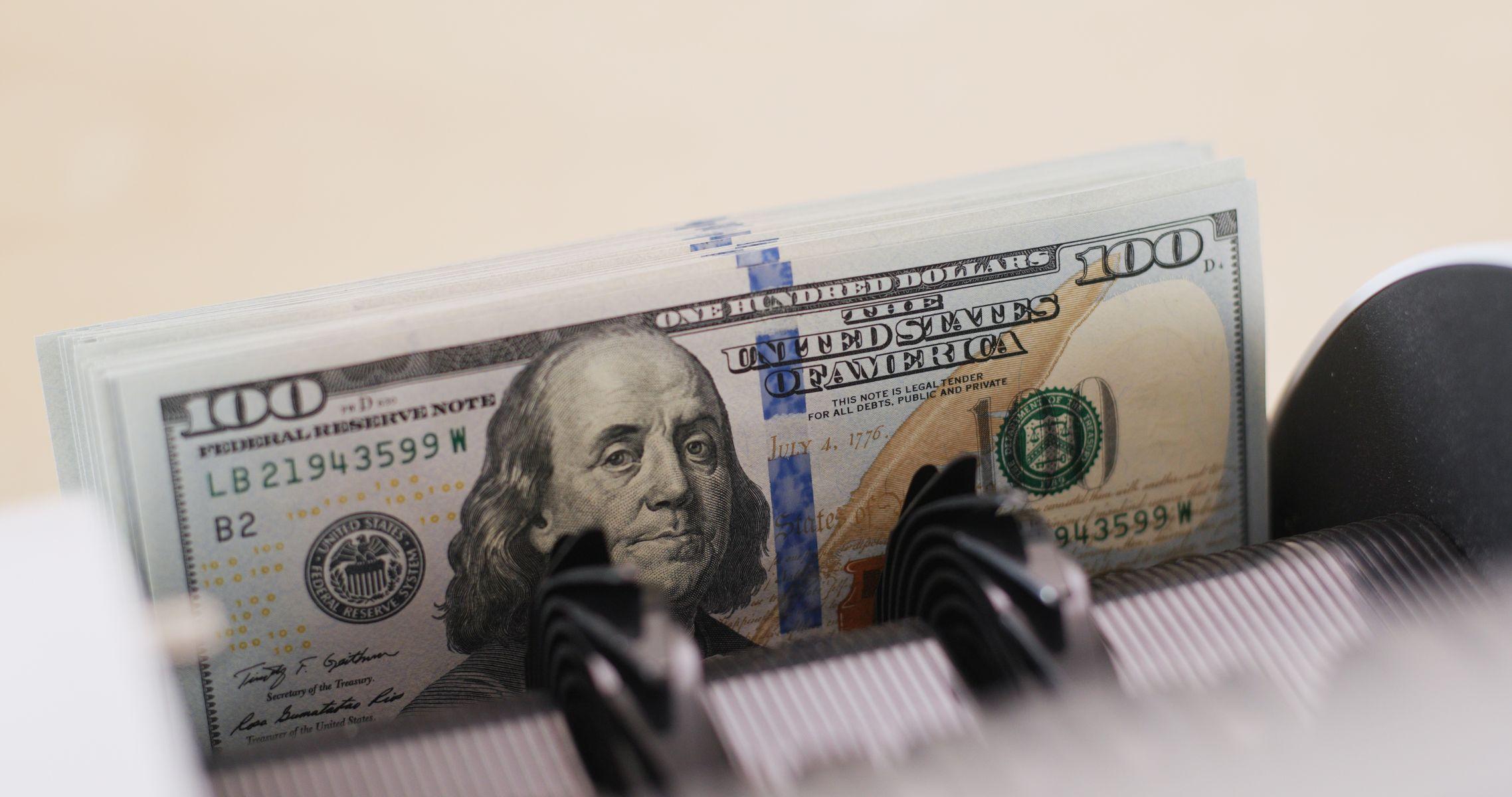
The official statistics say that the financial crisis is behind us. It's not.
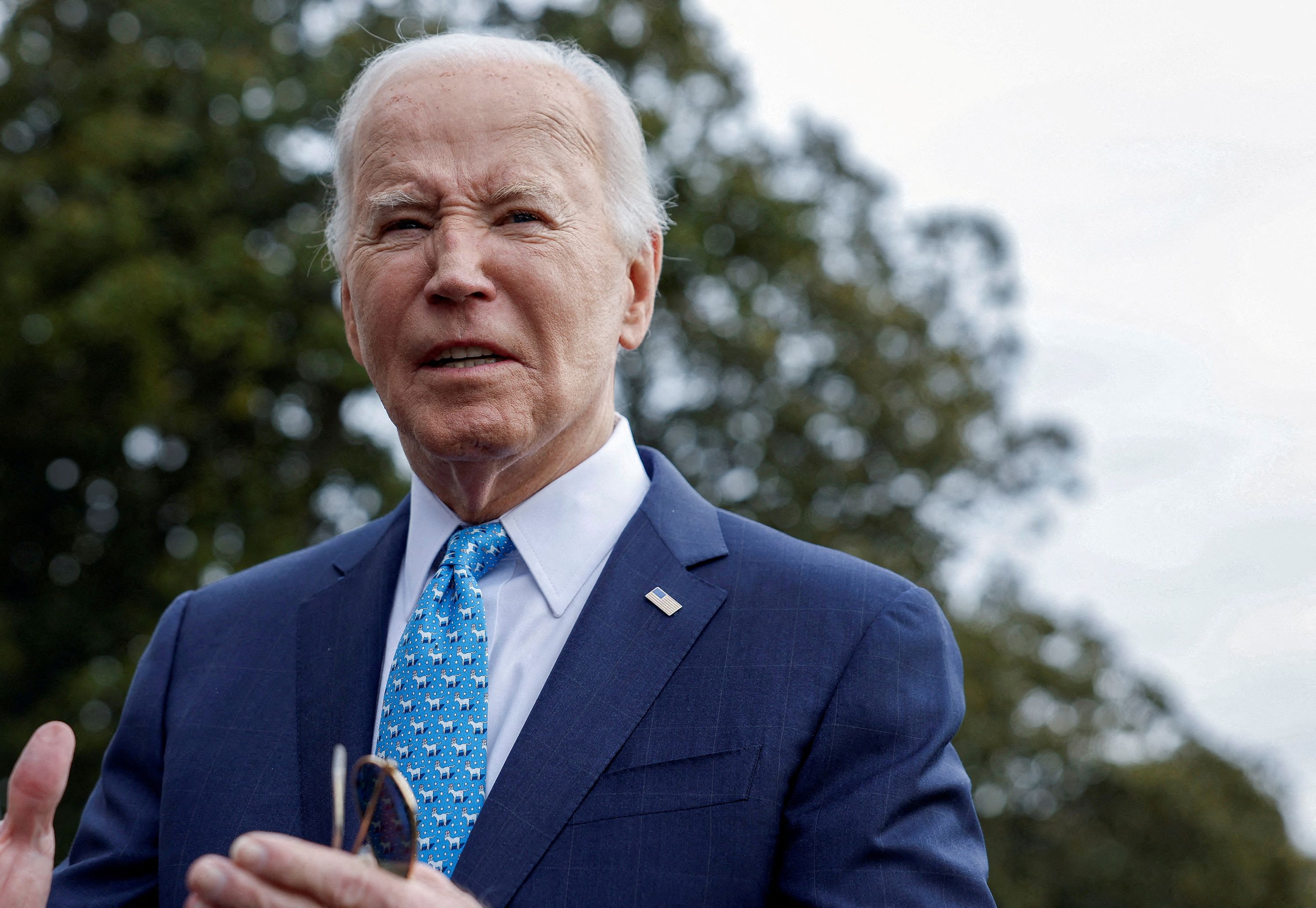
The US economy is doing well. President Biden wants to know why so many Americans are still feeling bad | CNN Politics
By many metrics, the US economy is humming along. The jobs market is robust; consumers are spending again; and inflation has eased to a three-year low.
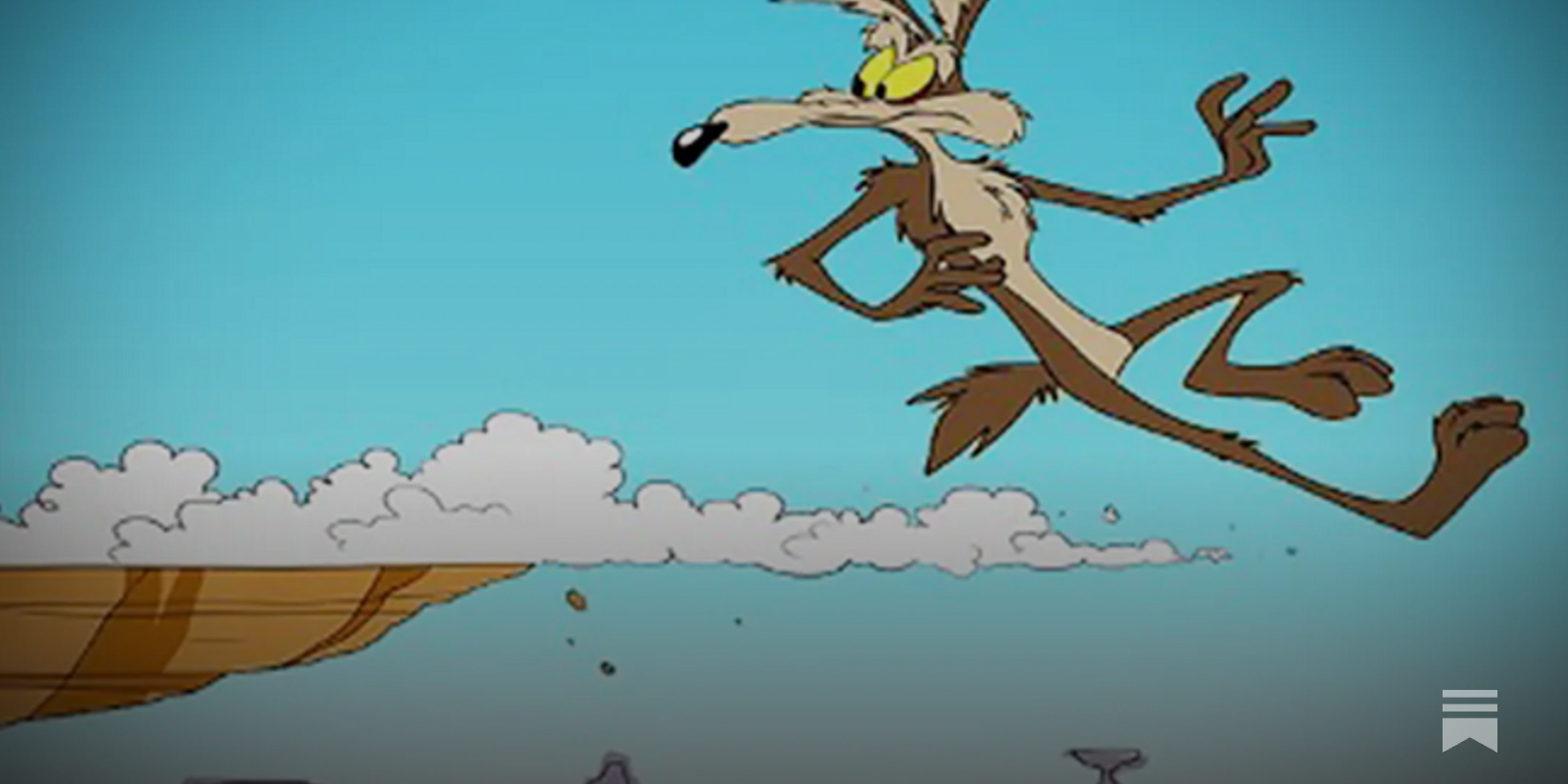
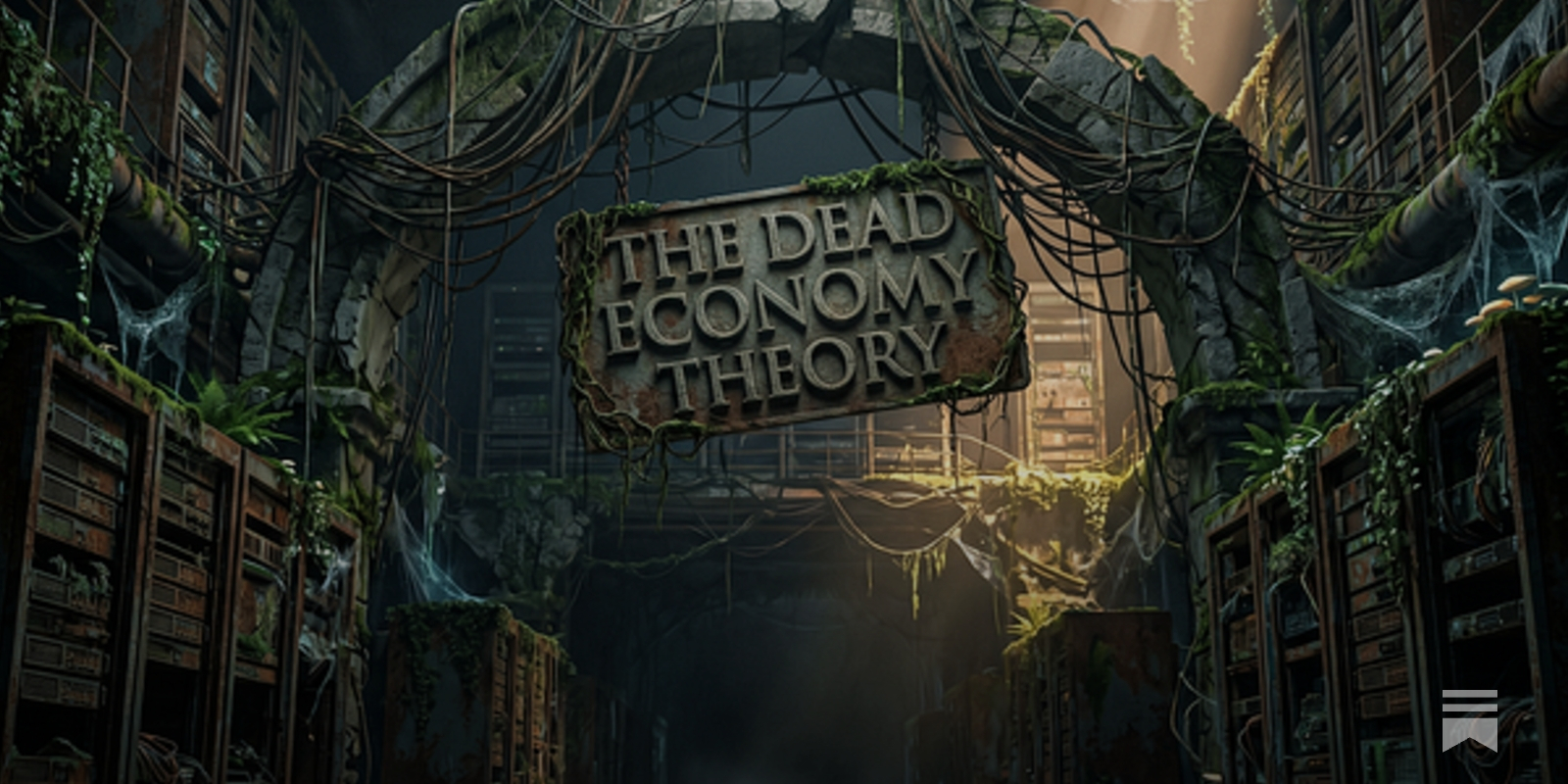
Attention Is All You Need #2: This Time Is Different
What can we learn from the 2007 Global Financial Crisis and the 1990’s dot-com bubble?

The Quiet Rewiring of American Finance
Stablecoins, Treasury markets, and the most significant shift in financial infrastructure that almost nobody is discussing.

The Value of Nothing: Capital versus Growth - American Affairs Journal
Throughout 2021, U.S. stock market valuations have hovered near all‑time highs. In June, the unadjusted price-to-earnings (P/E) ratio of the S&P 500 index eclipsed the tech boom record of 2000. Many other asset classes have attained, or nearly attained, record valuations as well. Stratospheric valuations may be partially attributable to the unique circumstances surrounding Covid-19...


China
The most important story of 2014 that most people ignored was the Chinese economy overtaking the US economy. (This is using the purchasing power parity metric, which incorporates differences in...

Home - Financial Times
News, analysis and opinion from the Financial Times on the latest in markets, economics and politics
The Fallacy of Endless Economic Growth
What economists around the world get wrong about the future.

THE 2028 GLOBAL INTELLIGENCE CRISIS
A Thought Exercise in Financial History, from the Future

Pluralistic: Austerity creates fascism (13 Apr 2026) – Pluralistic: Daily links from Cory Doctorow
I'm worried about AI psychosis. Specifically, I'm worried about the psychosis that makes our "capital allocators" spend $1.4T on the money-losingest technology in the history of the human race, in pursuit of a bizarre fantasy that if we teach the word-guessing program enough words, it will take all the jobs. That's some next-level underpants-gnomery:
Robust fiscal stabilisation
Recent fiscal projections for the US forecast a rising debt-GDP ratio which exceeds the peak at the end of World War II. This column shows that over the last 20 years, there is no longer evidence of a stabilising fiscal feedback, where higher projected deficits lead to more deficit reduction. It argues that the current fiscal trajectory is unstable, and adverse fiscal shocks would only worsen the prospects. However, if a gradual fiscal feedback were to be re-established, then the trajectory would be stable. This feedback would imply deficit reductions in the range of 0.5% to 1.1% of GDP over the next decade.
Will AI Destroy the Economy? (According to Economists: No.) | AI Reality Check | Cal Newport
Why to Start a Startup in a Bad Economy
October 2008The economic situation is apparently so grim that some experts fear we may be in for a stretch as bad as the mid seventies.When Microsoft and Apple were founded.As those examples suggest, a recession may not be such a bad time to start a startup. I'm not claiming it's a particularly good time either. The truth is more boring: the state of the economy doesn't matter much either way.If we've learned one thing from funding so many startups, it's that they succeed or fail based on the qualities of the founders. The economy has some effect, certainly, but as a predictor of success it's rounding error compared to the founders.Which means that what matters is who you are, not when you do it. If you're the right sort of person, you'll win even in a bad economy. And if you're not, a good economy won't save you. Someone who thinks "I better not start a startup now, because the economy is so bad" is making the same mistake as the people who thought during the Bubble "all I have to do is start a startup, and I'll be rich."So if you want to improve your chances, you should think far more about who you can recruit as a cofounder than the state of the economy. And if you're worried about threats to the survival of your company, don't look for them in the news. Look in the mirror.But for any given team of founders, would it not pay to wait till the economy is better before taking the leap? If you're starting a restaurant, maybe, but not if you're working on technology. Technology progresses more or less independently of the stock market. So for any given idea, the payoff for acting fast in a bad economy will be higher than for waiting. Microsoft's first product was a Basic interpreter for the Altair. That was exactly what the world needed in 1975, but if Gates and Allen had decided to wait a few years, it would have been too late.Of course, the idea you have now won't be the last you have. There are always new ideas. But if you have a specific idea you want to act on, act now.That doesn't mean you can ignore the economy. Both customers and investors will be feeling pinched. It's not necessarily a problem if customers feel pinched: you may even be able to benefit from it, by making things that save money. Startups often make things cheaper, so in that respect they're better positioned to prosper in a recession than big companies.Investors are more of a problem. Startups generally need to raise some amount of external funding, and investors tend to be less willing to invest in bad times. They shouldn't be. Everyone knows you're supposed to buy when times are bad and sell when times are good. But of course what makes investing so counterintuitive is that in equity markets, good times are defined as everyone thinking it's time to buy. You have to be a contrarian to be correct, and by definition only a minority of investors can be.So just as investors in 1999 were tripping over one another trying to buy into lousy startups, investors in 2009 will presumably be reluctant to invest even in good ones.You'll have to adapt to this. But that's nothing new: startups always have to adapt to the whims of investors. Ask any founder in any economy if they'd describe investors as fickle, and watch the face they make. Last year you had to be prepared to explain how your startup was viral. Next year you'll have to explain how it's recession-proof.(Those are both good things to be. The mistake investors make is not the criteria they use but that they always tend to focus on one to the exclusion of the rest.)Fortunately the way to make a startup recession-proof is to do exactly what you should do anyway: run it as cheaply as possible. For years I've been telling founders that the surest route to success is to be the cockroaches of the corporate world. The immediate cause of death in a startup is always running out of money. So the cheaper your company is to operate, the harder it is to kill. And fortunately it has gotten very cheap to run a startup. A recession will if anything make it cheaper still.If nuclear winter really is here, it may be safer to be a cockroach even than to keep your job. Customers may drop off individually if they can no longer afford you, but you're not going to lose them all at once; markets don't "reduce headcount."What if you quit your job to start a startup that fails, and you can't find another? That could be a problem if you work in sales or marketing. In those fields it can take months to find a new job in a bad economy. But hackers seem to be more liquid. Good hackers can always get some kind of job. It might not be your dream job, but you're not going to starve.Another advantage of bad times is that there's less competition. Technology trains leave the station at regular intervals. If everyone else is cowering in a corner, you may have a whole car to yourself.You're an investor too. As a founder, you're buying stock with work: the reason Larry and Sergey are so rich is not so much that they've done work worth tens of billions of dollars, but that they were the first investors in Google. And like any investor you should buy when times are bad.Were you nodding in agreement, thinking "stupid investors" a few paragraphs ago when I was talking about how investors are reluctant to put money into startups in bad markets, even though that's the time they should rationally be most willing to buy? Well, founders aren't much better. When times get bad, hackers go to grad school. And no doubt that will happen this time too. In fact, what makes the preceding paragraph true is that most readers won't believe it—at least to the extent of acting on it.So maybe a recession is a good time to start a startup. It's hard to say whether advantages like lack of competition outweigh disadvantages like reluctant investors. But it doesn't matter much either way. It's the people that matter. And for a given set of people working on a given technology, the time to act is always now.
Is the US dollar's reserve currency status eroding? | Brookings
Robin Brooks analyzes changes in the U.S. dollar's reserve currency status during the second Trump administration.