


Relational values reflect the qualities of the relationships between humans and nature, such as care, social bonding, place attachment and spiritual meanings. In this perspective article, we argue ...
Who owns nature ?
International policies for the protection of the Environment rest on a very specific conception of nature, which appeared in Europe during the Enlightenment. This conception is far from being shared by all the peoples of the earth, who value different cosmological principles. According to Philippe Descola, the preservation of biodiversity can only become fully effective if it takes into account this plurality in the understanding of nature. At the instigation of international (…)
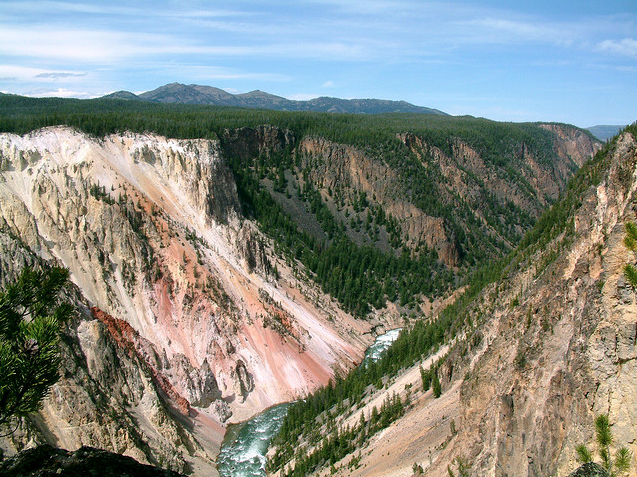
Gradients of intimacy and creating shelter: An interview with Erin Kissane
How might we use nature as an inspiration for creating online communities?

Assessing nature's contributions to people
Recognizing culture, and diverse sources of knowledge, can improve assessments , A major challenge today and into the future is to maintain or enhance beneficial contributions of nature to a good quality of life for all people. This is among the key motivations of the Intergovernmental Science-Policy Platform on Biodiversity and Ecosystem Services (IPBES), a joint global effort by governments, academia, and civil society to assess and promote knowledge of Earth's biodiversity and ecosystems and their contribution to human societies in order to inform policy formulation. One of the more recent key elements of the IPBES conceptual framework ( 1 ) is the notion of nature's contributions to people (NCP), which builds on the ecosystem service concept popularized by the Millennium Ecosystem Assessment (MA) ( 2 ). But as we detail below, NCP as defined and put into practice in IPBES differs from earlier work in several important ways. First, the NCP approach recognizes the central and pervasive role that culture plays in defining all links between people and nature. Second, use of NCP elevates, emphasizes, and operationalizes the role of indigenous and local knowledge in understanding nature's contribution to people.

on place and person - encyclopedia eidolica
In several conversations with a friend I was invited to revisit some prior beliefs I had posited on the relationship between the environment and the self; at various times in my life this position has reversed, then reversed again, but I think it’s reaching a more nuanced, unified position.
ICPA - ICPA 2026
Welcome to the 2026 International Conference on Perception and Action (ICPA). This year, we meet in Omaha, Nebraska, bringing the international ecological psychology community together in a setting that reflects a growing culture of research and innovation.ICPA brings together scholars from around the world who study perception and action as inseparable, mutually constraining processes grounded in organism–environment relations. The program features work spanning affordances, perceptual learning, coordination and control, development, social interaction, ecological design, and methodological innovation.The conference is designed to support sustained dialogue across theoretical, empirical, and applied perspectives—welcoming diverse viewpoints and participants from across institutions, disciplines, and countries. We invite you to join us for a week of scientific exchange and community building as we continue to advance ecological approaches to understanding behavior in real-world contexts.
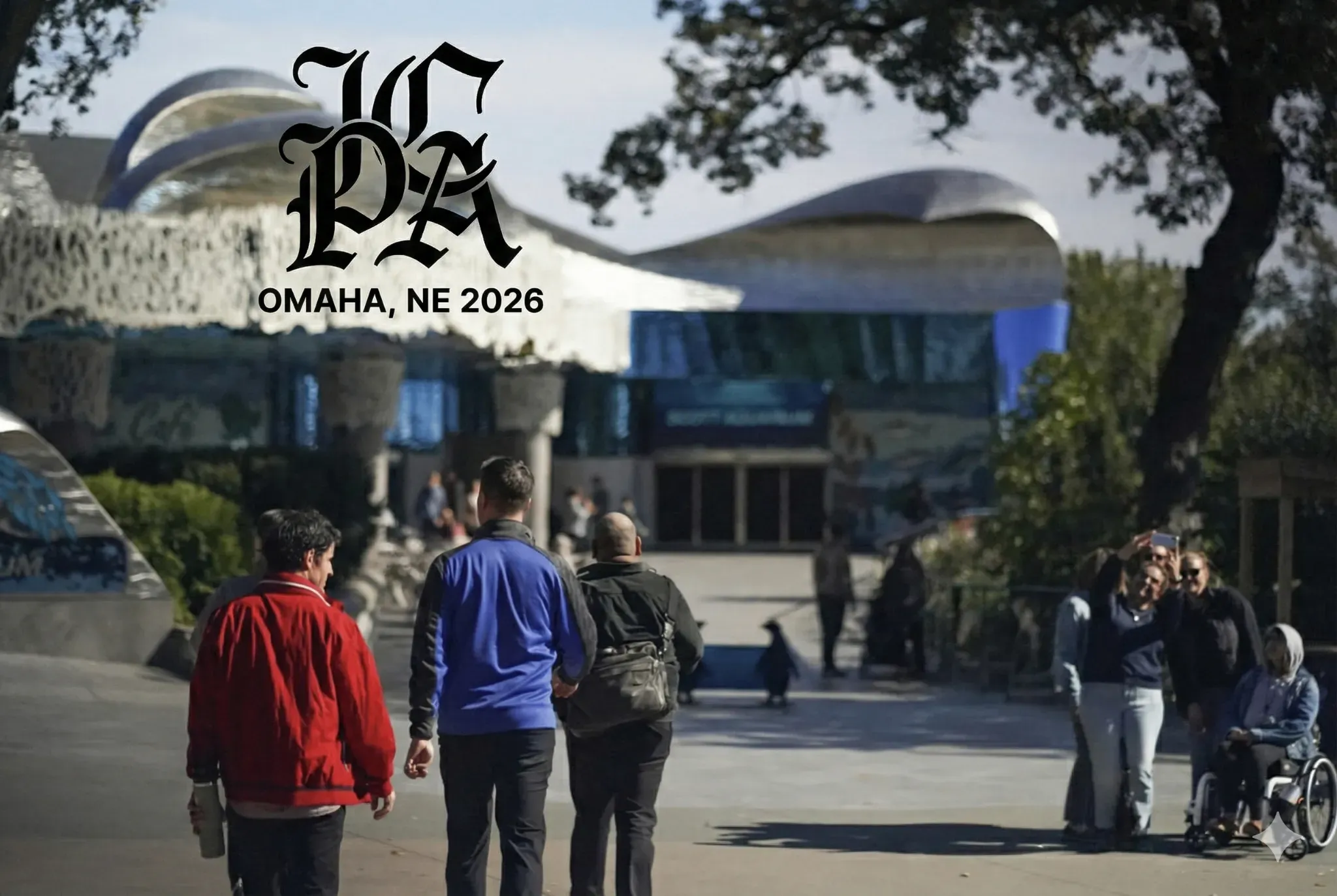
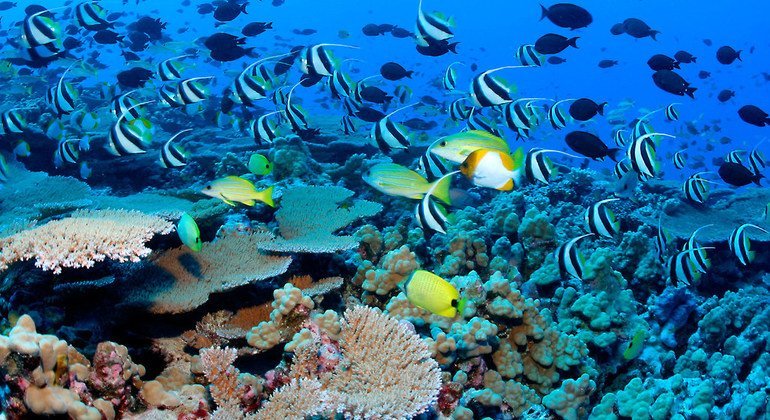
Ecosystem services - nature’s benefits
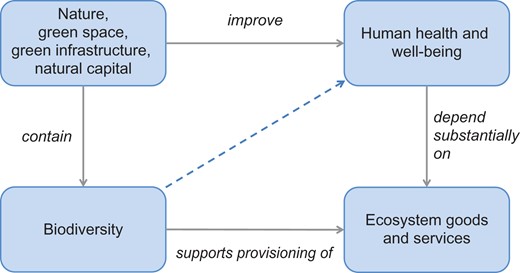
Nature's benefits or ecosystem services depend on a healthy environment. Investing in nature will help to secure these benefits for future generations.
The New Planetary Nationalism
The realization of human embeddedness in Earth’s natural systems does not inevitably create a cosmopolitan politics oriented toward universal well-being.
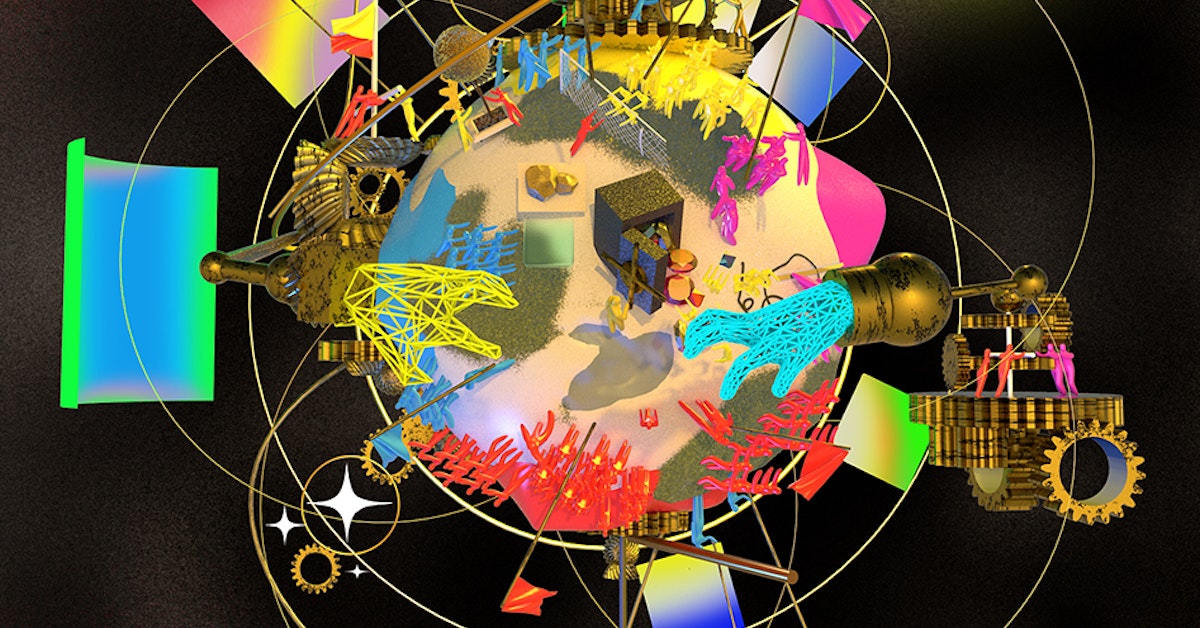
Biodiversity and human health: mechanisms and evidence of the positive health effects of diversity in nature and green spaces
AbstractIntroduction. Natural environments and green spaces provide ecosystem services that enhance human health and well-being. They improve mental health
How Social Isolation Is Killing Us (Published 2016)
Research confirms our deepest intuition: Human connection lies at the heart of human well-being.

Nature of Trust
The Nature of Trust Project is a collaboration between Biomimicry for Social Innovation (BSI) and Biomimicry 3.8 that combines biological research with real-world application to discover new models for social innovation using nature’s best strategies for building trust. Working alongside leaders in health equity and social change, the project explored how trust functions in living systems—and what those insights reveal for building stronger human relationships, organizations, and communities.

Ecocivilization: making a world that works for all
""One of the greatest thinkers of our age" (The Guardian) presents a new way of living-one modeled on nature's design instead of capitalism's-for fans of Guns, Germs, and Steel and Doughnut Economics It has often been said that it is easier to imagine the end of the world than it is to imagine the end of capitalism-and yet that is what the historical moment urgently calls for. Climate change has reached an emergency state, inequality continues to grow, and, for many, the future has never seemed more bleak. Incremental policy improvements are no longer enough-we need a deep transformation of our current civilization to continue to survive. In Ecocivilization, leading thinker Jeremy Lent reimagines the basis of our civilization, and argues for a new global system of living, one based on life-affirming principles modeled after nature's own design. What enfolds is a robust framework incorporating Lent's own expertise, and the lived experiences of those on the ground already putting ecological civilization's core tenants into practice-justice, mutuality, diversity, and symbiosis. From the global economy to universal housing and income, from infrastructure to agriculture, every major aspect of our society could be redesigned to work together as a coherent whole, setting the conditions for all people to flourish. Ecocivilization shows how this future on a regenerated Earth is not only desirable, but entirely feasible"--

Reflect nature’s ‘true value’ in economic policies and decisions, UN chief urges
Nations must start weighing up the cost of economic profit against damage to the environment if they are to have a chance at a sustainable future, UN Secretary-General António Guterres said on Tuesday.
Commoning as Relational Provisioning & Governance | David Bollier
This is the second section of an essay, "Relationalized Finance for Generative Living Systems and Bioregions," by David Bollier and Natasha Hulst. The remaining three sections of the essay will be published in the remaining days of this week. The full essay can be downloaded as a PDF here.
The Ecology of Freedom: The Emergence and Dissolution o…
"The very notion of the domination of nature by man ste…

Combining Social Science and Environmental Health Research for Community Engagement
Social science-environmental health (SS-EH) research takes many structural forms and contributes to a wide variety of topical areas. In this article we discuss the general nature of SS-EH contributions and offer a new typology of SS-EH practice that situates this type of research in a larger transdisciplinary sensibility: (1) environmental health science influenced by social science; (2) social science studies of environmental health; and (3) social science-environmental health collaborations. We describe examples from our own and others’ work and we discuss the central role that research centers, training programs, and conferences play in furthering SS-EH research. We argue that the third form of SS-EH research, SS-EH collaborations, offers the greatest potential for improving public and environmental health, though such collaborations come with important challenges and demand constant reflexivity on the part of researchers.
Ecological Media

Interconnected, relational, emergent. Socially networked media rooted in ecological relationalities.

We Need To Rewild The Internet
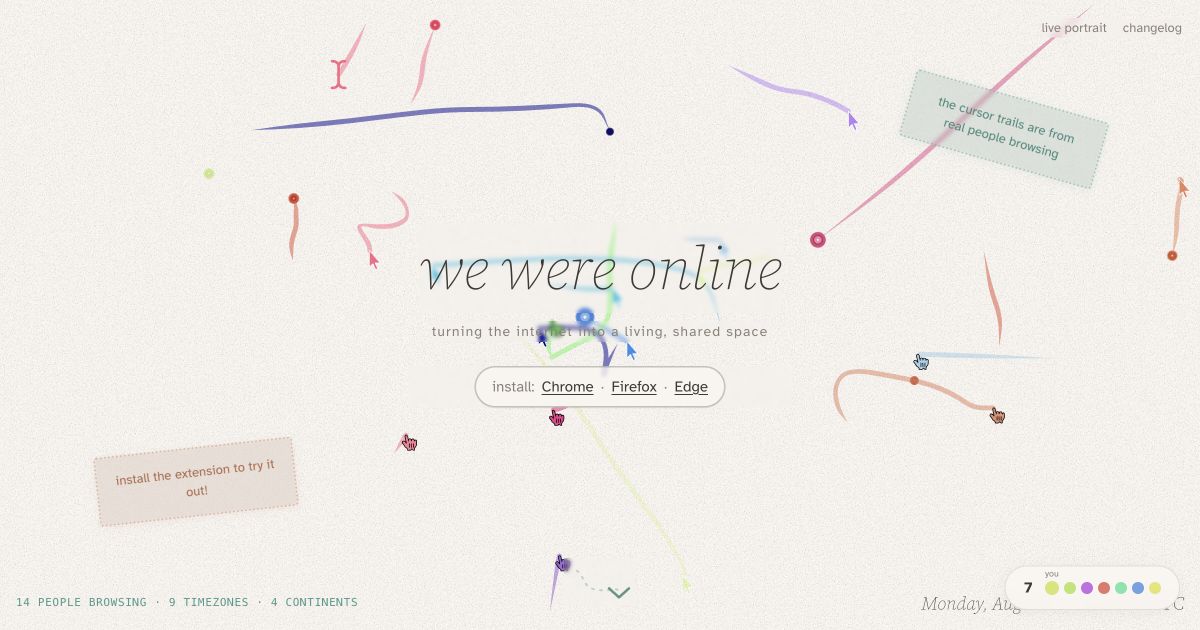
we were online
The information flaneur: a fresh look at information seeking
Trails and public spaces — Rafael M. Batista

It was a huge honor to present the opening keynote address at #SIGIR2026 and to talk about the need for IR to resist uncritical adoption of…
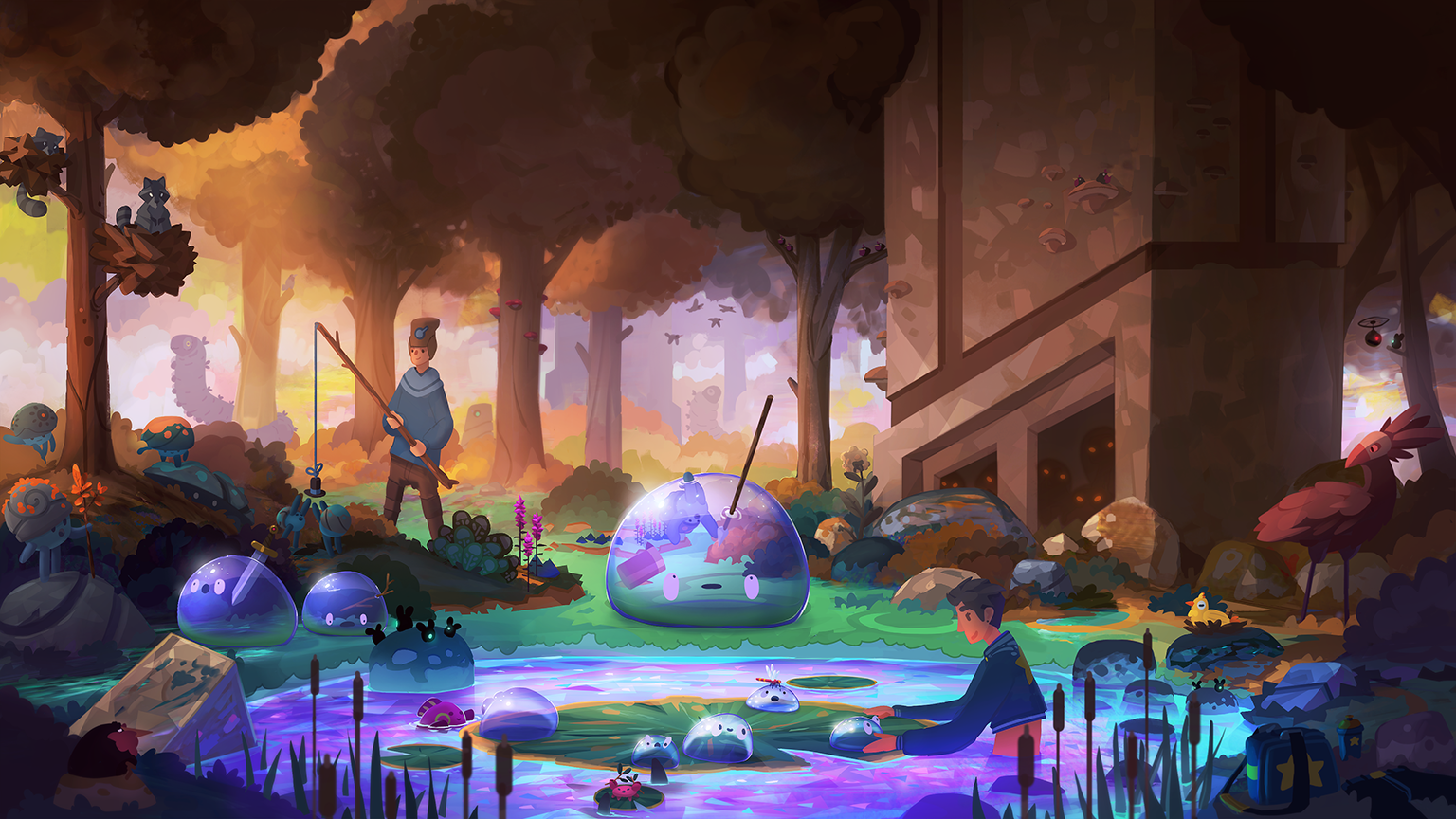
Chatty Community Gardens