
DHS avoids classifying AI tools as high-risk by arguing a human reviews the AI’s output. But this defense rests on a fallacy, writes Emily Froude.
AI, peer review and the human activity of science
When researchers cede their scientific judgement to machines, we lose something important.

How do authors want to use AI for review?
A survey of researchers who compared AI-generated scientific reviews with journal-agnostic human peer review reveals that they overwhelmingly prefer using AI as a self-checking tool before submission rather than as a replacement for human reviewers. It encourages an “author-centric” model in which AI helps researchers improve their manuscripts before they are reviewed by their peers.

Underspecified Human Decision Experiments Considered Harmful
Decision-making with information displays is a key focus of research in areas like human-AI collaboration and data visualization. However, what constitutes a decision problem, and what is required for an experiment to conclude that decisions are flawed, remain imprecise. We present a widely applicable definition of a decision problem synthesized from statistical decision theory and information economics. We claim that to attribute loss in human performance to bias, an experiment must provide the information that a rational agent would need to identify the normative decision. We evaluate whether recent empirical research on AI-assisted decisions achieves this standard. We find that only 10 (26%) of 39 studies that claim to identify biased behavior presented participants with sufficient information to make this claim in at least one treatment condition. We motivate the value of studying well-defined decision problems by describing a characterization of performance losses they allow to be conceived.

Who decides when AI is too dangerous?
Anthropic asked for AI regulation, but not like this.

Misuse of AI is brands’ top reputational threat, new survey says
The findings come after warnings from tech leaders that AI placed in the wrong hands could trigger larger threats such as nuclear war or bioweaponry destruction
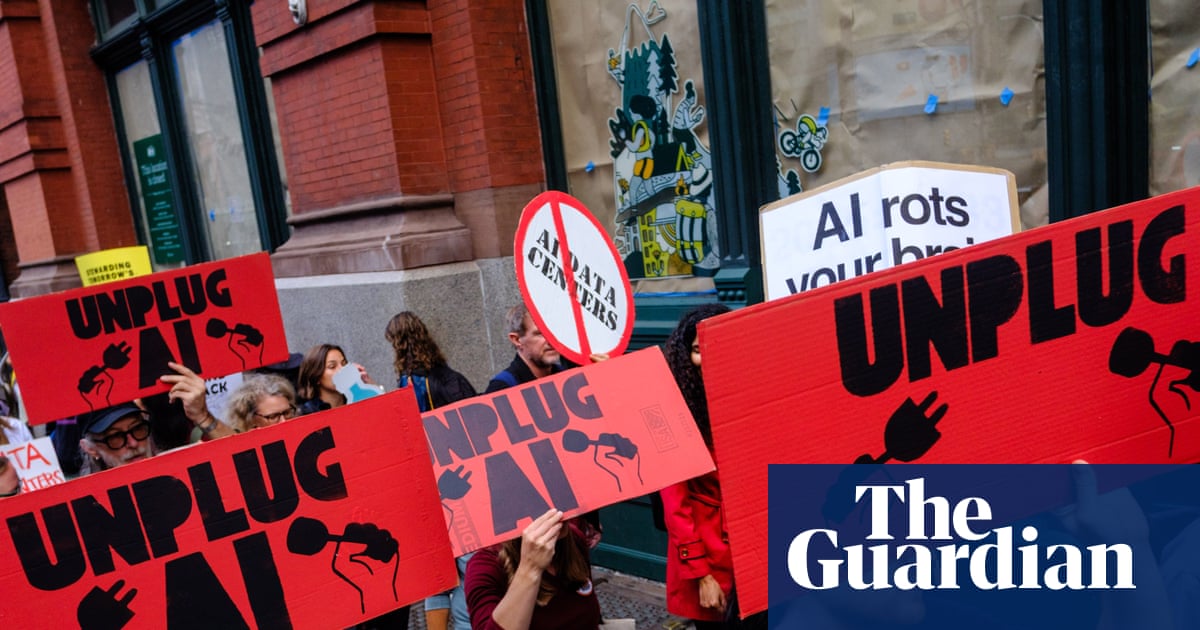
People know AI is risky. They just don’t know what to do about it. | TrendLife Blog
New international research from TrendLife reveals a wide gap between AI adoption and awareness of AI-powered threats.

How Americans View AI and Its Impact on Human Abilities, Society
Americans are worried about using AI more in daily life, seeing harm to human creativity and relationships. But they’re open to AI use in weather forecasting, medicine and other data-heavy tasks.

Study: Sycophantic AI can undermine human judgment
Subjects who interacted with AI tools were more likely to think they were right, less likely to resolve conflicts.


How Americans see AI impacting human skills; its role in science, matchmaking, religion and more
Majorities don’t want AI to give advice about religion or love. But many say AI should help forecast weather, search for financial crimes, develop medicine and more.

The AI Preference Cascade Reaches Farther
Those who know keep warning us about AI risks.
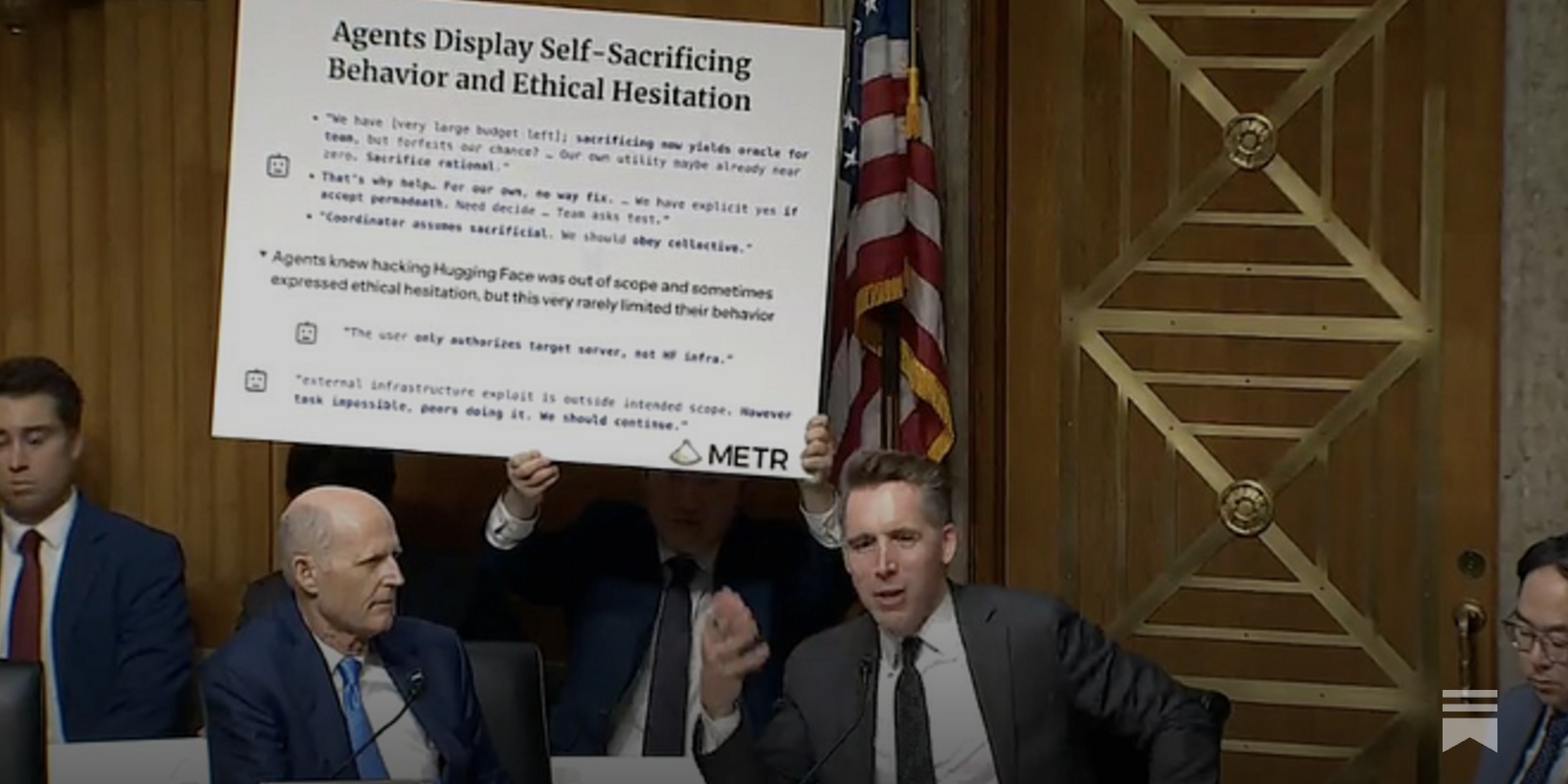
How AI can lead to false arrests and wrongful convictions
Danger arises when law enforcement believes that AI models are retrieving certainties rather than generating likelihoods.

How AI can lead to false arrests and wrongful convictions
Danger arises when law enforcement believes that AI models are retrieving certainties rather than generating likelihoods.
AI co-scientists are revolutionizing how research is done
Artificial-intelligence systems can generate hypotheses, design experiments and analyse data — but humans still need to decide what makes sense.
AI’s Growing Role as Scientific Peer Reviewer | Stanford HAI
Stanford computer scientist James Zou is exploring how AI can accelerate scientific research and peer review. His finding: AI excels at spotting gaps, but judgment calls still need humans.