

Publish structured data as versioned, permanent collections with schemas, provenance, and content addressing built in. Whether you're a research lab, a newsroom, a community archive, or a single developer, Underlay makes the knowledge you hold discoverable, verifiable, and easy to build on.
Open Exchange Architecture
A specification for representing scientific documents and their components as structured objects.
Open Exchange Architecture
A specification for representing scientific documents and their components as structured objects.
Open Exchange Architecture
A specification for representing scientific documents and their components as structured objects.
OME Project — open-metadata-exchange documentation
OME enables open educational resources to create, publish, and update their metadata on a peer-to-peer network. By solving authoring, publishing, and discovery issues, this network will provide broad visibility to current islands of OER information.
Research Object Crate (RO-Crate)
RO-Crate is a community effort to establish a lightweight approach to packaging research data with their metadata. It is based on schema.org annotations in JSON-LD, and aims to make best-practice in formal metadata description accessible and practical for use in a wider variety of situations, from an individual researcher working with a folder of data, to large data-intensive computational research environments.
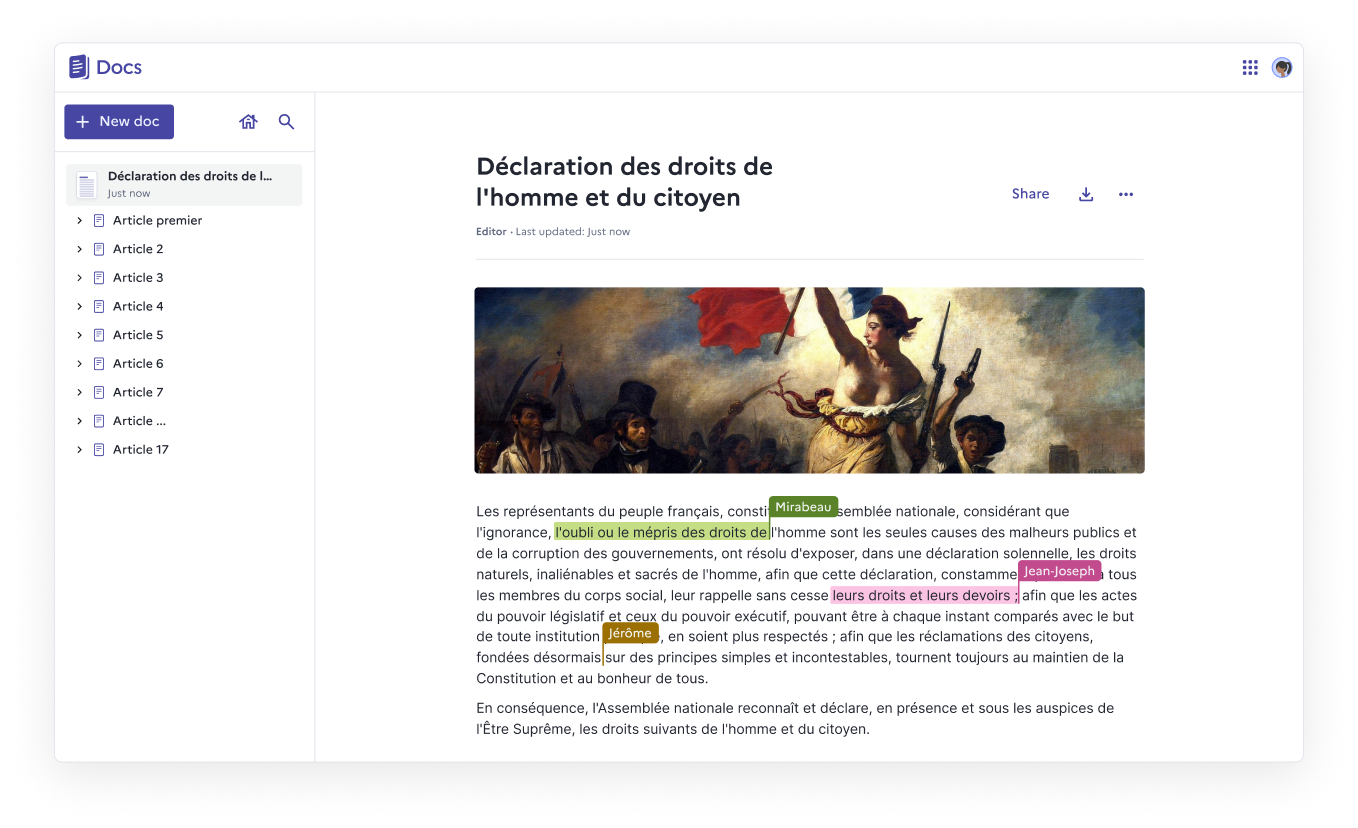
Docs — Turn your team's content into knowledge
Docs is the open-source document editor that turns your team's content into knowledge: real-time collaboration, structured knowledge, and full data ownership. Self-host it anywhere, or try a public instance in seconds.
Scientific Content Management System | Curvenote
Create, manage, and publish interactive research with connected workflows, modular content, and built-in provenance. Book a demo
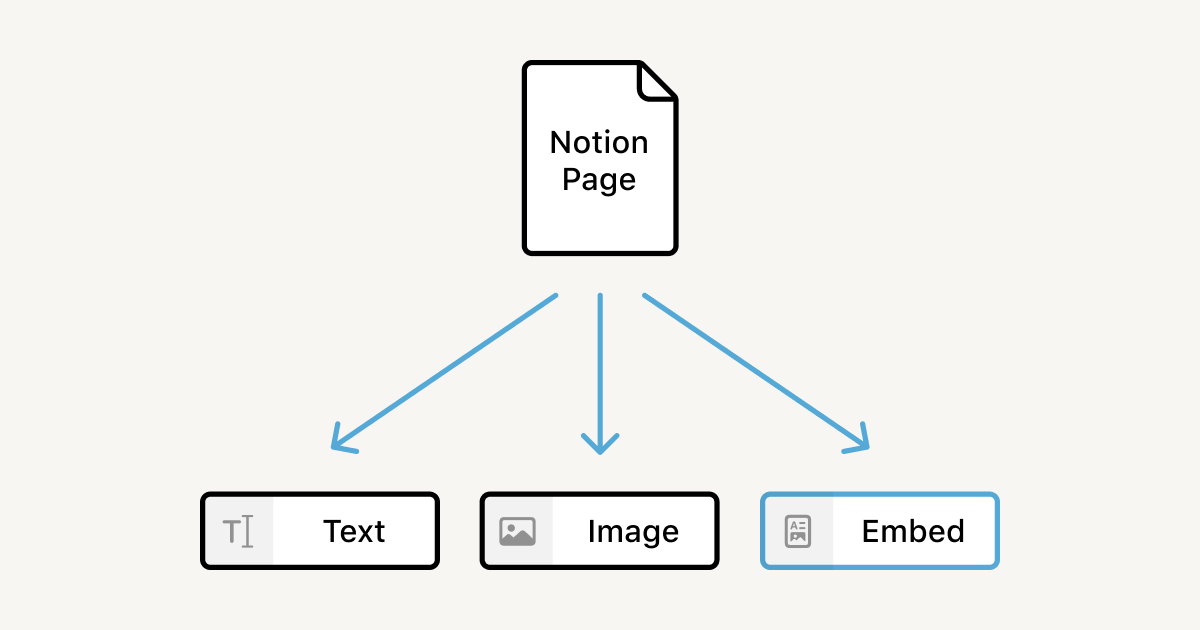
Exploring Notion's Data Model: A Block-Based Architecture | Notion
Notion’s data model enables the product’s most foundational component: blocks. Through blocks, we allow users more flexibility over their information.
Documenting Software Architecture
Documenting Software Architecture When we need to explain to someone else (new developer, product owner, investor, …) how the application works, we need documentation. But what documentation option…

DASL — Data-Addressed Structures & Links
A small set of simple, standard primitives to work on content-addressed data.

DASL — Data-Addressed Structures & Links
A small set of simple, standard primitives to work on content-addressed data.
What if a PDS became more than a repository for posts? We propose using AT Protocol as a creator-controlled publication layer for declaration metadata describing digital works, making rights, provenance, and other trusted metadata independently verifiable and easier to discover.

From Personal Data Server to Personal Metadata Server
liccium.leaflet.pubThis approach to a data commons could extend to so many typically shared things. For businesses to easily and authoritatively publish things like open hours or product catalogs, discographies, every kind of -ography... creative appmakers could do so much with all that

JB Hutch
Testing an idea that I've had for a while, but I think is even better suited for atproto Internet, meet plts.at
There are a lot of architectural bits, but if I had to pick one design feature it's Lexicons. Lexicons allow for new shared data types and structures in a way that are immediately available on network for any other service provider to adopt. Getting shared agreement in ActivityPub is hard.

Pedro Vezza
Why did you decide to bet on atproto over Mastodon or similar?
Knowledgebase Apps

Long form writing. Group access control. OIDC so we can use atproto. The commercial versions would be Notion or Confluence. An open version would be Outline Wiki.
Anytwo and the future of Anytype
Fichiers - La Suite Numérique
Docs - La Suite Numérique
Docs — Turn your team's content into knowledge
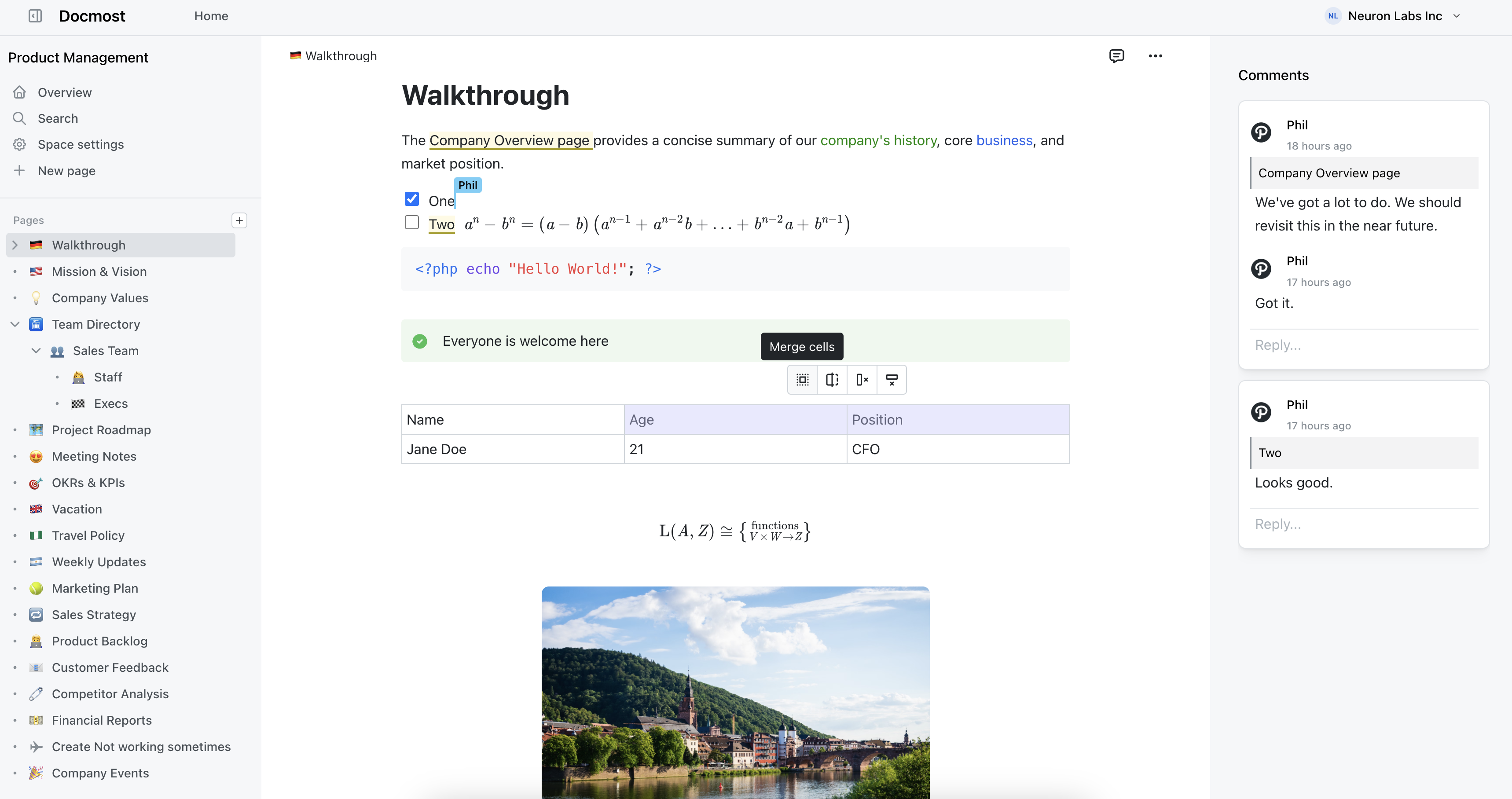
Enterprise-ready Wiki for Teams | Docmost
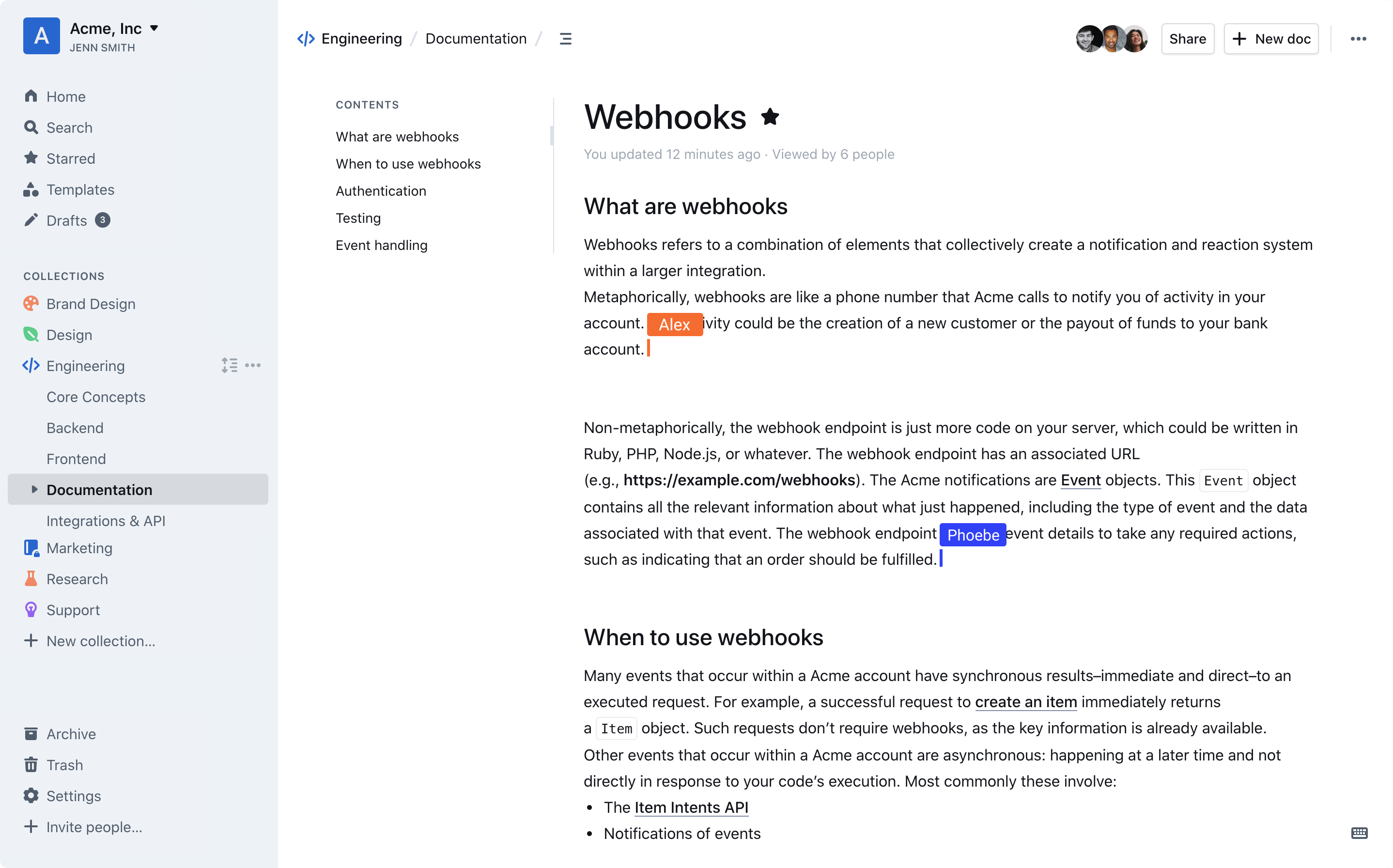
Outline – Team knowledge base & wiki


