


the depression thing: a neat story about depression and mental health. By Zach Holman.
Is everything you think you know about depression wrong?
In this extract from his new book, Johann Hari, who took antidepressants for 14 years, calls for a new approach

Eradicating Unhappiness
Is there a manual for living well? Where modern science, society, and psychology underserves, a philosophy nearly as old as time emerges. “Take a simple idea, and take it seriously.”—Charlie Munger…

Eiko Fried (@eikofried.bsky.social)
Professor of Mental Health & Data Science at Leiden University. Studying mental health problems as systems (http://eiko-fried.com). Building an early warning system for depression (http://WARN-D.com).

Life Is Strange Post-Game Depression Starter Kit
163 votes, 53 comments. Just finished the game and have that empty whole inside your heart? You're not alone! Lot's of people have gone through the…
Finding joy in the little things really can benefit your wellbeing – a scientist explains
Enjoying a cup of coffee or performing an act of kindness are some examples of the everyday ‘micro-joys’ that can boost your wellbeing.

Depression doesn't shrink the brain like we thought it did | New Scientist
For the past decade, depression has been linked to a shrunken hippocampus, which has a vital role in memory. But a large study using up-to-date scanning techniques suggests this may not be the case

The downside of being happy
Nobody likes to be sad, but it can have a powerful and positive effect.


How to be perfectly unhappy
This comic was inspired by essay from Augusten Burroughs: How to live unhappily ever after. In addition to the essay, I highly recommend reading his books. It's also been described in psychology as flow.

Ten Steps Towards Happiness - Hintjens.com
Biography | Portfolio | GitHub Books | Videos | Slides | Stories | Wiki Contact
Working remotely, coworking spaces, and mental health - bitquabit
This should be a hard blog post to write–after all, it’s the one where I openly admit I had an emotional breakdown and saw a mental health professional–but it’s actually easy. And it’s easy because it has a good ending: facing long odds and a frustrating situation, I ended up turning everything around and getting a place where I love my job and I’m a happy person again.
Mental Wealth
TL;DR • When it comes to mental health, our society approaches it like we did with physical health 50 years ago. We only think about it when something goes wrong. • To the wider public, mental heal…

Has anyone looked at this paper more closely? I've seen many of my bachelor students refer to it when it comes to depressive disorders. Authors find worldwide depression rates doubled from 1990 to 2020, which seems like a lot. pubmed.ncbi.nlm.nih.gov/40313474/

Trends in Prevalent Cases and Disability-Adjusted Life-Years of Depressive Disorders Worldwide: Findings From the Global Burden of Disease Study From 1990 to 2021 - PubMed
pubmed.ncbi.nlm.nih.govDepression

Mental health
Dysthymia
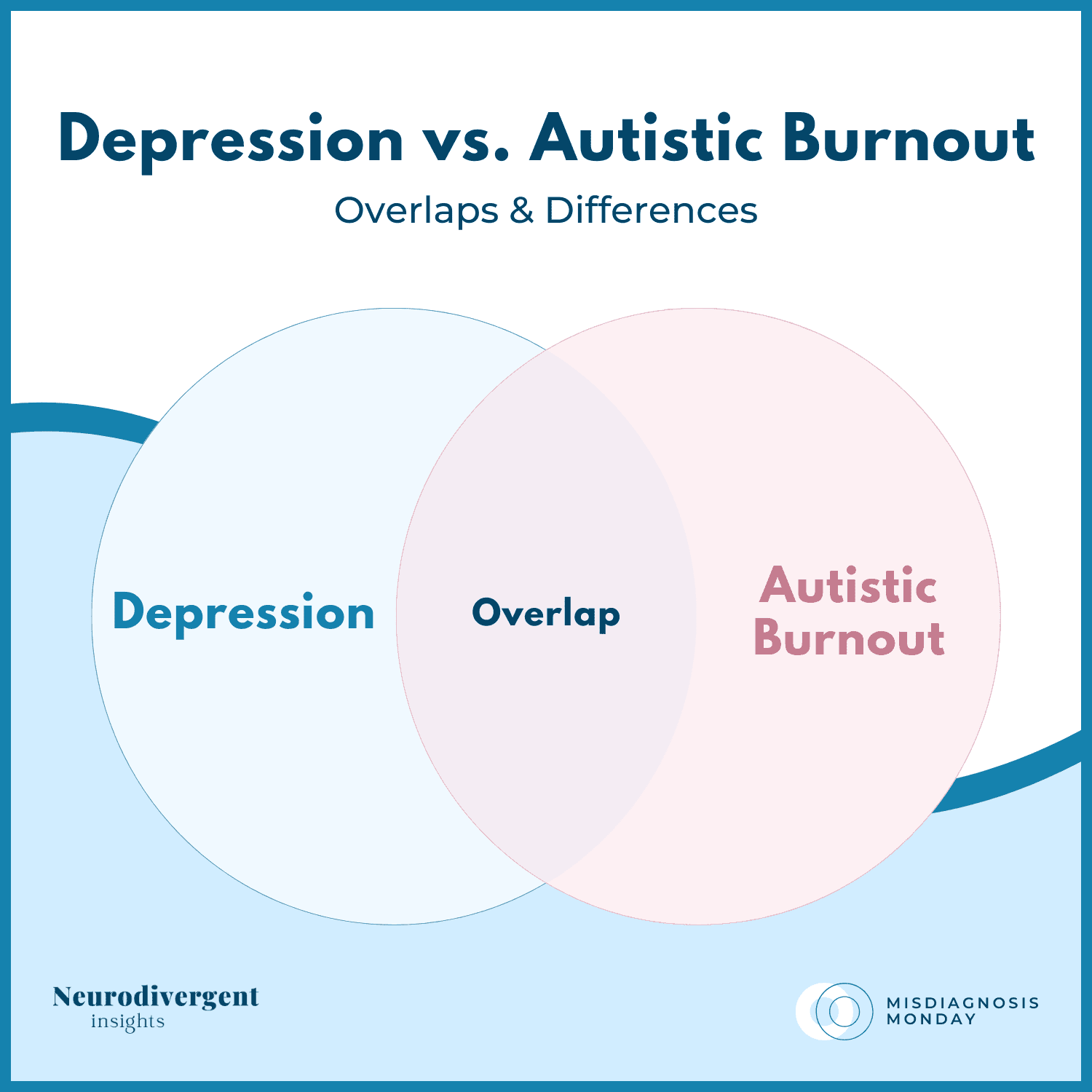
Autistic Burnout vs. Depression | Neurodivergent Insights

Defining autistic burnout through experts by lived experience: Grounded Delphi method investigating #AutisticBurnout - Julianne M Higgins, Samuel RC Arnold, Janelle Weise, Elizabeth Pellicano, Julian N Trollor, 2021
What Is Autistic Burnout? A Thematic Analysis of Posts on Two Online Platforms - Jane Mantzalas, Amanda L. Richdale, Achini Adikari, Jennifer Lowe, Cheryl Dissanayake, 2022
“Having All of Your Internal Resources Exhausted Beyond Measure and Being Left with No Clean-Up Crew”: Defining Autistic Burnout - Dora M. Raymaker, Alan R. Teo, Nicole A. Steckler, Brandy Lentz, Mirah Scharer, Austin Delos Santos, Steven K. Kapp, Morrigan Hunter, Andee Joyce, Christina Nicolaidis, 2020
“Shutdowns Are Like You’re Stuck on the Blue Screen of Death”: A Metaphor Analysis of Autistic Shutdowns - Katie Paris, Alexandru “Zeph” Lodestone, Melissa Houser, Laura Foran Lewis, 2025
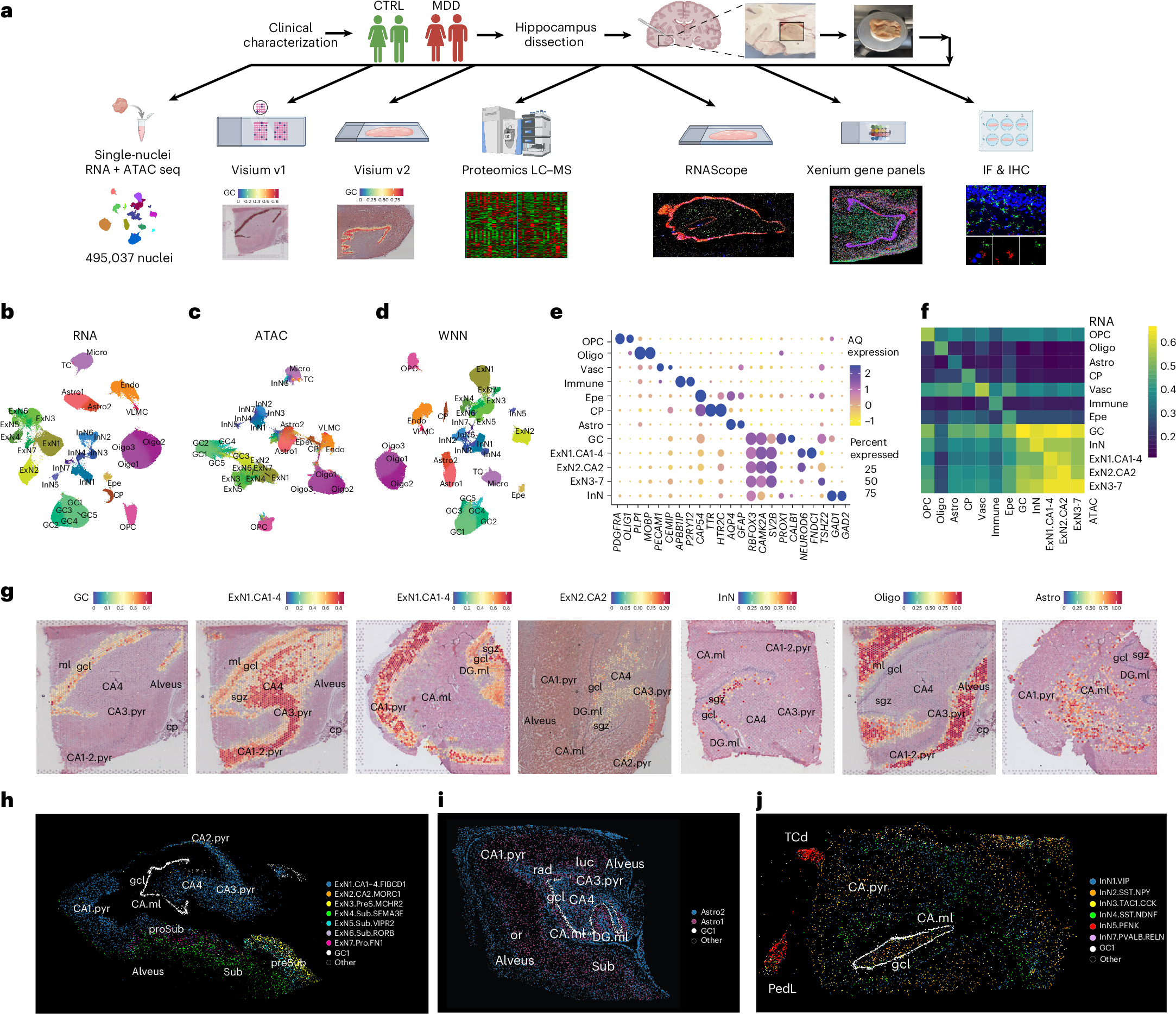
Dysregulated adult hippocampal neurogenesis in major depressive disorder

うつ病患者の脳では、新しい神経細胞の生成が“停滞”していた:研究結果
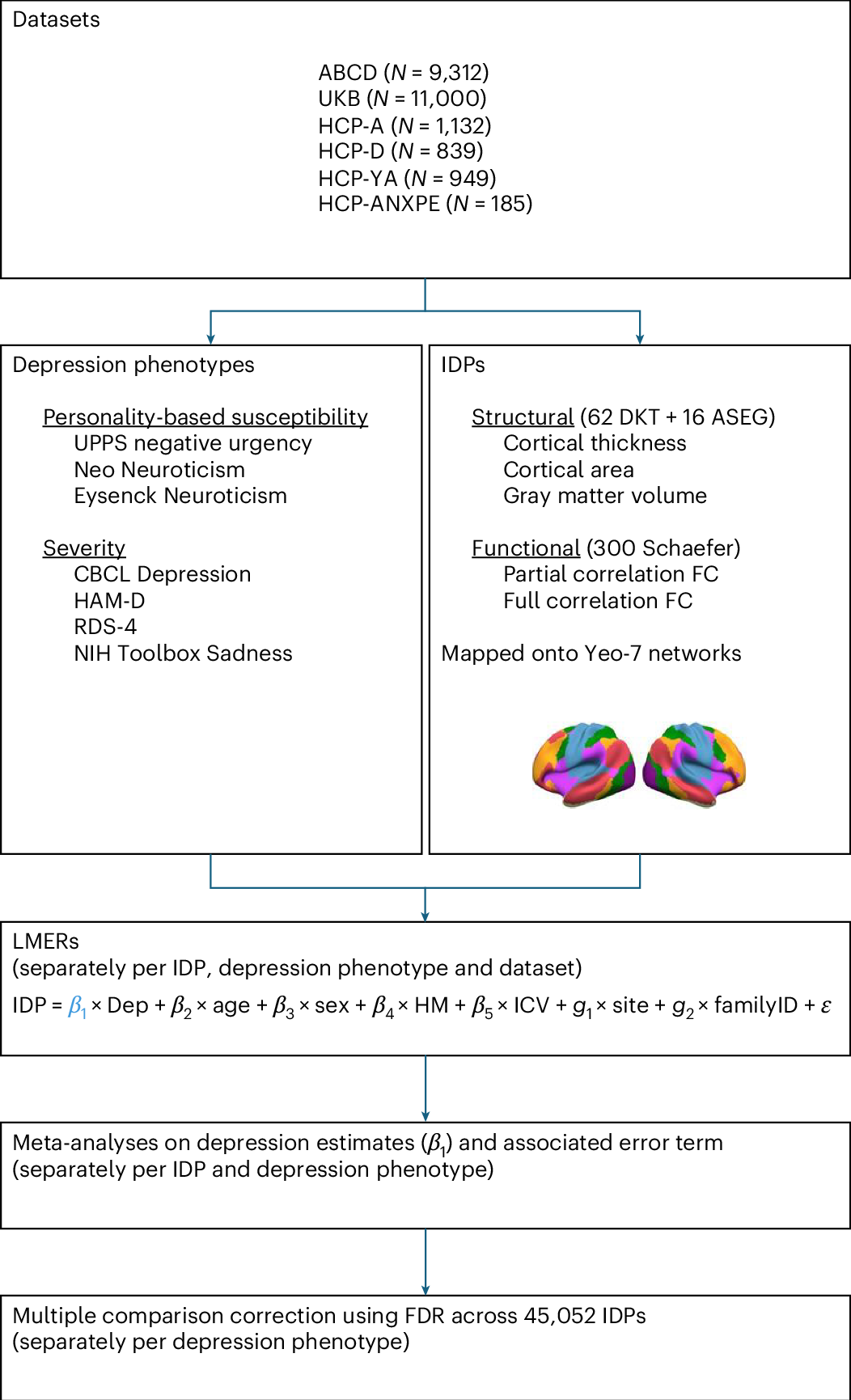
The neuroimaging correlates of depression established across six large-scale population datasets
Depression doesn't shrink the brain like we thought it did | New Scientist
