

Notes from inside China's AI labs
Lessons from my trip to talk to most of the leading AI labs in China.
AI Researchers On AI Risk
I first became interested in AI risk back around 2007. At the time, most people’s response to the topic was “Haha, come back when anyone believes this besides random Internet crackpots.…

The real AI risk is inside the labs - <antirez>
Import AI 446: Nuclear LLMs; China's big AI benchmark; measurement and AI policy
Will AIs be jealous of one another?

The 2026 AI Index Report | Stanford HAI
Get the latest news, advances in research, policy work, and education program updates from HAI in your inbox weekly.
A new direction for students in an AI world: Prosper, prepare, protect | Brookings
This report explores the potential risks generative AI poses to students and outlines what we can do now to minimize them.

March 2026 Global Dialogues Survey | Windfall Trust
Here’s what the world had to say about the AI economy
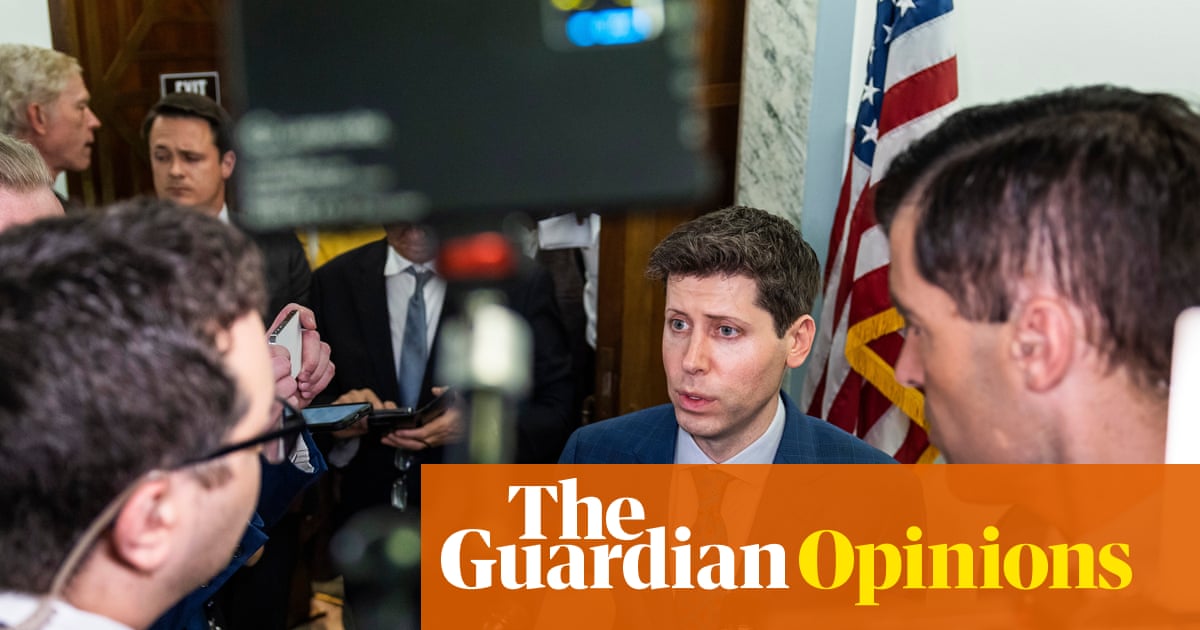
AI agents pose untold risk to humanity. We must act to prevent that future | David Krueger
The pieces are falling into place for autonomous artificial intelligence. We must stop unregulated development
State of AI Report 2025
The State of AI Report analyses the most interesting developments in AI. Read and download here.
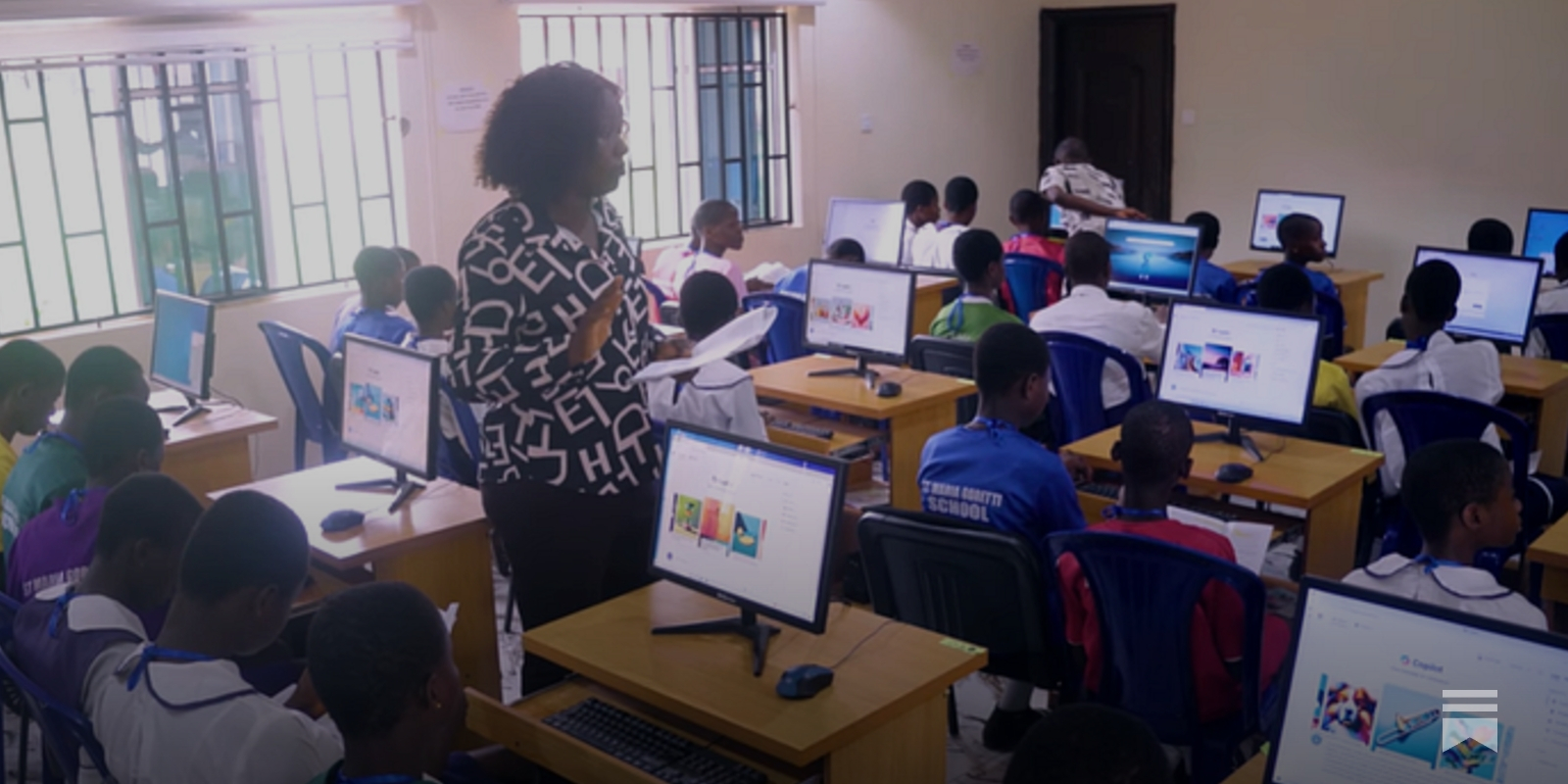
AI is Maybe Sometimes Better than Nothing
Reporting on that World Bank Nigeria paper
Home
Taiwan’s cyber-ambassador Audrey Tang on why the real danger of AI isn’t that machines imitate humans, but that humans adapt to machines.
China Releases “AI Plus” Policy: A Brief Analysis
Tonight, everyone’s WeChat Moments was flooded by one document.

Import AI 466: The bitter lesson for robotics, AIs complete week-long programming tasks; and OpenAI's accidental AI hacker
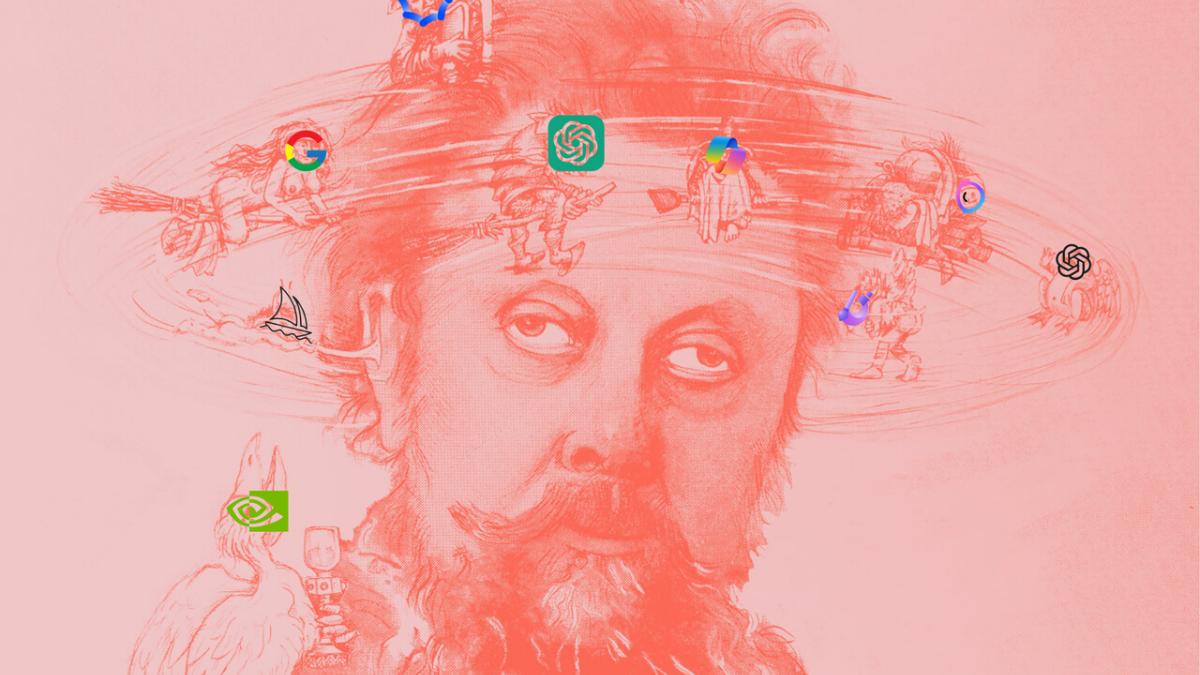
The warning shots will continue until civilization wakes up

The ecology of AI risk
Understanding the risk from applications of artificial intelligence (AI) is a critical part of creating AI governance strategies. Building on the idea of studying AI using ecological and evolutionary perspectives, we propose a novel approach for assessing risk from AI using indicators derived from theoretical ecology models. We illustrate our methods by deriving 3 indicators from population and ecosystem models originating from theoretical ecology. We conclude with a discussion of limitations of our analysis and considerations for improving AI governance policy.
AI's Catastrophic Risk Isn't Rogue Machines, It's Cognitive Surrender
For many, AI introduces the suspicion that self-investment is inherently a losing proposition, writes recent graduate Evan Liu.
AI Engineer's 2025 | Unsloth Documentation
Slides to our AI Engineer's Worlds Fair 2025 Workshop.
