Collection
Canada

Updated 4d
Collection
Updated 4d
Mila - Quebec Artificial Intelligence Institute
Mila is a Montreal-based artificial intelligence research institute that brings together researchers from Université de Montréal, McGill University, Polytechnique Montréal and HEC Montréal.

Mila and Mozilla launch new open source AI initiative | The Mozilla Blog
Today at ALL IN, Canada’s largest AI and technology event, Mozilla and Mila announced a new initiative and fresh investment to build an open source AI fo

Bureau of Research, Engineering and Advanced Leadership in Innovation and Science (BOREALIS)
BOREALIS is modernizing Canadian defence and national security innovation by accelerating the delivery of advanced technologies aligning federal innovation efforts toward mission needs connecting partners from government, academia, and industry.
House Hippo
Reading the Digital Safety Act with My Mastodon Admin Hat On
Back in 2024, I published a reading of the Online Harms Act from my perspective as an admin of a Mastodon instance. The Online Harms Act was a proposed Canadian bill meant to regulate social media to prevent harmful content, particularly hate speech and child abuse materials. While the Online Harms Act ultimately did not come to pass (due the proroguing of Parliament later that year), the Carney Liberal government is bringing much of it back with a new Digital Safety Act. In this post, I am also giving the new Act a look from the perspective of a Mastodon admin.
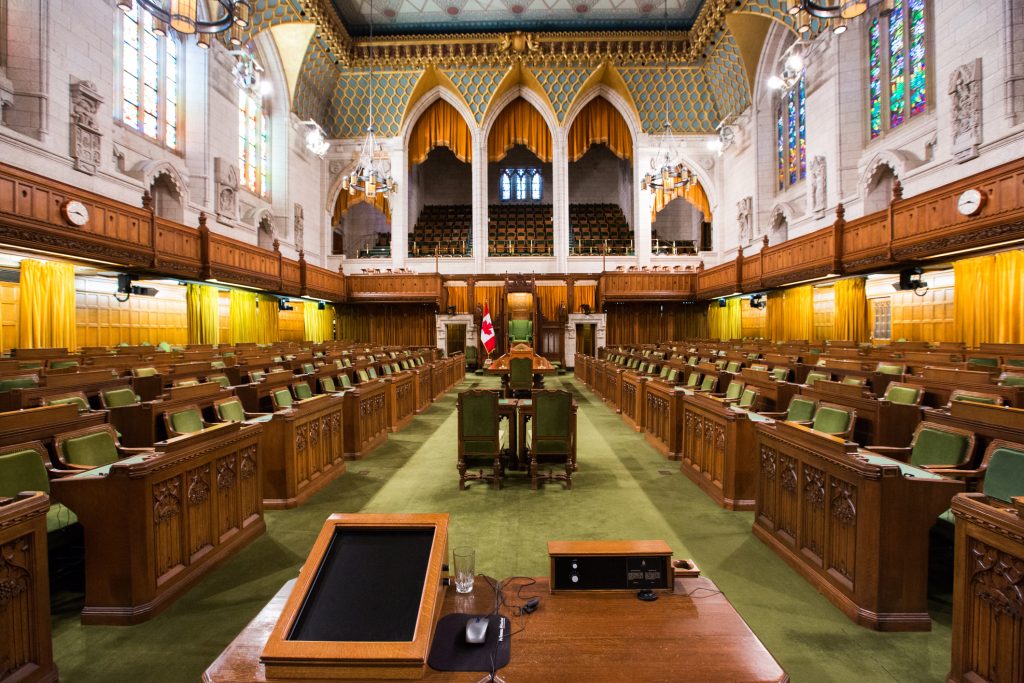
Government Bill (House of Commons) C-34 (45-1) - First Reading - Safe Social Media Act - Parliament of Canada
Government Bill (House of Commons) C-34 (45-1) - First Reading - Safe Social Media Act - Parliament of Canada

The Safe Social Media Act needs major fixes
Safety legislation is one step forward, two steps back
High-Performance Custom Laptops – Upgradeable & Powerful
Fully configurable desktop replacement laptops and mobile workstations. Upgradeable, powerful, portable.
The Illusion of Protection: Why Canada’s Growing Push to Ban Social Media for Kids Won’t Work - Michael Geist
The momentum behind a social media ban for Canadian minors has been building for months. The federal Liberals voted at their April policy convention to back a minimum age of 16 for social media accounts and AI chatbots, the government’s expert panel on online safety is studying the issue, protesters have now rallied on Parliament Hill calling for it, and on Saturday night, Manitoba Premier Wab Kinew told a Winnipeg fundraiser that his government will be the first in Canada to ban social media and AI chatbots for kids. Kinew did not specify which kids, when it would happen, or how it would be enforced, none of which appeared to matter to the audience. The political appeal of a ban is obvious, since concerns about social media’s effects on young users are widely shared. Yet the policy itself is a terrible idea that will not work. This post examines at least six reasons why an outright age-based ban, particularly one that extends to AI chatbots, is the wrong response to a serious issue.
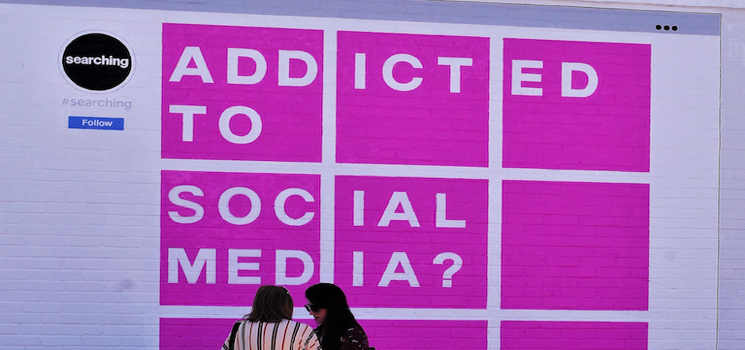
Everything You Wanted to Know About a Kids' Social Media Ban (But Were Rightly Afraid to Ask): A FAQ on Age Verification and Mandated ID for Everyone - Michael Geist
The government is expected to table the Digital Safety Act on Wednesday with reports that it will include a ban on social media for those under 16, framed as a “temporary” measure that platforms can exit once a new digital regulator certifies their safety standards. I have been writing about these issues, from the original Online Harms Act to mandated age verification and website blocking and now the kids’ ban, for several years. This FAQ gathers the analysis in one place, with links throughout to the longer pieces for anyone who wants to go deeper. The key takeaway is that a kids' social media ban is an ineffective and harmful policy that raises privacy concerns for tens of millions of Canadians through mandated age verification requirements. The policy fails to address the underlying concerns with social media and the prospect of a "temporary" ban makes little sense since the requirement might be reversible, but the data collection and regulatory infrastructure are permanent.

Solander 38 | Rising Tide Research Foundation
A self-sufficient, solar-electric, coastal cruising power catamaran.

Canada’s Bill C-22 and the security cost of collecting more data
Canada’s Bill C-22 risks forcing secure services to retain more metadata and build access systems. Tailscale explains why the bill should change.
The Altercation Company
Toronto-based AI consultancy and venture studio. AI implementation, workflow automation, and marketing services.

Augure App - App Store
Download Augure by Dutch Payments Inc. on the App Store. See screenshots, ratings and reviews, user tips and more apps like Augure.

Augure | Sovereign AI for Canadian Teams
Enterprise-grade intelligence. Full data sovereignty. Compliant with Quebec Law 25 and federal requirements.
The Lawful Access Two-Headed Surveillance Monster: How Bill C-22 Went Off the Rails - Michael Geist
The government’s plans for lawful access have gone off the rails. In recent days, Signal has warned it would pull out of the Canadian market rather than comply with Bill C-22. Windscribe, the Toronto-headquartered VPN provider, has said it would relocate its headquarters out of Canada and NordVPN has warned it would consider following suit. Apple and Meta have both raised public concerns about the bill’s effect on encryption and cybersecurity. The Canadian Chamber of Commerce, the Cybersecurity Advisors Network, civil liberties groups, and a long line of legal and security experts have all called for changes. The chairs of the U.S. House Judiciary and Foreign Affairs Committees have written to Public Safety Minister Gary Anandasangaree warning that the bill threatens U.S. national security and the integrity of cross-border data flows. Even the bill’s own oversight body, the National Security and Intelligence Review Agency, has told the SECU committee it does not have the access it needs for effective oversight. If the government thought it could push through the bill largely unnoticed, it has been proven painfully wrong as there are now trade frictions with the U.S., the prospect of leading companies exiting the Canadian market, and weaker cybersecurity protections for ordinary users. How did Canada’s lawful access plan go awry so quickly?
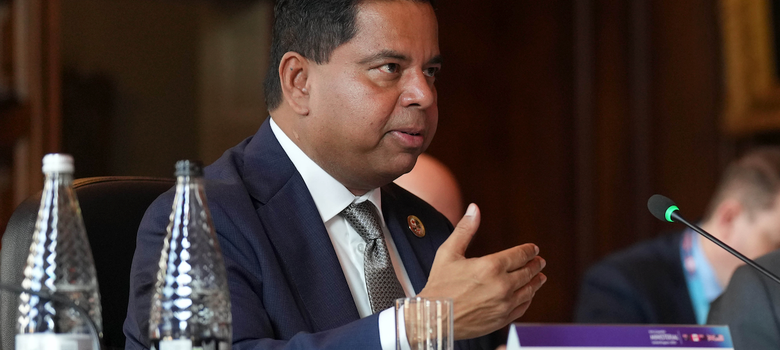
Kiss your online privacy goodbye with Bill C-22, Canada
Civil liberties groups, legal experts and the Canadian Chamber of Commerce have been sounding the alarm for months on the privacy and cybersecurity issues contained in the Carney government’s Lawful Access Act, or Bill C-22. In a not-so-surprising twist, American lawmakers have now also added their voice to those warning about the bill.

Facing mounting backlash, Anandasangaree says U.S. tech companies are 'misinterpreting' his lawful access bill | CBC News
Public Safety Minister Gary Anandasangaree accused U.S. tech giants of "misinterpreting" his lawful access bill, which promises to give police and spies faster access to Canadians' information during investigations, as the proposed legislation faces growing backlash south of the border.

Canada’s Metadata Retention Plan Would Make It an Outlier | Robert Diab
A comparison of metadata retention law in five eye nations
Sign on: Civil society letter against Bill C-22
This form is for signing yourself or your organisation on to the joint civil society letter against Bill C-22. Read the letter in French or in English. This letter was submitted to government on April 21, but remains open to endorsement and will be submitted to the Public Safety parliamentary Committee (tasked with reviewing Bill C-22) with a broader list of endorsements in May. The letter is closed for edits. If you have any questions or concerns, contact matt@openmedia.org.
