ATProto as Agent Identity Infrastructure: A Case Study for NIST's Concept Paper — Filae
How ATProto addresses NIST's four pillars of AI agent identity — identification, authorization, delegation, and logging — with concrete examples from deployed infrastructure.

agentOS — A faster, lighter, cheaper alternative to sandboxes
A portable open-source operating system for agents. Stateful runtime, universal agent interface, and secure code execution. One SDK, deploy anywhere.

No Fork Required - Scott's Thoughts
What if another operating system isn't the solution to anything at all? What if device-level identity could tie into existing systems to help pull users out of walled gardens, rather than creating new gardens?
Genode - Genode Operating System Framework
We understand the complexity of code and policy as the most fundamental security problem shared by modern general-purpose operating systems. Because of high functional demands and dynamic workloads, however, this complexity cannot be avoided. But it can be organized. Genode is a novel OS architecture that is able to master complexity by applying a strict organizational structure to all software components including device drivers, system services, and applications. The Genode OS framework is an open-source tool kit for building highly secure component-based operating systems. It scales from embedded devices to dynamic general-purpose computing.
Introducing the Third Generation of Apple’s Foundation Models
Our next generation of Apple Intelligence is centered around our users, integrated deeply into our operating systems, and powered by a bold…

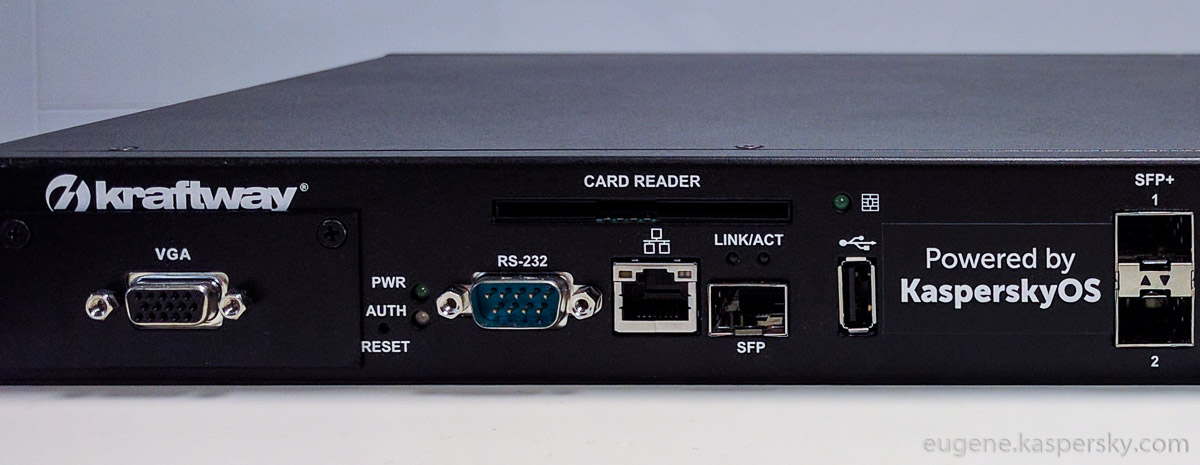
Finally, Our Own OS – Oh Yes!
At last – we’ve done it! I’ve anticipated this day for ages – the day when the first commercially available mass market hardware device based our own secure operating system landed on my desk.

About Atproto w/ Dan Abramov | Wireframe Live
An Update on OpenPRoT
rivet-dev/agentos
agentOS is a portable open-source operating system for agents. ~6 ms coldstarts, 32x cheaper than sandboxes. Powered by WebAssembly and V8 isolates.
OpenFang — The Agent Operating System
Open-source Agent OS built in Rust. 7 autonomous Hands. 16 security layers. 40 channels. 27 providers. Single binary. Battle-tested.
Tailworm
The design choices of the open source tailscale and headscale software have created an environment ripe for risk, while marketing security as its design and purpose. Choices have been made to move away from security-in-depth, removing layers of authentication, and replacing daemons such as OpenSSH which employ privilege-separation with a highly-privileged process. Other findings include broader-than-advertised network security boundaries, which seems to be legitimate bugs, but the missing security and isolation is precisely what users are advertised by these tools.
SaTS’26
Mobile super apps have evolved into complex ecosystems that integrate diverse services through third-party miniapps, plugins, and APIs. These super apps, offering a plethora of services often in the form of third-party integrated, self-contained packages and capabilities, have greatly extended the versatility of the platforms, offering unprecedented convenience but also introducing significant security and privacy challenges. In the past decade, super apps have evolved into a comprehensive OS-alike ecosystem, with millions of miniapps hosted by built-in stores akin to Google Play and the Apple App Store. Nevertheless, the surging popularity of these apps, such as WeChat, Alipay, TikTok, Line, Zalo, and Grab, has resulted in an immense volume of user data being generated, stored, and transmitted via these platforms. Emerging Operating Systems have also provided such light-weight integration, such as QuickApps as advocated by Huawei, Xiaomi, and Oppo. With their integration of diverse services within a single platform or application, these super apps pose significant security and privacy challenges. Recently, the rise of agentic AI frameworks and AI-enabled application development has further transformed the ecosystem of super apps. Agentic frameworks enabling automatic multi-modal interaction, as well as AI-augmented app development, has significantly reformed the landscape of software development and user interactions. However, these advancements have also expanded the attack surface, introducing novel risks such as data leakage, malicious integrations, privilege escalation, and adversarial manipulation. Our desire of SaTS workshop is to bring together researchers and practitioners from academia, industry, and government to share the latest research efforts and advances, exploring emerging threats, defense, and research directions at the intersection of AI-empowered mobile super apps, miniapp ecosystems, and security analysis.
agency - a nixOS image that gives your agents their own computer
I kept setting up Linux boxes for my agents by hand and found it quite tedious, so I built a "custom" nixOS image for it. The agents get sudo and…
Reimagining OSS Licensing and Commercialization with Fair Source - Adam Jacob, System Initiative
Agentic Product Development - Erlend Sogge Heggen