Geoffrey Litt
Welcome! I work on malleable software: computing environments where anyone can adapt their software to meet their needs with minimal friction. To see what that means to me, read this essay or listen to this interview.

The Friction is Your Judgment — Armin Ronacher & Cristina Poncela Cubeiro, Earendil
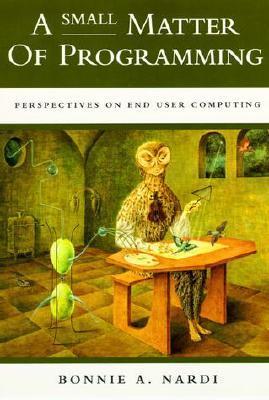
A small matter of programming: perspectives on end user computing
A Small Matter of Programming asks why it has been so d…

Design Frictions for Mindful Interactions: The Case for Microboundaries
Design frictions, a term found in popular media articles about user experience design, refer to points of difficulty occurring during interaction with technology. Such articles often argue that these frictions should be removed from interaction flows in order to reduce the risk of user frustration and disengagement. In this paper we argue that, in many scenarios, designing friction into interactions through the introduction of microboundaries, can, in fact, have positive effects. Design frictions can disrupt "mindless" automatic interactions, prompting moments of reflection and more "mindful" interaction. The potential advantages of intentionally introduced frictions are numerous: from reducing the likelihood of errors in data-entry tasks, to supporting health-behaviour change.

Opinion | The A.I. Disruption Has Arrived, and It Sure Is Fun
We’re entering a new renaissance of software development. We should all be excited, despite the uncertainties that lie ahead.

Opinion | The A.I. Disruption Has Arrived, and It Sure Is Fun
We’re entering a new renaissance of software development. We should all be excited, despite the uncertainties that lie ahead.


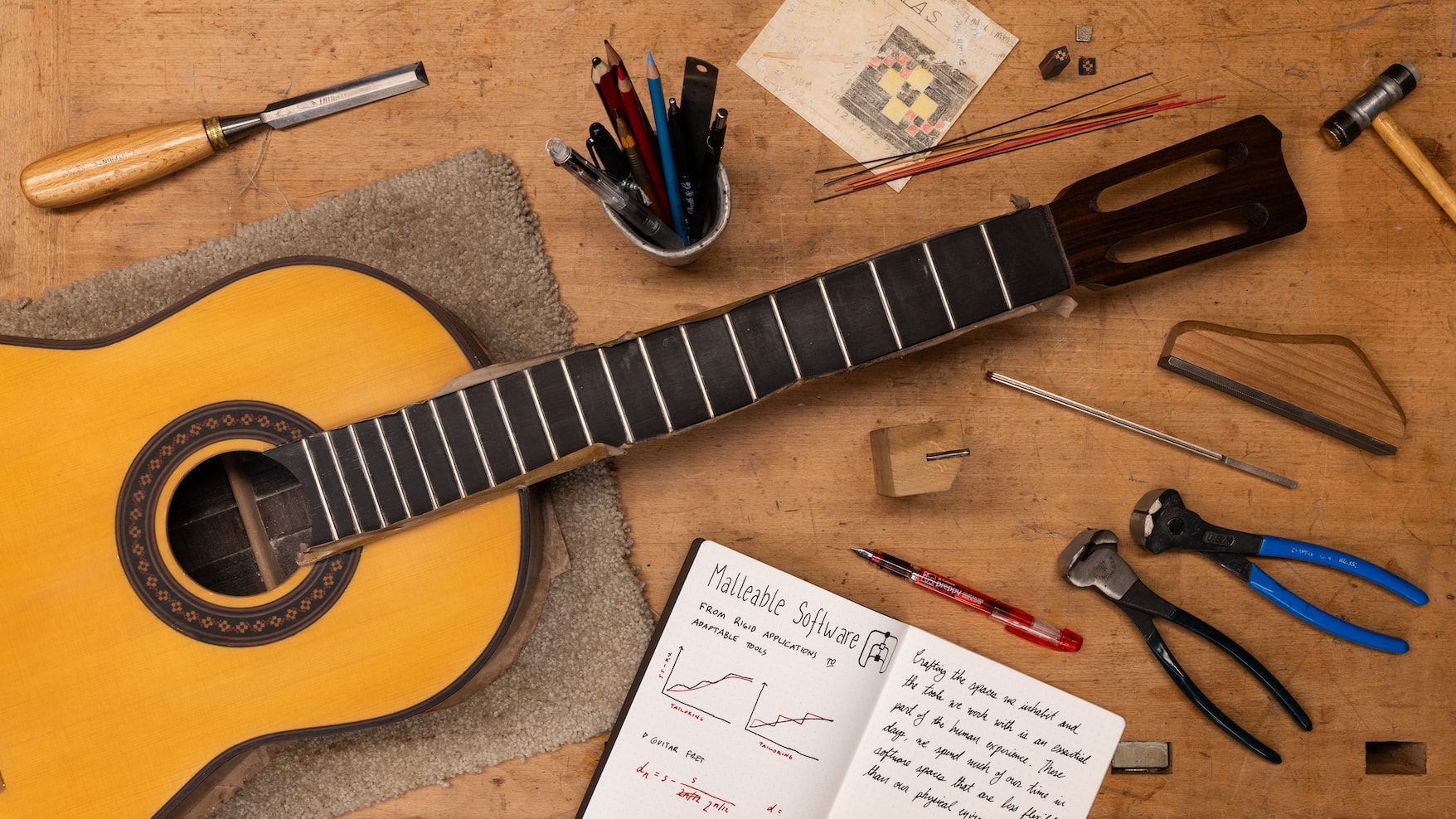
Malleable software: Restoring user agency in a world of locked-down apps
The original promise of personal computing was a new kind of clay. Instead, we got appliances: built far away, sealed, unchangeable. In this essay, we envision malleable software: tools that users can reshape with minimal friction to suit their unique needs.

Convivial design heuristics for software systems
The theme of this workshop is the proliferation of ideas about calling into question the cultural roots of our current programming languages, and the search for alternative paradigms with other cultural bases.
Substrates via Accessibility
The social model of disability holds that disability is produced by environments, not by bodies — that when software fails to accommodate a person’s needs, the environment is disabling them. We argue that the dominant organization of computing produces such interaction mismatches structurally: the commodity form of software requires a standardized consumer, and everyone whose needs diverge from this imagined subject is disabled by the software environment. The substrates research community has identified properties — disclosure, composability, malleability — that would address this, but the commodity form actively selects against these properties because they dissolve the boundaries on which exchange value depends. This raises a question: how can infrastructure organized against the grain of commodity logic be made durable? We find a precedent in accessibility infrastructure — sustained not by patronage but by the organized counter-power of disability rights movements. Through Allio, a system for cross-application augmentation built on accessibility APIs, we illustrate both what this foundation makes possible and where its limits lie. We argue that the accessibility case reframes the substrates programme’s central challenge as political-economic: the question of who sustains substrate infrastructure, and through what social mechanisms, is as important as the question of what properties it should have.
Perfect Software - Software for an Audience of One
We have many names to describe personal tools. Malleable software speaks to how it behaves. Home-cooked software speaks to who makes it.

I read Joel Spolske's User Interface Design for Programmers book in 2001. Rewired me forever: When the program model deviates from the user model (me), I am SHOCKED AND HORRIFIED. Been designing to break the law... er, align with the user model ever since. joelonsoftware.com/2001/10/24/user-interface-des…

NOVA Talking Turtle 1983
Desktop Neo – rethinking the desktop interface for productivity.

MercuryOS

Artifacts
10/GUI

Statistical Notes
User-tailorable systems: pressing the issues with buttons
everest-pipkin.com
Wesley Finck (@wesleyfinck.org)

What is Malleable Software Now | Bryan Min (02-27-2026)

Apps and programming: two accidental tyrannies

Agents vs Operating Systems : The War That Could Kill Apps