
The Scientist Who Scrambled Darwin’s Tree of Life (Published 2018)
How the microbiologist Carl Woese fundamentally changed the way we think about evolution and the origins of life.

Design in The Age of Biology: Shifting From a Mechanical-Object Ethos to an Organic-Systems Ethos
In the early twentieth century, our understanding of physics changed rapidly; now, our understanding of biology is undergoing a similar rapid change.
Controlled Mold
A blog about fermentation, engineering, and cell-ag. We run wild experiments on microbes and try to eat them, all with the help of computers and math.
Fermenting Culture – Emergence Magazine
In this in-depth interview, David Zilber, director of the fermentation lab at Noma—named the best restaurant in the world—discusses how food is culture, but fermentation is culture on a deeper level.
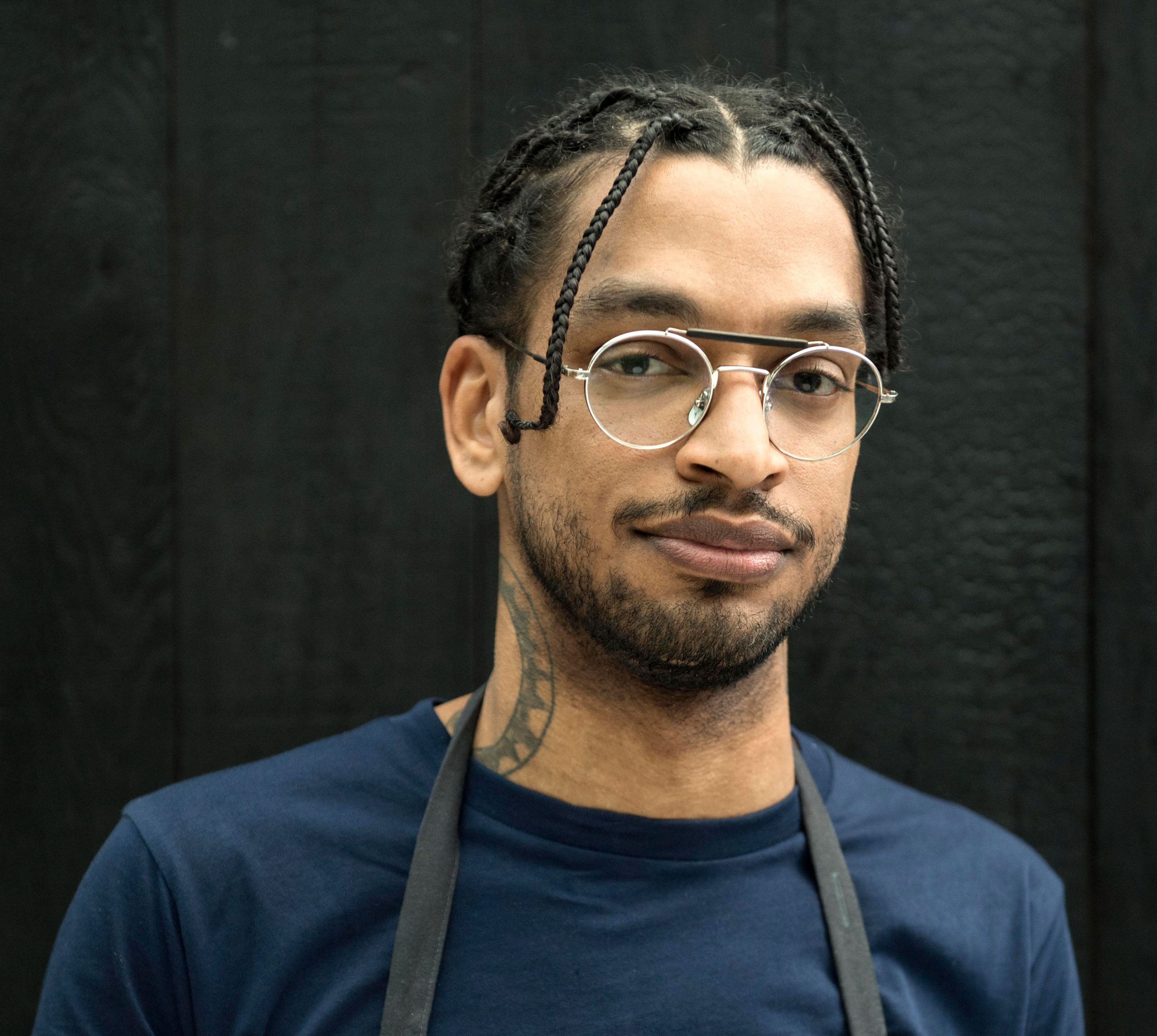
Stuart Kauffman: The "adjacent possible" — and how it explains human innovation
From the astonishing evolutionary advances of the Cambrian explosion to our present-day computing revolution, the trend of dramatic growth after periods of stability can be explained through the theory of the "adjacent possible," says theoretical biologist Stuart Kauffman. Tracing the arc of human history through the tools and technologies we've invented, he explains the impact human ingenuity has had on the planet -- and calls for a shift towards more protection for all life on Earth.
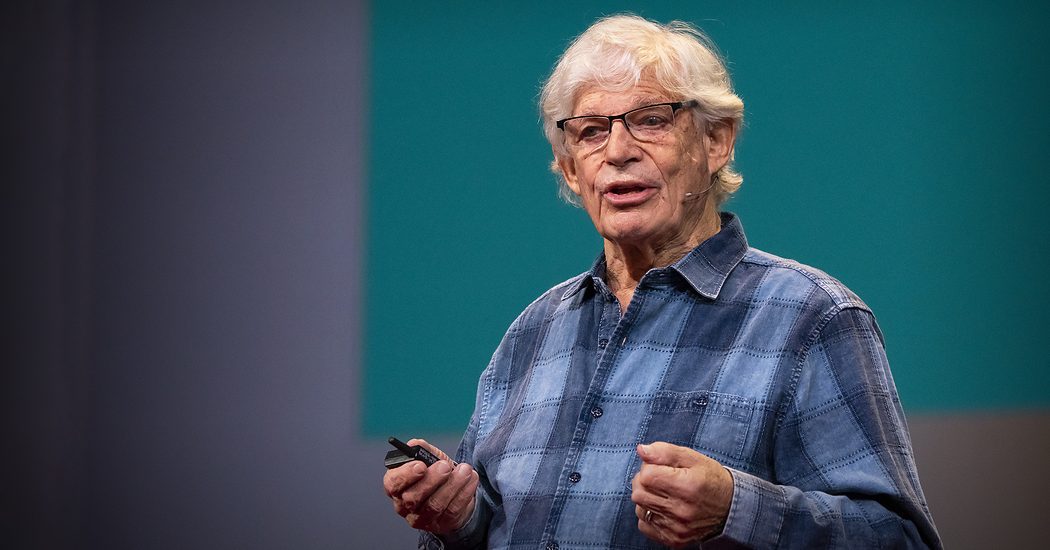

Emergence: A unifying theme for 21st century science
By David Pines, Co-Founder in Residence, Santa Fe Institute
Everything you always wanted to know about fermented foods | Science-Based Medicine
Are fermented foods the best thing since...bread?

Embrace what may be the most important green technology ever. It could save us all | George Monbiot
Never mind the yuck factor: precision fermentation could produce new staple foods, and end our reliance on farming, says Guardian columnist George Monbiot
Collections: Bread, How Did they Make it? Part III: Actually Farming
Thanks to our helpful volunteer narrator, this entire post series is now also available in audio format! As the third part (I, II, III, IV, A) of our look at the basic structure of food production …

Potted History — Anthony Warner
The canning of food was one of the most significant food innovations of all time. How exactly did it come about? And what can it its discovery tell us about our modern food system?

b.next: rebuilding biology for engineering
Synthetic philosophy
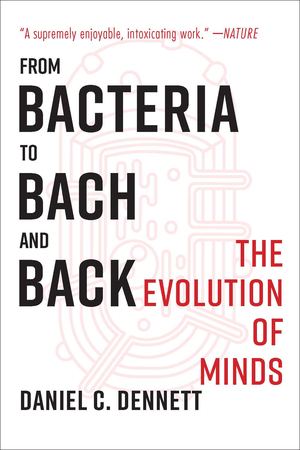
In this essay, I discuss Dennett’s From Bacteria to Bach and Back: The Evolution of Minds (hereafter From Bacteria) and Godfrey Smith’s Other Minds: The Octopus and The Evolution of Intelligent Life (hereafter Other Minds) from a methodological perspective. I show that these both instantiate what I call ‘synthetic philosophy.’ They are both Darwinian philosophers of science who draw on each other’s work (with considerable mutual admiration). In what follows I first elaborate on synthetic philosophy in light of From Bacteria and Other Minds; I also explain my reasons for introducing the term; and I close by looking at the function of Darwinism in contemporary synthetic philosophy.
From Bacteria to Bach and Back
'A supremely enjoyable, intoxicating work.' —<em>Nature</em>, From Bacteria to Bach and Back, The Evolution of Minds, Daniel C Dennett, 9780393355505
Collection

Updated 8mo
The first human-created and human-creating technology.