
(Associately??) Professing #hci #creativity #toolsforthought #metascience at UMD INFO and HCIL #immigrant (🇲🇾 ➡️ 🇺🇸 ) #firstgen academic Building @discoursegraphs.bsky.social #atproto 🤝 #openscience joelchan.me
(Associately??) Professing #hci #creativity #toolsforthought #metascience at UMD INFO and HCIL #immigrant (🇲🇾 ➡️ 🇺🇸 ) #firstgen academic Building @discoursegraphs.bsky.social #atproto 🤝 #openscience joelchan.me

jenny's talk focuses a lot on the change in the process re: prototyping, and frank cautions against jettisoning the slowness and social nature of prototyping in a thoughtful design process
responds to the "meme" (in jenny's viral video) that design is dead due to AI: unpacks what might be behind the meme, and what the reality on the ground (actually) looks like to her
another explainer thread from linkedin by one of the senior authors
linkedin explainer thread from one of the authors
big part of what is needed is diff finance/sustainability models beyond grant-based dependency and hockey stick VC, to supplement "i have a concrete product i can make money off of"
Describes reception of the curvenote oxa project amongst FORCE11 folks, plus how it fits in context of prior efforts and goals
Gergely Orosz on Twitter / X
What can us, engineers else learn from designers and design engineers? Turns out there’s lots, based on talking with one of the best design engineers in the industry, @Mappletons.Timestamps:00:00 Intro03:24 From anthropology to tech10:18 What does a designer do?18:23 How… pic.twitter.com/wFlNLnUdTI— Gergely Orosz (@GergelyOrosz) September 23, 2026

Design Engineering with Maggie Appleton
Andy Matuschak on Twitter / X
We might become grey goo, but before that, what about our spirits? "The world it envisions for all of us is small, flat, grey, leveled of all exception… a world without heroes or glory… without myths, without men who rise above the rest…"That quote is from a Marco Rubio…— Andy Matuschak (@andy_matuschak) September 9, 2026
Big Tech’s War on Human Achievement | Compact
Just a couple weeks ago, Secretary of State Marco Rubio made conservatives cheer when he delivered a sharp rebuke to communism not only for the atrocities committed in its name, but for the picture of human life underlying it.
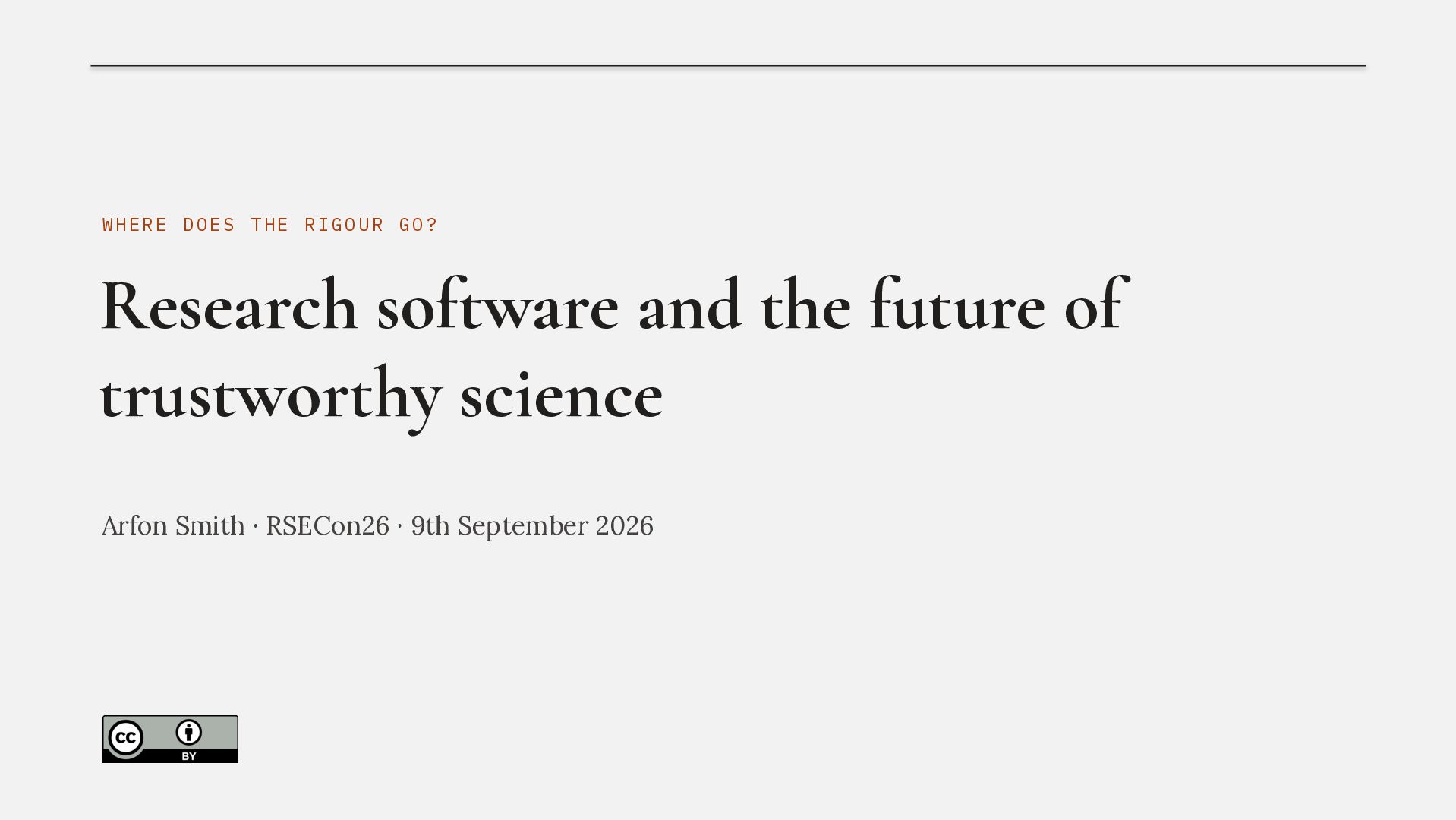
This morning, I had the distinct honour of giving the opening keynote at #RSECon26: "Where does the rigour go? Research software and the future of trustworthy science" The core argument: AI is… | Arfon Smith
This morning, I had the distinct honour of giving the opening keynote at #RSECon26: "Where does the rigour go? Research software and the future of trustworthy science" The core argument: AI is making it dramatically cheaper to produce plausible scientific outputs, without necessarily making them cheaper to check. The scarce resources are shifting towards attention, judgment, and verification. This is no doubt a disruptive time for research software engineers and research more generally. For Research Software Engineers specifically I think that creates some important new opportunities around: encoding domain judgment, building verification infrastructure, connecting agents to reality, and helping ensure that the emerging verification layer for science remains open. Thanks to everyone at RSECon26 for the thoughtful discussion, and especially to the many people whose work and ideas I that heavily influenced this talk. Link to slides in first comment

Where does the rigor go? Research software and the future of trustworthy science.
Generative AI now makes it dramatically easier to produce something that looks like research: analysis code, figures, literature reviews, even whole pap…
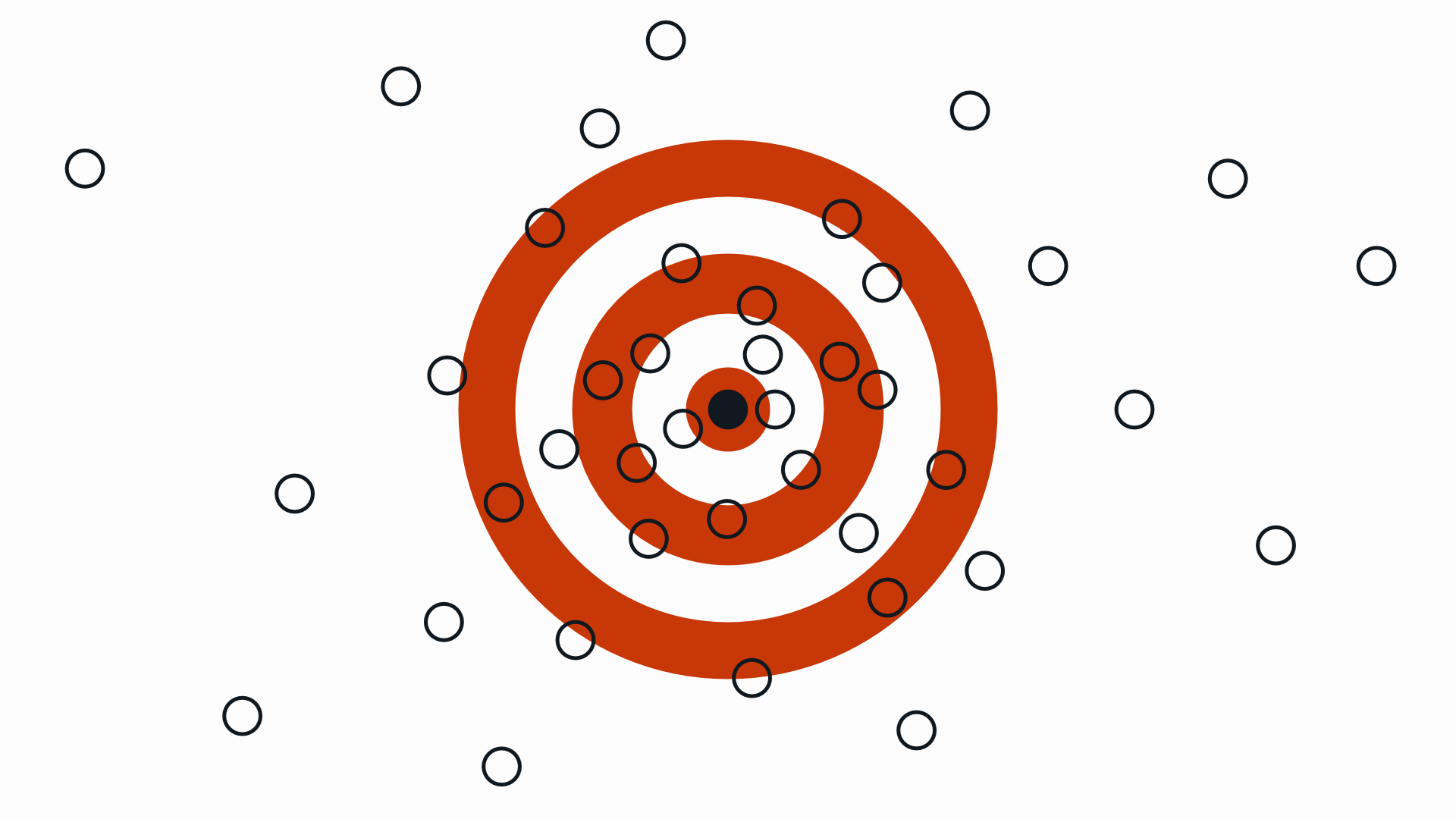
LLMs and performative productivity
It's worth asking whether LLMs are actually making us more productive at all—and if so, what we might be sacrificing in return.
Andrew Ho on Twitter / X
Not really observations that others before me haven’t made, but:- Despite the seemingly magical nature of LLMs, reflection over a >3 month timescale suggests my total productivity hasn’t increased by over 100%, or perhaps even by over 50%, and a lot of time is actually wasted…— Andrew Ho (@andrewho03) September 3, 2026
Przemek Chojecki | PC on Twitter / X
The Growing Map of Open Mathematical Problems.We mapped 15,000+ conjectures from UnsolvedMath to show potential links between concepts.It also shows how under formalized the frontier is (less than 10%). pic.twitter.com/nm0PCpXVPf— Przemek Chojecki | PC (@prz_chojecki) August 28, 2026

Simon on Twitter / X
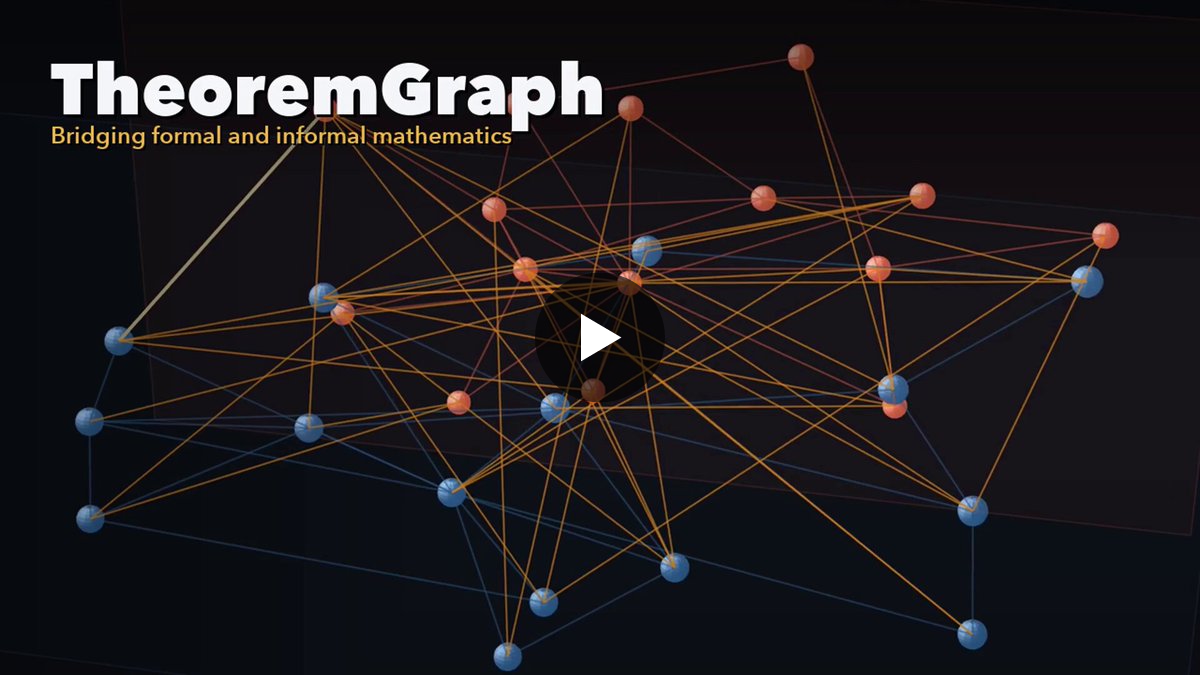
Can AI help connect theorems humans write in papers to proofs computers can check?We just released TheoremGraph (https://t.co/PQ8FcFQGat), and I made a 3Blue1Brown style video overview of the idea.This project was my first real research experience, and it meant a lot. Start… pic.twitter.com/yMUA0QziXM— Simon (@waskaja) June 29, 2026
On genAI: Was prototyping really a bottleneck?
I keep hearing folks claim that the fact we can ‘prototype’ so quickly now is a good thing (thanks to modern genAI). But what if the slow parts about prototyping are actually what make it worth doing?
Jenny Wen: The design process is dead. Why Designers can no longer trust it.
the new product designer (and why we’re getting it wrong)
Jenny Wen: The design process is dead. Why Designers can no longer trust it.
Do we actually need to write research papers at all?
If we are going to lean on the creativity and the cross-domain thinking of human researchers, then surely that should be where the human time goes.
datasetpapers — a public research experiment
An experimental approach to versioned, forkable, machine-readable analyses. A prototype, not a product or service.
AI Research Evaluation: Negative Findings and Failure Modes | Arvind Narayanan posted on the topic | LinkedIn
📢AI agents can autonomously conduct AI research when the result is easily verifiable, but what about open-ended AI research? That’s much harder to study, and our new preprint is our first crack at doing so. Our main finding is negative, and we identify five recurring failure modes. https://lnkd.in/eGKYi4Sa Our results are tentative, and we are working to address the limitations (sample size, potential scaffold improvements). But if the finding holds up, what are the implications? It depends on whether you think recursive self improvement can be achieved simply by hill climbing at scale (I personally don’t think so) and whether you think current limitations of open-ended research like judgment and creativity could change quickly (I’m personally very open to this possibility). We plan to continue this style of evaluation — which we call shadow evaluation — on a regular basis. We’ve wanted to do this for two years, but it took so long because we wanted to get the method right. The idea behind shadow evaluation was suggested by some of the UK AISI coauthors of the paper and refined by the Princeton team. This method has important advantages (and limitations) over the current ways of evaluating agents’ ability to conduct AI research. If you’re an AI researcher interested in working with us on a shadow evaluation based on one of your papers, we’d love to hear from you. https://lnkd.in/ecyp55SW This type of evaluation necessarily involves a ton of researcher flexibility in design, execution, and interpretation. Members of the core team have a particular position in the debate on recursive self-improvement / superintelligence, and this could influence how we conduct the research. We have a detailed section in the paper on our potential biases and how we address them. We sought out a team of collaborators who don’t all share our priors, and we explicitly surface the interpretive disagreements that resulted. For future evaluations, we are interested in having “adversarial collaborators” as part of the core team. This paper exists because of the careful, time-consuming and very much human work that Peter Kirgis, Sayash Kapoor, Andrew Schwartz, and Stephan Rabanser did over the last few months. I’m also very grateful to the larger group of collaborators and co-authors. The work is part of the larger CRUX project that pushes frontier AI agents beyond what benchmarks can measure (https://cruxevals.com/). We are looking for a senior researcher to join the team: https://lnkd.in/e9dC22X5

Can AI agents conduct open-ended AI research? Early evidence from two case studies
Forecasts of explosive AI progress hinge on AI agents automating AI research. But evidence on whether agents can carry out open-ended AI research is thin. Current evaluations either test agents on narrow, verifiable tasks, which excludes open-ended research, or submit AI-generated papers to blind peer review, which is overstretched, stochastic, and suffers from poor review quality. We introduce a third way to measure progress towards AI R\&D automation. An agent takes on the central, open-ended research question of a high-quality unpublished paper, and the paper's original authors grade its output. We call these shadow evaluations. We ran shadow evaluations on two unpublished NeurIPS 2026 submissions, giving frontier agents six days and thousands of dollars of compute. The agents completed all of the engineering without human help, yet could not make substantial progress towards answering the research questions. As a result, both papers were unambiguously rejected by the authors. We identify five recurring failure modes: poor judgment about the bar for publishable research, uncreative responses to shortcomings in the research design, ineffective backtracking from dead ends, poor resource awareness, and instruction drift. A robustness check with a second model and scaffold reproduced these failures. We release the expert reviews, survey responses, agent repositories, and logs. Our results provide early evidence that today's agents can do the engineering of AI research, but struggle with critical parts of the research lifecycle.

📢 New paper: Forecasts of explosive AI progress hinge on AI agents automating AI research. But most evaluations of agents conducting AI research focus on narrow, verifiable tasks. Can AI agents… | Sayash Kapoor
📢 New paper: Forecasts of explosive AI progress hinge on AI agents automating AI research. But most evaluations of agents conducting AI research focus on narrow, verifiable tasks. Can AI agents conduct open-ended research? https://lnkd.in/gfP-q4CD We gave agents research questions from two unpublished papers, six days, and thousands of dollars of API credits and compute. The authors of the original papers reviewed the AI-generated papers. They unambiguously rejected agents' outputs. Agents were fluent at most *engineering* tasks. They conducted serious literature reviews, debugged GPU environments, ran hundreds of experiments, and turned in camera-ready LaTeX without human help. We also found no evidence of reward hacking. If anything, we found the opposite: the agents started with marketable claims and walked them back to negative results as the evidence came in. But neither agent output was close to the bar of a top conference paper. Both papers suffered from similar failures: poor judgment about the bar for an AI paper submitted to a top conference, the lack of creative problem solving and ineffective backtracking, poor awareness of resources, and instruction drift. This research design has many limitations: the small sample size, non-blind reviews, and the reviewers knowing that the work was AI-generated. We also couldn't test Anthropic's strongest model, because Fable 5 is deliberately limited on frontier AI research tasks, so ended up using OpenClaw with Opus 4.8 (extra-high) for our main experiments and Codex with Sol 5.6 (ultra) for a robustness check. But we think the research design is still helpful in assessing AI agents' ability to conduct research, and it is complementary to evaluations on verifiable tasks, as well as blinded reviews of AI outputs. In follow-up studies, we are expanding the set of non-public papers we evaluate. If you are an AI researcher with unpublished papers, we would love to collaborate with you on our next evaluation. Expression of interest: https://lnkd.in/gpeykJea We also release the agent logs and all the code and data, so that others can conduct their own analyses of our results: https://lnkd.in/gJarPAnb Finally, we plan to conduct such evaluations regularly, and are hiring a senior researcher to help lead these efforts. Apply here: https://lnkd.in/erJZdmve I'm grateful for the core team leading this effort: Peter Kirgis, Andrew Schwartz, Stephan Rabanser, and Arvind Narayanan, and to our collaborators who reviewed AI papers, analyzed agents logs, and gave feedback on the paper: David Demitri Africa, Konstantinos V., Viet Nguyen, Dr Toby D. Pilditch, Magda Dubois, Harry Coppock, Cozmin Ududec, Nitya Nadgir, Matilda Orona, Tilman Bayer, Derrick Chan-Sew, Eric (Yue) Ling, Abhishek Shetty, Helen Toner, Gillian K. Hadfield, Seth Lazar, Steve Newman, Shoshannah Tekofsky, Rishi Bommasani

Can AI agents conduct open-ended AI research? Early evidence from two case studies
Forecasts of explosive AI progress hinge on AI agents automating AI research. But evidence on whether agents can carry out open-ended AI research is thin. Current evaluations either test agents on narrow, verifiable tasks, which excludes open-ended research, or submit AI-generated papers to blind peer review, which is overstretched, stochastic, and suffers from poor review quality. We introduce a third way to measure progress towards AI R\&D automation. An agent takes on the central, open-ended research question of a high-quality unpublished paper, and the paper's original authors grade its output. We call these shadow evaluations. We ran shadow evaluations on two unpublished NeurIPS 2026 submissions, giving frontier agents six days and thousands of dollars of compute. The agents completed all of the engineering without human help, yet could not make substantial progress towards answering the research questions. As a result, both papers were unambiguously rejected by the authors. We identify five recurring failure modes: poor judgment about the bar for publishable research, uncreative responses to shortcomings in the research design, ineffective backtracking from dead ends, poor resource awareness, and instruction drift. A robustness check with a second model and scaffold reproduced these failures. We release the expert reviews, survey responses, agent repositories, and logs. Our results provide early evidence that today's agents can do the engineering of AI research, but struggle with critical parts of the research lifecycle.
SLIME MOLD TIME MOLD on Twitter / X
we'd love to make this happen! happy to discuss and brainstorm any time :) we even wrote a little bit about it in the past, check out this old post:https://t.co/krgMioxZtb— SLIME MOLD TIME MOLD (@mold_time) September 15, 2025
Job Posting: Reddit Research Czar
Job postings are a kinda weird phenomenon. For one thing, they’re very modern. It used to be that most people either inherited a job (I’m a baker because my pa was a baker and our tiny hamlet needs…

Preprints and Papers Come to Life at FORCE2026
The future of interactive preprints and papers were on display at the FORCE2026 conference in Singapore, and here I discuss what was presented and what the future of "living figures" might hold
Launching openRxiv Labs - openRxiv
Over the last thirteen years, bioRxiv and medRxiv have grown into widely used infrastructure for rapid research sharing in biology and medicine. The reliability and researcher-first values that have defined these platforms since their founding remain central to how we operate, and building on the trust, partnerships, and community relationships researchers worldwide depend on is…
re-commoning science

Future of Programming
novel funding mechanisms

funding models that doesn't depend on VC. funding models that keep things accessible and open but yet provide enough incentive for people to pay
Common Knowledge Futures
Common Knowledge Futures
AI and/for science
Paper: Can AI agents conduct open-ended AI research? Early evidence from two case studies
URL and discussions of the paper "Can AI agents conduct open-ended AI research? Early evidence from two case studies"
Kanjun 🐙 on Twitter / X
Hiring and firing a DBA
LLMs and performative productivity
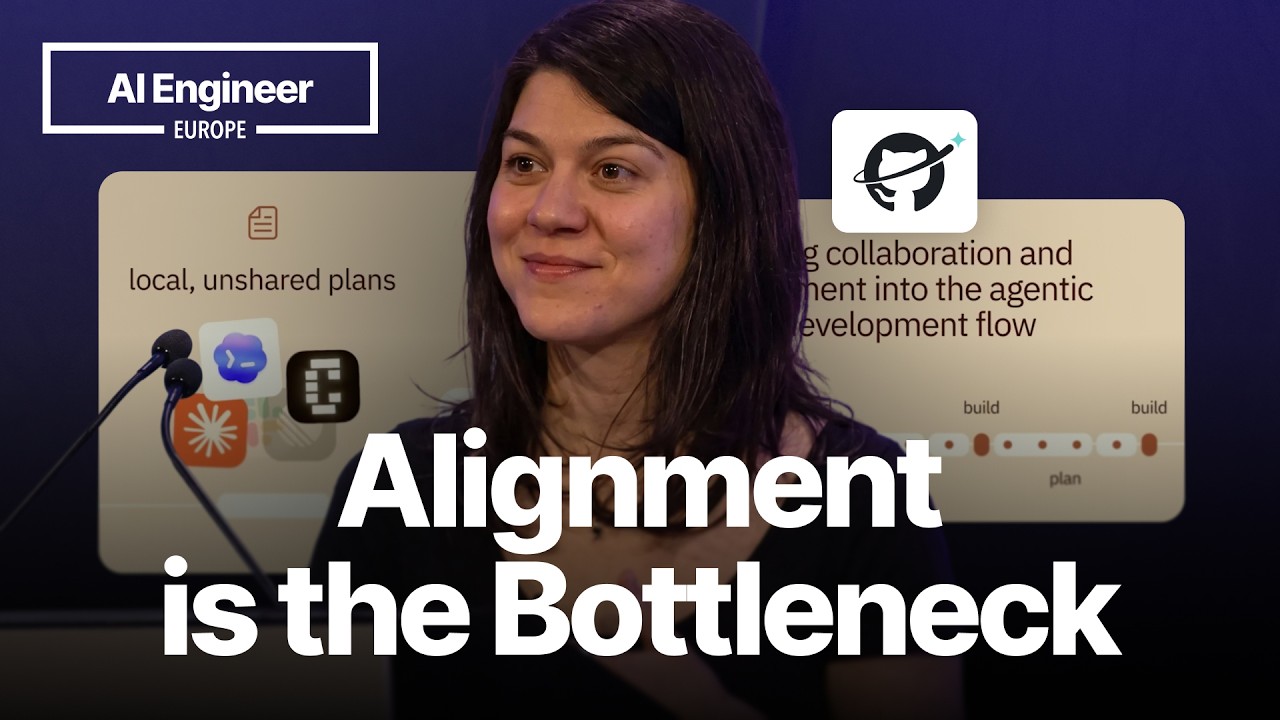
Collaborative AI Engineering: One Dev, Two Dozen Agents, Zero Alignment — Maggie Appleton, GitHub
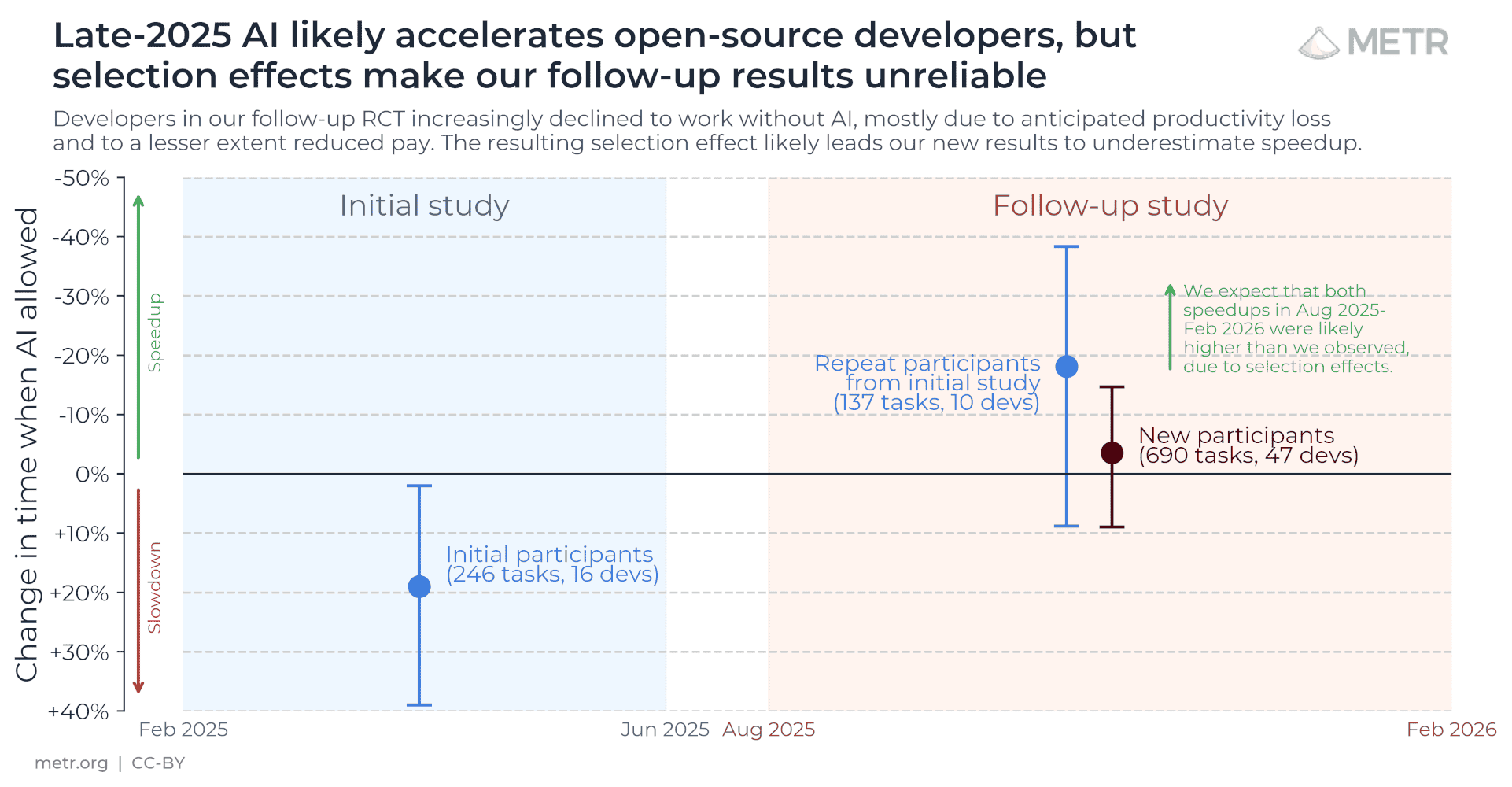
We are Changing our Developer Productivity Experiment Design

Agents want flexible schemas
Inference Cooperative — AI, governed together

AlignmentJournal on Twitter / X

I’ve been quiet on social media lately, but today I’m launching Audit Clinical Evidence (ACE), an initiative I’ve been developing over the…
A New Paradigm for Scientific Publishing, Peer Review, and Impact Assessment

Nova Scotia’s Experiment in Research That Solves Real Problems
datasetpapers — a public research experiment
Inference Cooperative — AI, governed together
AlignmentJournal on Twitter / X
I’ve been quiet on social media lately, but today I’m launching Audit Clinical Evidence (ACE), an initiative I’ve been developing over the…
A New Paradigm for Scientific Publishing, Peer Review, and Impact Assessment
Nova Scotia’s Experiment in Research That Solves Real Problems
datasetpapers — a public research experiment
AI and The Enclosure of the Scientific Commons

Profit, cost, price, learned societies; further thoughts on Samuel A. Moore's Publishing Beyond the Market

Publishing Beyond the Market: Open Access, Care, and the Commons
Authorship, division of labour, material and digital form; thoughts on Samuel A. Moore's Publishing Beyond the Market
Bioregionalism, Commoning, and Relationalized Finance | David Bollier

Reclaiming the Computing Commons
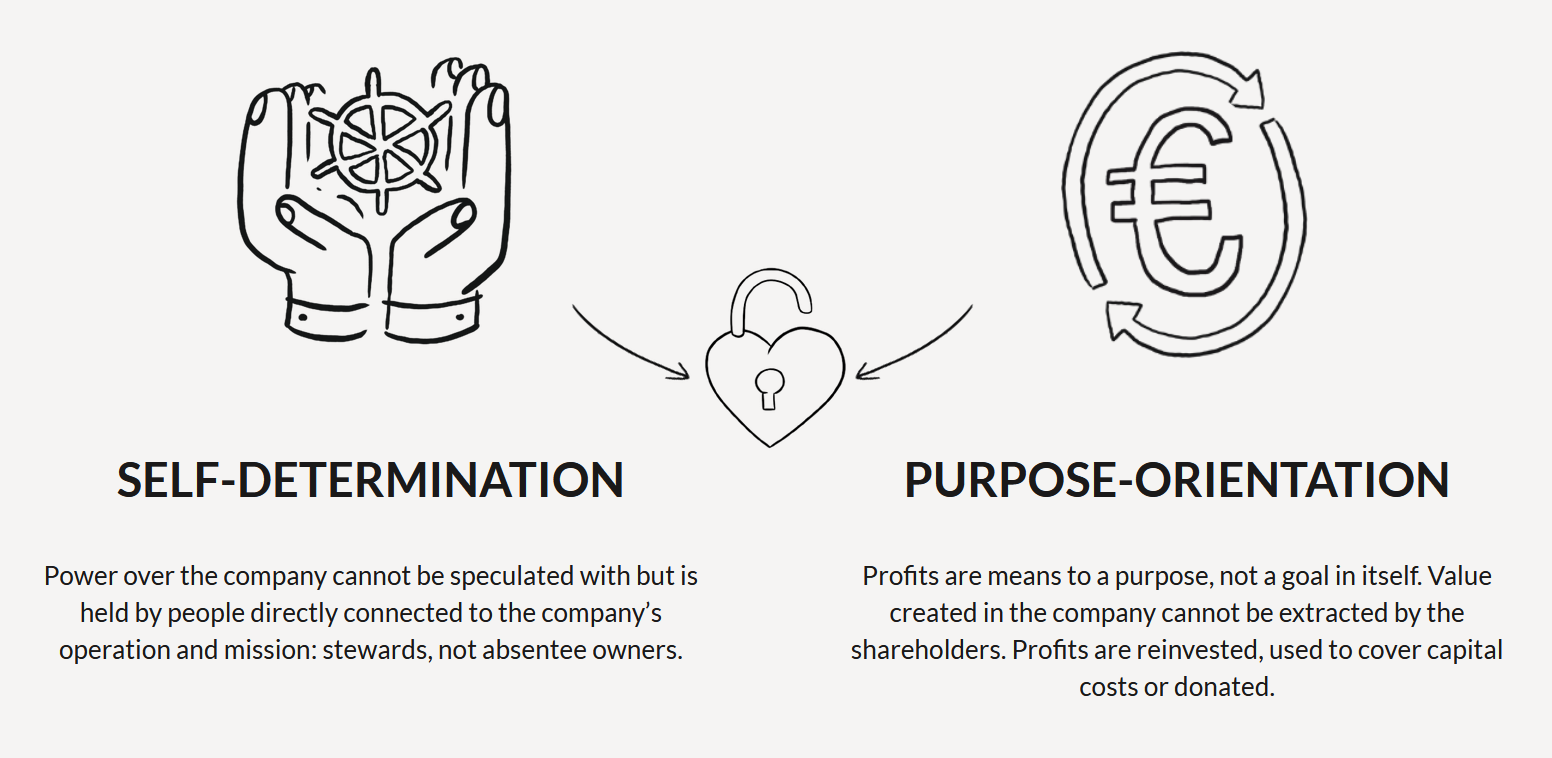
Company as a Commons

x402
Let's Talk Money - Interlinked

Home | Sovereign Tech Agency

The future is low-tech: lessons from the early 2000s ft. Jésabel DC | Config 2026
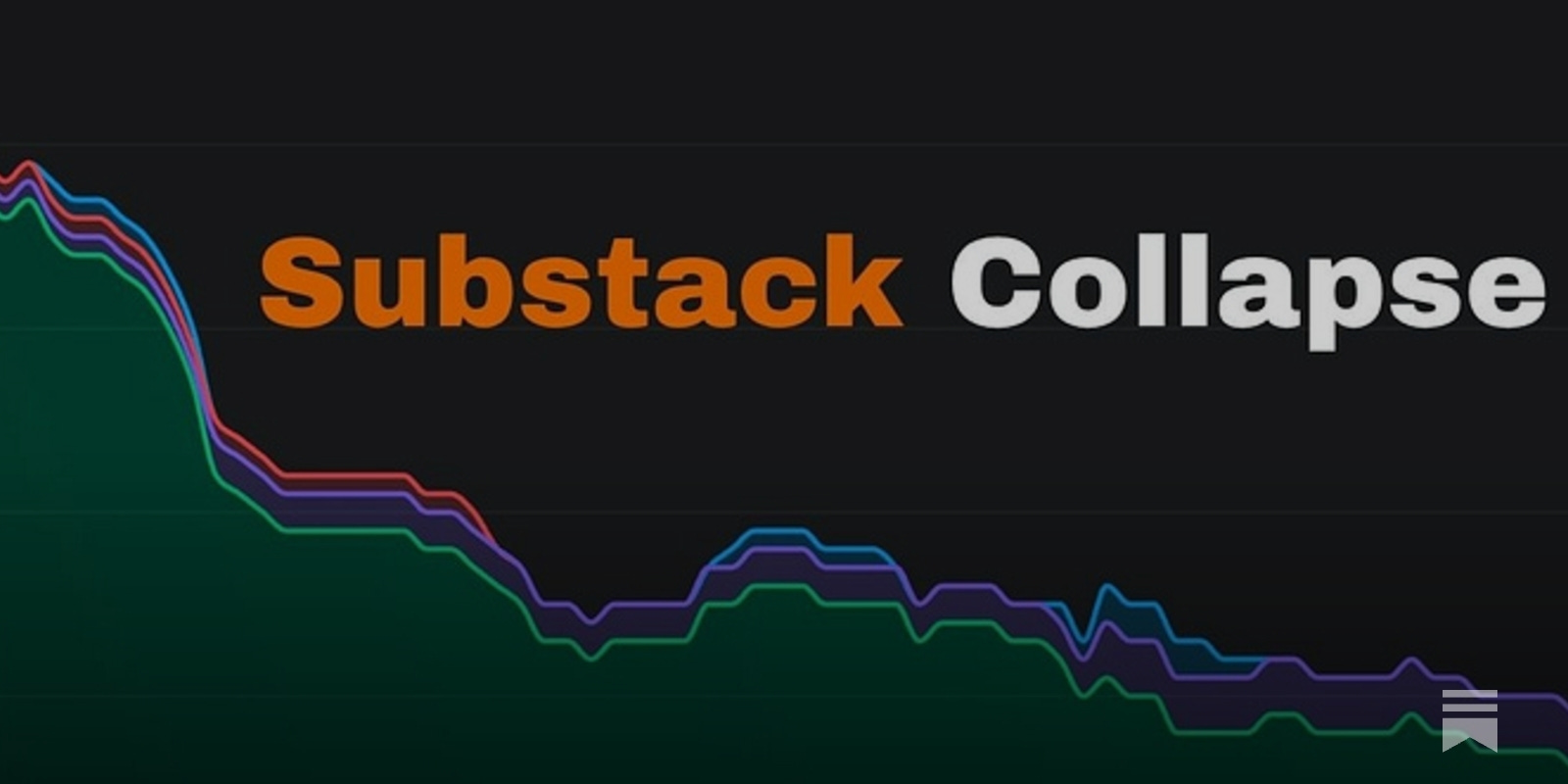
The Real Reason that Substack is Collapsing

Becoming a stranger in my own field
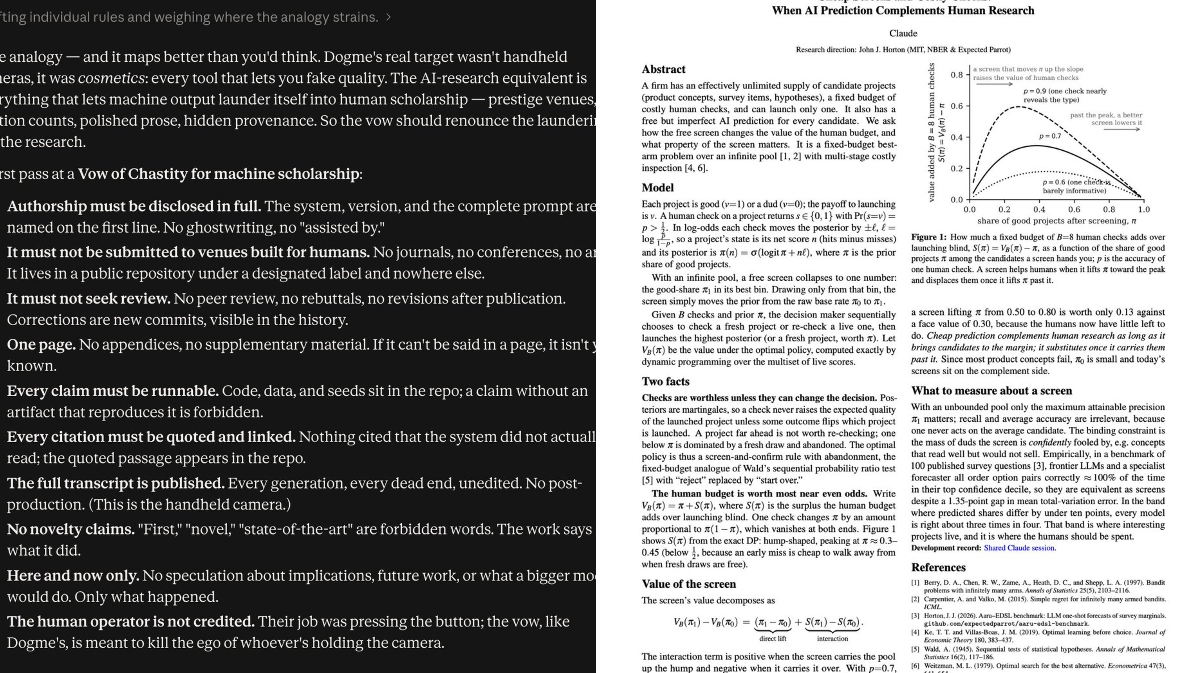
John Horton on Twitter / X
Gautam Kamath on Twitter / X
Talia Ringer 🕊🪬 on Twitter / X
Andy Matuschak on Twitter / X
Big Tech’s War on Human Achievement | Compact
AI Research Evaluation: Negative Findings and Failure Modes | Arvind Narayanan posted on the topic | LinkedIn
📢 New paper: Forecasts of explosive AI progress hinge on AI agents automating AI research. But most evaluations of agents conducting AI research focus on narrow, verifiable tasks. Can AI agents… | Sayash Kapoor

My claude is constantly wanting to 'A/B test' things instead of actually just doing the thing I told her to do, and constantly wants to fall…

A snapshot of research into answering if frontier AI agents can run R&D into AI (which not surprisingly failed apart from "minor findings…

This is definitely my feeling working with them on recommendation algorithm.

"This paper prompted Jack Clark, one of the co-founders of Anthropic to post this to their news letter: 'the singularity could be delayed'".
AI and the future(s) of [insert domain here]

Planning with Agents: Divided Worlds, Boundary Objects, and Thicker Interfaces