


Making and mending networks and knowledge. Working and thinking at wrecka.ge, co-running a volunteer unbreak-the-news collective at @unbreaking.org. Previously: Covid Tracking Project, OpenNews, old web nonsense.
Making and mending networks and knowledge. Working and thinking at wrecka.ge, co-running a volunteer unbreak-the-news collective at @unbreaking.org. Previously: Covid Tracking Project, OpenNews, old web nonsense.
Sources on social media: Information context collapse and volume of content as predictors of source blindness - George Pearson, 2021
Although social media has become a primary news platform, the effects of social media features on users’ information processing remains under-explored. This stu...

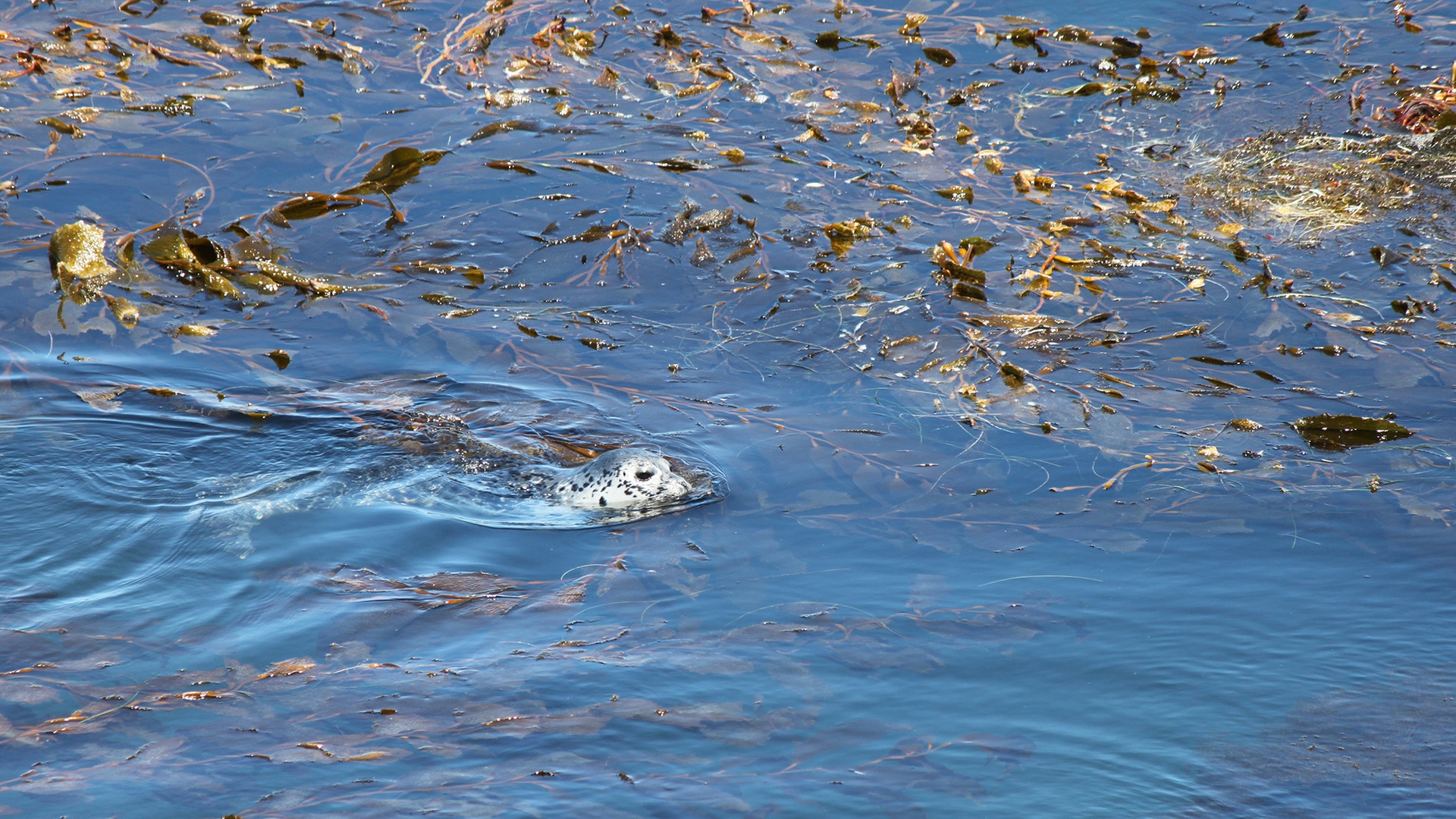
Pacific kelp forests are far older than we thought - Berkeley News
The unique underwater kelp forests that line the Pacific Coast support a varied ecosystem that was thought to have evolved along with the kelp over the past 14 million years. But a new study shows that kelp flourished off the Northwest Coast more than 32 million years ago, long before the appearance of modern groups […]
Illusion of knowledge through Facebook news? Effects of snack news in a news feed on perceived knowledge, attitude strength, and willingness for discussions
Research indicates that using social network sites as a source for news increases perceived knowledge even if, objectively, people fail to acquire knowledge. This might result from the frequent repetition of topics in news posts caused by multiple news outlets posting about the same news topics and the algorithm that favors similar postings. These repeated encounters can have a positive effect on the perception of knowing more, even if actual learning hardly occurs. An experiment (N = 810, representative of German Internet users) tested these assumptions. Participants were assigned to one of four groups and received a news feed with no information, few news posts, many news posts, or a full-length news article. Results indicate that many news posts increased perceived knowledge that is not paralleled by a gain in factual knowledge. Perceived knowledge mediates effects of reading many news posts on more extreme attitudes and the willingness for discussions. Even if participants who read the news article gained factual knowledge, they did not feel more knowledgeable than participants who were exposed to a news feed containing news posts. The results emphasize the meaning of engaging with full news articles, both for learning facts and for more accurate knowledge assessments.
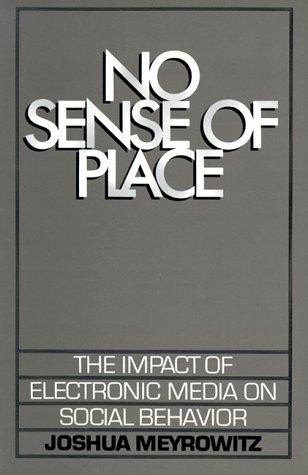
No Sense of Place by Joshua Meyrowitz | Open Library
No sense of place by Joshua Meyrowitz, unknown edition,
journals.sagepub.com
Sources on social media: Information context collapse and volume of content as predictors of source blindness - George Pearson, 2021
news.berkeley.edu
Pacific kelp forests are far older than we thought - Berkeley News
linkinghub.elsevier.com
Illusion of knowledge through Facebook news? Effects of snack news in a news feed on perceived knowledge, attitude strength, and willingness for discussions
openlibrary.org
No Sense of Place by Joshua Meyrowitz | Open Library
www.nature.com
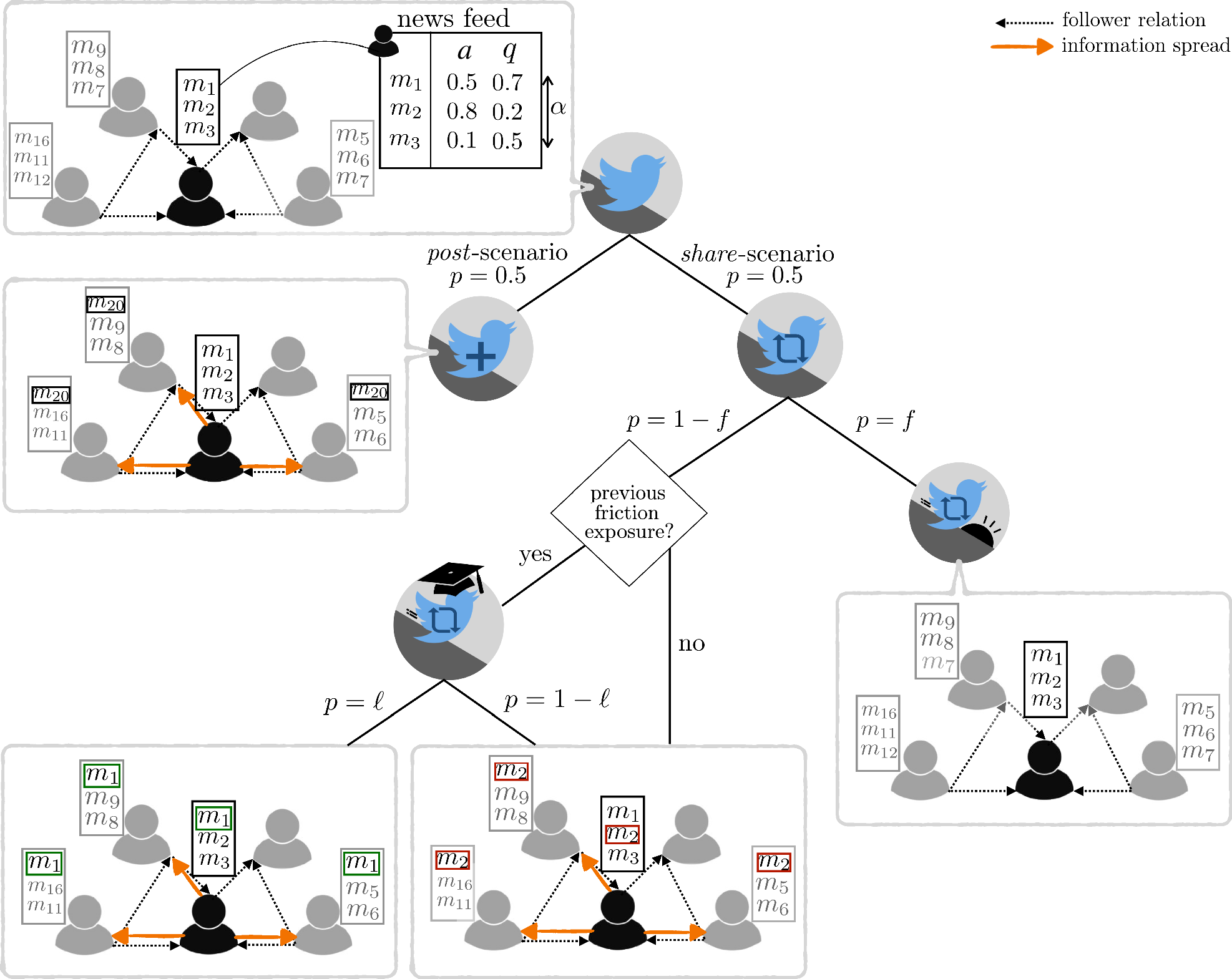
A perspective on friction interventions to curb the spread of misinformation

www.science.org
The social media context interferes with truth discernment