Collection
Landslide/Holdfast

Updated 6mo
Citations and background for my talk at Atmosphere Conf 2026
Collection
Updated 6mo
Citations and background for my talk at Atmosphere Conf 2026
Landslide
Notes on what’s happening to our ability to collectively know things, and a look ahead to what this community is especially well positioned to do to support and revitalize our info ecosystems and the humans inside them.
Shifts in U.S. Social Media Use, 2020–2024: Decline, Fragmentation, and Enduring Polarization
The social media ecosystem appears to be in flux. Twitter’s rebranding to X has come to symbolize a broader reorganization of online publics – political reshuffling, user attrition, and uncertainty over the role of legacy platforms. Simultaneously, the shift from text-based, networked feeds toward algorithmically curated, short-form video has accelerated, with TikTok setting the pace for the wider ecosystem [18, 14, 16]. At the same time, everyday communication increasingly migrates from large, open networks to semi-private spaces such as group chats and messaging apps. Commentators describe a digital public sphere in transition: smaller, more fragmented, less dominated by traditional social networking sites, and rise of more broadcast-oriented forms of media – with some even suggesting that we are seeing the beginning of the end of the social media era.
Landslide; a ghost story
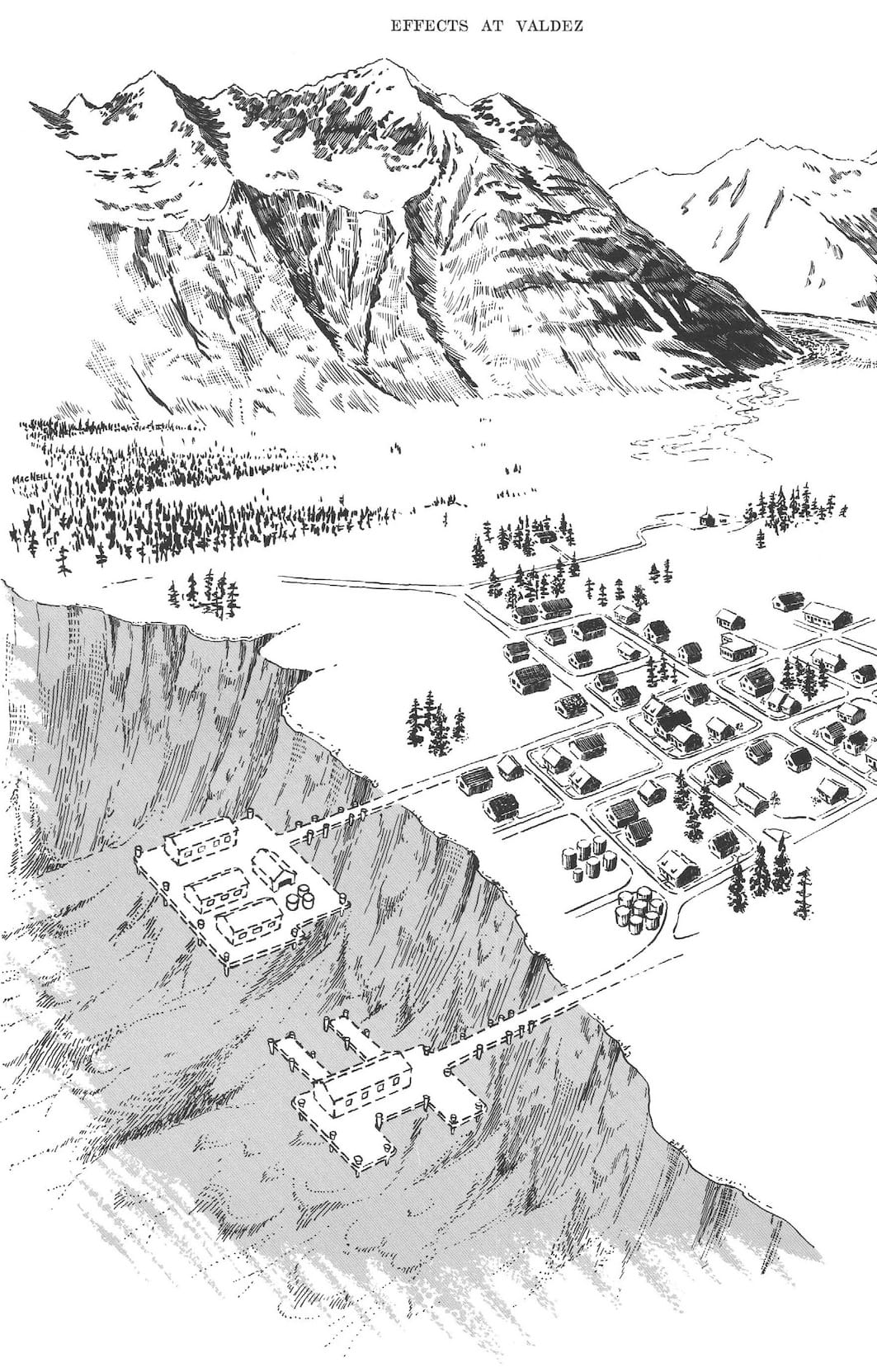
On March 27, 1964, a converted liberty ship named the SS Chena brought a shipment of supplies to the port of Valdez, Alaska. Valdez, which I need you to know is pronounced “valDEEZ,” sits at the end of a fjord—a narrow inlet carved by a glacier.
Reflections on AtmosphereConf
A reflection on AtmosphereConf, understanding this network as a subculture, joy, and what "We Can Just Do Things" actually means