Neurodiversity | The Paper Pilot
The Paper Pilot's digital garden of thoughts on philosophy, politics, and sociology
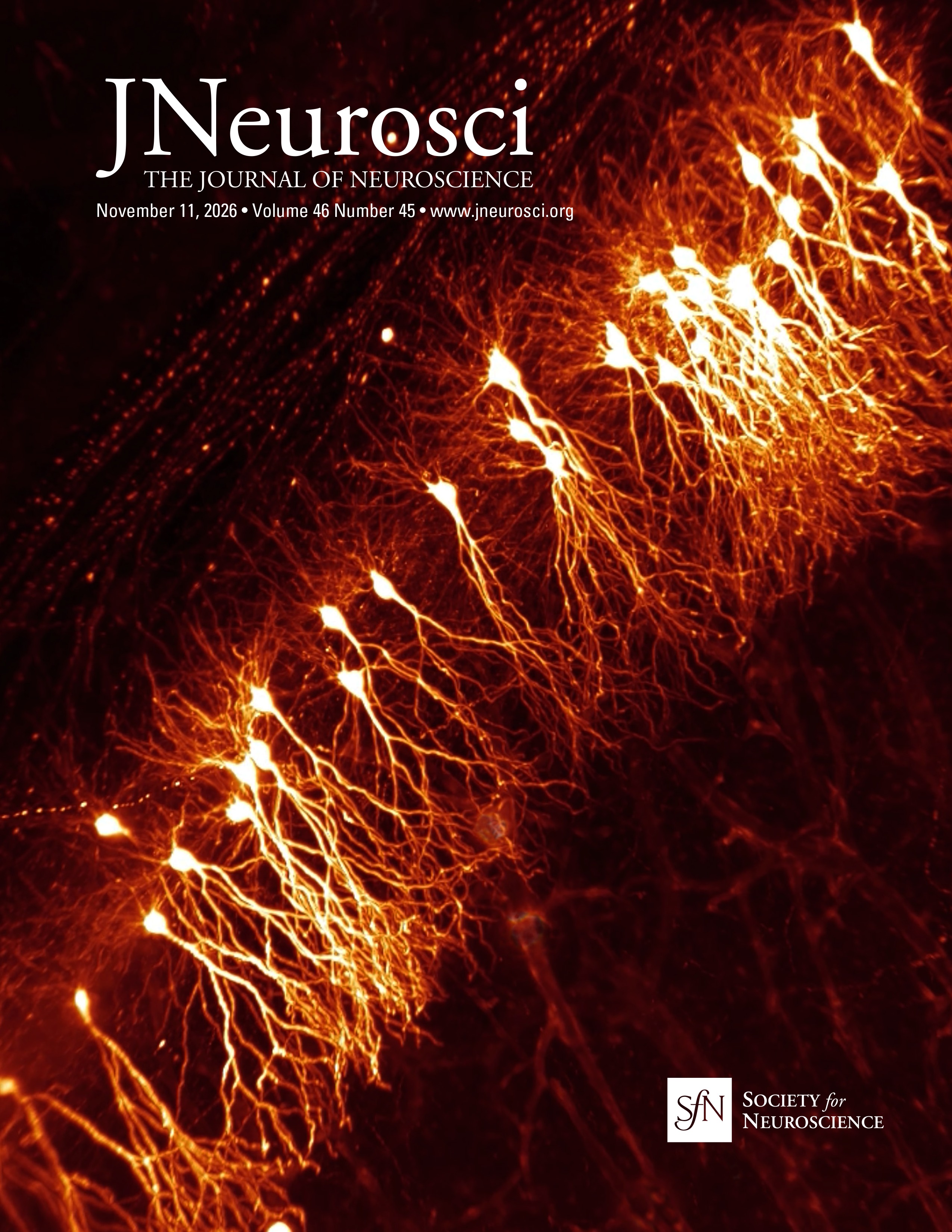
Open-source software reveals complete 3D architecture of brain cells
The neurons in our brain that underlie thought connect to each other using tiny branch-like structures on their surfaces known as dendritic spines. Now scientists at Columbia's Zuckerman Institute and ...

Sources — Belshaw Brain Archive
These blogs are now archived and redirect here. Doug currently writes at Substrate, a digital garden of notes, ideas, and reflections.
Sources — Belshaw Brain Archive
These blogs are now archived and redirect here. Doug currently writes at Substrate, a digital garden of notes, ideas, and reflections.
The shockwave rider
Book 1: The Basic Straining Manual -- Book 2: The Delphi Coracle -- Book 3: Splicing the Brain Race

This Is Your Brain on Podcasts (Published 2016)
Different people’s brains absorb a compelling story in the roughly the same complicated pattern, using many parts of the brain, researchers found.

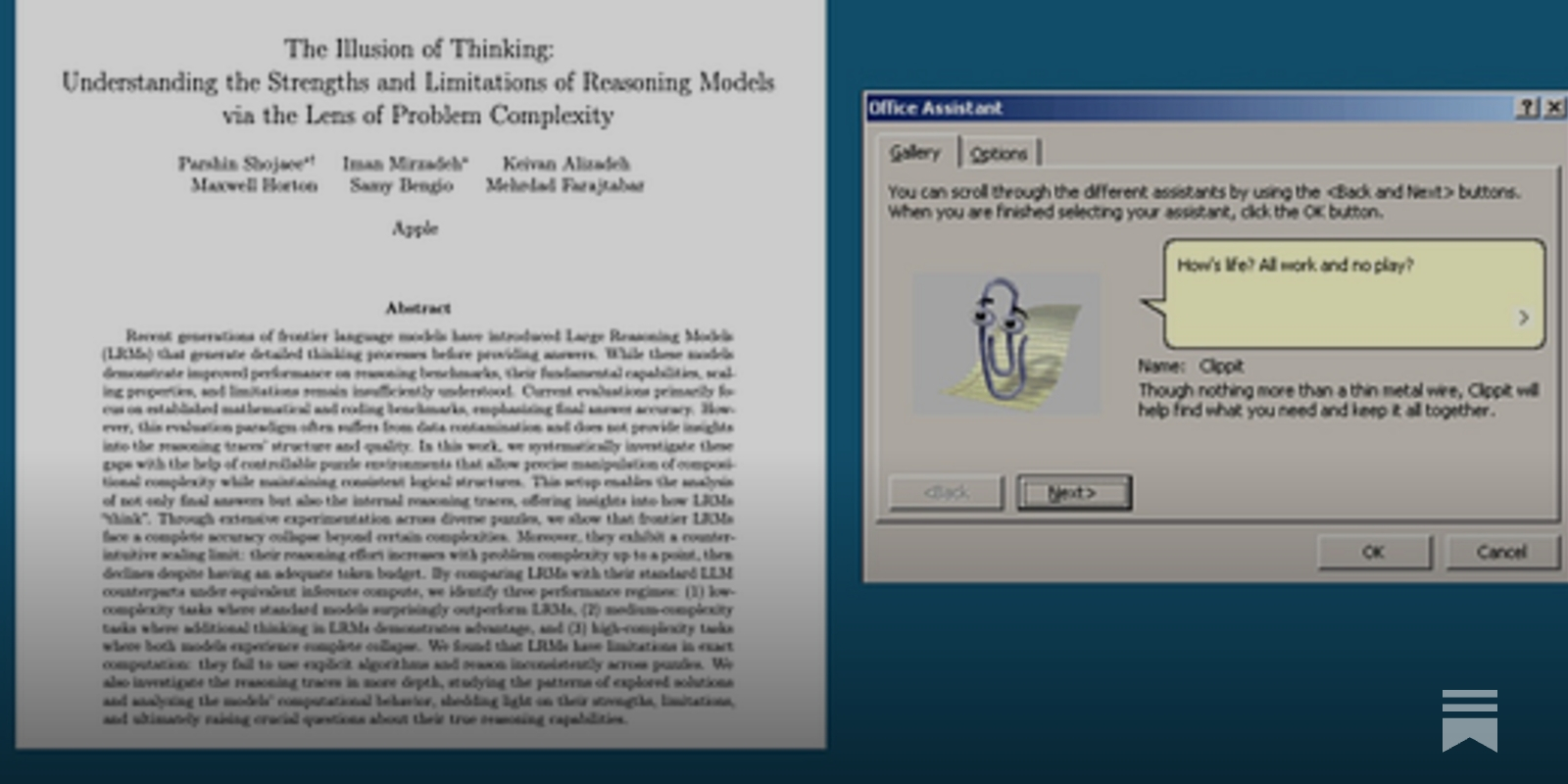
233. "The Illusion of Thinking" — Thoughts on This Important Paper
This is a fantastic paper. I just love it. tl;dr AI is not human. Anthropomorphization has been bad for AI, LLMs, and Chat. Clippy walked so today's AI could run.

Computational Psychiatry Needs Systems Neuroscience
This piece was originally published in The Transmitter. I am adapting it here with some additional context for readers of this newsletter.

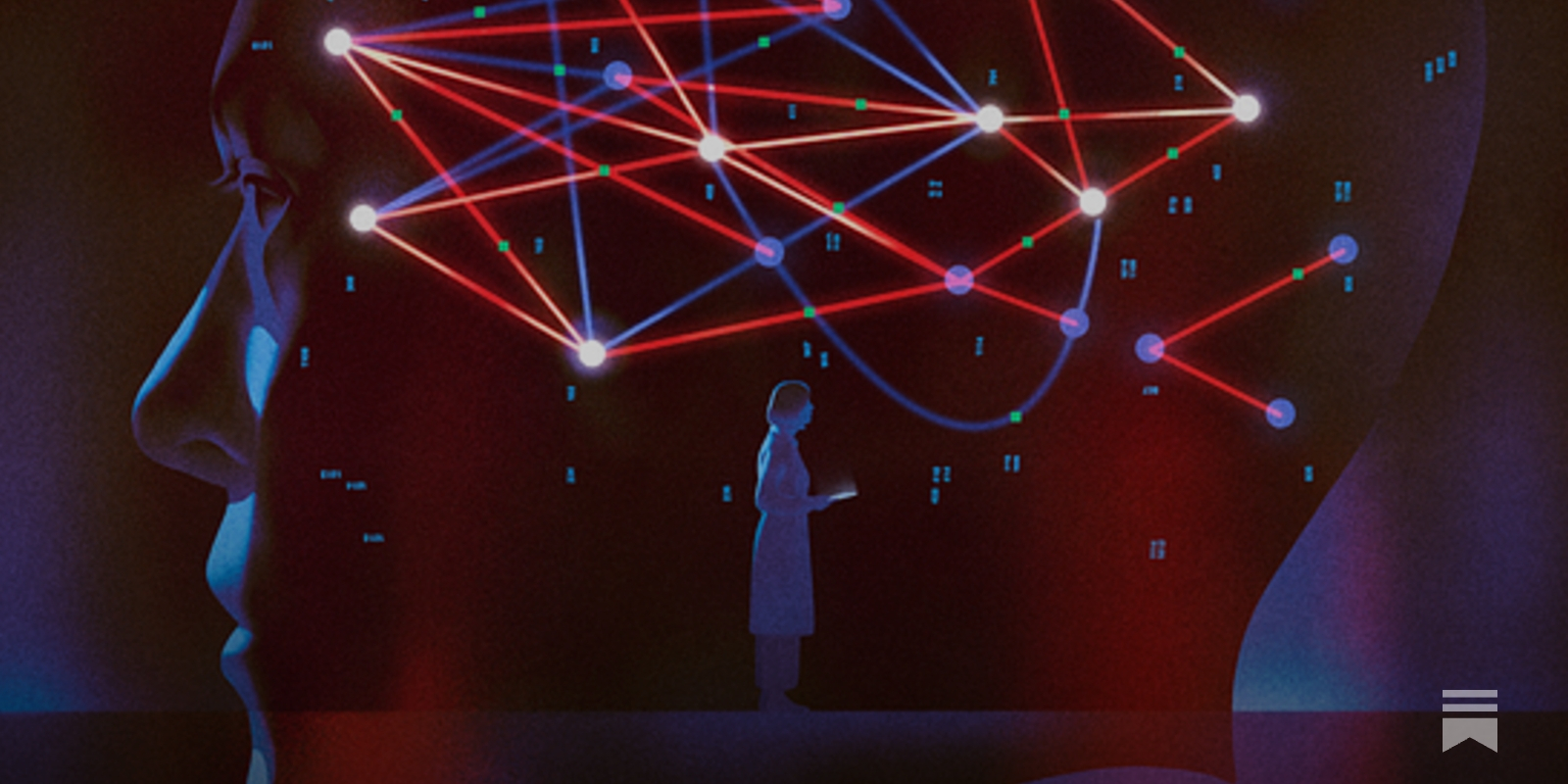
NeuroAI’s Next Steps: Balancing Computation and Embodiment
Deep neural networks trained at scale now predict neural activity across sensory cortices, raising a question that divides neuroscience: does the convergence between artificial and biological representations constitute understanding, or does understanding require models of biological processes grounded in the embodied, evolved character of natural intelligence? In this Dual Perspectives article, Bing Brunton and Patrick Mineault articulate two research programs—Process and Convergence—to engage this question about the future of NeuroAI research. The conversation is organized around four questions that probe what scaled model–brain alignment reveals, what the brain is coupled to and evolved to do, what success beyond the lab looks like, and where the field should invest over the coming decade. Their exchanges reveal the distance between the two programs to be primarily about the level of analysis and priorities for what to build next. The conversation converges on shared ground: measure broadly, then distill to causal principles.

On Learning to Ride Your Brain · Discussion across the Atmosphere
2 linkblog notes · 4 Bluesky posts · 2 margin.at saves · 4 Semble saves

Neuroscientist Larry Cahill on the ‘neurosexism’ debate | Hacker News
Her exact words were “men and women are equal but different, in many ways they’re complimentary” she then explained that some men look down on women because they didn’t value how women think about things. She also said the same is true of some women viewing men.
1. New preprint resolving a conundrum in systems neuroscience with an AI scientist, and humans Reilly Tilbury, Dabin Kwon, @haydari.bsky.social, @jacobmratliff.bsky.social, @bio-emergent.bsky.social, @carandinilab.net, @kevinjmiller.bsky.social, @neurokim.bsky.social biorxiv.org/content/10.1101/2025.11.12.68…
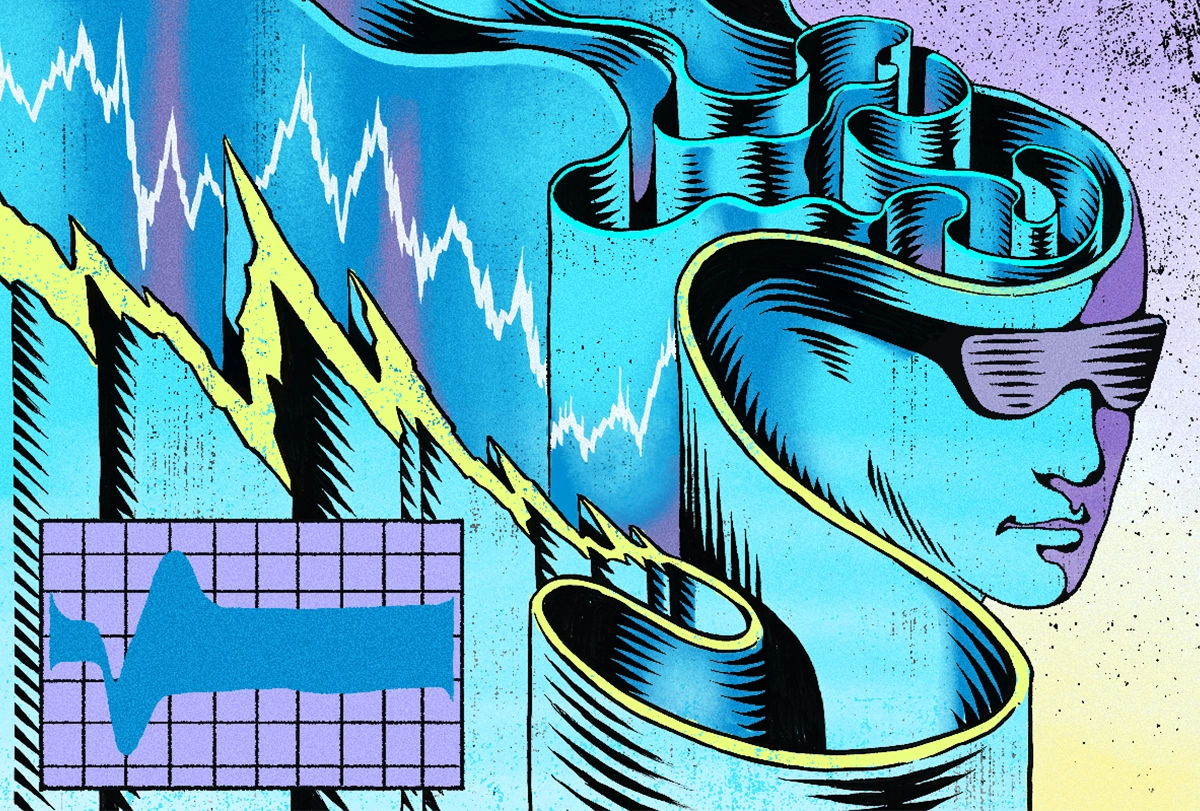
Characterizing neuronal population geometry with AI equation discovery
www.biorxiv.orgArbor Neuroscience

Constellation
Karavela
Constellation Systems, Inc | LinkedIn

Alljoined | We’re Hiring

Sabi — Just Think

Danilo Bzdok | Mila

Neuroscience needs a career path for software engineers

Neuro-RSE Affinity Group
andrewheusser.github.io

About Patrick Mineault
Phillip M. Alday

Anti-democratic attitudes are highly contagious, new psychology study finds
Hyperactive–impulsive ADHD traits predict higher curiosity in adults: evidence from a cross-sectional study
Understanding the influence of digital technology on human cognitive functions: A narrative review

How the hypercuriosity of ADHD may have helped humans thrive | Aeon Essays

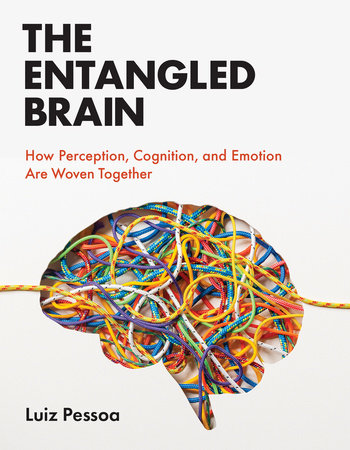
The Entangled Brain: How Perception, Cognition, and Emotion Are Woven Together