Collection
Environmentalism

Updated 17h
Save the Earth!
Collection
Updated 17h
Save the Earth!
Sustainability is not enough: we need regenerative cultures
By Daniel C. Wahl

Toward environmental liberalism
The underlying normative claim of my environmental writing
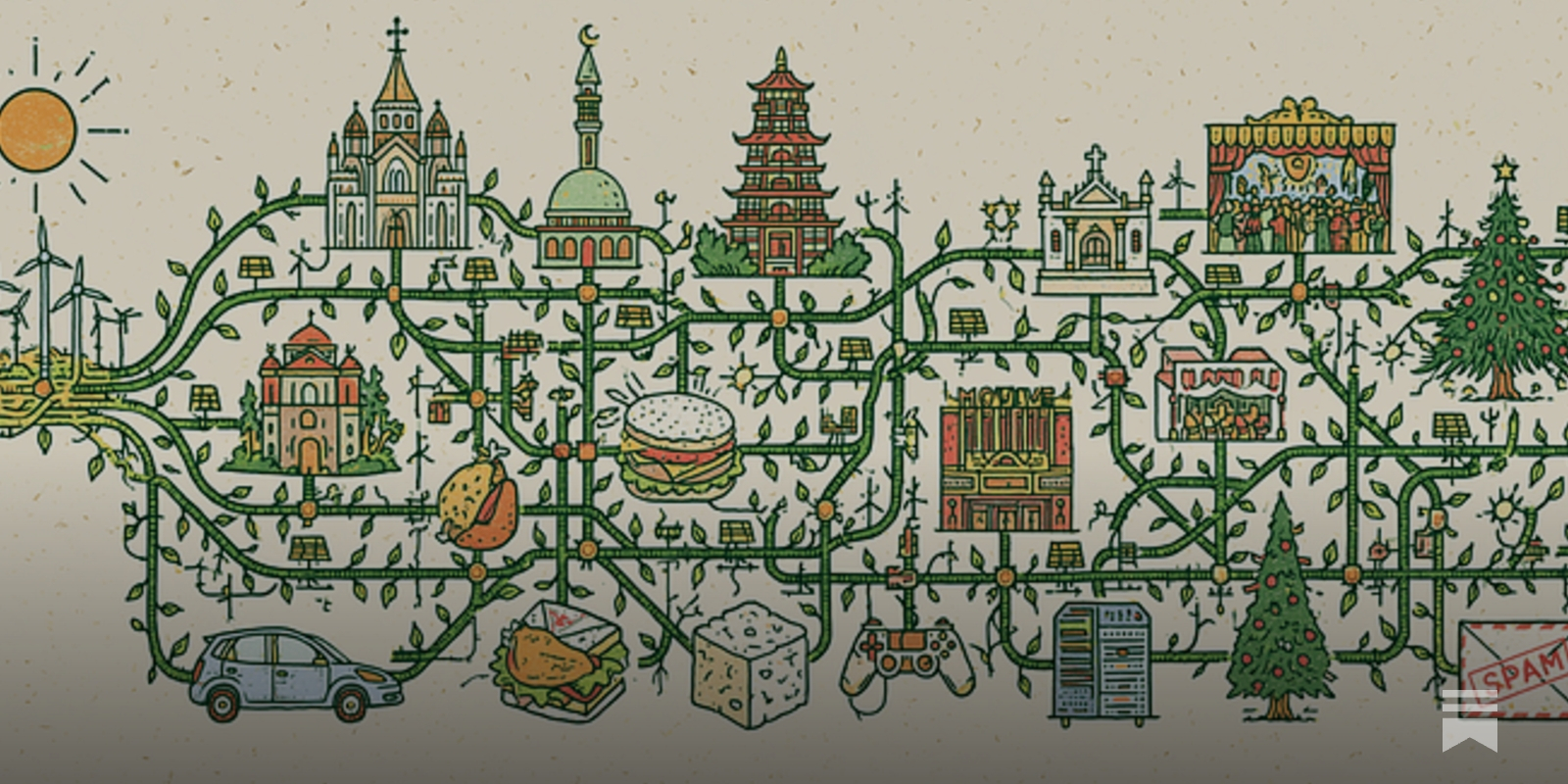
Knowledge infrastructures for the Anthropocene
The technosphere metabolizes not only energy and materials, but information and knowledge as well. This article first examines the history of knowledge about large-scale, long-term, anthropogenic environmental change. In the 19th and 20th centuries, major systems were built for monitoring both the environment and human activity of all kinds, for modeling geophysical processes such as climate change, and for preserving and refining scientific memory, i.e. data about the planetary past. Despite many failures, these knowledge infrastructures also helped achieve notable successes such as the Limited Test Ban Treaty of 1963, the ozone depletion accords of the 1980s, and the Paris Agreement on climate change of 2015. The article’s second part proposes that knowledge infrastructures for the Anthropocene might not only monitor and model the technosphere’s metabolism of energy, materials and information, but also integrate those techniques with new accounting practices aimed at sustainability. Scientific examples include remarkable recent work on long-term socio-ecological research, and the assessment reports of the Intergovernmental Panel on Climate Change. In terms of practical knowledge, one key to effective accounting may be ‘recycling’ of the vast amounts of ‘waste’ data created by virtually all online systems today. Examples include dramatic environmental efficiency gains by Ikea and United Parcel Service, through improved logistics, self-provision of renewable energy, and feedback from close monitoring of delivery trucks. Blending social ‘data exhaust’ with physical and environmental information, an environmentally focused logistics might trim away excess energy and materials in production, find new ways to re-use or recycle waste, and generate new ideas for eliminating toxic byproducts, greenhouse gas emissions and other metabolites.

Knowledge infrastructures for the Anthropocene
The technosphere metabolizes not only energy and materials, but information and knowledge as well. This article first examines the history of knowledge about large-scale, long-term, anthropogenic environmental change. In the 19th and 20th centuries, major systems were built for monitoring both the environment and human activity of all kinds, for modeling geophysical processes such as climate change, and for preserving and refining scientific memory, i.e. data about the planetary past. Despite many failures, these knowledge infrastructures also helped achieve notable successes such as the Limited Test Ban Treaty of 1963, the ozone depletion accords of the 1980s, and the Paris Agreement on climate change of 2015. The article’s second part proposes that knowledge infrastructures for the Anthropocene might not only monitor and model the technosphere’s metabolism of energy, materials and information, but also integrate those techniques with new accounting practices aimed at sustainability. Scientific examples include remarkable recent work on long-term socio-ecological research, and the assessment reports of the Intergovernmental Panel on Climate Change. In terms of practical knowledge, one key to effective accounting may be ‘recycling’ of the vast amounts of ‘waste’ data created by virtually all online systems today. Examples include dramatic environmental efficiency gains by Ikea and United Parcel Service, through improved logistics, self-provision of renewable energy, and feedback from close monitoring of delivery trucks. Blending social ‘data exhaust’ with physical and environmental information, an environmentally focused logistics might trim away excess energy and materials in production, find new ways to re-use or recycle waste, and generate new ideas for eliminating toxic byproducts, greenhouse gas emissions and other metabolites.
Atmosphere Adult Community Development Projects by SweetBee

Atmosphere Community Case Studies
Atmosphere Community Moderation
open source sustainability

Climate change (unsorted)

atproto sustainability

Communities and Commons in the Atmosphere

Atmosphere Art Community Development (by Bee)
Quit Digital Ocean
Future of the ATmosphere, longevity, and how to widen appeal

Speculation about the future, what the ATmosphere might look like, what is and isn't working, how to increase appeal to non-techies, communication, sustainability, etc.
The Garden

Everything is connected. The master collection of all links collected across all collections, and a pretty decent snapshot of my brain
Babesky (by Bee 🐝) — Semble
NSFW Networking by @sweetbee.vip

Women with Opinions™️ in Sex Work & Porn
blacksky-algorithms/SAFEskies
Nobody pays for open source. We can force them to. | Seldo.com
A Research Lab for Open Source ✸ Software Stewardship Lab
An equitable company - Roomy

Ideas on a Financially Sustainable Atproto | Alex | Offprint
Software Stewardship Lab
Fund Your Internet

When reality surpasses fiction! Top: fictional forecast for August 2050, broadcast by French TV in 2014 to warn about the consequences of…
Custom Feeds Are Not Communities — A Design Theory of Feeds and Commons - Nightflight
Community Spaces on AT Protocol - at:// pizza thoughts
Building for Organizers - The People Layer
Quit Omarchy (DHH) (by あ) — Semble
Yeah so maaaaaybe dont use DigitalOcean omarchy.org/news/2026/09...
Building for Organizers - The People Layer
Social Capital - Hitchhiker's Guide to the Atmosphere
Future of Bluesky/ATProto (by Ronen Tamari) — Semble
How Creatives and Devs Can All Finally Escape the Control of the Silicon Valley of Evil and Make a Trillion Dollars, Audio Style
How creatives and devs can all finally escape the control of the silicon valley of evil and make a trillion dollars - Multi-hyphenate

Bluesky is doubling down

Gvellav's NSFW Art Appreciator pack
Game Dev by @trezy.codes

OurSky by @redefine.luxury

Babesky | The Real Side of NSFW Bluesky

Tophhie Social (@tophhie.social)

altq.net (PDS) (@altq.net)

There's this verb "distribution" used in the context of sentences like "Substack solved distribution" and I don't get it. What does it mean?

ATProto builders, I've been having some really positive conversations with multiple funders who want to invest in the ecosystem. The tides…

Become a supporter · Currents

Introducing the “organize mode” and the supporter tier
Become a Sill+ supporter - Euphonos

Standard.site Summer, on Bluesky's tab | Offprint
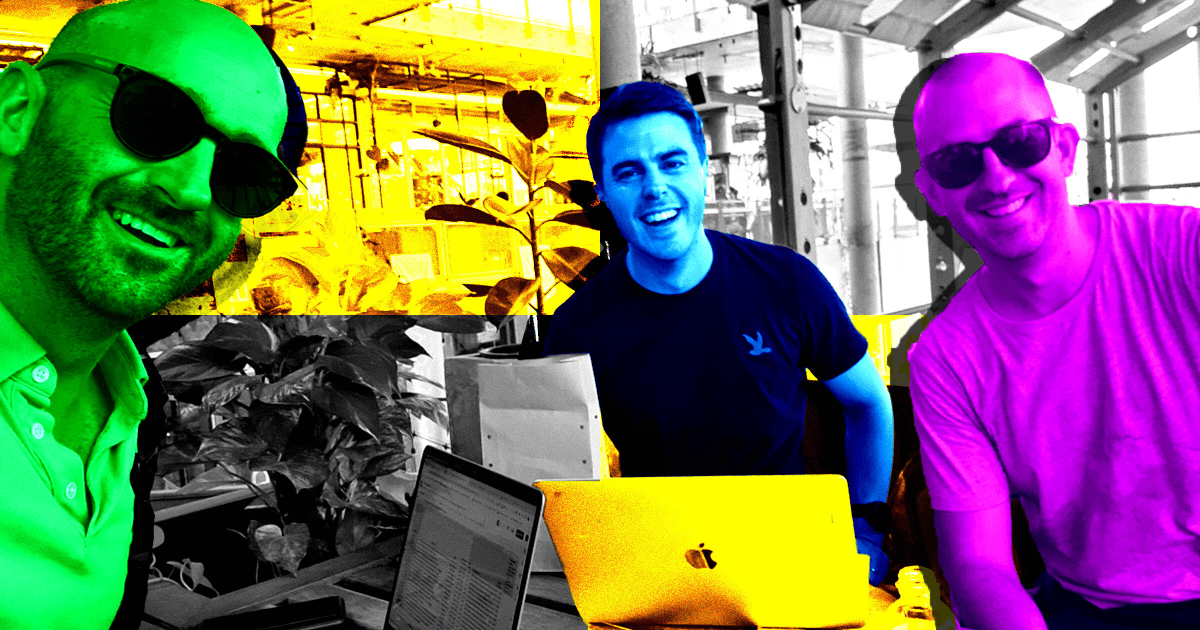
How Three Brothers Built an AI Slop Empire by Buying Legitimate News Sites and Turning Them Into Zombie Content Farms That They Say Get 50 Million Page Views per Month

AI Doomsday Panic Is Completely Out Of Control

Canada And The EU Come Together

An (accidental?) love letter to the lunkheads

Analysing Justin Webb’s interview with Ed Miliband about sanctions on Israeli settlements

Behind the AI ‘Extinction’ Power Bid: Soaring Costs Could Hit 10% of World GDP

NSFW Art by @sweetbee.vip

Glitch Art by @sweetbee.vip

Trending PixelArt by @sweetbee.vip

Pokemon Fan Art by @sweetbee.vip

FlowSky by @sweetbee.vip
