
Exit Liquidity
I’m taking a week off of premium as I’ve had a family situation that has absorbed a lot of my time this week, but I’ll be back with a barnburner next Friday (11/6). In the interim, I’m running a week-long sale — 10% off of

Interface Lineage
A free library of interface patterns and principles. Name the mechanism, prompt it to your AI, and invent new interfaces.

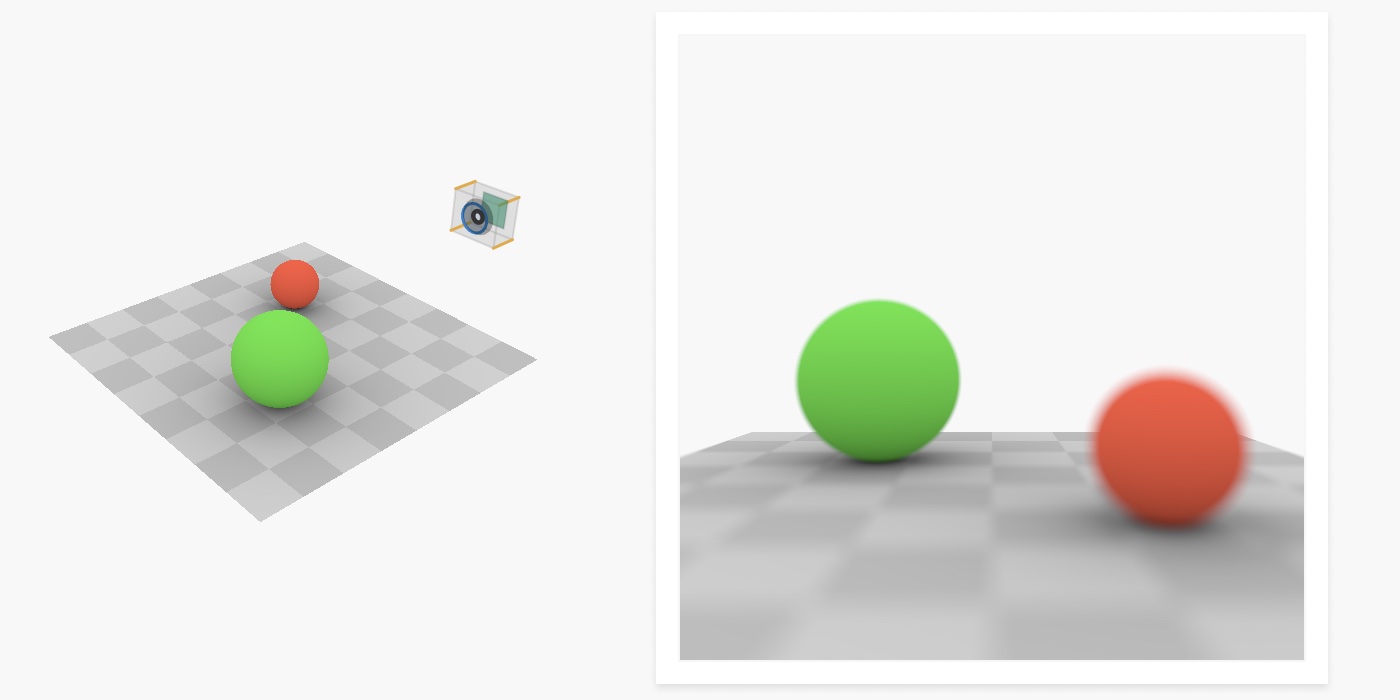
Cameras and Lenses – Bartosz Ciechanowski
Interactive article explaining how cameras and lenses work.
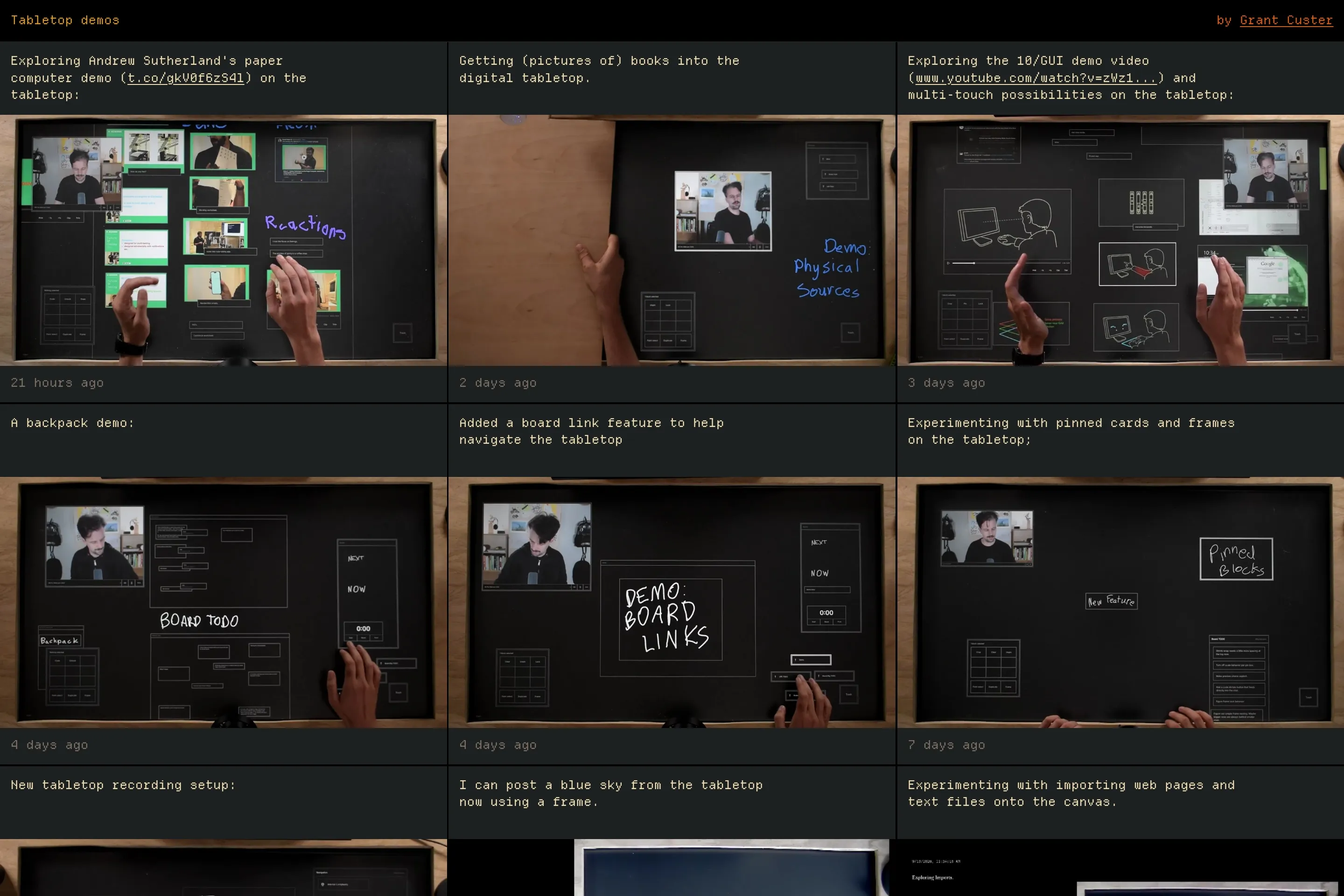
Git for the US Code | Lexifina
Lawyers should be able to read a statute as it stood on any date and see which law wrote each phrase. A history of nine titles of the US Code, built by replaying every amendment, as the example.

The Man from the Future: Why Johnny Can't Stop Abstracting
I have come to suspect that to most people thinking is painful. Some of us are addicted to thinking. Some of us find it a necessity. Johnny ...
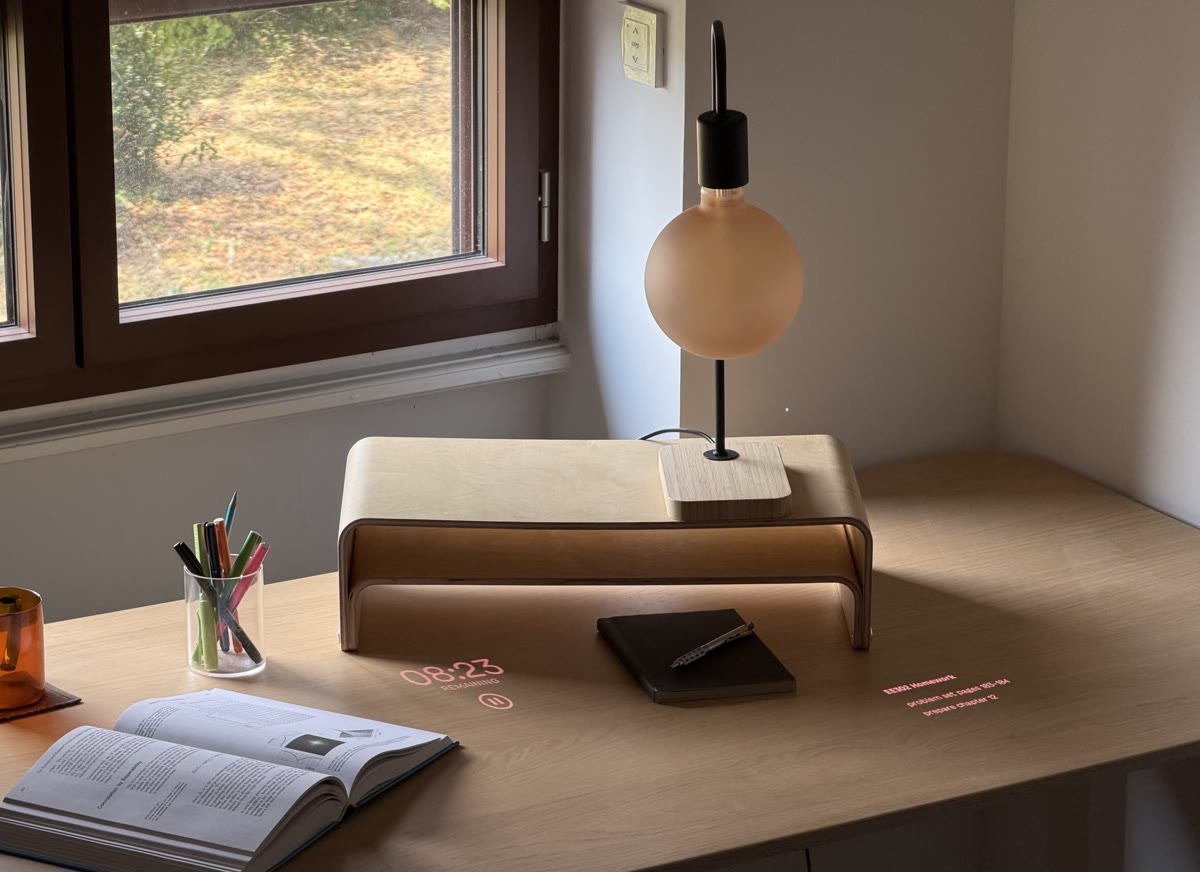
The Lightbulb Computer — Reimagining Spatial & Ambient Computing with Projectors
A new direction for computing: projecting information into the real world to augment it, with a device that combines a projector and computer vision in the shape of a large lightbulb.

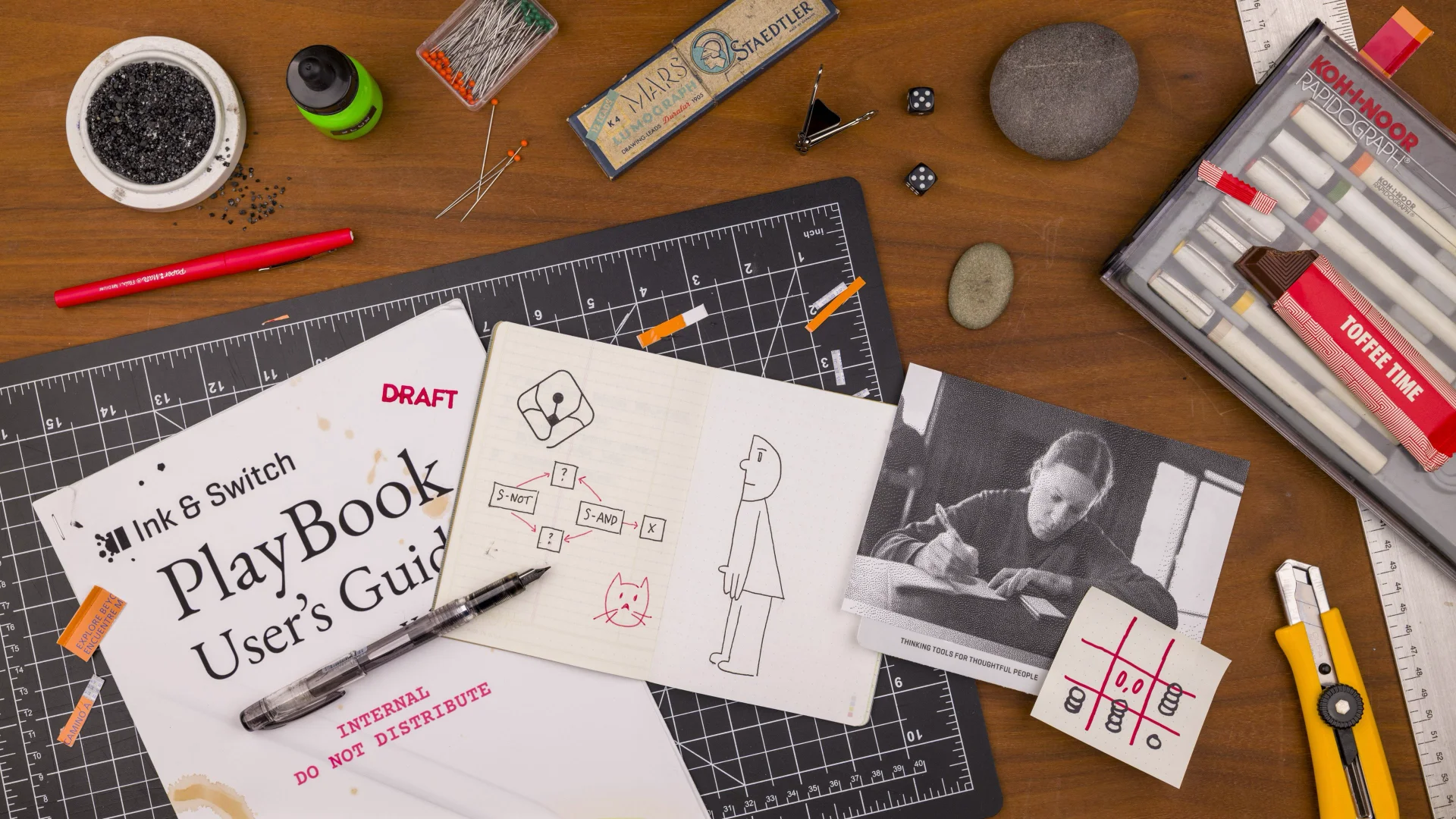
Calendar Structure
What would a paper calendar feel like if you could see the same data in different views?
visualising data structures and algorithms through animation - VisuAlgo
VisuAlgo was conceptualised in 2011 by Associate Professor Steven Halim (NUS School of Computing) as a tool to help his students better understand data structures and algorithms, by allowing them to learn the basics on their own and at their own pace. Together with his students from the National University of Singapore, a series of visualizations were developed and consolidated, from simple sorting algorithms to complex graph data structures. Though specifically designed for the use of NUS students taking various data structure and algorithm classes (CS1010/equivalent, CS2040/equivalent (inclusive of IT5003)), CS3230, CS3233, and CS4234), as advocators of online learning, we hope that curious minds around the world will find these visualizations useful as well.
dmmulroy/anti-slop
Opinionated Oxlint rules for rejecting low-evidence TypeScript and JavaScript patterns
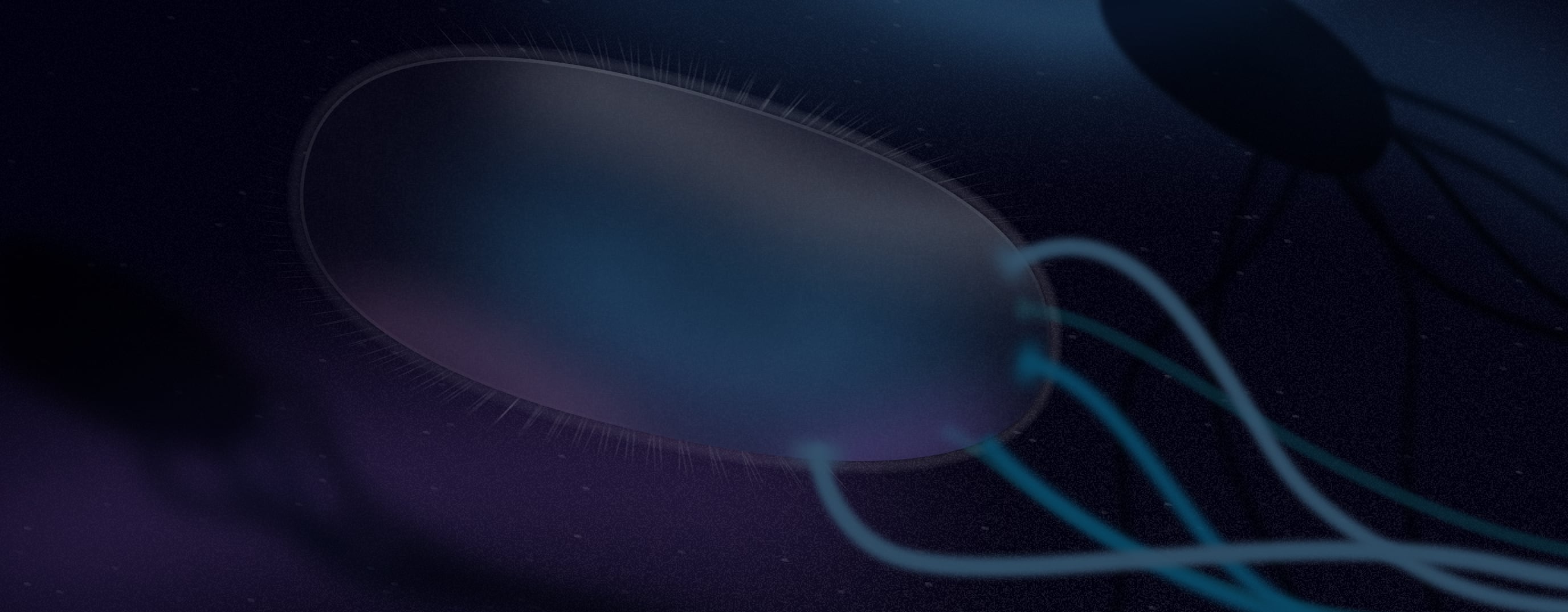
E. coli chemotaxis: the baffling intelligence of a single cell
I want to tell the story of a beautiful phenomenon in biology. In some sense it’s the prototype of much of the activity of life. The phenomenon is the way in which an individual cell of E. coli forages for nutrients. This process, known as “chemotaxis”—the “chemo-” for chemical and the “taxis” from the Greek τάξις, for tactics—is intelligence in one of its most elemental forms. An individual E. coli has no brain, obviously, and is even many orders of magnitude simpler than a human cell, and yet already it possesses something like a sense of smell, drive, even a memory. Chemotaxis recasts E. coli not as some aimless gut-pest but rather as an exquisitely sophisticated physical computer.
Hiromix
In 1996, Hiromix published her first book Girls Blue.[6] She became known in the West with her book Hiromix, edited by the French photography critic Patrick Remy and published by Steidl in 1998.[7] In 2000, she was awarded the Kimura Ihei Award for her book Hiromix Works. She has published several other photography books that are concerned with identity, community, gender and the everyday.


