

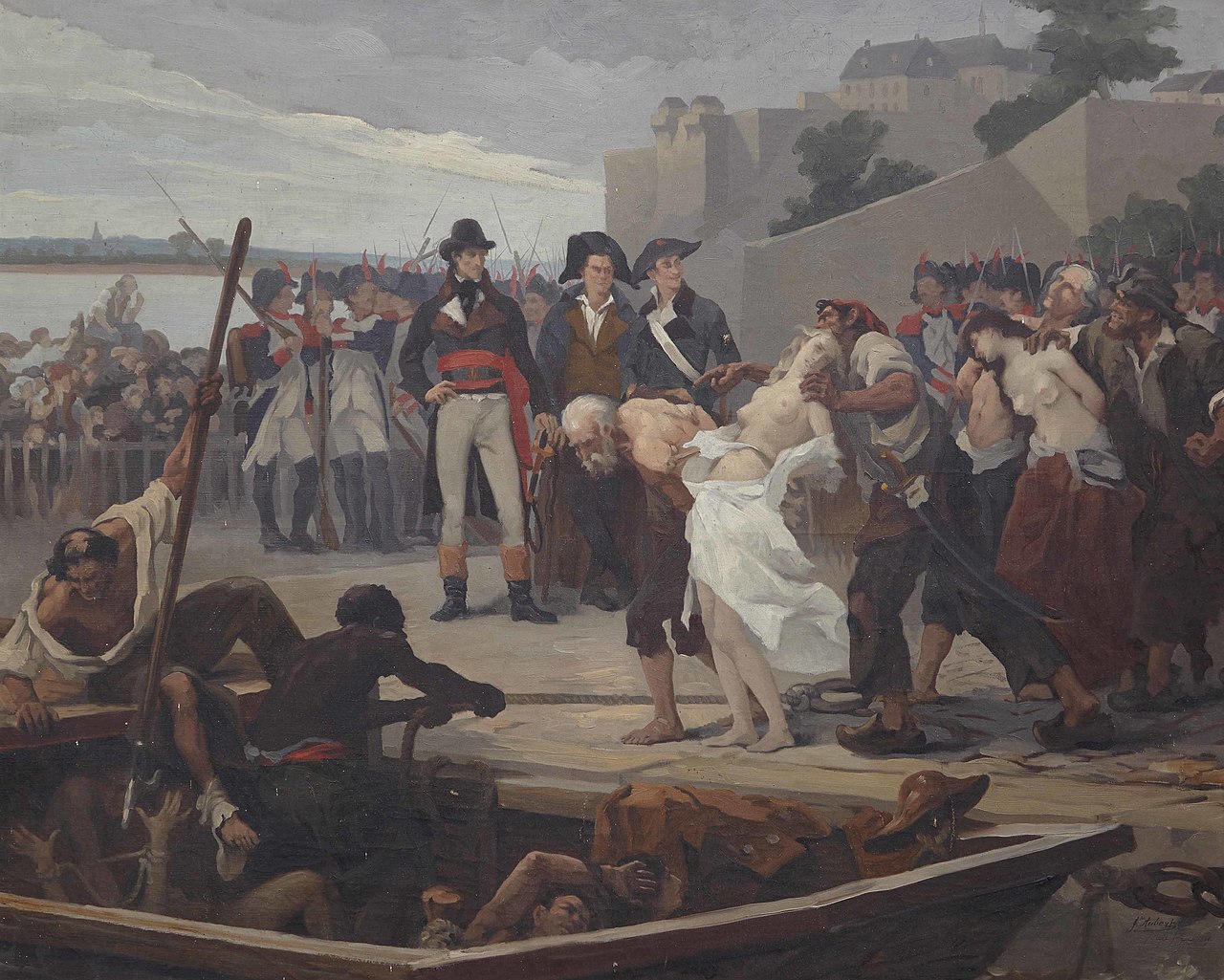
General Carrier oversaw mass drownings in the Loire, loading peasants onto barges and sinking them. Estimates of the dead range from 100,000 to 300,000. The revolution that had declared the rights of man killed a significant fraction of the population of an entire region because they wanted their priests and their land rather than what the revolution had decided they should want. The long arc argument will be made: feudalism ended, the Napoleonic code spread, modernity arrived.
Mote: An Interactive Ecosystem Simulation — Peter Whidden
School for Poetic Computation
The School for Poetic Computation is an experimental school in New York City supporting interdisciplinary study in art, code, hardware and critical theory. It's a place for learning and unlearning.
Mote: An Interactive Ecosystem Simulation — Peter Whidden
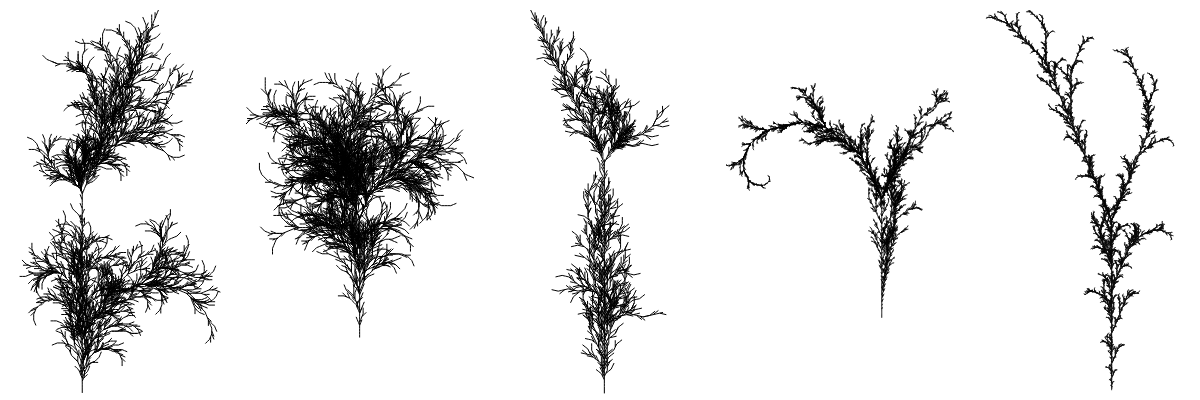
L-systems
Jordan Santell, focusing on open web engineering, immersive web, WebXR, WebGL, JavaScript, open source, open standards, and all things weird web.
Mote: An Interactive Ecosystem Simulation — Peter Whidden
Drownings at Nantes
The drownings at Nantes were a series of mass executions by drowning during the Reign of Terror in Nantes, France, that occurred between November 1793 and February 1794. During this period, anyone arrested and jailed for not consistently supporting the Revolution, or suspected of being a royalist sympathizer, especially Catholic priests and nuns, was cast into the river Loire and drowned on the orders of Jean-Baptiste Carrier, the representative-on-mission in Nantes. Before the drownings ceased, as many as four thousand or more people, including innocent families with women and children, died in what Carrier himself called "the national bathtub".

atproto made simple: granular permissions - underreacted
Open Social
Before the Window Closes Again
Reza Pahlavi and the missing bridge of Iran’s opposition

The Revolution That Holds a State
On what the Islamic Republic always told us it was
Before the Window Closes Again
Reza Pahlavi and the missing bridge of Iran’s opposition
if you’re using Bluesky OAuth in your app, change your metadata filepath to /oauth-client-metadata.json to have just your brand domain show up on the authorize screen rather than a suspicious looking url string i think 90% of atproto apps don’t do this, seems to not be documented yet

ollie thanks mozz 🫶
(sorry for driveby but i think tangled can update the file to be at path `/oauth-client-metadata.json` to get rid of that long display name *disappears*)

