
Computational Public Space
The Indian street dog crisis and multispecies coexistence in tropical urban futures
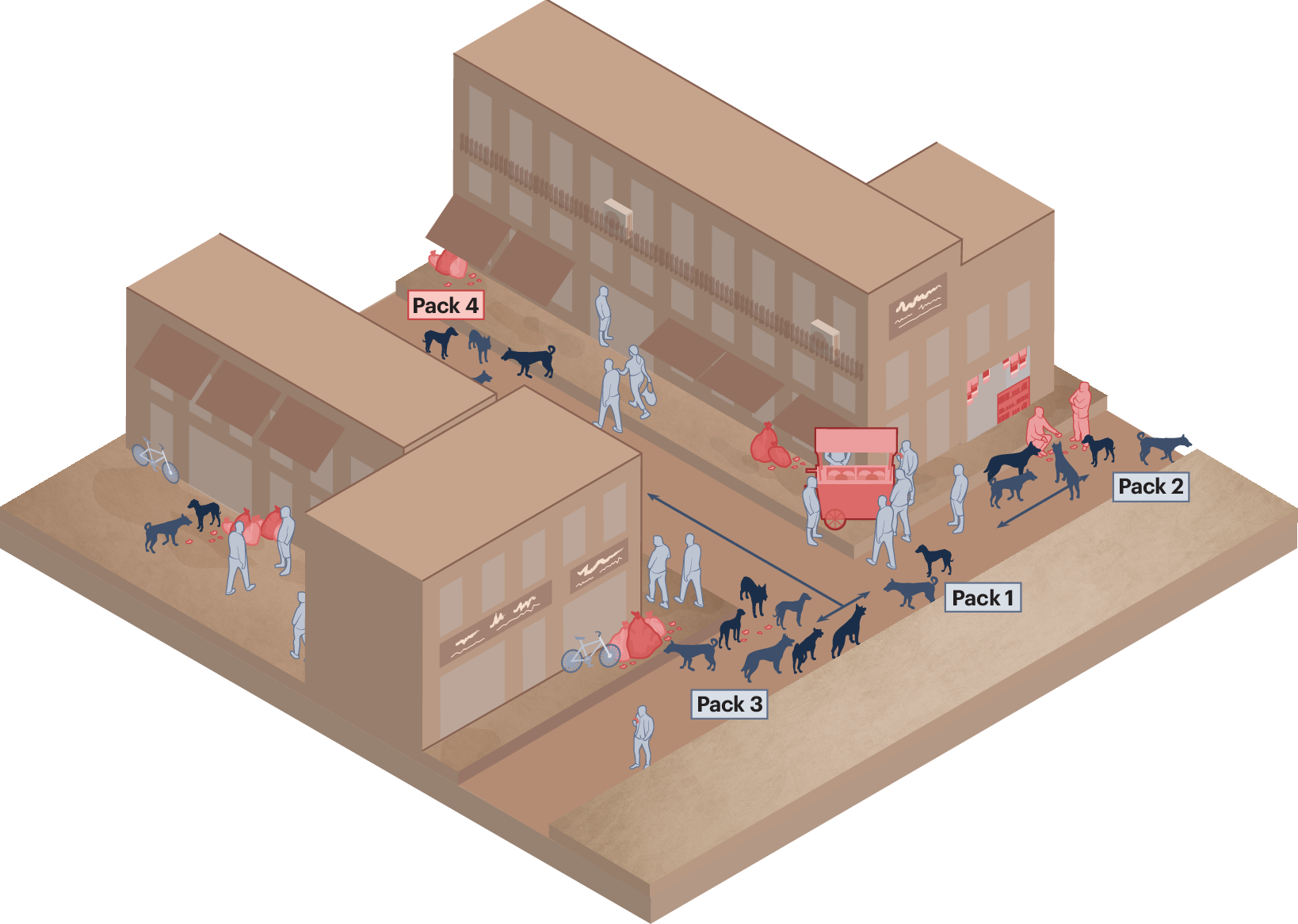
Cities in the Global South struggle with human–animal coexistence conundrums. For example, in South Asia, old and new collide: people raise livestock informally and feed free-ranging animals within heterogeneously developed, juxtaposed patches, while digital economies boom amid threats from waste piles linked with zoonotic diseases and conflicts. This is exemplified by the free-ranging dog crises in India. Humanity’s oldest companion now suffers between compassion and rising conflicts. Dogs still scavenge, guard, breed, disperse and die on streets shaped by traffic, garbage, ritual feeding and uneven care. Indian courts, attempting to address the problems, have overlooked the root cause—food subsidies. Sterilization, shelters, fencing or removals cannot succeed when urban landscapes provide food subsidies to animals without corresponding responsibility. Episodes of reactive management must yield to urban planning, acknowledging that multispecies communities in shared living spaces are complex and interconnected. Here, I suggest making compassion accountable to public health, animal well-being and urban ecology.
You and Your Research
Transcription of the Bell Communications Research Colloquium Seminar 7 March 1986
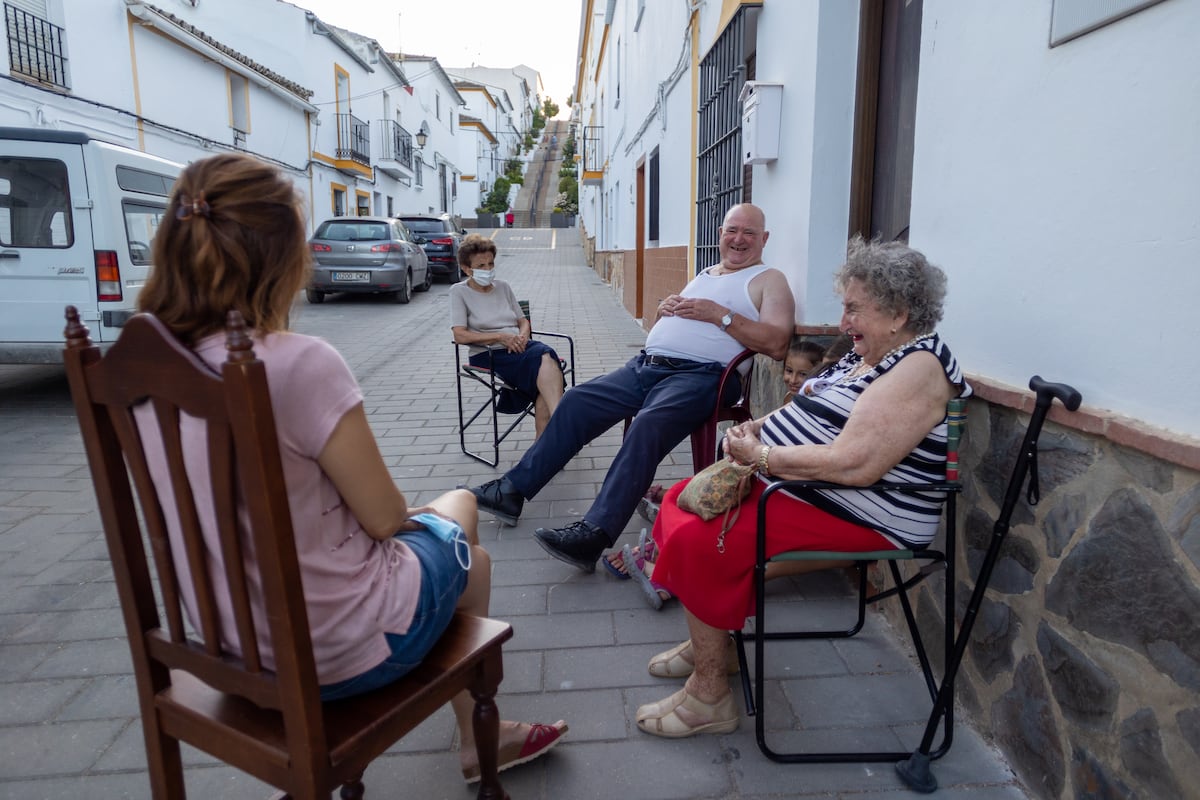
The Spanish village that wants outdoor chats to be granted World Heritage status
Algar in southern Spain is seeking UNESCO recognition for ‘charlas al fresco’ in a bid to revive the declining tradition
How and When to Involve Crowds in Scientific Research - The Book
This book explores how millions of people can significantly contribute to scientific research. Discover main elements, authors, and who this book is for and why.
Traditional Social Media as a Prison - What’s Happening on My Feed?
Social media apps have become a vehicle for community building, world news, and political campaigns. As app owners have enmeshed themselves more with the state, the carceral logics that haunt marginalized communities offline, became a part of their digital realities online.
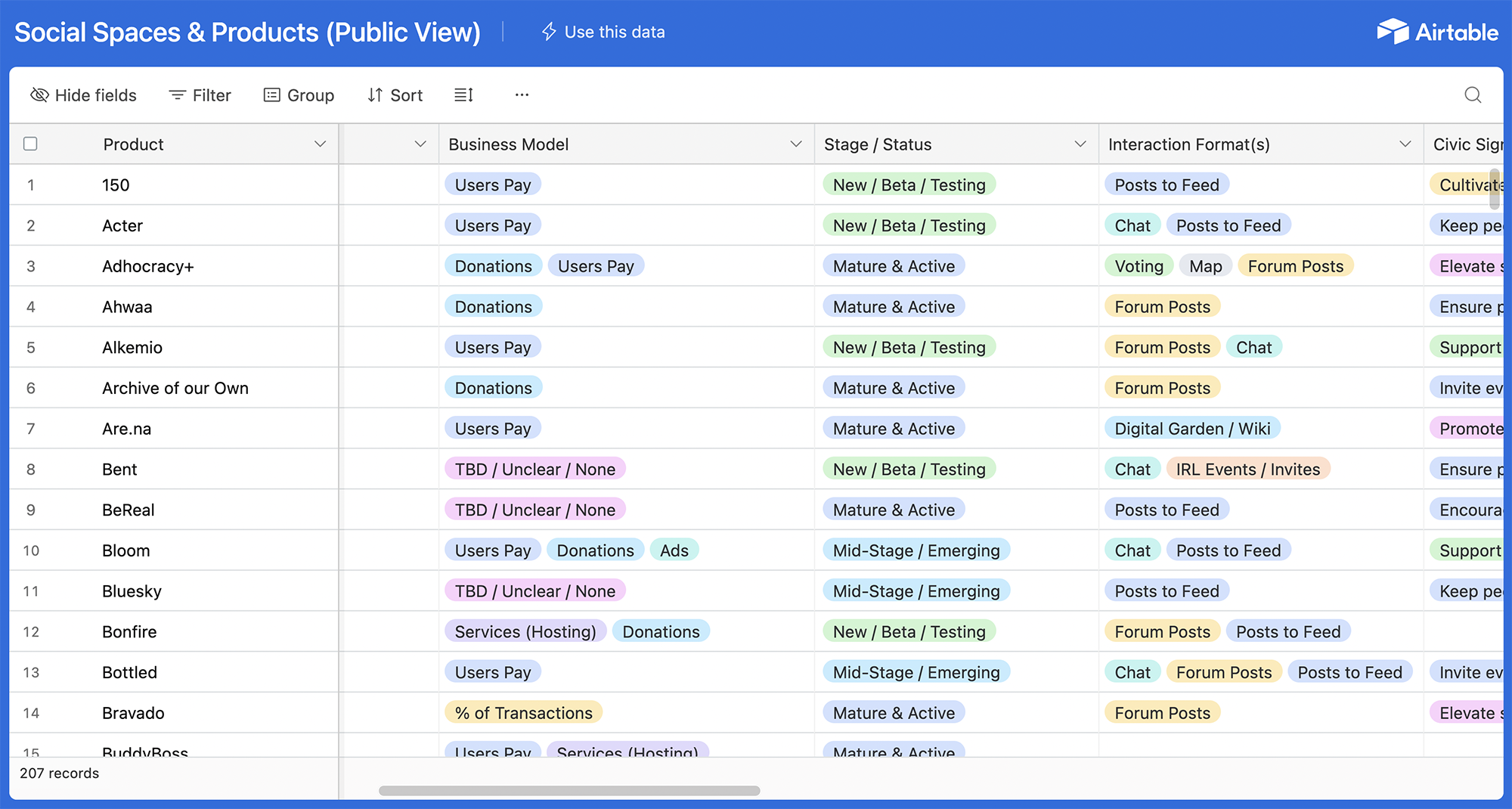
Digital Spaces Directory | New_ Public
As the social media landscape changes and a new wave of digital spaces emerges, this Directory is meant to be a resource for our field — a jumping-off-point for further exploration and research for anyone who’s interested in studying, building, stewarding, or simply using digital social platforms. We hope this will inspire creative exploration, spark new collaborations, and highlight important progress.
The Local Connection Crisis: New Data on What Communities Need
👋 Introducing Roundabout: built for neighbors, with neighbors
New_ Public’s app for local communities enters closed beta in five pilot communities

Roundabout
Roundabout is your new online community for local life. Find what you need, connect with neighbors, and take pride in your community.

Trails and public spaces — Rafael M. Batista
A reply to Kenny Peng and colleagues on designing social media around trails — and why the campground or the piazza may be the better analogy.
Local Journalism Directory | Media and Democracy Project
We created a directory to help you find local journalism and local news sources in your area worth reading and supporting.

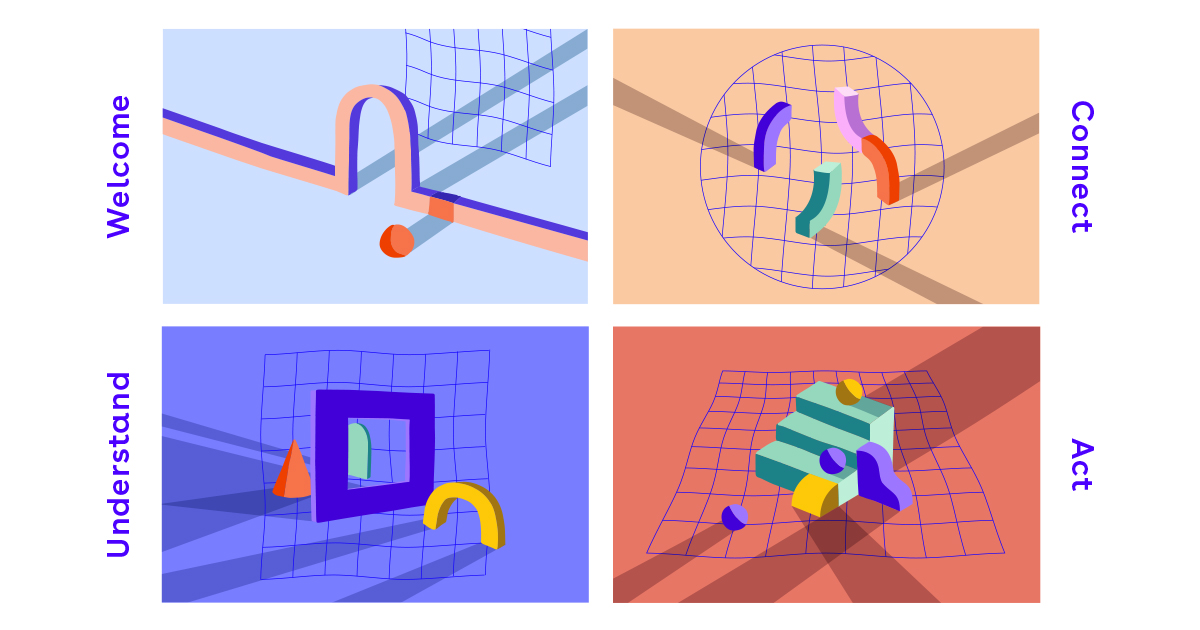
Our Civic Signals research | New_ Public
The Civic Signals are 14 indicators of healthy online spaces, based on years of research into what makes online communities work.
We need to protect the protocol that runs Bluesky
If we don’t act soon, our online world will continue to be run at the whim of capricious billionaires.

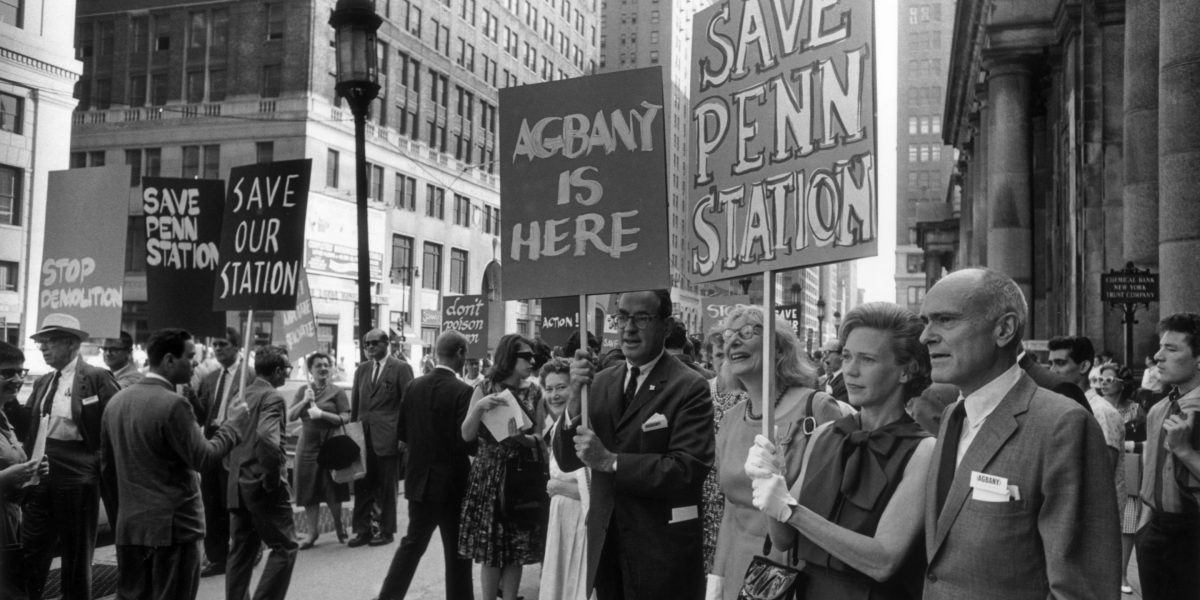
Downtown is for people | Fortune
If the downtown of tomorrow looks like most of the redevelopment projects being planned for it today, it will end up a monumental bore. But downtown could be made lively and exciting—and it's not hard to find out how.
Beware online "filter bubbles" | Eli Pariser
Long Live the Web: A Call for Continued Open Standards and Neutrality
The Web is critical not merely to the digital revolution but to our continued prosperity—and even our liberty. Like democracy itself, it needs defending

People, Not Posts: Part II - Real Housewives of San Francisco
What comes after social media?
Collection

Updated 8d
Physical or digital, things to do with public spaces