

The Malleable Systems Collective catalogs and experiments with malleable software and systems that reset the balance of power in computing
Malleable software
computing environments where anyone can mold their tools to their own unique needs.That definition is by [[Geoffrey Litt]], who wrote [[Malleable software ...


Geoffrey Litt
Welcome! I work on malleable software: computing environments where anyone can adapt their software to meet their needs with minimal friction. To see what that means to me, read this essay or listen to this interview.

What is Malleable Software Now | Bryan Min (02-27-2026)
Malleable software: Restoring user agency in a world of locked-down apps
The original promise of personal computing was a new kind of clay. Instead, we got appliances: built far away, sealed, unchangeable. In this essay, we envision malleable software: tools that users can reshape with minimal friction to suit their unique needs.

Perfect Software - Software for an Audience of One
We have many names to describe personal tools. Malleable software speaks to how it behaves. Home-cooked software speaks to who makes it.
Malleable Software in the Age of AI - Geoffrey Litt
Malleable software in the age of LLMs
All computer users may soon have the ability to author small bits of code. What structural changes does this imply for the production and distribution of software?
Malleable software in the age of LLMs
All computer users may soon have the ability to author small bits of code. What structural changes does this imply for the production and distribution of software?
Malleable software in the age of LLMs
All computer users may soon have the ability to author small bits of code. What structural changes does this imply for the production and distribution of software?
Dynamical Systems Group | Complex Systems, Engineered
Systems engineering firm that operationalizes emerging technology for high-reliability organizations. Scientific Computing, MBSE, Systems Integration.
Why Distributed Systems Are Hard to Develop — and How to Fix It
Here’s what’s missing when developing distributed systems today: Structure. Consistent, codified structure.

Erase your darlings: immutable infrastructure for mutable systems - Graham Christensen
Over time, a system collects state on its root partition. This state lives in assorted directories like /etc and /var, and represents every under-documented or out-of-order step in bringing up the services.
Malleable Software

Software that gives users extreme agency over the interface, such as JIT interfaces.
Malleable Software

Using AI to create your own visualizations, interfaces, and going beyond “apps” bmannconsulting.com/notes/malleable-software/ Other terms: * Regenerative Software semble.so/url?id=https://aicoding.leafl…
A Malleable Diffuse | tokono.ma
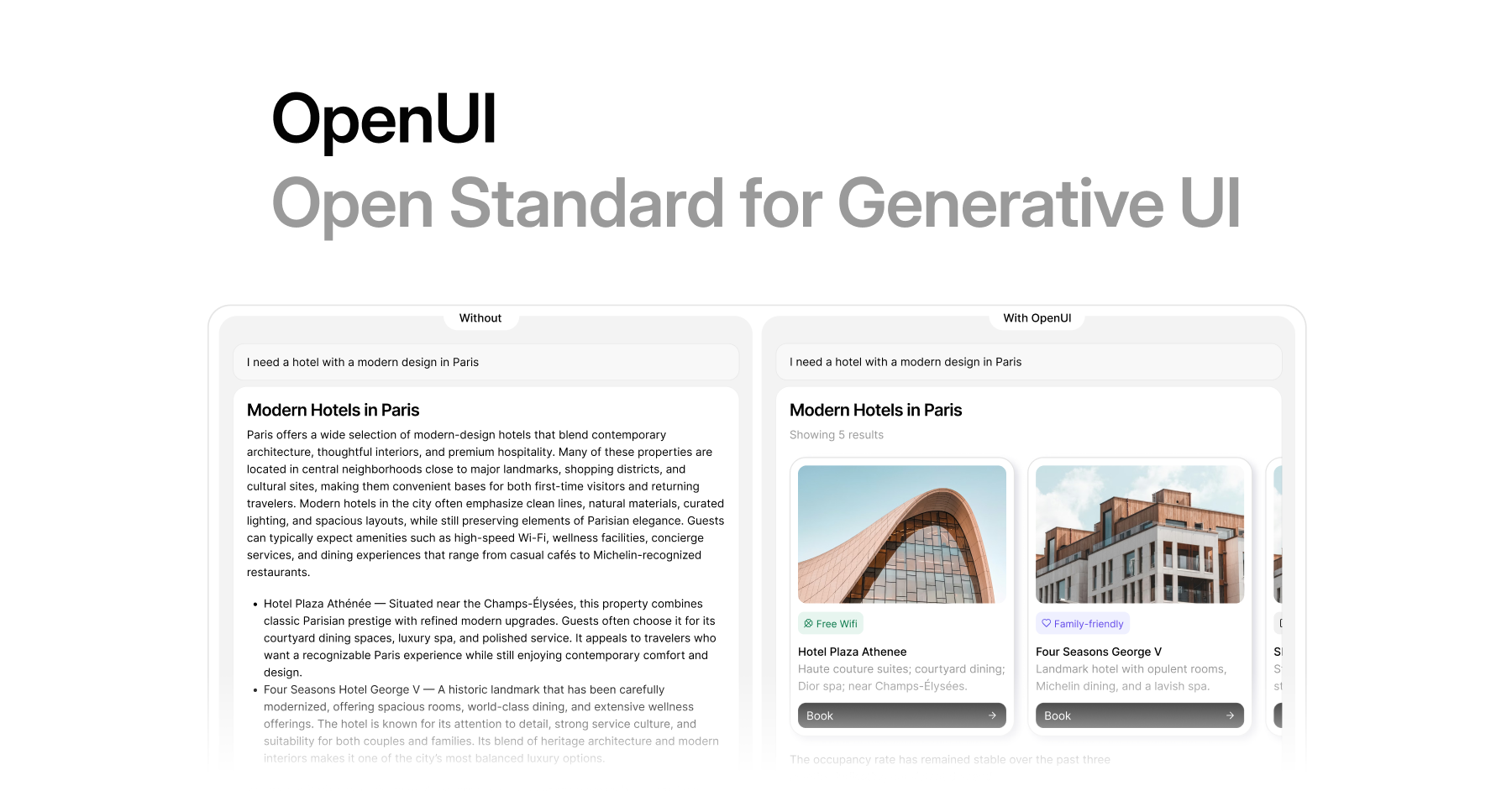
OpenUI - The Open Standard for Generative UI
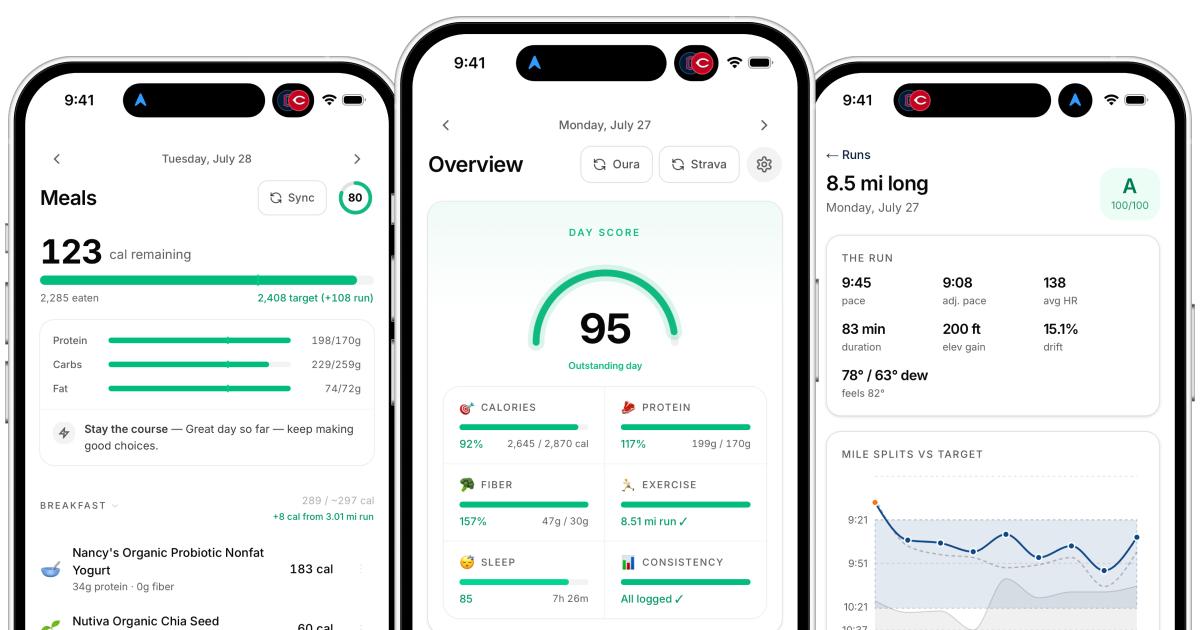
Software for One
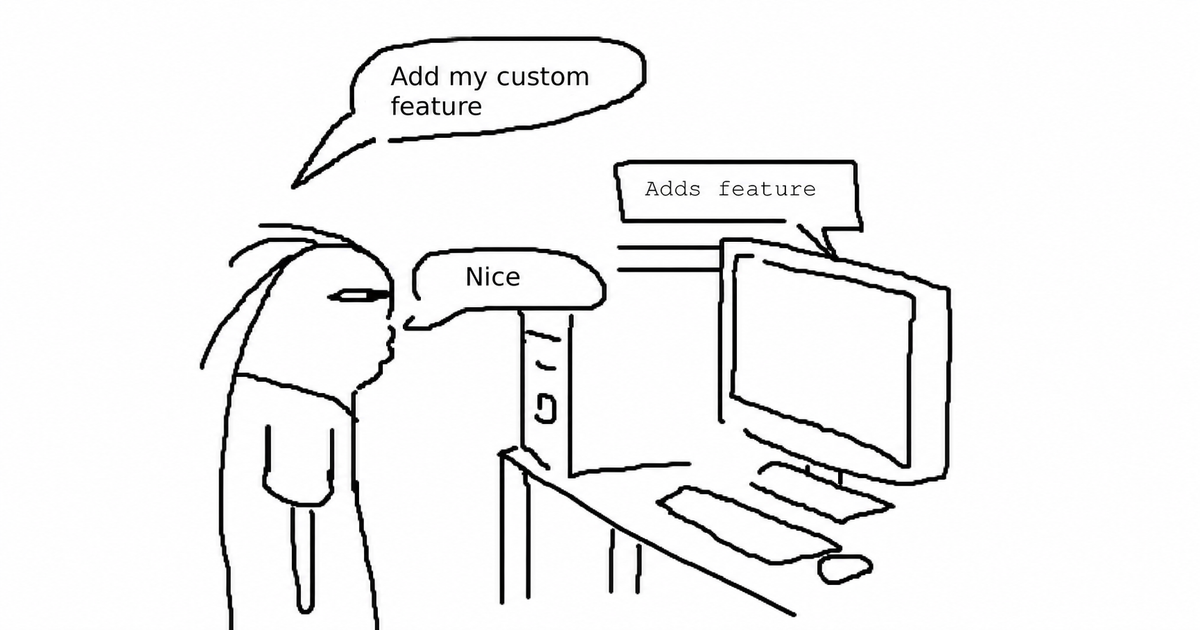
Extensible Software in the age of LLMs | Jeremy Morrell
Ink & Switch malleable software essay
Note · Mikkel Malmberg
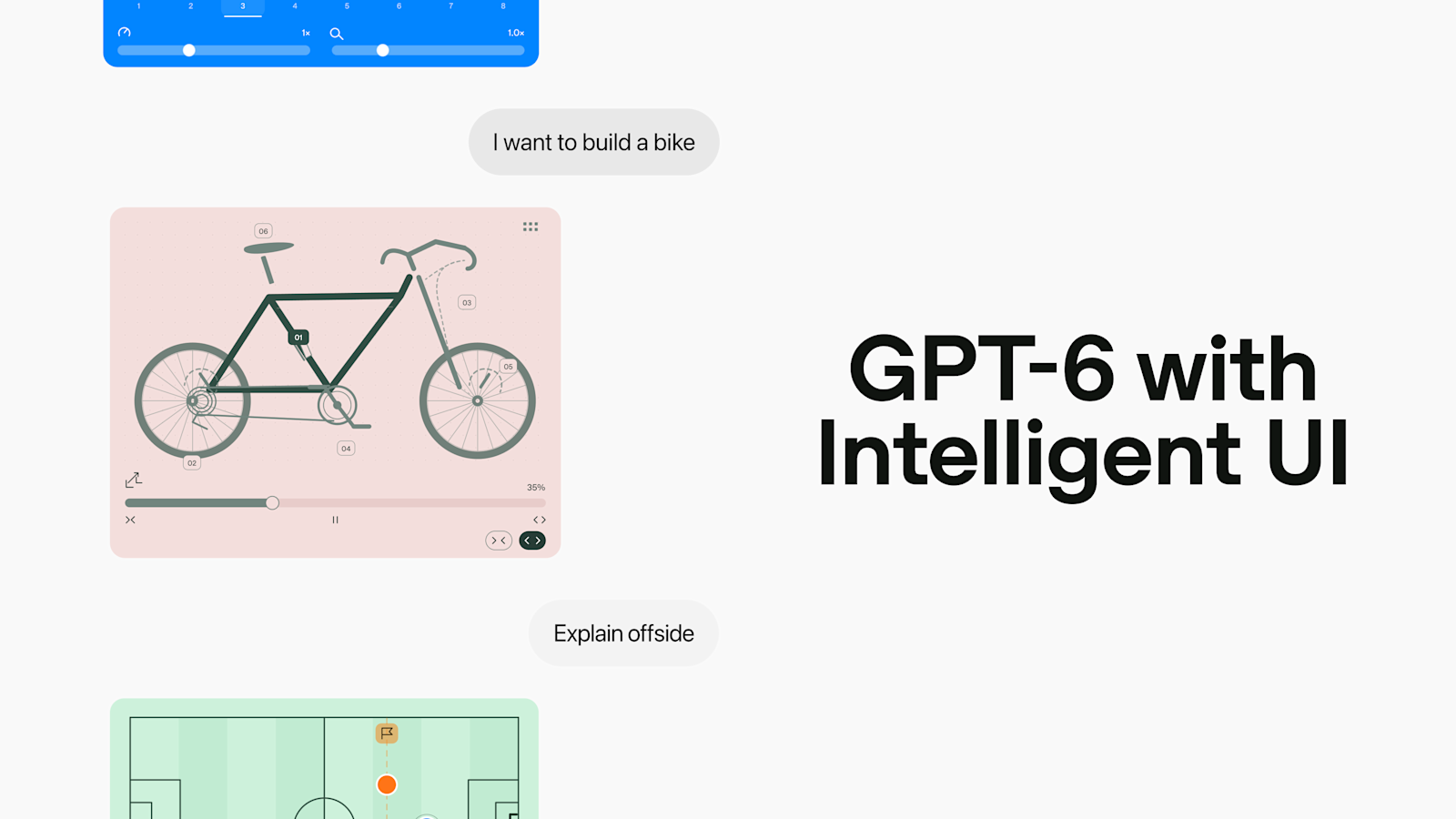
GPT-6 and Intelligent UI for everyone
Web Tiles (by paperpilot.dev) — Semble

Introducing Patchwork-26