Understanding the inner workings of neural networks
New research on that gives us a deeper understanding of why networks make the decisions they do

Understanding the inner workings of neural networks
New research on that gives us a deeper understanding of why networks make the decisions they do
AI Data Centers Will Be Obsolete (Geometric Reasoning Explained)
NETWORKED MINDS: Where human evolution is heading
by Dirk Helbing [1] Having studied the technological and social forces shaping our societies, we are now turning to the evolutionary for...

A Multiscale Logic of Collective Intelligence" by Donald Hoffman and Chetan Prakash
The network science of collective intelligence
In the last few years, breakthroughs in computational and experimental techniques have produced several key discoveries in the science of networks and human collective intelligence. This review presents the latest scientific findings from two key fields of research: collective problem-solving and the wisdom of the crowd. I demonstrate the core theoretical tensions separating these research traditions and show how recent findings offer a new synthesis for understanding how network dynamics alter collective intelligence, both positively and negatively.

MIT CSAIL research offers a fully automated way to peer inside neural nets | TechCrunch
MIT's Computer Science and Artificial Intelligence Lab has devised a way to look inside neural networks and shed some light on how they're actually making

Inceptionism: Going Deeper into Neural Networks
Posted by Alexander Mordvintsev, Software Engineer, Christopher Olah, Software Engineering Intern and Mike Tyka, Software EngineerUpdate - 13/07/20...

NeuroAI’s Next Steps: Balancing Computation and Embodiment
Deep neural networks trained at scale now predict neural activity across sensory cortices, raising a question that divides neuroscience: does the convergence between artificial and biological representations constitute understanding, or does understanding require models of biological processes grounded in the embodied, evolved character of natural intelligence? In this Dual Perspectives article, Bing Brunton and Patrick Mineault articulate two research programs—Process and Convergence—to engage this question about the future of NeuroAI research. The conversation is organized around four questions that probe what scaled model–brain alignment reveals, what the brain is coupled to and evolved to do, what success beyond the lab looks like, and where the field should invest over the coming decade. Their exchanges reveal the distance between the two programs to be primarily about the level of analysis and priorities for what to build next. The conversation converges on shared ground: measure broadly, then distill to causal principles.
MOSAIC — Modular Open Science, AI & Collective Intelligence
MOSAIC is an R&D program to build a new medium for large-scale, AI-augmented networked research.
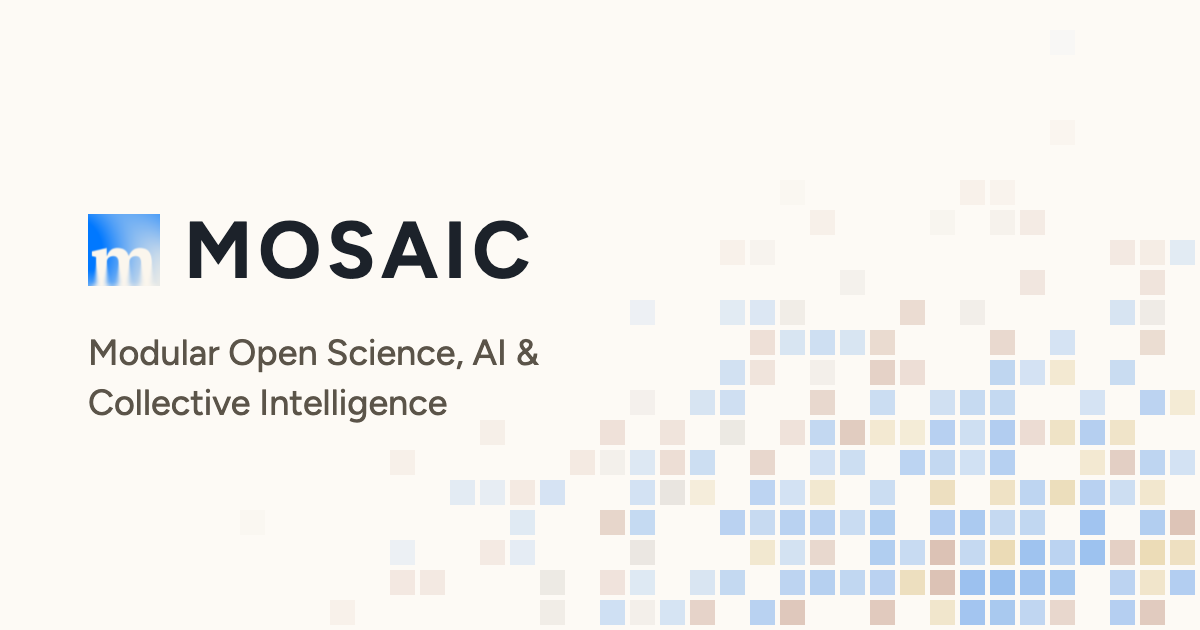
History of Neuroscience and AI: From neurons to the first artificial neural networks
Neural Networks Are Already Clean
A working hypothesis about neurons, generalization, and the ecology of circuits.
Neuro Startups

Networked Research Labs

Why Cosmik Network?

context for the underlying motives, ideas and assumptions for building the Cosmik Network
Neuro-RSE
AI mediated science
Danilo Bzdok | Mila
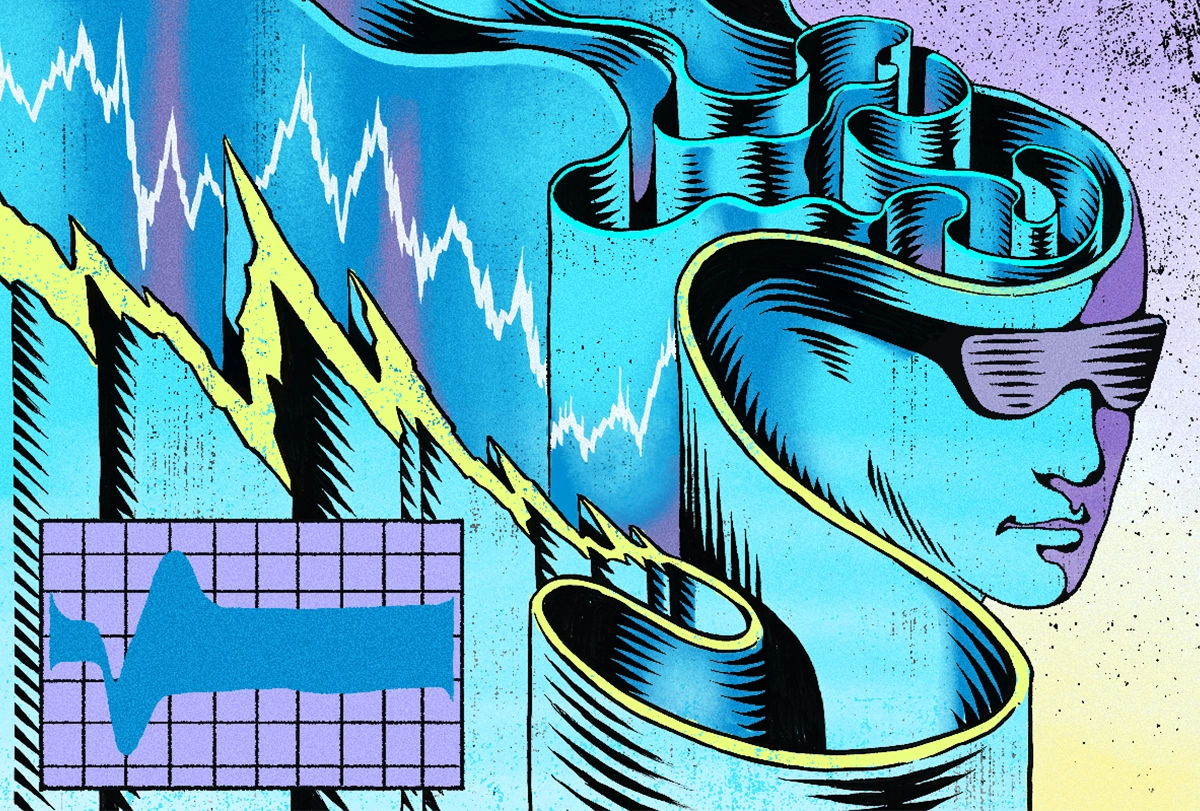
Neuroscience needs a career path for software engineers

Neuro-RSE Affinity Group
andrewheusser.github.io

About Patrick Mineault
Phillip M. Alday
About Stanford AO

London AO Summit
Improving scientific mentorship with "Open Labs" — science better
Federating friendly spaces - Roomy
modular research multi-agent slack-like environment demo
Buzz! 🐝
Arbor Neuroscience
Constellation
Karavela
Constellation Systems, Inc | LinkedIn
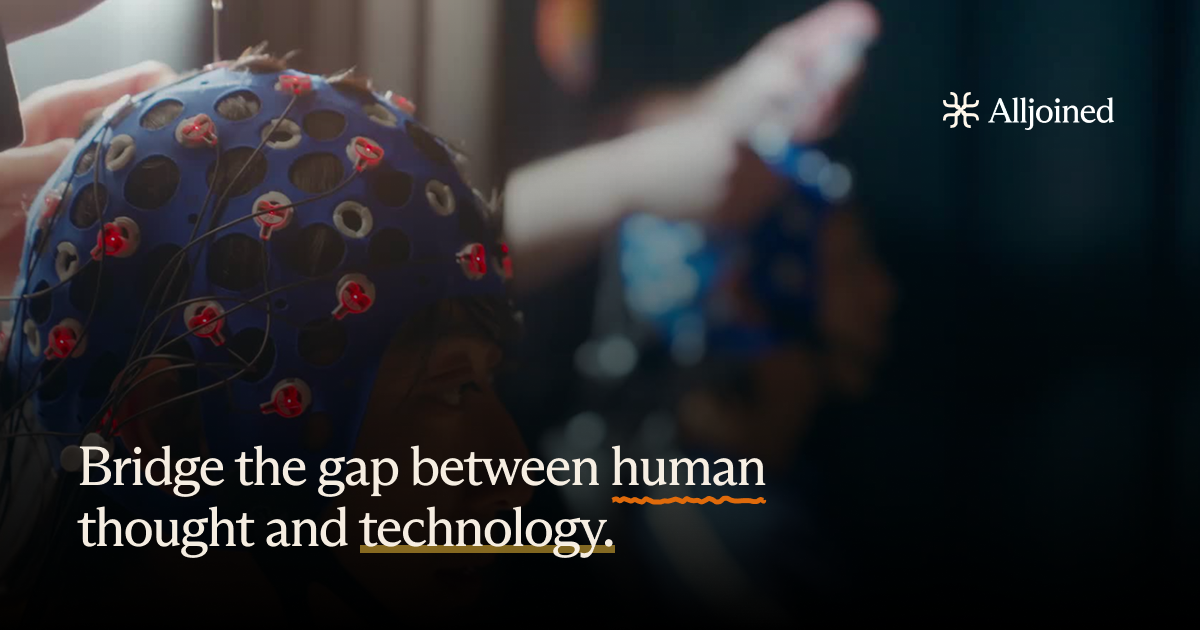
Alljoined | We’re Hiring

Sabi — Just Think
Attention and the Relevance Problem

The Web Needs a Context Layer Built on a Shared Protocol
Coordination Tech in Science: Letters, Journals, and Whatever Comes Next | shishyko!

The strain on scientific publishing
Networked Research Labs (by Ronen Tamari) — Semble
Introducing CAIROS: Collective Augmented Intelligence for Research and Open Science - Cosmik Labs
Verena Rieser on Twitter / X
Ryan Hill on Twitter / X
Claude Science (beta)
Lacuna: A Research Map for Machine Learning

Agentic Laboratories of the Future: Towards World Models for Scientific Discovery
Early science acceleration experiments with GPT-5