The social model of disability: thirty years on
This year marks exactly 30 years since I published a book introducing the social model of disability onto an unsuspecting world and yet, despite the impact this model has had, all we now seem to do...

Disability-Driven Development
Crip Technoscience Manifesto
As disabled people engaged in disability community, activism, and scholarship, our collective experiences and histories have taught us that we are effective agents of world building and dismantling toward more socially just relations.The grounds for social justice and world remaking, however, are frictioned;technologies, architectures, and infrastructures are often designed and implemented without committing to disability as a difference that matters. This manifesto calls attention to the powerful, messy, non-innocent, contradictory, and nevertheless crucial work of what we name as “crip technoscience,” practices of critique, alteration, and reinvention of our material-discursive world. Disabled people are experts and designers of everyday life. But we also harness technoscience for political action, refusing to comply with demands to cure, fix, or eliminate disability. Attentive to the intersectional workings of power and privilege, we agitate against independence and productivity as requirements for existence. Instead, we center technoscientific activism and critical design practices that foster disability justice.
The social model of disability: thirty years on
This year marks exactly 30 years since I published a book introducing the social model of disability onto an unsuspecting world and yet, despite the impact this model has had, all we now seem to do...
The social model of disability: thirty years on
This year marks exactly 30 years since I published a book introducing the social model of disability onto an unsuspecting world and yet, despite the impact this model has had, all we now seem to do...
Disability Dongle
Disability Dongles are contemporary fairy tales that appeal to the abled imagination by presenting a heroic designer-protagonist whose prototype provides a techno-utopian (re)solution to the design problem. Disability Dongle rhetoric instills in students the value of a quick fix over structural change, thus preventing them from seeking out, participating in, and contributing to existing inquiry. By labeling these material-discursive phenomena—the designed artifacts and the discourse through which their meaning is constituted—we work to shift the focus from their misguided concern about our bodies to their under-analyzed intentions and ambitions.
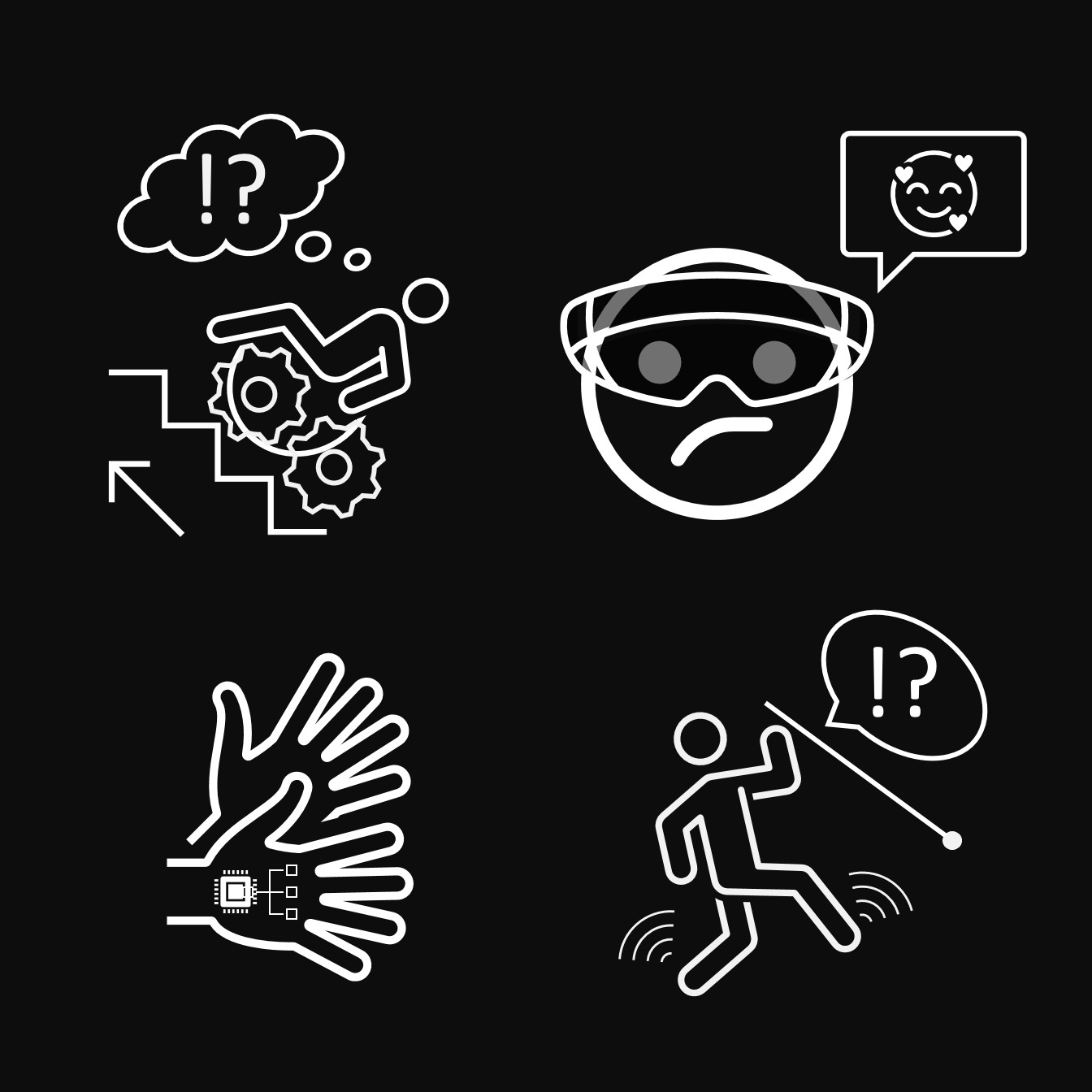
Disability Driven Development
Disability Driven Development (DDD) is a practice that reimagines computing from a disabled perspective, challenging its seemingly seamless and stable hegemonic operations. It asks who is left out of creating (and joyfully using) digital technology, and how this can be changed. It is a practice by and for those who did not get to shape computing to meet their needs. It is a work related to crip technoscience, a practice of critique, alteration, and reinvention of our material-discursive world1. It is also heavily inspired by "fourth wave" womanist thinkers like EbonyJanice Moore, drawing on the notion of "a revolution that does not cost us our whole spirit, soul, and bodies."2 DDD was coined by Amelia Laumann to describe her work on SpoonStack 3.
Disability Driven Development
Disability Driven Development (DDD) is a practice that reimagines computing from a disabled perspective, challenging its seemingly seamless and stable hegemonic operations. It asks who is left out of creating (and joyfully using) digital technology, and how this can be changed. It is a practice by and for those who did not get to shape computing to meet their needs. It is a work related to crip technoscience, a practice of critique, alteration, and reinvention of our material-discursive world1. It is also heavily inspired by "fourth wave" womanist thinkers like EbonyJanice Moore, drawing on the notion of "a revolution that does not cost us our whole spirit, soul, and bodies."2 DDD was coined by Amelia Laumann to describe her work on SpoonStack 3.

Updated 8d
Semble use for research

exploring ways Semble can be used for research
Depression

borgr/ATProto-links-bot

I've been experimenting with a workflow for @semble.so. After I read an article, I send it to Johnson, my PA bot and ask it to use the Sembl…

Check out this thread and contribute your papers if you'd like to share!

I’ve created a Collection of papers on @semble.so for #CogSci2026 The collection is not exhaustive but I’ve made it open so anyone can add…

Just installed the Zemble plugin for Zotero. To test it, I shared some literature linked to the "Democracy at work" report we wrote for the…

Just pushed a bunch of cards to my @semble.so collection via the API from my bookmarks! thank you opus and thank you @cosmik.network team…

Depression doesn't shrink the brain like we thought it did | New Scientist
accessibility

Disability-driven Development

Disability-driven Development is a practice that reimagines computing from a disabled perspective.
Self-advocacy: Healthcare
Tips that might be helpful for me personally. Or family or friends
Digital Accessibility

Mental health
Smart Glasses as Disability Assistive Tech
UI/Design

Smart Glasses as Disability Assistive Tech (by Bee 🐝) — Semble

Digital accessibility is real and tangible
It’s hard to justify Tahoe icons
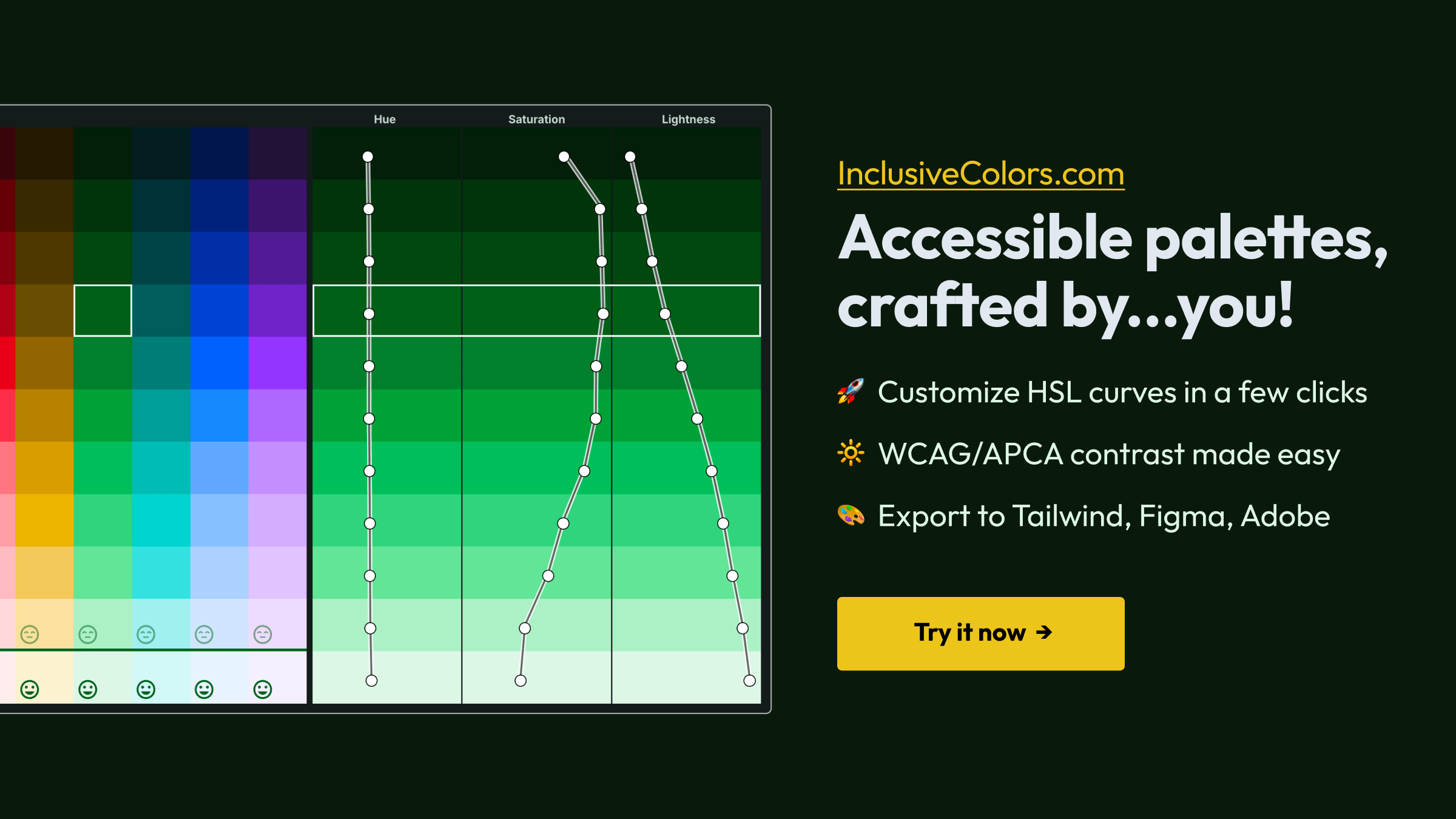
InclusiveColors - Accessible color palette creator

Radical Accessibility and the Hyperaudio Lite Editor
When DRM Comes For Your Wheelchair
knowbility.org
The "Disability Dongle": Why Silicon Valley Hates Me and you., Sightless Scribbles
Screen Record App: screenpipe — Record Everything & Search Instantly

In 1977, Disabled activists occupied the Federal Building in San Francisco to demand the passage of Section 504— legislation to protect…

Dysthymia
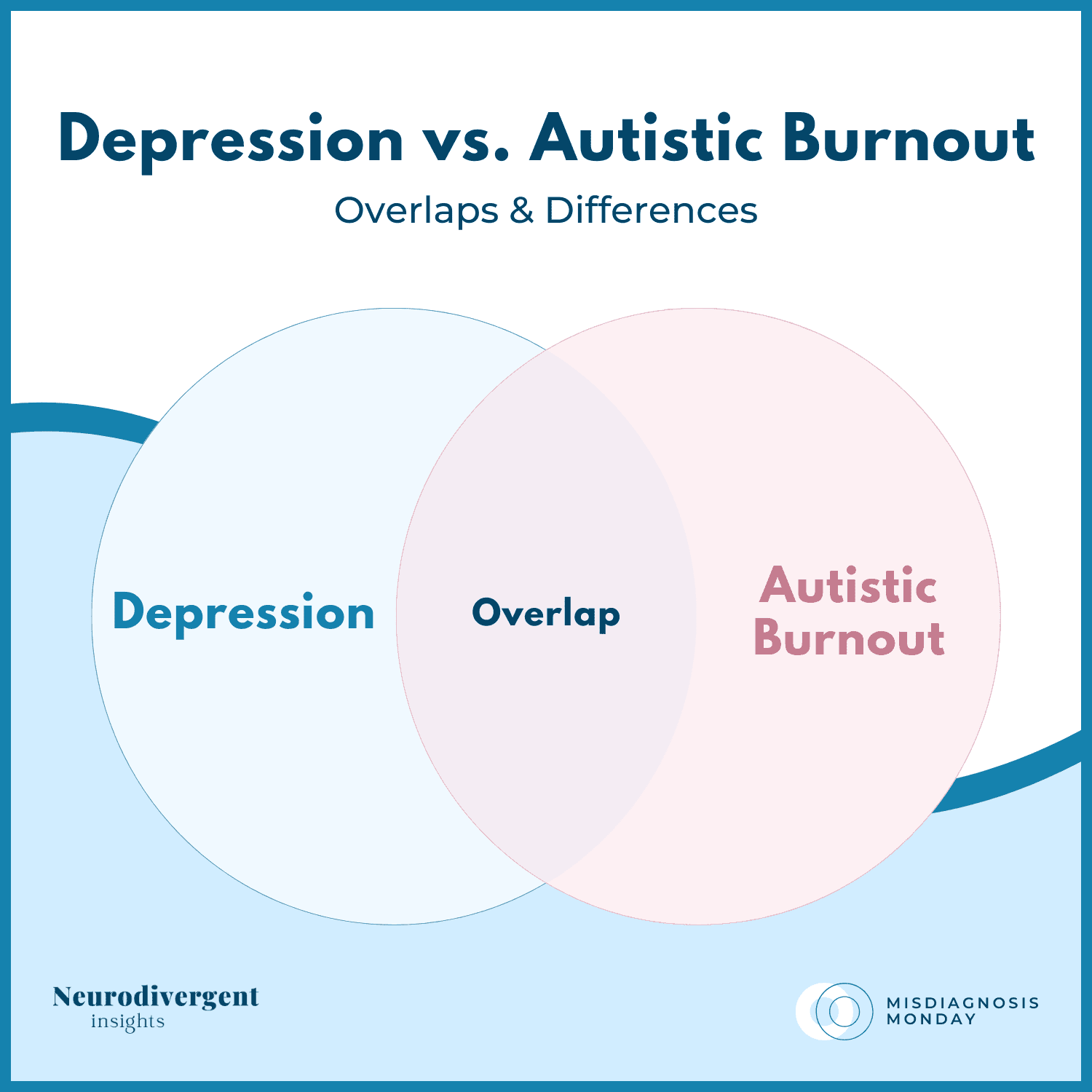
Autistic Burnout vs. Depression | Neurodivergent Insights

Defining autistic burnout through experts by lived experience: Grounded Delphi method investigating #AutisticBurnout - Julianne M Higgins, Samuel RC Arnold, Janelle Weise, Elizabeth Pellicano, Julian N Trollor, 2021
What Is Autistic Burnout? A Thematic Analysis of Posts on Two Online Platforms - Jane Mantzalas, Amanda L. Richdale, Achini Adikari, Jennifer Lowe, Cheryl Dissanayake, 2022
“Having All of Your Internal Resources Exhausted Beyond Measure and Being Left with No Clean-Up Crew”: Defining Autistic Burnout - Dora M. Raymaker, Alan R. Teo, Nicole A. Steckler, Brandy Lentz, Mirah Scharer, Austin Delos Santos, Steven K. Kapp, Morrigan Hunter, Andee Joyce, Christina Nicolaidis, 2020
“Shutdowns Are Like You’re Stuck on the Blue Screen of Death”: A Metaphor Analysis of Autistic Shutdowns - Katie Paris, Alexandru “Zeph” Lodestone, Melissa Houser, Laura Foran Lewis, 2025

How to Fight Your Health Insurance Denial With an External Appeal — ProPublica

By request of a lot of people who were looking for an example of how I do clinical notes for a new appointment with a specialist about extre…
The hardest working font in Manhattan
The Title Cards in Blade Runner Are Fucking Amazing
Goudy Oldstyle in use
Steve Simkins
A corner of the web for builders.
The 1960s Art School Experiment That Redefined Creativity
/filters:format(webp)/filters:no_upscale()/prod01/cdn/media/stirling/news/news-centre/2025/aug-25/1200X630Hearingaid.jpg)
Artificial intelligence-powered glasses could be a gamechanger for those with hearing loss | About | University of Stirling
Too risky for the road but safe for schools? Rethinking smart glasses in the science classroom
SpecAssist: Smart Glasses with Real-time speech recognition and transcription for the hearing impaired

The use of wearable technology to measure and support abilities, disabilities and functional skills in autistic youth: a scoping review

ADAMAAS: Towards Smart Glasses for Mobile and Personalized Action Assistance

(PDF) Smart glasses for remote assistance: analysing usability and optimal user characteristics among young adults with and without autism