The social model of disability: thirty years on
This year marks exactly 30 years since I published a book introducing the social model of disability onto an unsuspecting world and yet, despite the impact this model has had, all we now seem to do...

The social model of disability: thirty years on
This year marks exactly 30 years since I published a book introducing the social model of disability onto an unsuspecting world and yet, despite the impact this model has had, all we now seem to do...
The social model of disability: thirty years on
This year marks exactly 30 years since I published a book introducing the social model of disability onto an unsuspecting world and yet, despite the impact this model has had, all we now seem to do...
Smart glasses controversy sidelines the benefits for disabled people | Letter
Letters: Guardian readers reflect on the ableism rife in the debate about Ray-Ban Meta eyewear, despite the life-changing difference they can make
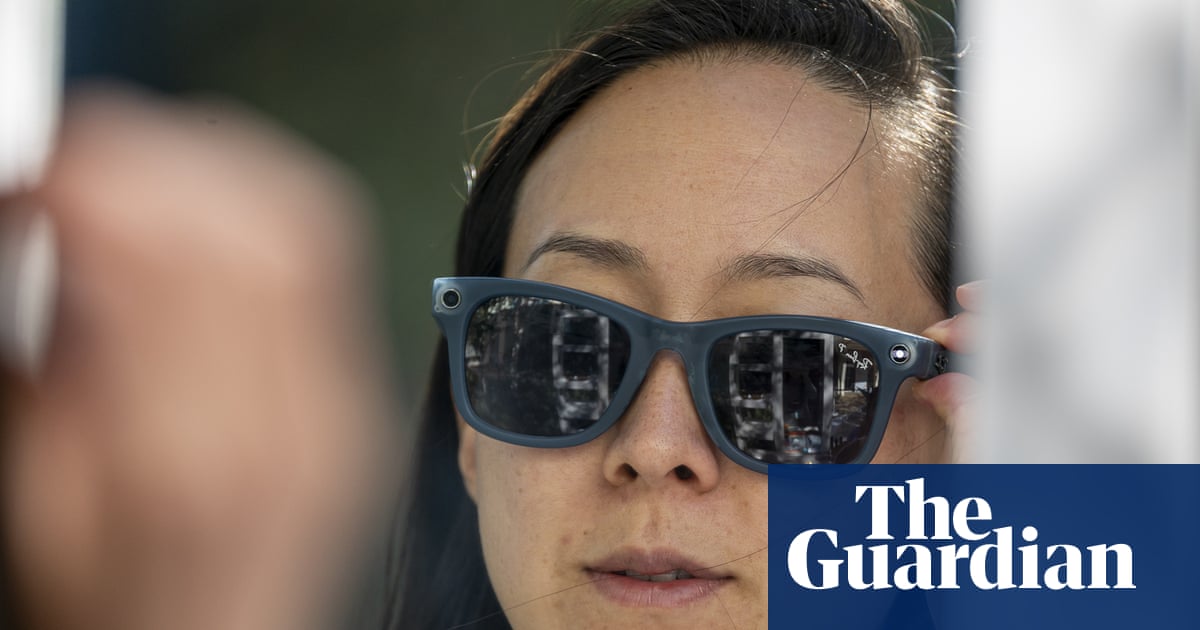
Smart glasses controversy sidelines the benefits for disabled people | Letter
Letters: Guardian readers reflect on the ableism rife in the debate about Ray-Ban Meta eyewear, despite the life-changing difference they can make
Disability-Driven Development
Anthropology and ableism
Abstract This article continues the tradition of writing about embodied knowledge production to highlight the underanalyzed issue of ableism, providing an opening for a disciplinary reckoning with oppressive legacies towards creating collective access in anthropology and academia. Building on the creative and collaborative labor of disabled and allied anthropologists, I argue that ableism is inherent to anthropology's disciplinary formations—especially expectations pertaining to fieldwork. I make a series of claims related to this argument: The continuation of fieldwork practices from the colonial model naturalizes able bodyminds, and without intervention, reproduces ableist anthropology. The normate anthropologist has always had a “nondisabled” bodymind, but once disability became a proper object for anthropology, a line was solidified between “anthropologist” and “the disabled,” thereby making disabled anthropologist a seemingly conceptual impossibility. The effect of the anthropological gaze turning towards disability introduced a “corporeal unconscious” in the discipline; the specter of becoming disabled (becoming subject to the anthropological gaze rather than being its source) haunts fieldwork and heightens the anxious relation of anthropology to disability. Illuminating the normative underpinnings of anthropology and embracing the unbearable possibility that we all might be(come) disabled should move us to collectively consider what anthropology might be otherwise. , Resumen Este artículo continúa la tradición de escribir acerca de la producción de conocimiento corporeizado para enfatizar la cuestión insuficientemente analizada de la discriminación o prejuicio contra los discapacitados, capacitismo, proveyendo una apertura para un lidiar disciplinario con legados opresivos hacia la creación de acceso colectivo en antropología y la academia. Construyendo sobre la labor creativa y colaborativa de antropólogos discapacitados y aliados, argumento que el capacitismo es inherente a las formaciones disciplinarias de la antropología –especialmente las expectativas pertenecientes al trabajo de campo–. Realizo una serie de aseveraciones relacionadas con este argumento: la continuación de las prácticas de trabajo de campo del modelo colonial naturaliza los cuerposmentes capaces, y sin intervención, reproduce una antropología capacitista. El antropólogo normate ha sido siempre un cuerpomente “no discapacitado”, pero una vez la discapacidad se convirtió en un objeto propio para la antropología, una línea fue solidificada entre “el antropólogo” y “el discapacitado”, haciendo de este modo al antropólogo discapacitado aparentemente una imposibilidad conceptual. El efecto de la mirada antropológica dirigiéndose hacia la discapacidad introdujo un “inconsciente corporal” en la disciplina; el espectro de llegar a ser discapacitado (llegar a estar sujeto a la mirada antropológica en vez de ser su fuente) ronda el trabajo de campo y realza la relación ansiosa de la antropología con la discapacidad. Iluminar los fundamentos normativos de la antropología y aceptar la insoportable posibilidad que todos podemos (llegar) a ser discapacitados debería movernos a considerar colectivamente lo que podría ser la antropología de otra manera. [ capacitismo, discapacidad, trabajo de campo, ethnograph, accesibilidad ]

10 Principles of Disability Justice | Sins Invalid
INTERSECTIONALITY “We do not live single issue lives” –Audre Lorde. Ableism, coupled with white supremacy, supported by capitalism, underscored by heteropatriarchy, has rendered the vast majority of the world “invalid.”
Crip Technoscience Manifesto
As disabled people engaged in disability community, activism, and scholarship, our collective experiences and histories have taught us that we are effective agents of world building and dismantling toward more socially just relations.The grounds for social justice and world remaking, however, are frictioned;technologies, architectures, and infrastructures are often designed and implemented without committing to disability as a difference that matters. This manifesto calls attention to the powerful, messy, non-innocent, contradictory, and nevertheless crucial work of what we name as “crip technoscience,” practices of critique, alteration, and reinvention of our material-discursive world. Disabled people are experts and designers of everyday life. But we also harness technoscience for political action, refusing to comply with demands to cure, fix, or eliminate disability. Attentive to the intersectional workings of power and privilege, we agitate against independence and productivity as requirements for existence. Instead, we center technoscientific activism and critical design practices that foster disability justice.
The "Disability Dongle": Why Silicon Valley Hates Me and you., Sightless Scribbles
A fabulously gay blind author.

Updated 9d
Smart Glasses as Disability Assistive Tech

Mental health

Depression
Disability-driven Development

Disability-driven Development is a practice that reimagines computing from a disabled perspective.
Self-advocacy: Healthcare
Tips that might be helpful for me personally. Or family or friends
Neuroscience, Cognition & Psychology

accessibility


Depression doesn't shrink the brain like we thought it did | New Scientist
/filters:format(webp)/filters:no_upscale()/prod01/cdn/media/stirling/news/news-centre/2025/aug-25/1200X630Hearingaid.jpg)
Artificial intelligence-powered glasses could be a gamechanger for those with hearing loss | About | University of Stirling
Too risky for the road but safe for schools? Rethinking smart glasses in the science classroom
SpecAssist: Smart Glasses with Real-time speech recognition and transcription for the hearing impaired

The use of wearable technology to measure and support abilities, disabilities and functional skills in autistic youth: a scoping review

ADAMAAS: Towards Smart Glasses for Mobile and Personalized Action Assistance

(PDF) Smart glasses for remote assistance: analysing usability and optimal user characteristics among young adults with and without autism

Dysthymia
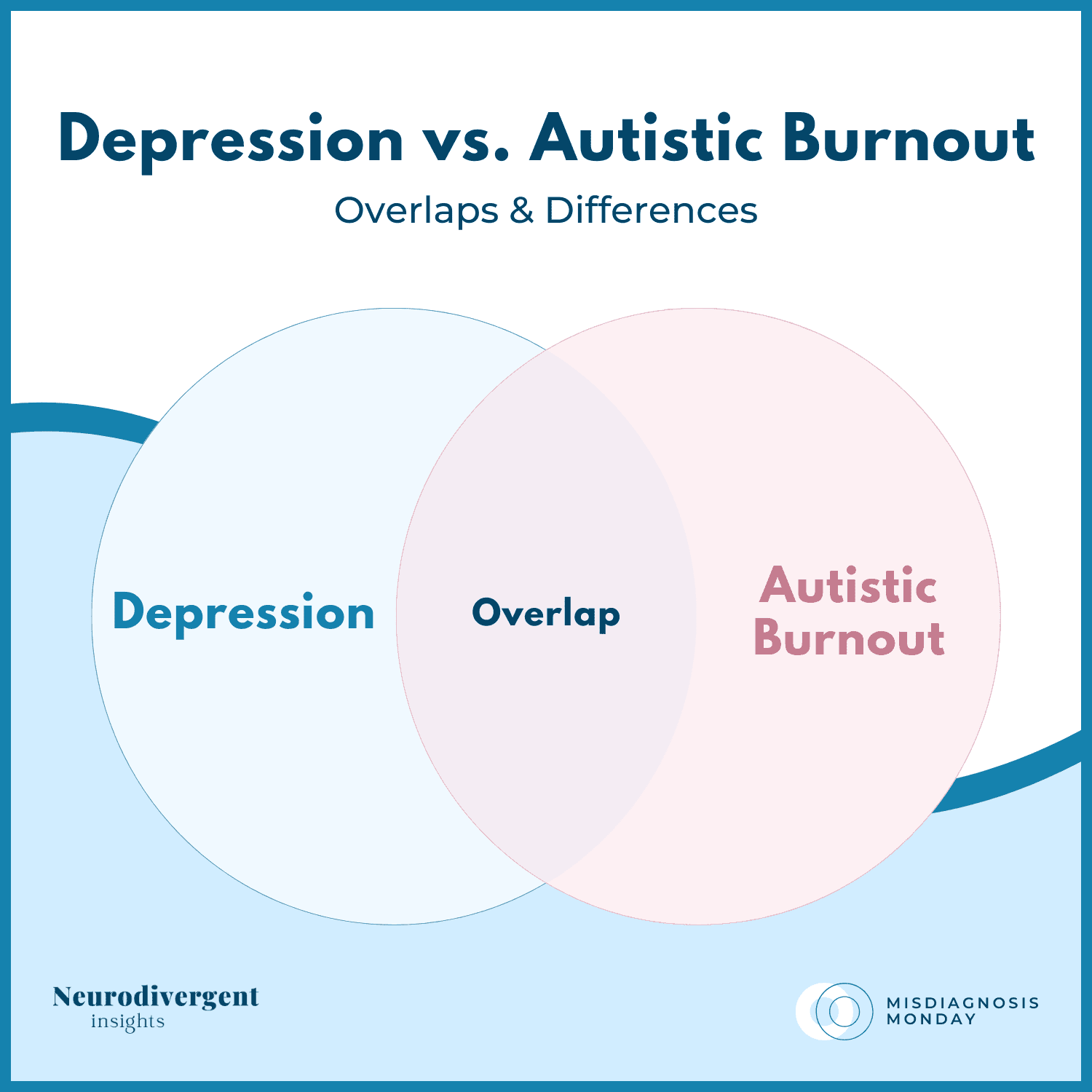
Autistic Burnout vs. Depression | Neurodivergent Insights

Defining autistic burnout through experts by lived experience: Grounded Delphi method investigating #AutisticBurnout - Julianne M Higgins, Samuel RC Arnold, Janelle Weise, Elizabeth Pellicano, Julian N Trollor, 2021
What Is Autistic Burnout? A Thematic Analysis of Posts on Two Online Platforms - Jane Mantzalas, Amanda L. Richdale, Achini Adikari, Jennifer Lowe, Cheryl Dissanayake, 2022
“Having All of Your Internal Resources Exhausted Beyond Measure and Being Left with No Clean-Up Crew”: Defining Autistic Burnout - Dora M. Raymaker, Alan R. Teo, Nicole A. Steckler, Brandy Lentz, Mirah Scharer, Austin Delos Santos, Steven K. Kapp, Morrigan Hunter, Andee Joyce, Christina Nicolaidis, 2020
“Shutdowns Are Like You’re Stuck on the Blue Screen of Death”: A Metaphor Analysis of Autistic Shutdowns - Katie Paris, Alexandru “Zeph” Lodestone, Melissa Houser, Laura Foran Lewis, 2025

Radical Accessibility and the Hyperaudio Lite Editor
When DRM Comes For Your Wheelchair
knowbility.org
The "Disability Dongle": Why Silicon Valley Hates Me and you., Sightless Scribbles
Screen Record App: screenpipe — Record Everything & Search Instantly

In 1977, Disabled activists occupied the Federal Building in San Francisco to demand the passage of Section 504— legislation to protect…
Anti-democratic attitudes are highly contagious, new psychology study finds
Hyperactive–impulsive ADHD traits predict higher curiosity in adults: evidence from a cross-sectional study
Understanding the influence of digital technology on human cognitive functions: A narrative review
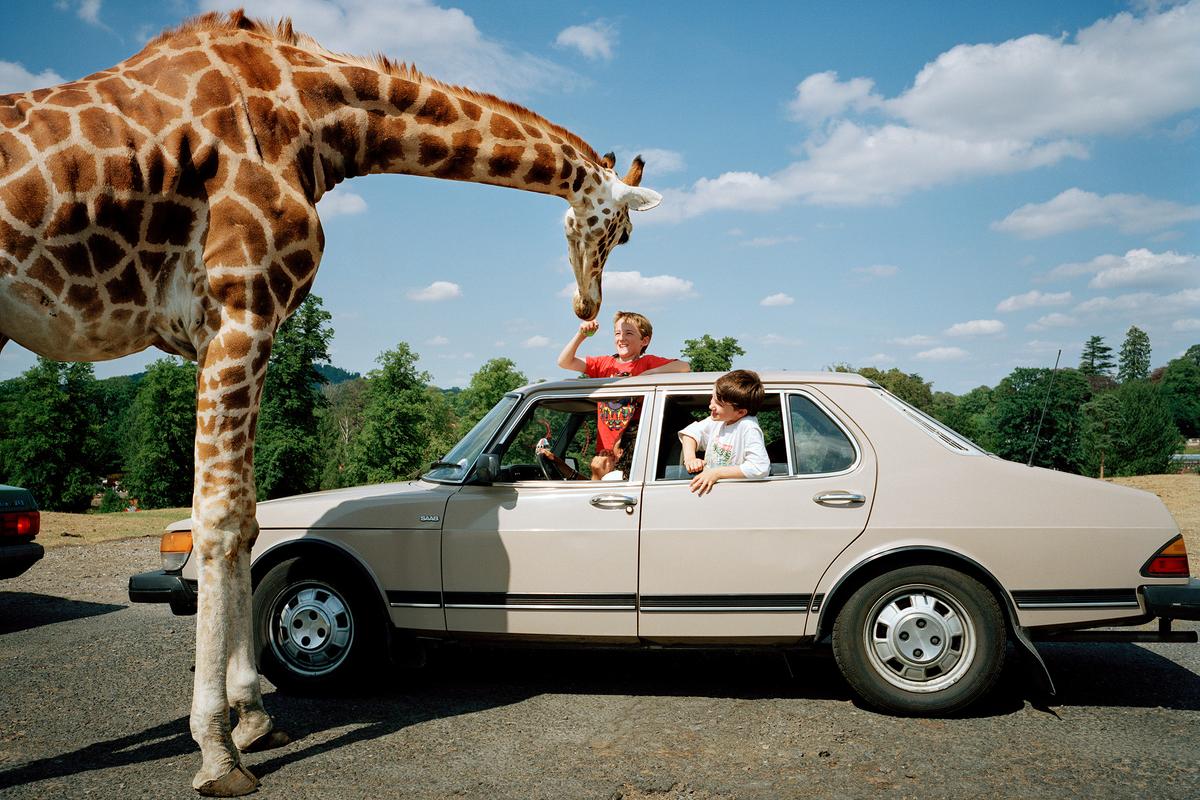
How the hypercuriosity of ADHD may have helped humans thrive | Aeon Essays
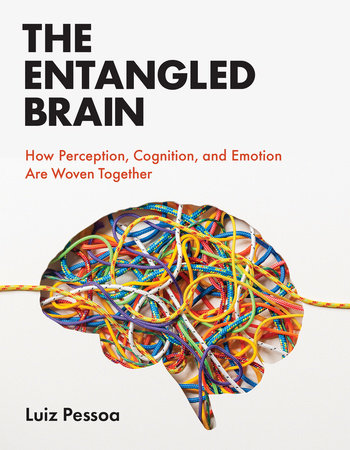
The Entangled Brain: How Perception, Cognition, and Emotion Are Woven Together

How to Fight Your Health Insurance Denial With an External Appeal — ProPublica

By request of a lot of people who were looking for an example of how I do clinical notes for a new appointment with a specialist about extre…
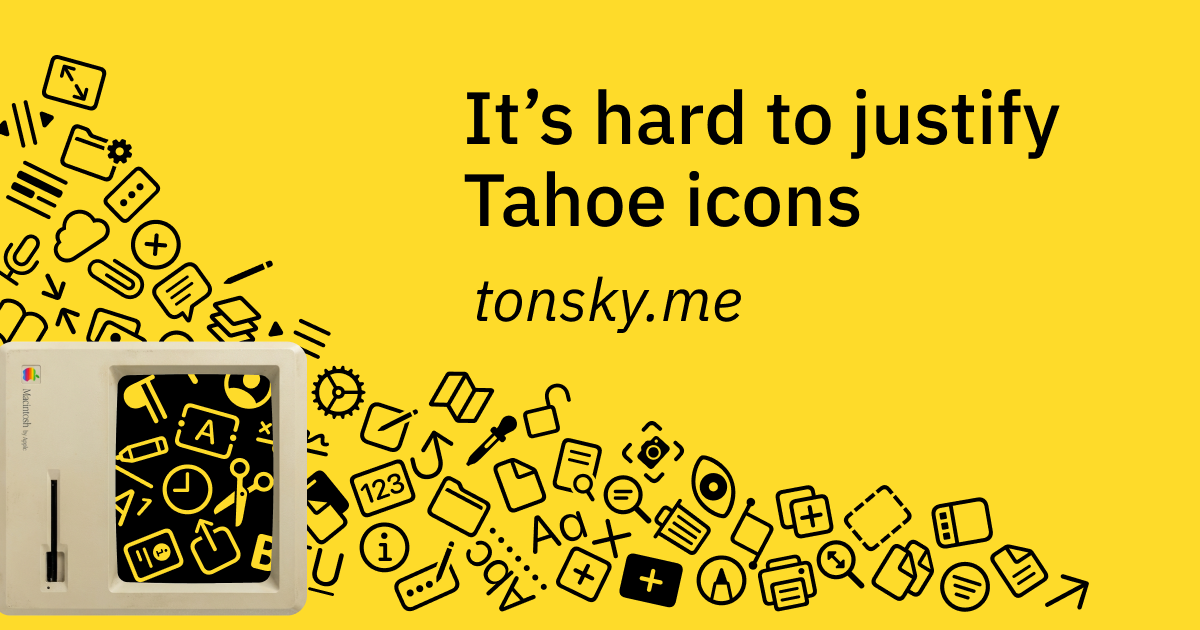
It’s hard to justify Tahoe icons
InclusiveColors - Accessible color palette creator